Content
To maximize the benefits of traffic cones, you must treat them not just as passive barriers, but as active communication tools. The most effective strategy involves a combination of correct sizing, strategic weighting, high-visibility enhancements, and precise placement. For instance, using a 28-inch cone for low-speed urban areas and a 36-inch cone with reflective collars for highways can reduce vehicle incursion risks by up to 70% when combined with proper spacing. As a manufacturer with 20 years of experience, we at Ningbo Hoyoung emphasize that the cone's material, base weight, and color consistency are non-negotiable factors for achieving this level of safety.
The physical specifications of your traffic cone dictate its effectiveness in different environments. Using an undersized or underweight cone in a high-wind area is a common and dangerous mistake. Our 5000-square-meter workshop produces cones ranging from 12-inch mini cones to 36-inch high-visibility units, each designed for a specific application.
The height of the cone must correspond to the speed of traffic. A taller cone provides a larger visual cue, giving drivers more time to react.
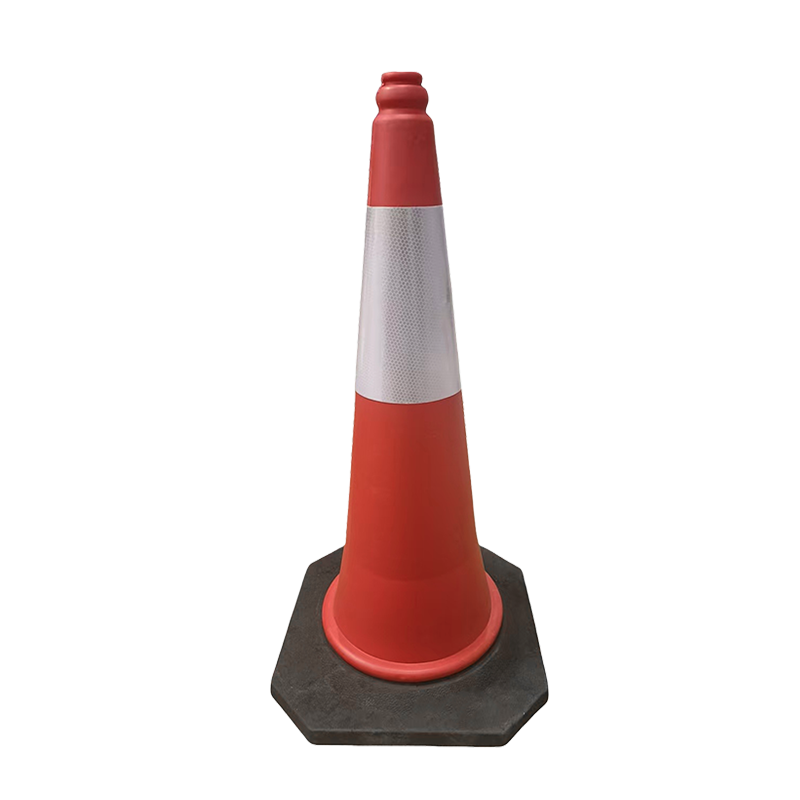
A cone without sufficient base weight is a projectile hazard. At Ningbo Hoyoung, we utilize 16 injection molding machines to create cones with integrated or collared bases that can hold additional weight. For maximum benefit, always match the base weight to the environment:
| Wind Condition | Recommended Base Weight | Benefit |
|---|---|---|
| Calm / Indoor | Standard (1.5 - 2 kg) | Easy portability |
| Moderate Wind (15-25 mph) | 3 kg - 4 kg | Prevents toppling, maintains channelization |
| High Wind (>25 mph) | 6 kg+ or water-fillable bases | Reduces displacement risk by 90% compared to unweighted cones |
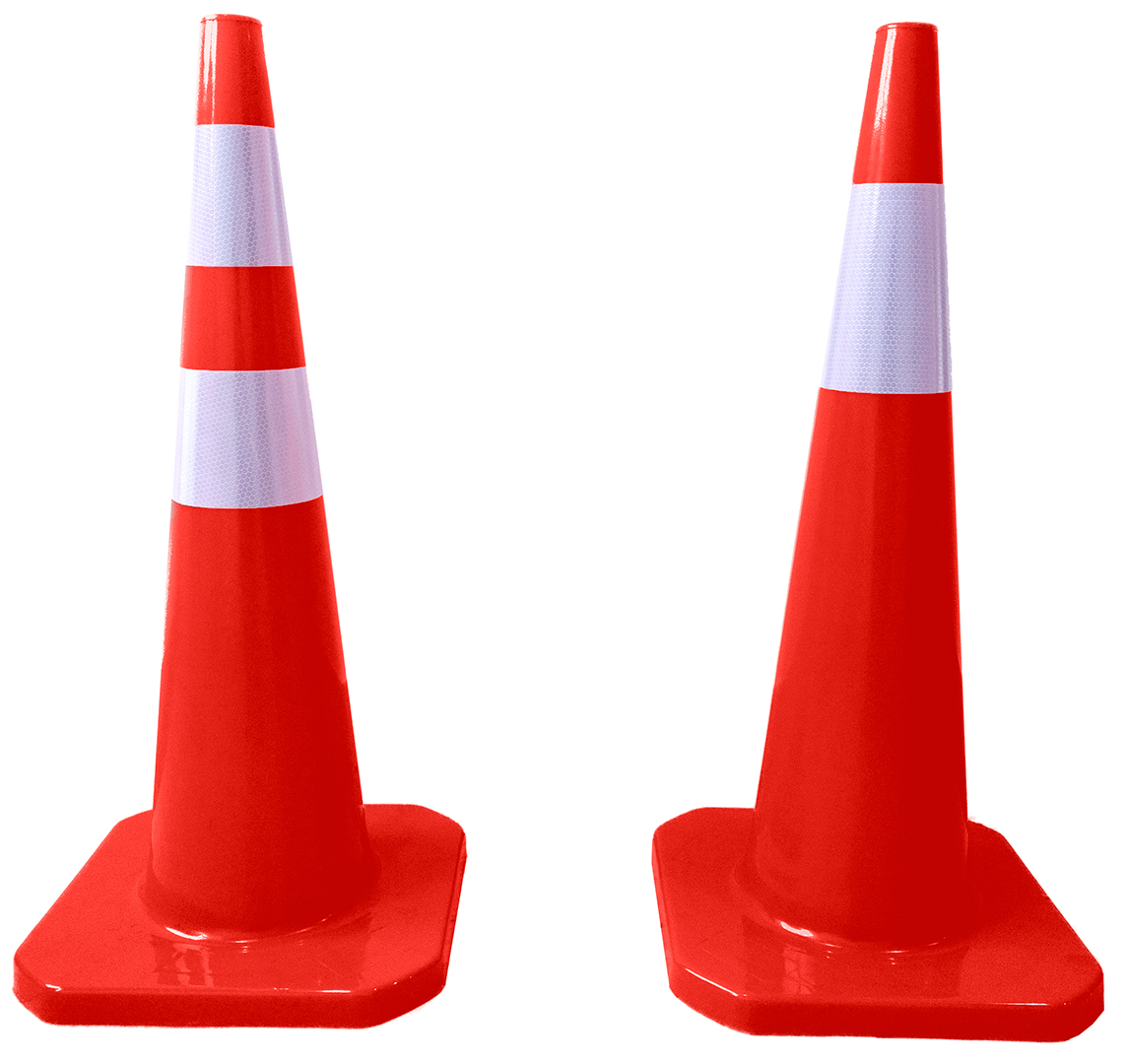
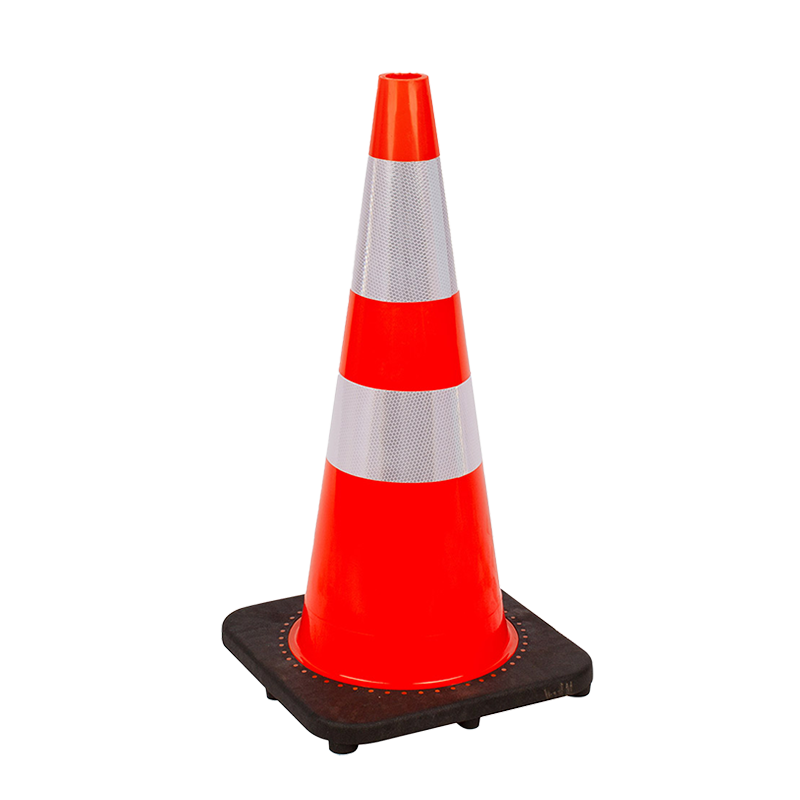
Standard orange cones are effective during the day, but their utility plummets at night without proper retroreflective material. To maximize benefits 24/7, you must integrate high-visibility elements. Our CE-certified products often feature two or four reflective collars, which are engineered to bounce light back to the driver's eyes.
A cone with a single reflective band is visible from approximately 500 feet. However, a cone with two 6-inch wide reflective bands can be seen from over 1,000 feet at night, giving a driver traveling at 60 mph an extra 5-6 seconds of reaction time. This data underscores the importance of specifying cones with high-grade reflective sheeting, a standard practice in our exports to Europe and the Americas.
While orange is universal for work zones, consider these specialized applications:
How you position cones in a sequence is more important than the cones themselves. Proper geometry creates a "funnel" that guides traffic smoothly, while poor placement creates confusion. The "taper" is the transition zone where traffic is shifted from its normal path.
For a temporary traffic control zone, the merging taper should be long enough to allow drivers to react. The formula is straightforward: For speeds under 40 mph, taper length (in feet) = speed limit (mph). For speeds over 40 mph, taper length = 1.5 x speed limit (mph). For example, a 60 mph highway requires a 90-foot taper, densely populated with cones spaced at 10 to 20 feet apart. This spacing ensures that the line of cones appears as a solid barrier from a distance, preventing last-second merging.
Never place cones in a straight line pointing directly into the lane of traffic. This invites head-on impacts. Instead, use a radial or offset pattern. Place cones at an angle, guiding traffic away from the hazard. This reduces the impact force if a cone is struck and helps channel traffic more effectively. This "forgiving" design philosophy is a cornerstone of modern road safety that we advocate for.
The material of the cone determines its "memory" and lifespan. A cone that stays crushed after being hit provides zero benefit. As a manufacturer with fully automated injection molding, we produce cones from flexible PVC or thermoplastic rubber.
Investing in high-resilience PVC cones, like those produced in our ISO9001 facility, reduces long-term costs and ensures that safety devices are always ready to perform.
To achieve the maximum benefit, traffic cones should not be used in isolation. Pairing them with other road protective equipment creates a layered safety system. Our product line extends beyond cones to include warning lights and collapsible safety cones for specific applications.
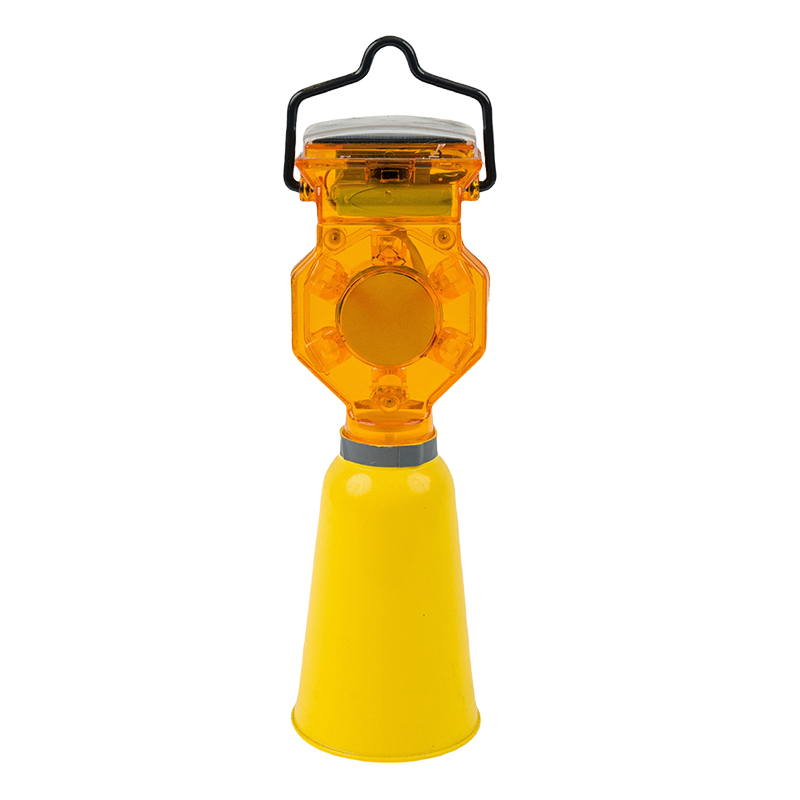
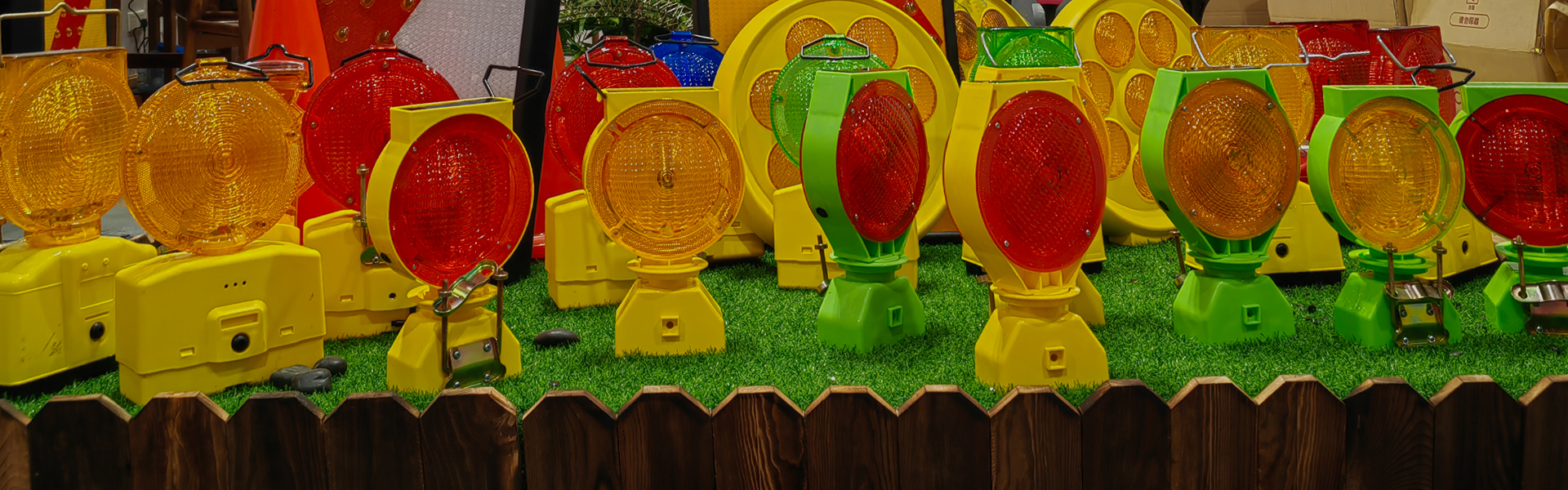
Attaching battery-operated LED warning lights to the top of cones, especially at night or in tunnel work, increases the cone's detection distance by an additional 200-300 feet. The flashing light captures peripheral vision more effectively than a static reflector.
For emergency responders or maintenance crews who need to set up a work zone in seconds, collapsible safety cones are invaluable. They can be deployed from a standing position instantly and stored in minimal space. When used as the initial warning markers before placing full-sized cones, they can reduce setup time by 60%, getting the protective barrier in place faster and reducing worker exposure to traffic.
It is focused on the overall solution of dry bulk material port transfer system,
research and development,
manufacturing, and service
Contact Us
Contact UsMiss. Jenny
+86 136 5588 7720
sales8@hoyoungsafety.com
sales1@hoyoungsafety.com