1. Standards
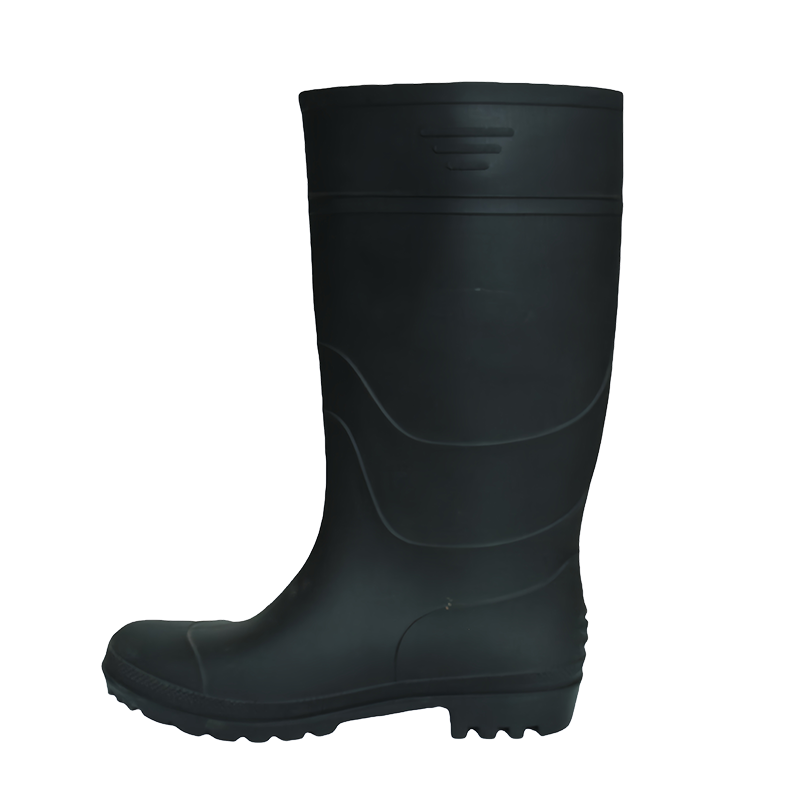
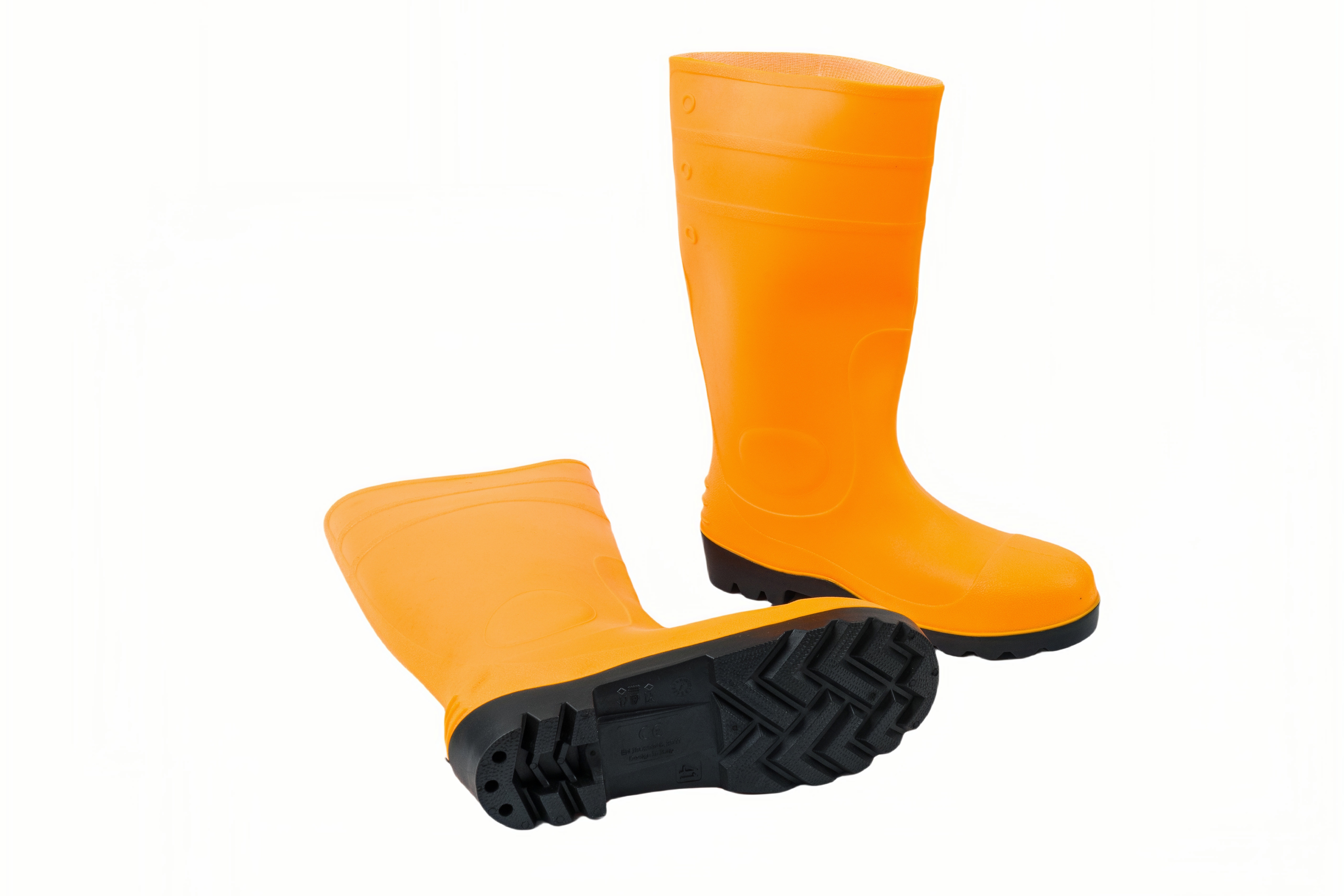
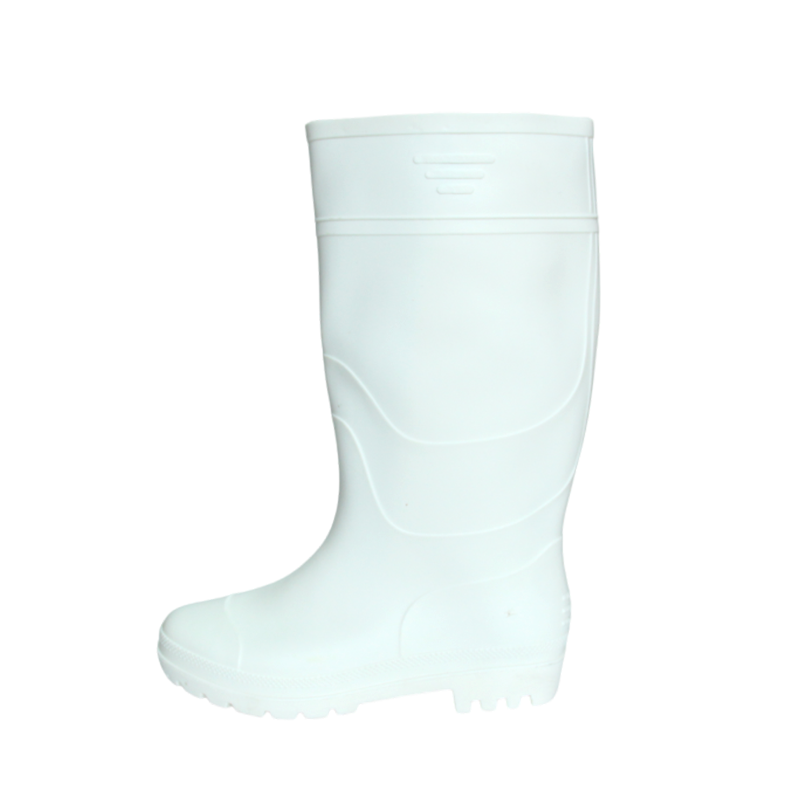
The testing of antistatic safety shoes is based on GB/T20991-2007 Personal Protective Equipment - Test Methods for Footwear and European Standard EN61340-5-1, requiring the upper resistance to be between 10⁵Ω and 10⁸Ω.
2. Testing Instruments and Equipment
A dedicated antistatic safety shoe tester is used. The instrument can provide DC voltages of 100V, 250V, 500V, and 1000V, with a resistance measurement range of 100kΩ-9999MΩ.
3. Testing Procedures
(1) Sample Preparation: Take a sample of the finished shoe or sole, ensuring the surface is clean and dry.
(2) Contact Method: Press a copper plate or steel ball (approximately 4kg) onto the shoe surface to form a stable contact point. (3) Applying Voltage: Set a DC voltage of 100V on the instrument, record the current value, and calculate the resistance; then repeat the process at 250V, 500V, and 1000V to verify the stability of the resistance with voltage.
(4) Judgment: If the measured resistance value consistently falls within the range of 10⁵Ω-10⁸Ω, it meets the anti-static (ESD) requirements; if it exceeds the range, conductive layer treatment or material replacement is required.
4. Report and Records
After completing the test, generate an "Anti-static Performance Test Report," which includes the sample number, test date, instrument model, measured voltage, corresponding resistance value, and a conclusion on whether it is qualified. This report should be provided along with the product's factory documentation for review by the customer or a third party.
It is focused on the overall solution of dry bulk material port transfer system,
research and development,
manufacturing, and service
Contact Us
Contact UsMiss. Jenny
+86 136 5588 7720
sales8@hoyoungsafety.com
sales1@hoyoungsafety.com