Content
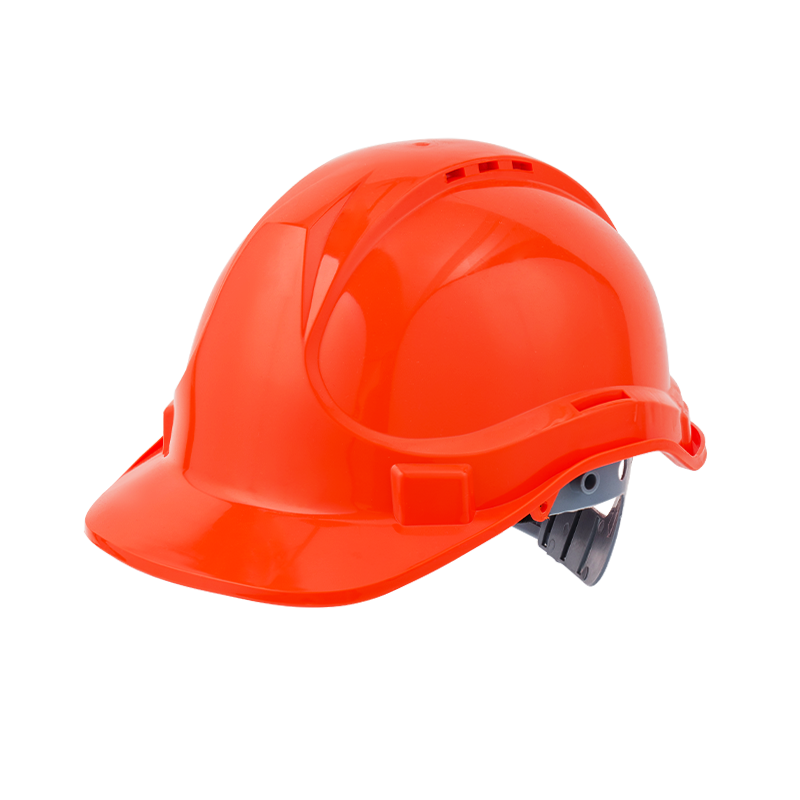
Improperly wearing a Safety Helmet not only reduces its protective performance but may even lead to more serious injuries. Specific risks include:
Limited Protective Performance: Safety helmets are designed based on specific stress points and angles. If worn incorrectly, the helmet cannot effectively distribute impact force, leading to protective failure during a fall or impact.
Abnormal Strength Distribution: Incorrect wearing methods can cause uneven stress distribution on the helmet, potentially causing it to crack or shatter upon impact, increasing the risk of secondary injuries.
Increased Risk of Suffocation: A helmet worn too tightly may compress blood vessels in the neck, while a helmet worn too loosely may fall off during a fall, resulting in loss of protection.
Impact Injury: Incorrect wearing methods can cause the helmet to shift or rebound upon impact, increasing direct injury to the neck, head, or face.
Obstructed Vision: If the helmet is worn too low or at an improper angle, it may obstruct vision, leading to inconvenience or danger.
Hearing Impairment: Wearing ill-fitting earmuffs or helmets can severely impair hearing, affecting the perception of alarms and vehicle horns, increasing the risk of accidents.
Pressure Damage: Prolonged wearing of an ill-fitting helmet can cause pressure pain, soreness, and even deformity in the neck, shoulders, and head.
Fatigue: Overly heavy or ill-fitting helmets can cause extreme fatigue, affecting work efficiency and judgment.
It is focused on the overall solution of dry bulk material port transfer system,
research and development,
manufacturing, and service
Contact Us
Contact UsMiss. Jenny
+86 136 5588 7720
sales8@hoyoungsafety.com
sales1@hoyoungsafety.com