Content
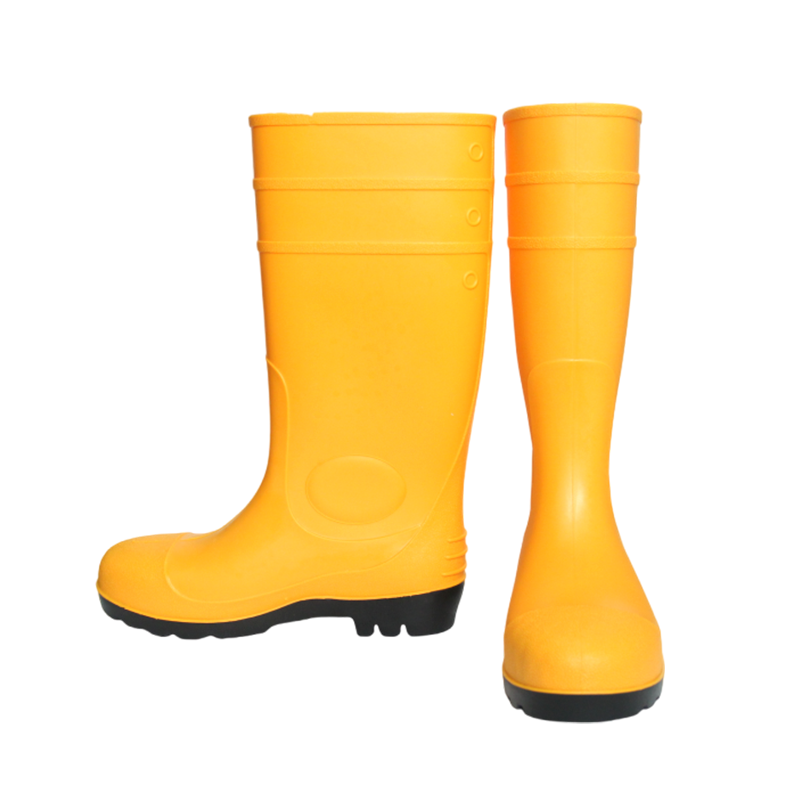
Safety shoes and protective footwear are not interchangeable terms. Safety shoes specifically refer to footwear designed with reinforced toe caps (steel, composite, or aluminum) to protect against impact and compression hazards, typically meeting ASTM F2413 or EN ISO 20345 standards. Protective footwear is a broader category encompassing safety shoes plus additional specialized footwear such as metatarsal guards, puncture-resistant soles, electrical hazard protection, and chemical-resistant boots.
In practical application, all safety shoes qualify as protective footwear, but not all protective footwear qualifies as safety shoes. For example, dielectric boots rated for electrical work without toe protection fall under protective footwear but not safety shoes.
Safety shoes are classified under two major international standards systems, with specific ratings indicating protection levels:
| Grade | Toe Protection | Impact Resistance | Compression Resistance |
|---|---|---|---|
| SB | Basic | 200 Joules | 15 kN |
| S1 | Closed heel + antistatic | 200 Joules | 15 kN |
| S2 | Water-resistant upper | 200 Joules | 15 kN |
| S3 | Midsole penetration resistance | 200 Joules | 15 kN |
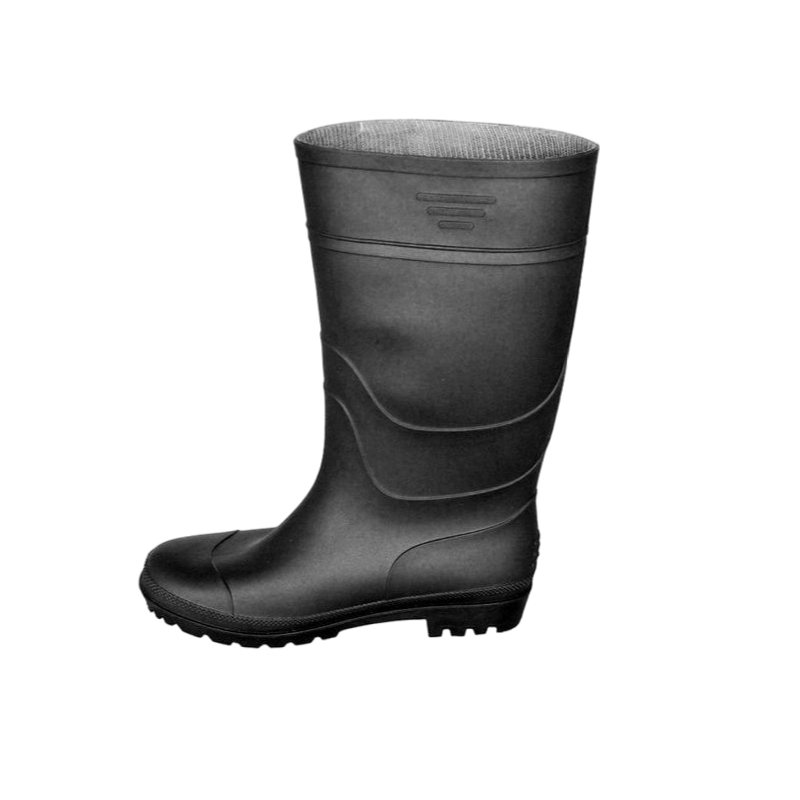
| S5 | All-terrain/rubber boots | 200 Joules | 15 kN |
Impact resistance ratings are clearly marked on ASTM-compliant footwear:
To identify the impact-resistance rating, examine the interior tongue label or sidewall markings. Look for the I/75 or I/50 designation combined with the ASTM F2413-18 (or current year) standard reference.
Selecting appropriate safety shoes requires matching protection features to specific workplace hazards. Below are evidence-based recommendations by sector:
Required features: S3 or S5 rating (EN ISO), steel or composite toe, puncture-resistant midsole (steel or Kevlar), oil-resistant outsole. Composite toes are 35% lighter than steel and do not conduct temperature, making them suitable for extreme weather conditions.
Required features: EH (Electrical Hazard) rating per ASTM F2413, non-conductive composite toe, dielectric properties rated for 18,000 volts at 60 Hz for one minute with no current leakage exceeding 1.0 mA. Avoid steel toes in live electrical environments.
Required features: Chemical-resistant leather or synthetic uppers (nitrile, PVC, or polyurethane), sealed seams, chemical-resistant outsoles. Nitrile outsoles resist up to 300°F and provide superior chemical resistance compared to standard rubber.
Required features: ESD (Electrostatic Discharge) or antistatic properties, slip-resistant SRC-rated outsoles, washable materials, closed-back design. ESD shoes dissipate static electricity between 100 KΩ and 100 MΩ, preventing damage to sensitive electronics.
Required features: S1 or S2 rating, energy-absorbing heels, slip-resistant soles (SRA, SRB, or SRC ratings), lightweight construction. Energy-absorbing heels reduce impact forces by minimum 20 Joules, reducing fatigue during prolonged standing.
Safety shoes should be replaced every 6 to 12 months under normal usage conditions, or immediately upon visible damage. However, replacement frequency varies significantly based on usage intensity and environmental factors:
| Usage Intensity | Daily Hours | Environment | Replace Every |
|---|---|---|---|
| Light | Less than 4 hours | Indoor, clean | 12-18 months |
| Moderate | 4-8 hours | Mixed conditions | 6-12 months |
| Heavy | 8+ hours | Construction/industrial | 3-6 months |
| Extreme | 12+ hours | Chemical/wet exposure | 2-3 months |
Critical replacement indicators include: visible compression or damage to the toe cap, sole separation exceeding 2mm, worn tread depth below 1.5mm, exposed steel components, or loss of water resistance. Impact-resistant properties degrade significantly after any major impact event, even without visible damage.
The optimal safety shoe balances protection, comfort, and longevity through strategic material selection. Current industry data supports the following material combinations:
Full-grain leather offers superior durability with 2-3 year lifespan under moderate use, developing protective patina. Microfiber synthetic materials provide 30% better breathability and reduced break-in time (typically 3-5 days versus 2-3 weeks for leather). Waterproof membranes (Gore-Tex or equivalent) maintain breathability while blocking water penetration up to 10,000mm hydrostatic head pressure.
Dual-density polyurethane (PU) midsoles provide optimal cushioning with shock absorption ratings of 20-30 Joules. Ethylene-vinyl acetate (EVA) midsoles offer 15% lighter weight but compress permanently after 6-8 months of heavy use. Rubber outsoles deliver superior abrasion resistance, lasting 40% longer than PU outsoles on rough surfaces.
Anti-static safety shoes are reliable when properly maintained and tested, but their effectiveness depends on consistent usage conditions and regular verification. The antistatic function works by maintaining electrical resistance between 100 kΩ and 1,000 MΩ (10^5 to 10^9 ohms), allowing controlled dissipation of static electricity while preventing dangerous sparks.
ESD (Electrostatic Discharge) shoes, used in electronics manufacturing, operate within a stricter range of 100 kΩ to 100 MΩ. These shoes can reduce body voltage generation from typical 3,000-5,000 volts to under 100 volts, protecting sensitive components rated for 100V HBM (Human Body Model) or lower.
Critical reliability factors: Contamination with dirt, grease, or floor coatings can increase resistance beyond safe limits. Testing with a surface resistance meter should occur monthly in critical environments. The conductive path requires contact between the foot, sock (natural fibers preferred), insole, and outsole. Wearing non-conductive insoles or thick synthetic socks can compromise function by 50% or more.
Replace antistatic shoes immediately if resistance testing shows values outside specified ranges, or if the conductive elements show visible wear. Standard antistatic properties degrade significantly after 6 months of daily industrial use.
Minor repairs such as lace replacement or insole renewal are acceptable. However, never repair structural components including toe caps, midsole plates, or puncture-resistant layers. Any damage to protective elements voids compliance certification and requires immediate replacement.
Polyurethane midsoles and outsoles undergo hydrolysis when stored in humid conditions, degrading after 3-5 years regardless of use. Store unused safety shoes in dry, temperature-controlled environments (15-25°C) with silica gel desiccants to maximize shelf life.
Yes. Steel conducts temperature significantly faster than composite materials. In environments below -10°C, composite toe caps maintain interior temperatures 5-8°C warmer than steel equivalents. For extreme cold, select insulated safety boots with composite toes and Thinsulate or equivalent insulation rated for -40°C.
Safety shoes are engineered for workplace protection, not athletic performance. They typically weigh 1.2-1.8 kg per pair versus 0.6-0.9 kg for hiking boots. The rigid structure restricts ankle mobility by approximately 30% compared to athletic footwear. Use purpose-designed footwear for recreational activities.
Authentic EN ISO 20345 shoes display a CE mark with a four-digit notified body number. Verify this number against the EU NANDO database. ASTM F2413 compliant footwear includes the standard designation, year, and specific impact/compression ratings printed permanently on the shoe. Counterfeit safety shoes often lack proper marking or display incorrect standard references.
It is focused on the overall solution of dry bulk material port transfer system,
research and development,
manufacturing, and service
Contact Us
Contact UsMiss. Jenny
+86 136 5588 7720
sales8@hoyoungsafety.com
sales1@hoyoungsafety.com