 English
 Español
 عربى

Industry News
Home / News / Industry News / Blue Traffic Cones Explained: Site Meanings, Materials and Bulk Buying Tips
Content
A row of blue traffic cones in a distribution yard or under a bridge almost always pulls the same question out of a passing driver: what are those for? On most public roads blue is not a standard work zone colour, and that is precisely the point. Blue is chosen when a site wants a cone to say something different from the orange taper that tells traffic to shift lanes.
The short answer first: blue traffic cones are best treated as a special-purpose marker rather than a general channelizing device. Buyers order them most often to flag low overhead clearance, to outline a temporary accessible route for pedestrians, or to follow an internal company colour code that separates one hazard class from another. Get the meaning wrong and the cone becomes decoration. Get the height, the base mass and the reflective band right and it does real safety work, whatever the shell colour happens to be.
This guide is written from the production side. We manufacture PE, PVC and rubber traffic cones alongside warning lights and personal protective equipment, and we ship to distributors, wholesalers and contractors across Europe, North America, South America and Southeast Asia. That position gives us a view of both ends of the question: what buyers ask for when they specify blue, and what actually survives a full season on a construction site.
Before the details, here is the rule that covers most of the confusion. Decide what blue means on your site, write it into the traffic control plan or the site induction pack, and never let two meanings share the same project.
Cone colour is a language with a small vocabulary. In countries that follow the Manual on Uniform Traffic Control Devices, orange is the prescribed colour for channelizing devices in temporary traffic control zones, with fluorescent yellow-green reserved for pedestrian and school areas and fluorescent pink for incident management. Blue does not appear in that list, so wherever it shows up its meaning is local: a city practice, an airport or port rule, an internal site standard, or a convention borrowed from a completely different marking system.
That is not a weakness. It means blue is available for jobs that the through-route palette cannot cover, as long as somebody writes the definition down.
The most common intended meaning is a low overhead obstruction: bridge undersides, scaffold decks, conveyor crossings, pipe racks, mezzanine edges, temporary hoarding, or the raised canopy of a loading dock. A single blue cone, or a pair of them, is placed ahead of the obstruction so that a driver or a machine operator reads "watch your height" before the cab reaches the beam.
A cone on its own cannot state a number. If the clearance is 3.8 m and a high-cube trailer runs at 4.1 m, a blue cone without a height plate is only a hint. Pair it with a clearance bar or a sign showing the limit, and place the cone far enough back that the driver still has room to stop or divert. On busy yards a short taper of two or three cones leading to a height sign works better than one lonely marker.
Blue earns its place here because it separates the clearance marker from the orange taper guiding traffic through the work zone. A driver who is already tracking an orange line can pick out a different colour ahead without re-reading the whole scene, and a pedestrian walking the same route learns the difference within a day.
In several jurisdictions blue is the colour associated with accessible routes and accessible parking bays, so a blue cone or a blue-and-white barricade is used to outline a temporary walkway that keeps wheelchairs, pushchairs and mobility scooters away from vehicle paths. Where a footway is closed, blue cones can define the detour while orange barrels separate that detour from live traffic.
This convention is not universal, and it is not something a supplier can decide for a contractor. Confirm the practice with the local highway authority or with the project's traffic control designer before you place an order, because a blue cone on a public footway that nobody has authorised can be removed by an inspector or ignored by the public.
Blue also carries a fixed meaning in underground utility marking. In the colour code used widely across North America for buried services, blue marks potable water. A blue cone, flag or stake near a water main excavation is communicating the utility, not the traffic. On a site where both an accessible route and a water main renewal are running at the same time, two blue meanings collide and neither one is reliable any more.
The fix is a legend: a single page in the site induction pack that states blue cones mean this, and nothing else. Where two blues are genuinely unavoidable, change one of them. Use a different cone height, a different sign, or a different colour altogether, and tell the crews which is which.
Buyers occasionally ask for blue because it looks sharper than orange, or because a client's brand colour is blue and the cones are going on a sponsor wall. It is worth being blunt about the limits. On public roads, portable warning devices are usually expected to match a national specification, whether that is the MUTCD in the United States, EN 13422 in Europe, or a state and municipal amendment layered on top. Those documents spend most of their text on height, base stability, retroreflective area and colour fastness, and they tend to fix the shell colour as orange or fluorescent orange for good reasons connected to driver expectation and reaction time.
A blue cone standing on a public carriageway can therefore be read as a non-compliant device. Inspectors may ask for it to be removed, and if an incident is investigated afterwards, an unusual colour with no written justification in the traffic control plan is uncomfortable to defend. None of this makes blue useless; it simply locates the job. Blue belongs on private property, on controlled sites, and in places where the cone is not the primary legal traffic control device.
| Colour | Common meaning | Where it appears most |
|---|---|---|
| Orange | Work zone channelizing and lane guidance | Public road works, tapers, lane closures |
| Blue | Low clearance, accessible route, or potable water utility | Yards, ports, bridge undersides, footway detours, excavations |
| Green | Route open, entry point, direction of travel | Some regional work zones, event parking, venue access |
| White | Boundary, parking guidance, special event marking | Car parks, private estates, ceremonial routes |
| Yellow | General caution or trip hazard | Warehouses, industrial sites, temporary warnings |
| Red or pink | Temporary survey marks, incident response zones | Survey layouts, emergency scenes, utility works |
Treat that table as a summary of common practice rather than a rule book. Colour meanings shift between countries and sometimes between neighbouring authorities, which is why the first question a good supplier asks is not "what colour?" but "what is the cone supposed to tell people?" Once that answer is on the table, the colour, the height and the reflective band usually follow without argument.
The commercial consequence is straightforward. If a distributor fills a container with blue cones on the strength of one customer request, that colour becomes stock that only sells into a narrow set of projects. Mixed loading, with orange as the volume line and a pallet or two of blue held for specific accounts, moves faster and ties up less working capital.
Height is the first specification to settle, because it settles more than appearance. A taller cone stands above spray, snow and low vegetation, catches a driver's attention earlier and lifts the retroreflective band closer to eye level. A shorter cone suits tight indoor spaces and pedestrian scale, where a 90 cm cone in a doorway is a trip hazard rather than a warning.
The chart below lines up the heights we mould most often against the settings each one tends to serve, so you can match the size to the space instead of matching it to habit.
Common cone heights and the settings they typically suit
The pattern is simple once it is laid out: as the space gets faster and wider, the cone gets taller. For a yard where forklifts move at walking pace, 50 cm or 70 cm is usually enough to define a walkway or protect a corner, and the shorter profile means fewer knocked-over cones at shift change. On a site road where vans and lorries move at 30 km/h or more, 75 cm and 90 cm cones give the driver a longer detection window, which matters far more at dusk than at noon.
Height and base mass have to travel together. A 90 cm cone on a light base topples more easily in wind and after a clip from a mirror than a 70 cm cone on a rubber base, and a fallen cone stops communicating anything at all. If the surface is smooth concrete and the site is exposed, the taller cone usually needs the heavier base to earn its extra height.
Our own moulds cover 45 cm through 90 cm in both PE and PVC, which means a site can standardise on one colour and one fixing method while still scaling the cone to each zone rather than forcing a single size everywhere.
At 45 cm and 50 cm, cones are working at human scale. They suit shop floors during a refit, hospital corridors, exhibition halls, cable runs across a walkway and queue management outside an event gate. The reflective band still matters indoors, because plant rooms and warehouses are often lit unevenly and a cone in a shadow reads as a dark lump until it is close.
At 70 cm, a cone is tall enough to be seen over the bonnet of a van and short enough to be moved by one person without a trolley. This is the size most private yards settle on for marking loading bays, protecting fire points and separating pedestrian routes from vehicle routes. Pairing a 70 cm PVC cone with a rubber base gives a marker that bends when it is hit and stays where it was put when the wind picks up.
At 75 cm and 90 cm, cones are doing the job that a road user expects: standing up in a long approach zone, holding a reflective band at windscreen height, and surviving a strike without turning into debris. A 900 mm cone is the usual choice for the approach to a bridge underside, a motorway-adjacent site entrance or a temporary diversion where vehicles are still carrying speed.
 900 mm Reflective PVC Traffic Cone with BaseA 900 mm reflective PVC cone for longer approach zones and low-clearance marking, with flexible body and stable black base.View Product →
Where a blue cone is being used to mark low clearance rather than to channel traffic, the taller shell is almost always correct, even on a slow site. The point of that cone is to be noticed by a driver who is thinking about the beam and not about the ground.
Material decides what happens in the two seconds after a van clips a cone. It also decides how the cone behaves in cold weather, how it stacks in a warehouse and how much a container costs to ship. There is no single best material; there is only the material that fits the way the cone will be treated.
Polyethylene cones are moulded in one piece, light to carry, and the most economical way to put a large number of markers on the ground. They hold colour well, wipe clean, and stack tightly for transport, which is why they turn up so often at events, in car parks and on short-duration indoor works. The trade-off is memory. After a hard impact, PE tends to stay deformed or split, and in sub-zero weather it becomes noticeably more brittle. For controlled sites where cones are placed and collected by the same crew every day, that is a fair trade.
 50 cm PE Traffic Cone for Road SafetyAn economical 50 cm PE cone for car parks, events and short-duration works, offering reflective visibility and a stable injection-molded black base.View Product →
A 50 cm PE cone is a sensible default for car parks and warehouse aisles, and it is the size most wholesalers keep in stock because it sells across so many settings.
Flexible PVC cones are built to be hit. The shell bends under the wheel, the base takes the load, and the cone springs back into shape once the vehicle has passed. They are heavier than PE, which helps in wind and against the wash from passing lorries, and the surface takes a reflective sleeve cleanly and holds it through rain. PVC also handles cold better than PE in most practical work-zone temperatures, though no plastic enjoys being run over repeatedly at speed.
Rubber cones and rubber-based cones are the heavy end of the range, used where wind, jet blast or continuous traffic makes a light cone unreliable. They stay put, they absorb impact quietly and they do not skate across wet concrete. The cost is handling: a rubber cone is tiring to move in bulk, so crews tend to set them once and leave them, which is exactly the behaviour you want at a long-duration closure.
A flexible shell on a light base will still fall over in a gust. A rigid shell on a wide, weighted base will stay upright and keep its reflective band facing traffic. When you compare suppliers, ask about base dimensions, base weight and whether the base is a separate moulding or part of the same shot. Also ask whether the base is virgin compound or recycled, because recycled rubber bases vary between batches and can smell strongly in a closed container during a hot crossing.
One point specific to blue: the same shade is not guaranteed across materials. A blue masterbatch that looks right in PE can read slightly greener in PVC because of the different base polymer and processing temperature, and rubber compounds shift the tone again. If a client needs blue cones, blue barricades and blue signage to match, request samples of all three in the same batch before signing off.
Blue is a dark colour. In terms of luminance, a plain blue cone sends far less light back to a driver than an orange or white one, which is why a blue cone with no retroreflective band can fade into the dusk while the orange cones twenty metres away are still clearly visible. On a blue cone, the band is doing most of the work, and the shell is doing relatively little.
We went through the physics and the practical checks in our note on traffic cone visibility at night and in low-light conditions, and the short version applies directly to blue. Retroreflection depends on the sheeting returning light towards its source, so the band has to be clean, undamaged and correctly positioned to be useful.
Three practical points follow. First, specify a wide band rather than a narrow stripe, and consider two bands on a 90 cm cone so that at least one sits in a car driver's sight line and one in a lorry driver's. Second, treat the band as a wear part: once it is scuffed, mud-caked or sun-faded to a chalky grey, the cone has lost most of its night value even though the shell looks fine. Third, never paint over a reflective sleeve to refresh the colour, because paint kills the retroreflective effect and produces a cone that looks right in daylight and vanishes at night.
For a blue cone used to mark low clearance, it is worth adding a light source rather than relying on sheeting alone. A small battery or solar warning lamp clipped to a barricade above the cone will do more for a night shift than any amount of extra white banding on the cone itself.
Once blue moves from a single-site request into a purchase order, the questions change. Colour becomes a specification, the specification becomes a sample, and the sample becomes the thing everyone argues about when the container arrives. Distributors, importers and wholesalers who handle blue cones regularly tend to settle three issues before production starts: colour consistency, mould availability, and documentation.
Blue is harder to keep consistent than orange because it sits in a narrower part of the spectrum. Small changes in pigment loading, masterbatch dispersion or barrel temperature show up as visible differences under daylight, and a batch that looked right in the factory yard can look purple under a client's LED lighting. The practical answer is a physical standard: agree a colour reference, keep a signed first-article sample on file, and compare each production batch against that sample in the same light before packing.
Photographs are not a colour reference. A phone picture taken under a warehouse roof tells you almost nothing about pigment, and it is the most common source of disagreement in bulk cone orders.
Every height needs its own mould. Standard heights are available without tooling cost, while a new height means tooling, sampling and a longer lead time, which rarely makes sense unless the volume is large or the size is genuinely needed. Colour changes also carry a cost inside the factory: the injection machine has to be cleaned between runs, so a small order of blue cones produced between two orange runs will always carry a premium compared with blue running as a dedicated batch.
Ask for the paperwork before you ask for the discount. Cones destined for European or North American markets usually need conformity documentation and test reports covering base stability, colour fastness and retroreflective performance. ISO 9001 quality management and CE marking for applicable products are the baseline that serious buyers check, and a supplier who cannot produce them quickly is telling you something useful about the rest of the process.
Delivery planning matters just as much. Cones are bulky relative to their value, so container utilisation is where money is won or lost. Nesting and stacking, pallet height and the mix of heights in one load all change the landed cost per unit, and a supplier with an automated workshop and a stable moulding schedule can usually hold a delivery window far more reliably than one running manual shifts.
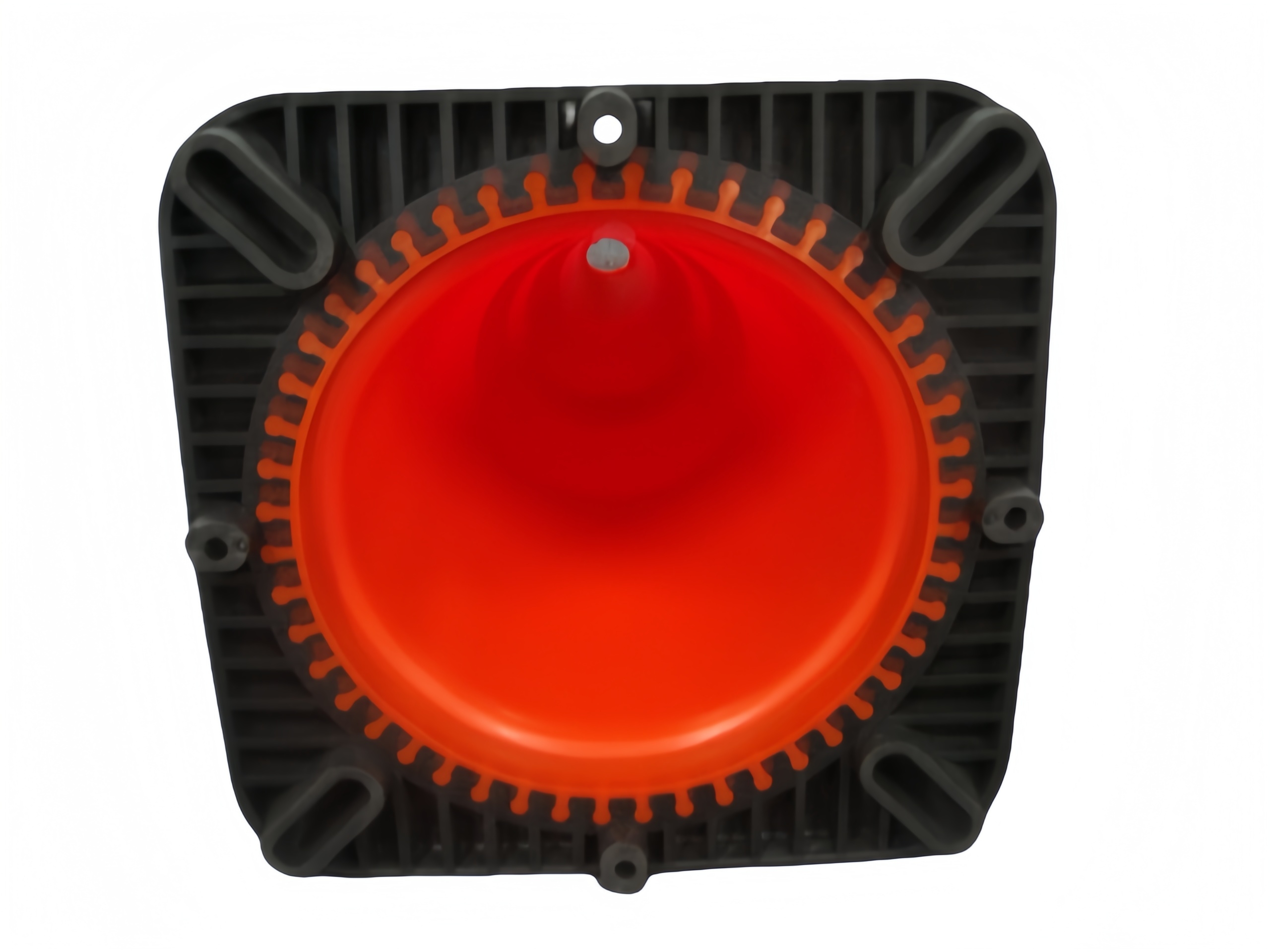 70 cm PVC Traffic Cone with Rubber BaseA 70 cm reflective PVC cone with rubber base for road separation and warning, offering flexible, weather-resistant performance and day/night visibility.View Product →
The 70 cm PVC cone with a rubber base is the volume line most of our distribution customers build their cone assortment around, with blue produced as a colour variant for specific accounts rather than as a standing stock item.
Buyers who handle cones regularly tend to run the same short list before releasing a balance payment. It takes ten minutes and saves arguments later.
The fourth and fifth items cause the most trouble. Reflective sheeting is often specified loosely as "reflective" and then arrives in a grade that is barely visible at night, and colour is agreed verbally and then disputed when the second batch lands. Both are avoidable with a written specification and a retained sample.
The last item is the one most buyers skip. A retained sample from the shipped batch turns the next order from a negotiation into a comparison, and it gives the factory a target to hit rather than an opinion to interpret.
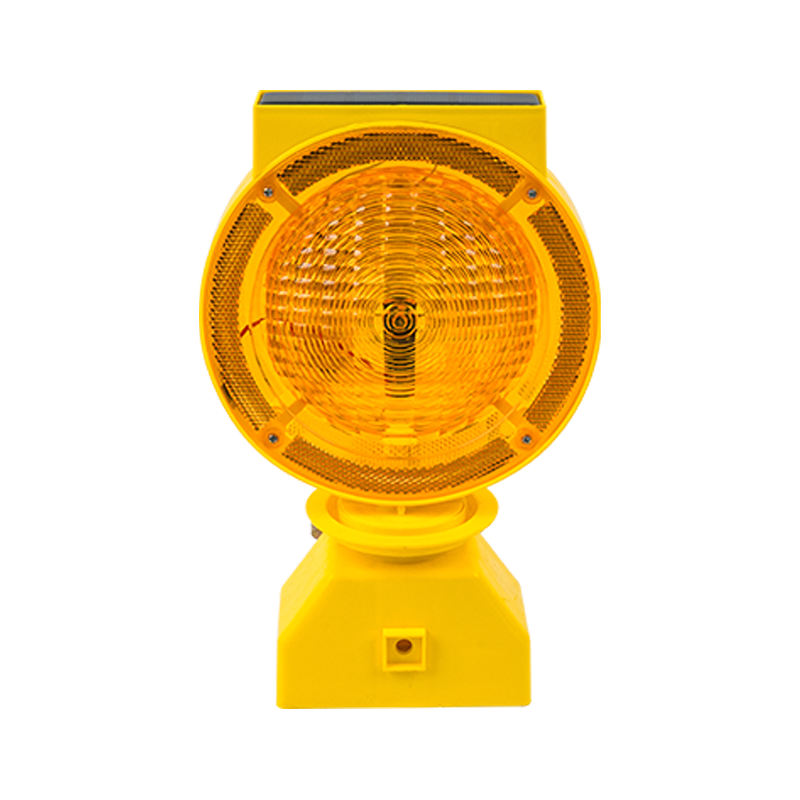
Cones rarely work alone. A low clearance marker is stronger when a warning lamp sits above it, a pedestrian detour reads better when the cone line is backed by barricades, and a night-time closure needs a light source that does not depend on a driver's headlights pointing the right way.
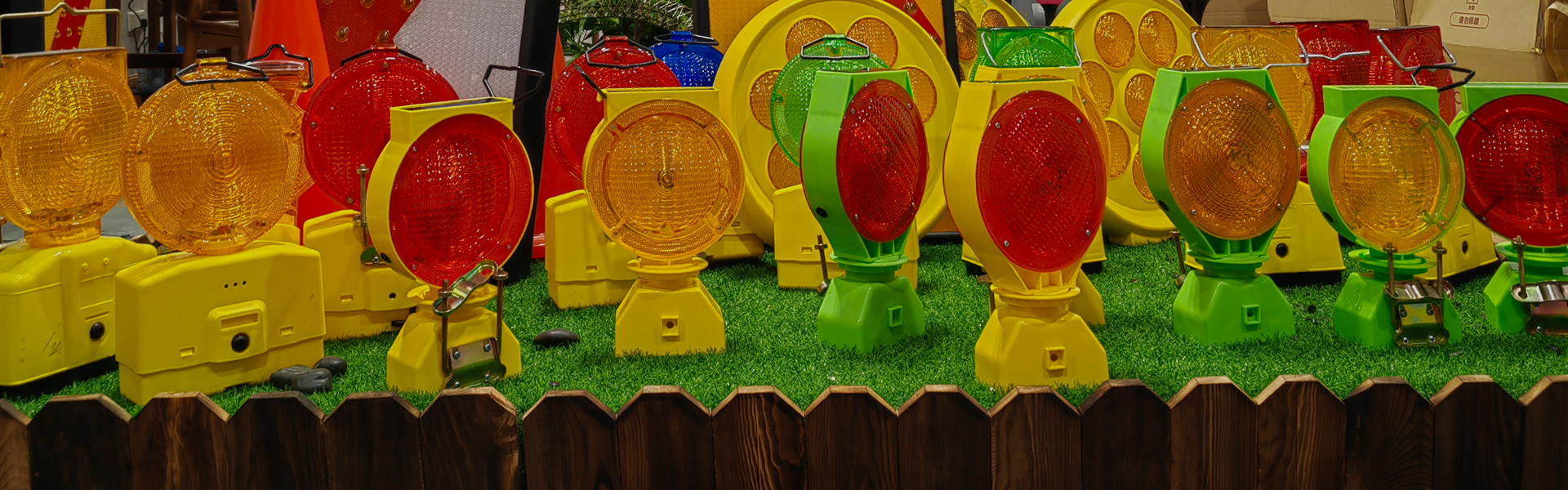
Solar warning lamps are the usual pairing for outdoor sites without a power supply, because they recharge through the day and run unattended through the night. Dual power models exist for sites where a run of cloudy days would otherwise leave the lamp dead, and they are worth the extra cost where the closure lasts more than a few nights. Battery-powered emergency lamps still have a place in tunnels, plant rooms and indoor works, where there is no sun to harvest and no cable to run.
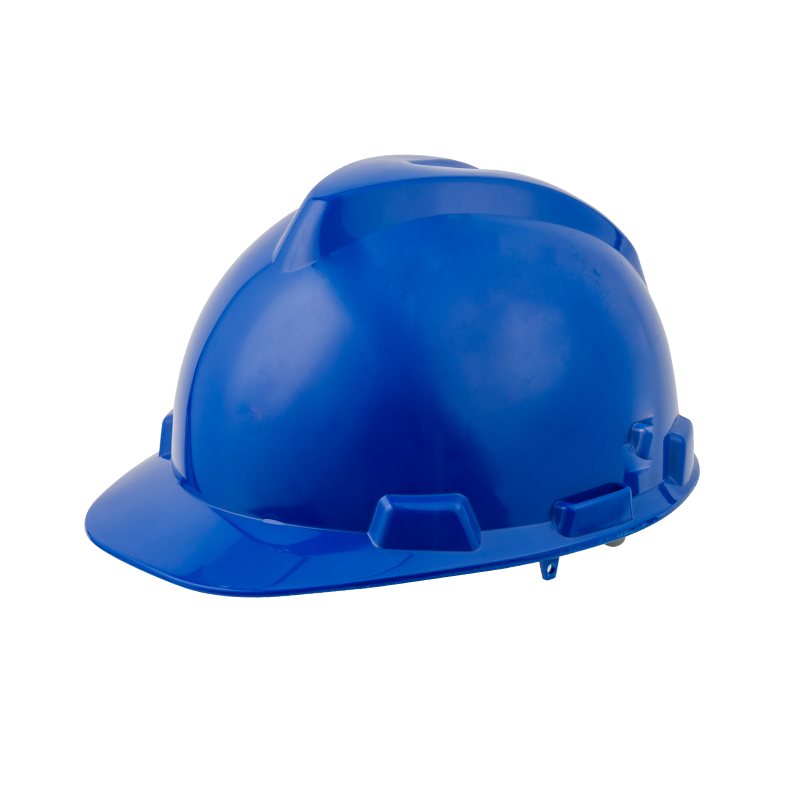
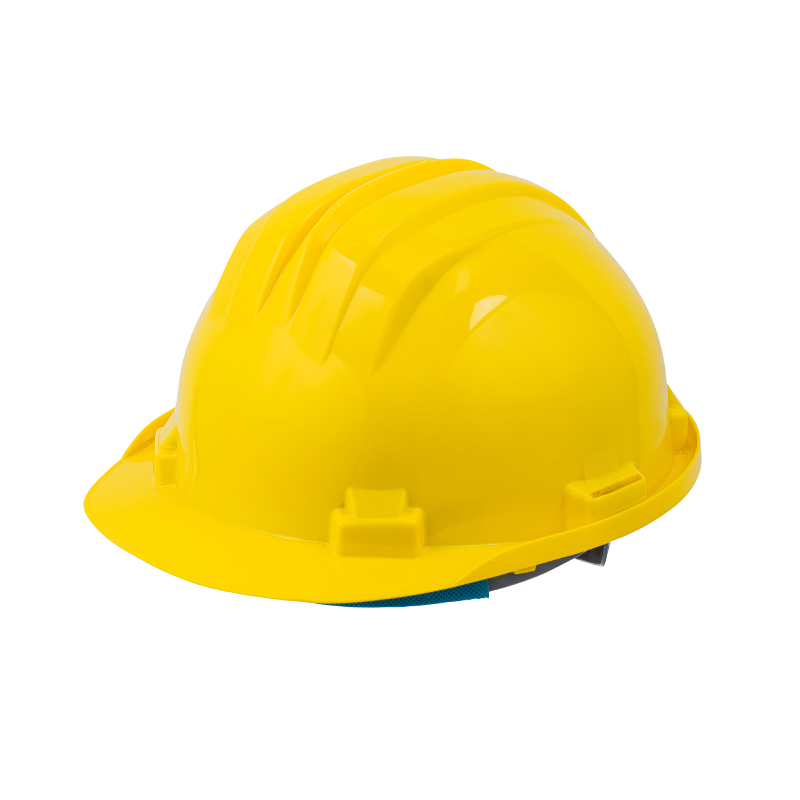
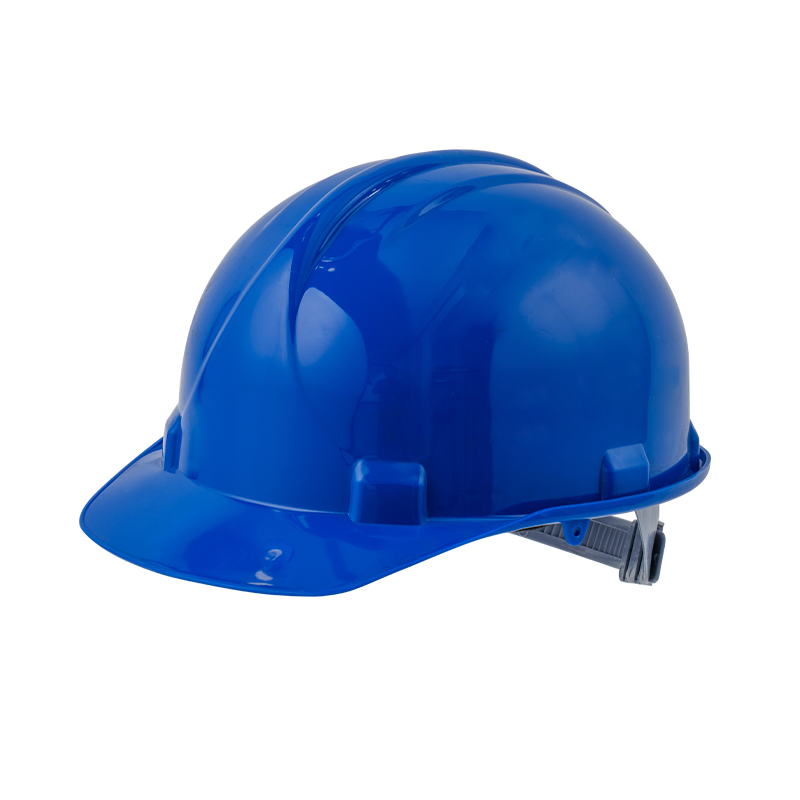
On the personal protection side, the same principle applies. A cone line protects the vehicle path; a helmet and a pair of safety boots protect the person who has to walk out and reposition that line in the rain. Crews who handle cones all day are on their feet on wet asphalt, which is why waterproof boots with a defined sole pattern are not a luxury on a road project. Distributors who supply both the traffic control side and the PPE side of a job can consolidate a single container and reduce the landed cost per item across both categories.
For a wholesaler, that combination is also a merchandising advantage. A contractor buying blue cones to mark a bridge underside usually needs warning lamps for the same closure, and often needs boots and helmets for the crew installing them. Stocking the four together, rather than referring the customer down the road, keeps the order intact.
In most places they are not accepted as the primary channelizing device on a public carriageway, because national specifications usually fix the colour for work zone devices. A blue cone may still be permitted as a supplementary marker where a traffic control plan justifies it and the local authority approves. Where public roads are involved, treat orange as the default and blue as the exception that needs a written reason.
In a car park it most often relates to accessible bays or an accessible route, or to an internal rule set by the site operator. Under a bridge or scaffold it usually marks low overhead clearance. Because the meaning is local, the cone should always be backed by a sign or a written site legend rather than left to interpretation.
For a yard where vehicles move slowly, 70 cm is workable but 75 cm reads better from a cab. For anything approaching road speed, use 90 cm and place the cone well back from the obstruction so the driver has stopping distance. In every case, add a clearance sign or height bar, because the cone alone cannot communicate a measurement.
Yes, within limits. Colour is controlled through the masterbatch, so a reference sample or a defined colour standard is the practical way to get consistency across batches. Logos and text can be applied by printing or hot stamping on the shell, though the printable area on a cone is small and the artwork has to survive handling, so keep the design simple and avoid fine detail.
They need them more than orange does. Blue has a low luminance factor, so a plain blue cone at night is far less visible than an orange one of the same size. A wide, clean retroreflective band, or two bands on a taller cone, is what makes the cone readable after dusk.
It depends on the height, the material and whether the colour is a standard line or a dedicated run. Standard heights in a non-standard colour usually carry a moderate minimum per size because the machine has to be cleaned between colours, while a new height adds tooling on top. Share your annual volume and destination port and the factory can confirm what is realistic rather than quoting a figure that will not hold.
Blue traffic cones are a small product carrying an unusually large amount of meaning. They warn drivers about a beam that is lower than the truck, they guide a wheelchair user around a closed footway, and they tell a ground crew where the water main runs. The colour is what makes them distinct; the height, the base and the reflective band are what make them work.
Sort those four decisions in order, write the definition down, and keep a retained sample of the shade you approved. Everything after that is routine production and routine shipping.
Need a colour-matched quote?
Send us the height, shell material, base type and target shade, along with your annual volume and destination port, and we will confirm mould availability and a realistic lead time. Contact the sales team to start the specification.
It is focused on the overall solution of dry bulk material port transfer system,
research and development,
manufacturing, and service
Contact Us
Contact UsMiss. Jenny
+86 136 5588 7720
sales8@hoyoungsafety.com
sales1@hoyoungsafety.com