 English
 Español
 عربى

Industry News
Home / News / Industry News / Class 3 Hard Hat Explained: The Old Term, Class E Today, and How to Buy
Content
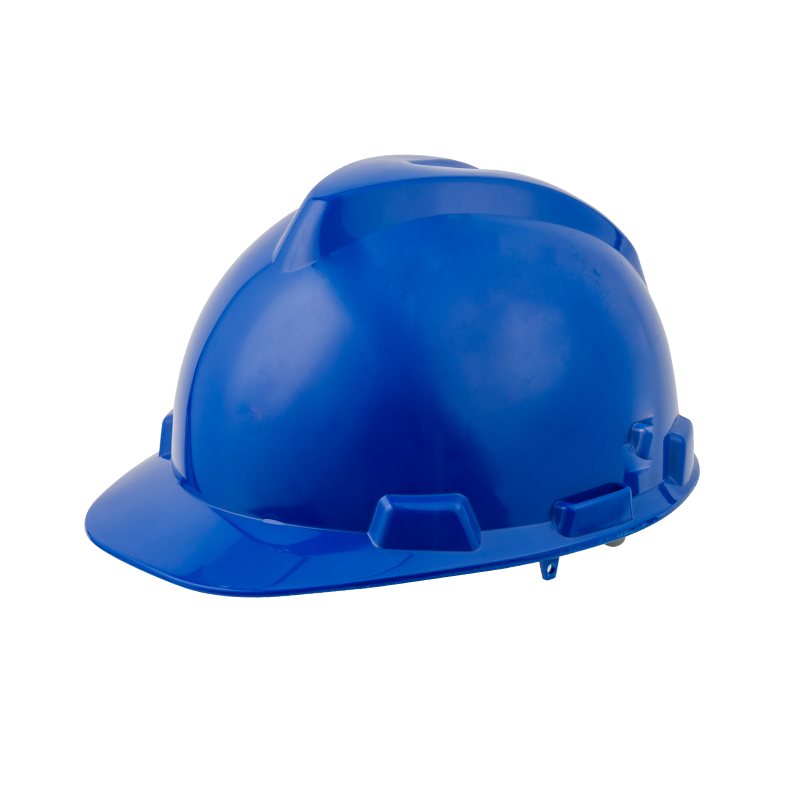
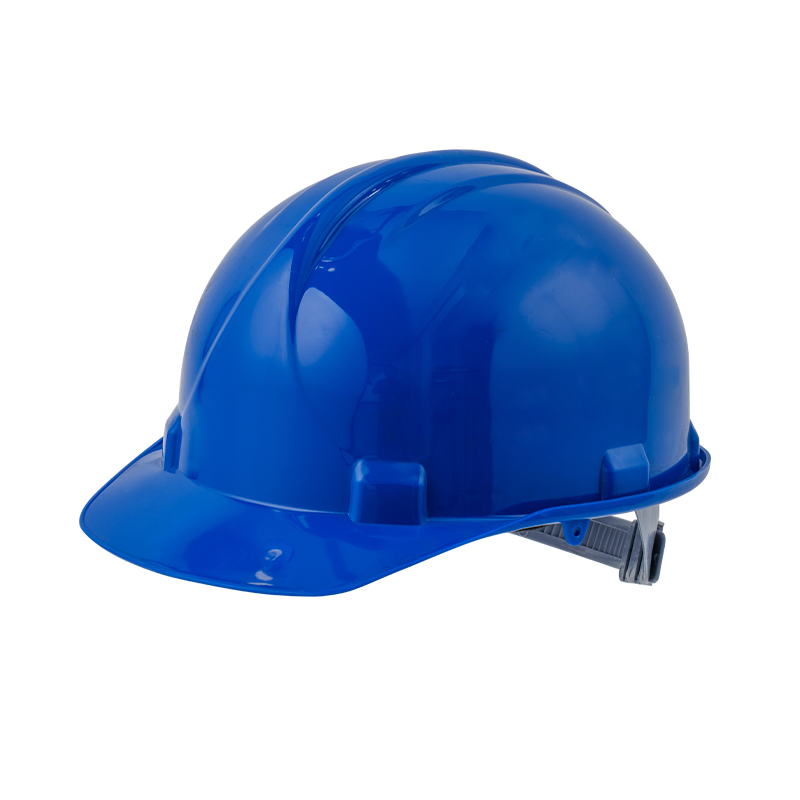
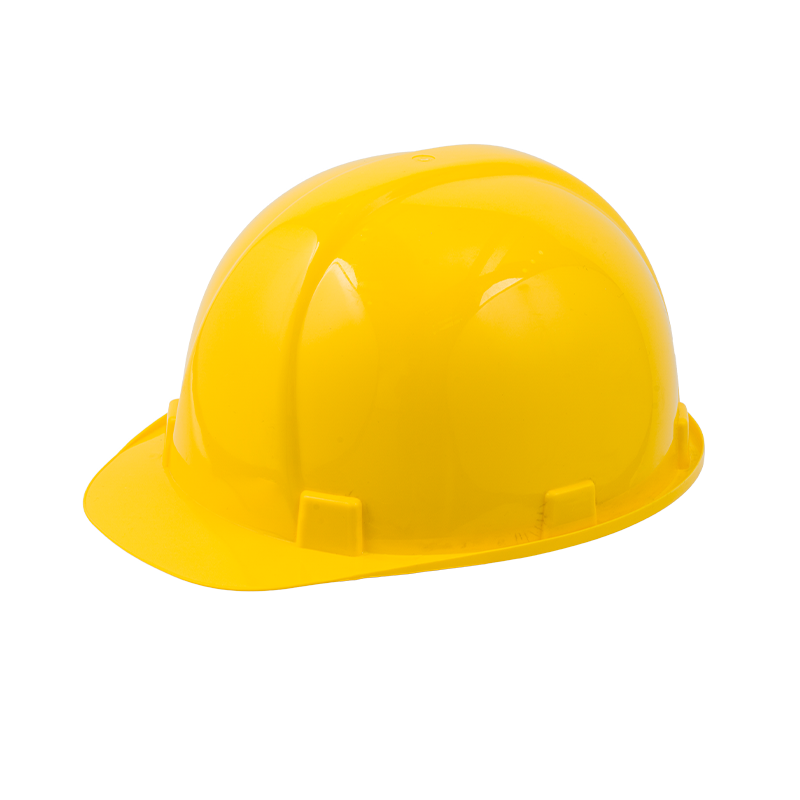
A buyer emails a two-line request: 500 class 3 hard hats, delivery to a substation upgrade, quote by Friday. It looks like a simple order until you try to match the wording to a standard. In the current edition of ANSI/ISEA Z89.1 there is no Class 3 hard hat. The classes are G, E and C. The one that sits at the top of the electrical scale, and the one almost every buyer means when they write "class 3," is Class E, a shell tested at 20,000 volts.
Getting that mapping wrong is not a paperwork problem. Send a vented Class C shell to an electrical contractor and the helmet that arrives protects against impact but nothing else. Send a European EN 397 helmet with the optional 440 V dielectric test to a buyer expecting 20,000 V and the gap is roughly forty-five times the protection they thought they had purchased.
What follows is how the term is used in the trade, how the classes actually differ in numbers, what to inspect on the shell and the paperwork before you sign, and how to brief a manufacturer so the container that lands at your port matches the job site.
The numbered class is a leftover. Older editions of the American head-protection standard, and the catalogs built around them, sorted helmets by letter and by ordinal habit at the same time. When ANSI/ISEA Z89.1 was revised in the late 1990s, the electrical designations settled on Class G (general, 2,200 V), Class E (electrical, 20,000 V) and Class C (conductive, no electrical rating). Several trade references still note that older material uses "class 3" when it means Class E. The number survived in translated spec sheets, tender annexes and reseller listings long after the standard moved on.
That history matters because the phrase travels further than the standard does. A helmet described as class 3 on a marketplace page could be a genuine Class E shell from a reputable factory, an older Class B shell from the 1980s sitting in a warehouse, or an EN 397 helmet with a 440 V option that a translator relabeled to sound stronger. Three very different objects, one three-word description.
Class E is a dielectric test, not a promise. The shell is subjected to 20,000 volts at commercial frequency for a set period without breakdown, and the helmet is marked accordingly. That protects against accidental contact with energized conductors, the kind of incident that happens when a ladder slips or a conduit is mislabeled. It does not make the helmet suitable for live-line work. Work on energized lines calls for insulating helmets built and tested to a different regime, such as EN 50365 for systems up to 1,000 V AC, where the helmet is part of a controlled insulating system rather than a piece of general PPE.
If the project is in Europe or follows European practice, the base standard is EN 397, which requires impact and penetration performance but only offers electrical insulation as an optional 440 V AC test. Canadian buyers work to CSA Z94.1, which uses the same G, E and C letters as ANSI. A buyer asking for a class 3 hard hat in Rotterdam and a buyer asking for the same phrase in Houston may be describing helmets whose electrical ratings differ by a factor of forty-five. The only reliable way to close that gap is a written figure on the specification sheet, not a class name.
Numbers make the choice easier than names do. The table below sets the three ANSI classes against their older letters, their electrical rating and the sites where each one fits. The second column matters mainly for surplus stock and legacy documents, where an old letter or number may still appear on a carton.
| Class | Older designation | Electrical rating | Hazard covered | Where it fits |
|---|---|---|---|---|
| Class G | Class A | 2,200 V | Impact, penetration and brief low-voltage contact | General construction, warehousing, light maintenance, logistics yards |
| Class E | Class B, often listed as "class 3" | 20,000 V | Impact, penetration and contact with higher-voltage circuits | Utilities, electrical contracting, substations, plant rooms, telecom power rooms |
| Class C | Class C | None (conductive by design) | Impact and penetration only | Work with no electrical exposure, hot climates, sites where venting matters more than insulation |
The distance between Class G and Class E is the one that changes budgets. A Class E shell costs more because of the shell material, the absence of ventilation openings, the wall thickness control and the testing itself. On a 500-piece order that difference is real money, which is exactly why some tenders quietly downgrade the requirement and hope nobody checks.
The chart below puts the same ratings on a single scale so the gap is visible rather than implied.
Read the bottom bar as a test condition, not a guarantee of safe contact. A shell that withstands 20,000 volts in a laboratory test still relies on the wearer keeping the shell intact, dry and free of cracks; moisture inside a scratched shell changes the outcome. That is why the practical conversation with a supplier should cover shell material, wall thickness consistency and the age of the stock on hand, not just the number on the label.
When a project calls for Class E, the confirmation has to come per model. In our own range, the HDPE shells are molded on 16 injection machines in a 5,000 square meter workshop, and the electrical status of any specific model is verified against test documentation before a quotation is issued. Treating a catalog page as proof is how mismatches start.
Class covers electricity. Type covers impact direction, and the two are chosen separately. A helmet can be Type I Class E or Type II Class E, and the difference shows up in side impact protection, shell geometry and often in whether a chin strap is fitted as standard.
| Feature | Type I | Type II |
|---|---|---|
| Impact coverage | Top of the head only | Top and lateral impact |
| Shell shape | Shorter brim, lighter shell | Deeper shell, often a rear brim and a retention strap |
| Typical use | General site work, warehousing, inspection | Confined spaces, work near moving equipment, sites with side-impact risk |
| Weight | Usually lighter | Usually heavier, depends on suspension |
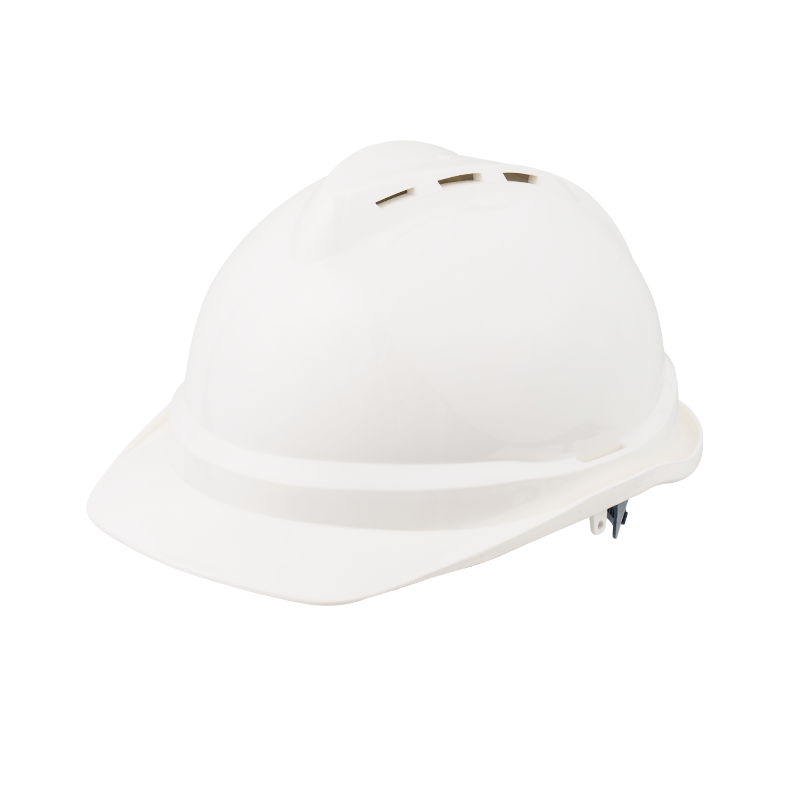
Ventilation is where type, class and comfort collide. Vented shells move heat, and heat is the reason many workers take a helmet off when nobody is watching. But ventilation openings are difficult to reconcile with a 20,000 volt dielectric rating, which is why vented models are generally aimed at Class C duty. If the job includes electrical exposure, the honest answer is to accept a warmer unvented shell and manage heat through suspension design and hydration rather than through holes in the shell.
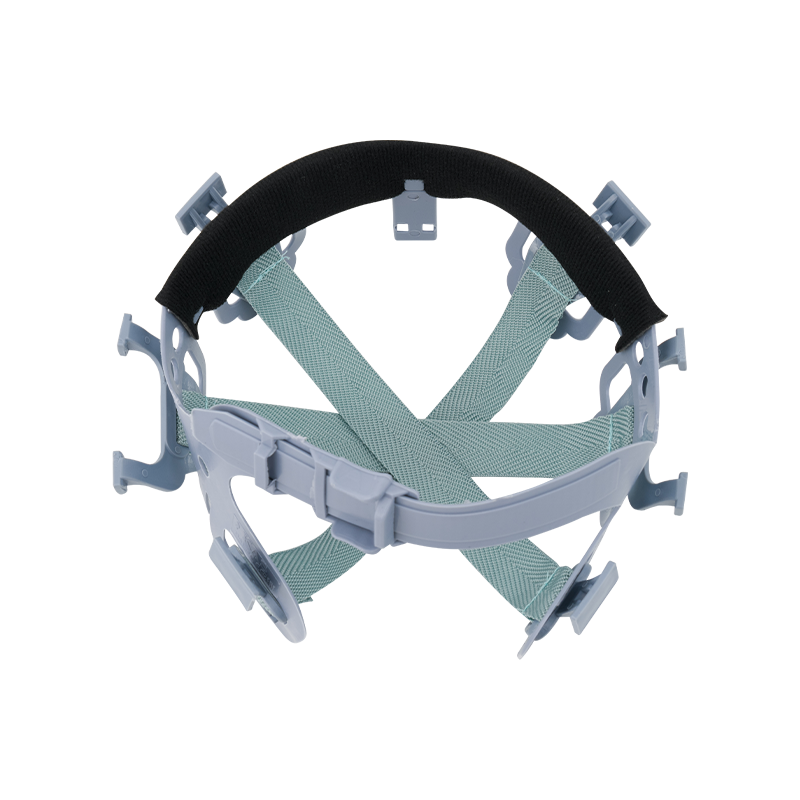 SH102 Ventilated Six-Point Suspension Safety HelmetA CE EN397 HDPE helmet with six ventilation holes and six-point suspension, suited to hot workplaces where vented Class C head protection is appropriate.View Product →
Models such as our SH102 six-point suspension helmet sit on the comfort side of that trade-off: the ventilation and the six-point harness keep the shell stable and cooler across a long shift, which suits warehouse crews, road maintenance teams and yard staff. For a substation crew, the same buyer would be pointed toward an unvented shell with the electrical documentation attached. Both are legitimate products; the mistake is ordering one and describing it as the other.
Not every class 3 on a site is about head protection, which is one reason the phrase creates so much confusion at the procurement desk. High-visibility garments, cut-resistant gloves and chainsaw trousers all carry class and level numbers of their own, and a site manager listing PPE for a road crew can easily merge two product lines into one line item.
Under ANSI/ISEA 107, garments are sorted by type (O, R and P) and by performance class 2 or 3, where class 3 means the highest coverage of background and retroreflective material. Under EN ISO 20471 the parallel scale runs from class 1 to class 3. A reflective vest printed with "Class 3" is describing visibility, not electrical protection. Anyone reading a PPE schedule quickly could carry that label across to the helmet column without noticing.
Chainsaw protective clothing uses classes 1 to 3 for cut resistance in leg protection, and cut-resistant gloves carry their own level scales under ANSI/ISEA 105 and EN 388. A forestry crew ordering a full kit may well have class 3 written in three different rows of the same spreadsheet, referring to three different tests.
Arc-rated clothing is sorted by arc rating in calories, and by PPE category. Head protection for electrical work is a separate decision, and a common approach is an unvented Class E shell paired with an arc-rated hood or face shield. Adding a metal accessory to a Class E shell without checking can undo the rating, which is a detail worth writing into the site rules rather than leaving to habit.
Walk through the ways a class 3 hard hat request reaches a supplier and the risk profile of each one becomes obvious. The words are usually the same; the object behind them rarely is.
The commercial risk splits in two directions. Buy Class C when the site needed Class E and you carry the liability for a foreseeable hazard. Buy Class E for a crew that only needed Class G and you have spent money on electrical insulation the job never used, sometimes at the cost of comfort that keeps helmets on heads. Neither is good procurement; both are avoidable with one written question.
There is also a documentation risk that buyers underestimate. Imported shipments can be held or rejected when the markings on the shell do not match the paperwork: a stated class with no standard reference, a date of manufacture that is missing, a certificate covering a different model. Customs officers and safety auditors both look at labels, and they look at them closely.
Verification is a twenty-minute job on a sample, and it saves weeks on a container. Start with the markings inside the shell, which should sit on a label that will survive cleaning rather than on a sticker that peels in the first month.
Then check the paperwork beneath the label. A CE declaration or an ANSI test report should reference the same model code that appears on the carton, and the report should come from a recognized laboratory rather than an internal template. A supplier who cannot produce a report for the exact model usually cannot produce one for the batch either.
Two practical tests round out the check. Flex the brim gently: a shell that creaks sharply or shows stress whitening may have been stored badly. Then weigh and compare a sample from the current production run against the approved sample you kept from the first order, because a two-year-old approval is only useful if the shell still matches it.
Precision at the order stage removes most of the disputes that follow. A helmet specification that runs to eight lines is far cheaper than a rejected shipment, and it gives the factory something unambiguous to work from.
Two tolerances are worth naming explicitly because they cause most arguments. Colour tolerance, since a "yellow" that arrives a shade off is difficult to defend to a client who ordered high-visibility consistency across crews. And dimensional tolerance on the accessory slots, since a millimeter of drift makes third-party attachments either loose or impossible to fit.
Finally, agree on the replacement policy in writing. Buyers who re-order annually should know how the manufacturer handles a batch with a molding defect found after delivery, and whether spare parts such as liners and sweatbands are stocked separately.
Once the specification is settled, the supplier question becomes practical: who can hold the same shell dimensions, the same material and the same documentation across repeat orders. That is a different question from who has the lowest price on a marketplace page today.
Our own setting is a factory in Ningbo, Zhejiang, on the coast where port access shortens the distance between production and export. We have been in plastics since 2014, registered as a company in 2018, moved to a new plant with 16 injection machines in 2022, and moved to an automated workshop in 2023, with a separate sales company set up in 2024. The facility runs to about 5,000 square meters, and the automation is the reason the shell-to-shell consistency holds rather than drifting across a long run.
For head protection, the range covers HDPE shells with different emphasis. The SH100 is built around penetration resistance, which suits demolition, scrap handling and sites where offcuts and rebar ends are a live risk.
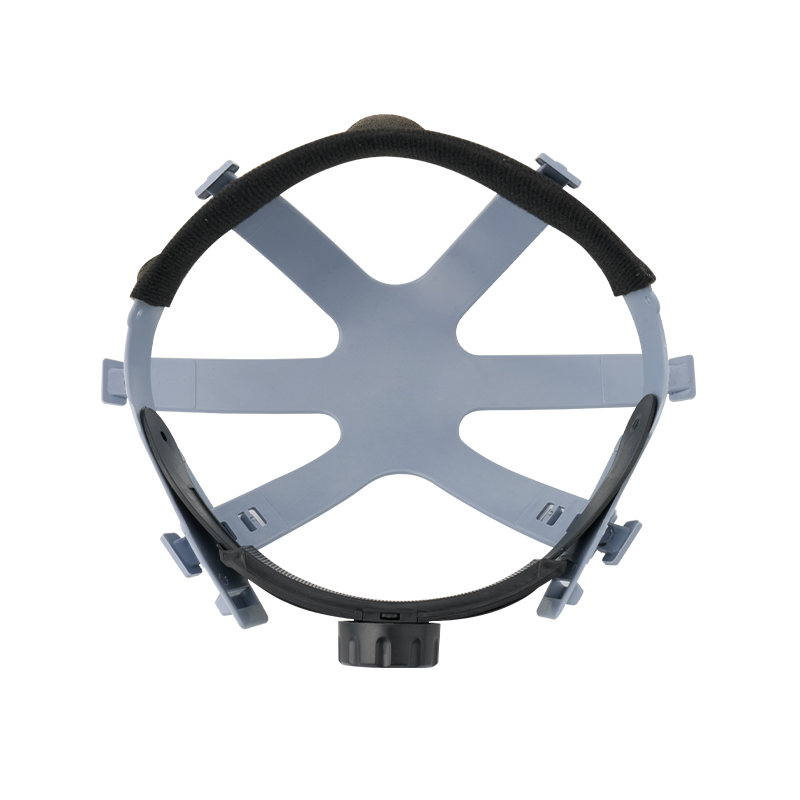 SH100 Penetration Resistant HDPE Safety HelmetAn HDPE helmet focused on penetration resistance and impact dispersion, offered with several suspension options for demolition, scrap handling and construction sites.View Product →
The SH118 uses a six-point suspension for stability across long shifts, and the SH120 adds a crimping gutter for rain runoff, which matters in tropical and maritime climates where water tracking into the shell is a daily nuisance. Accessories, liners and replacement parts are handled as a separate line so buyers can restock without re-ordering whole helmets.
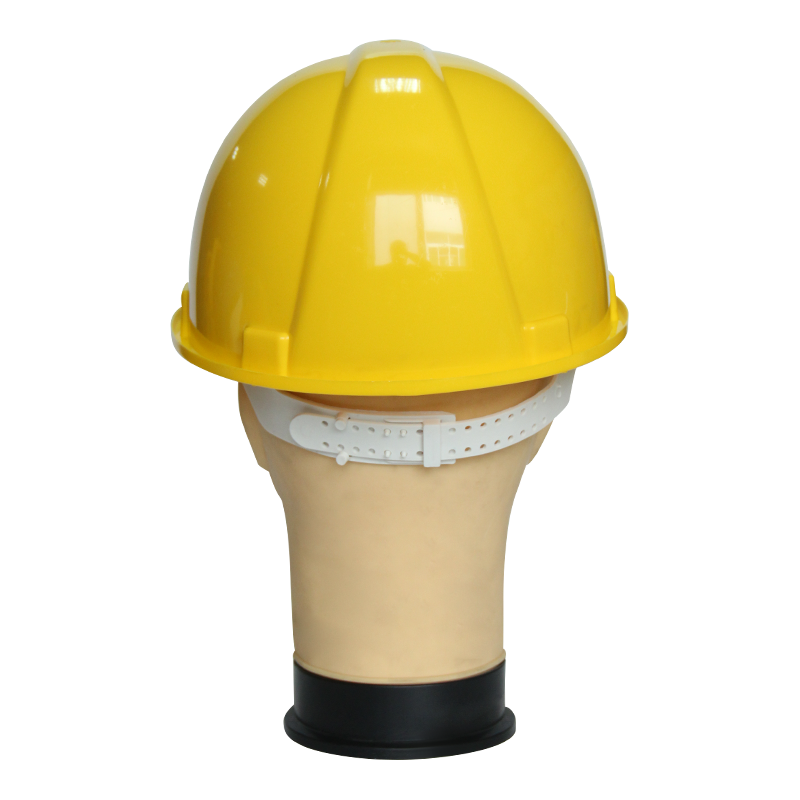 SH118 Lightweight Six-Point Suspension HDPE Safety HelmetA CE-certified HDPE helmet with six-point suspension, positioned as an economical choice for construction head protection and long-shift stability.View Product →
The answers tell you more than a certificate scan does. A supplier who knows the slot tolerance and the colour minimum is running a real production line; one who answers only with a price is passing a listing along. It is also fair to ask for a factory visit or a video walkthrough, and any serious manufacturer will welcome it.
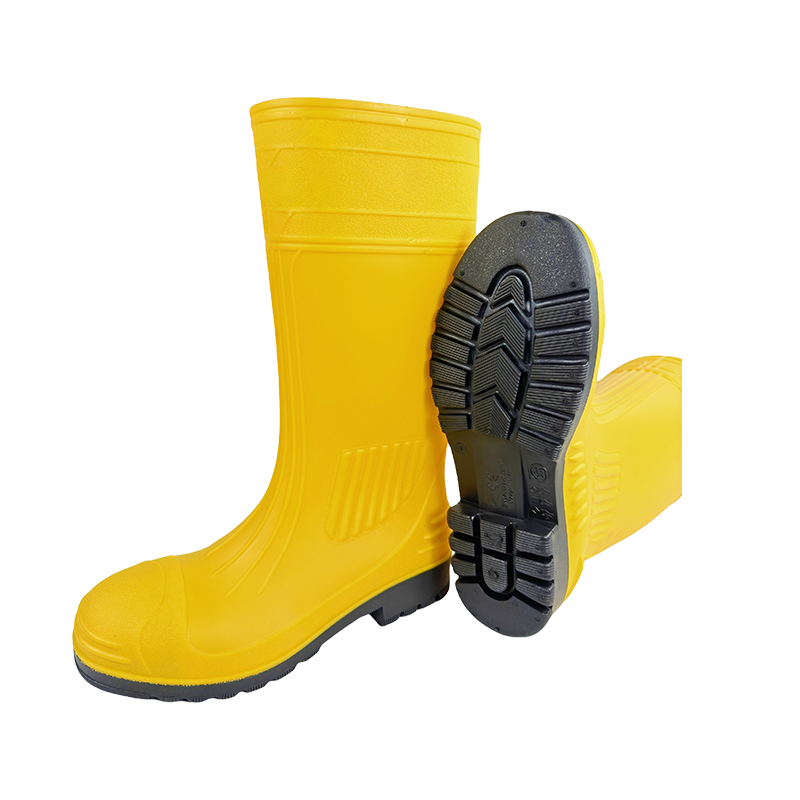
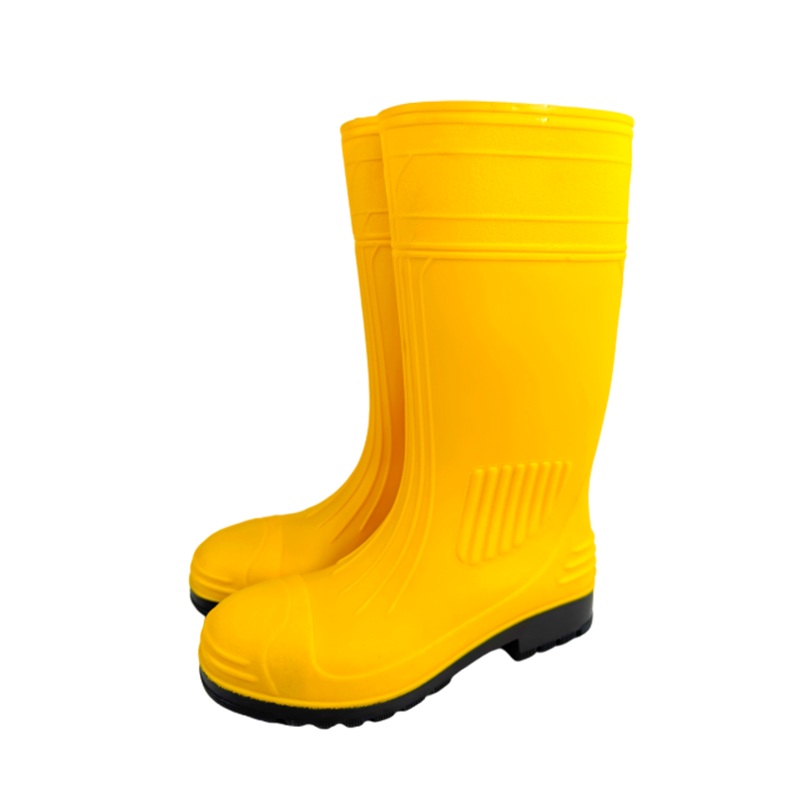
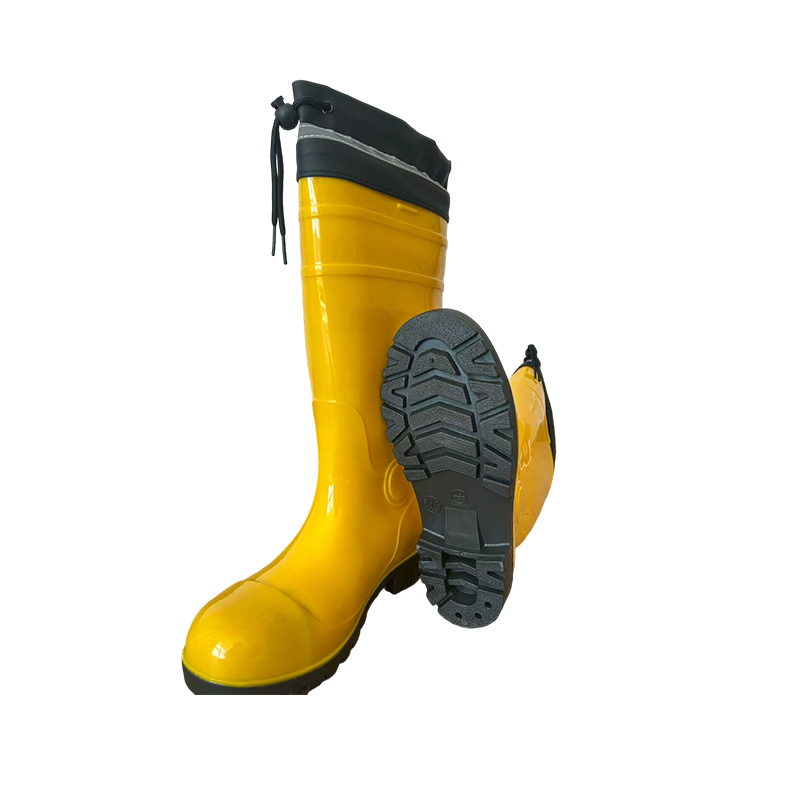
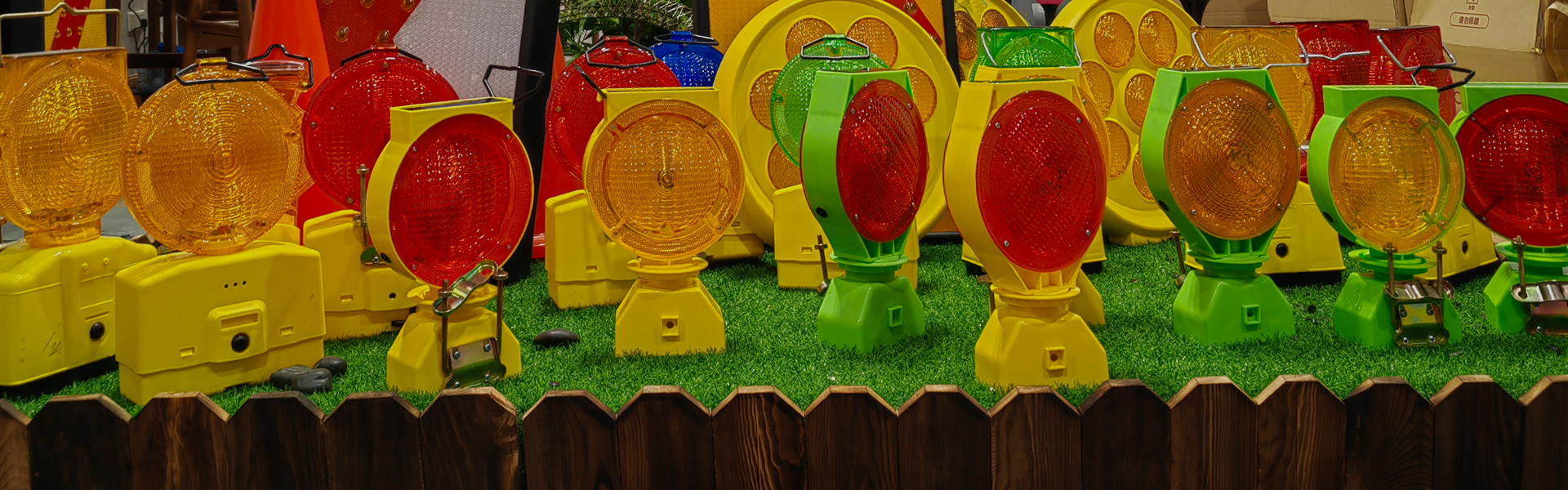
Head protection rarely ships alone. A road crew order usually includes cones, warning lights and boots on the same purchase order, and sourcing them together saves freight and simplifies the paperwork. Road safety products and PPE sit in the same category for us, so a single shipment can cover both.
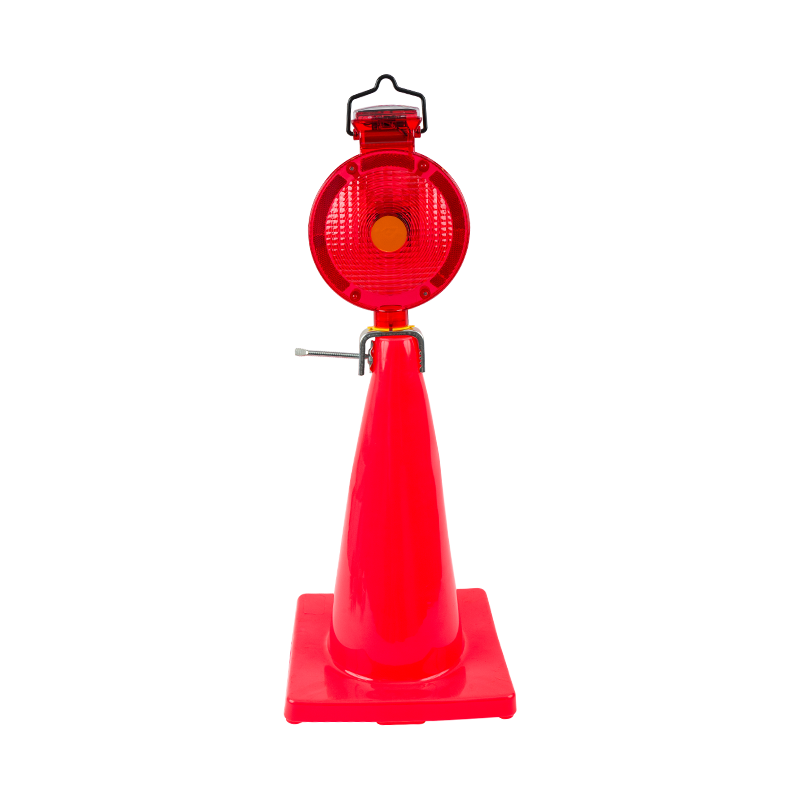
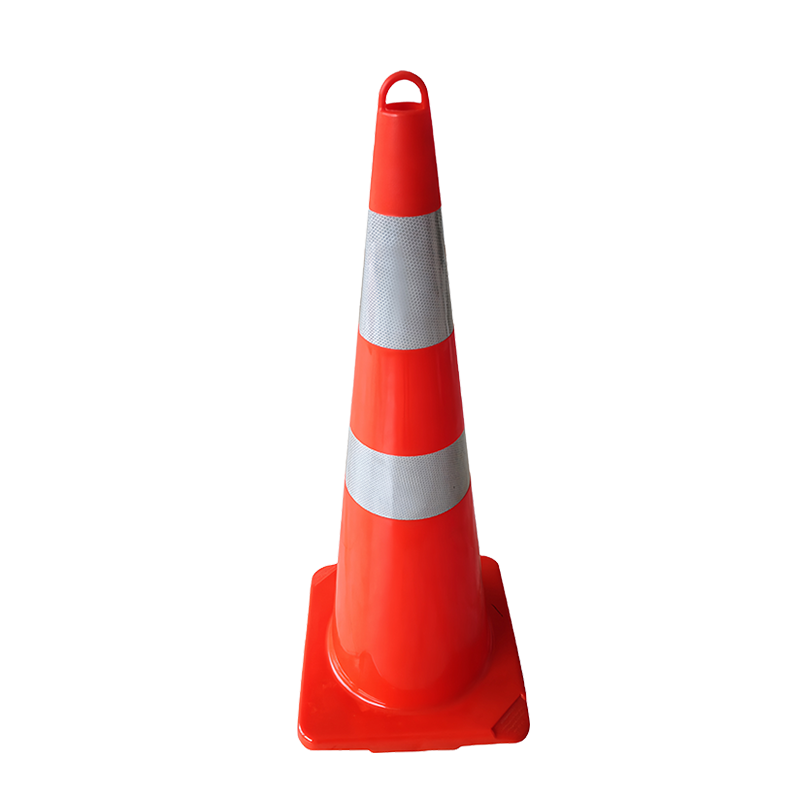
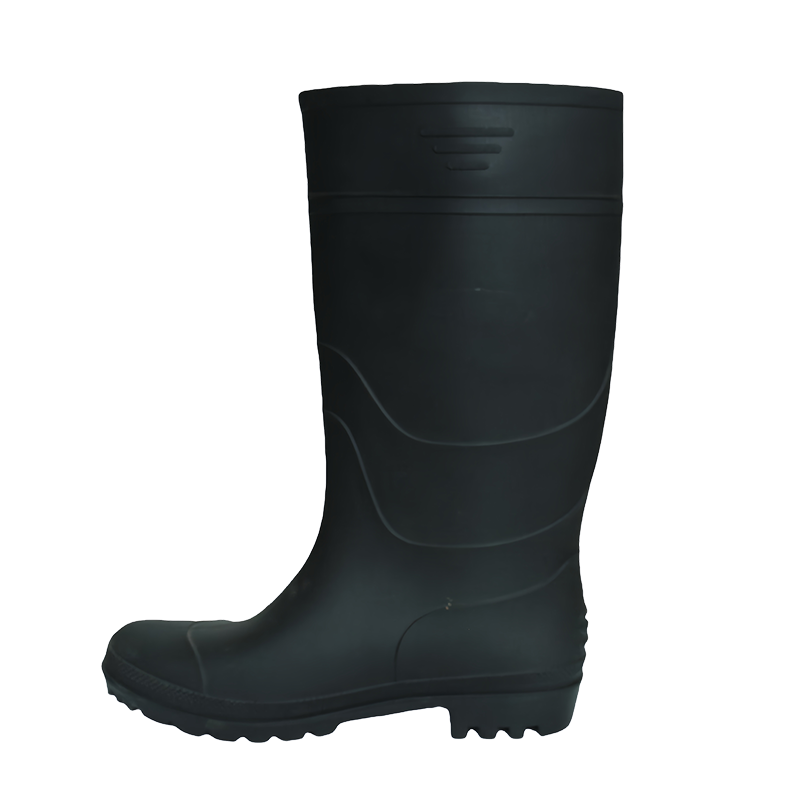
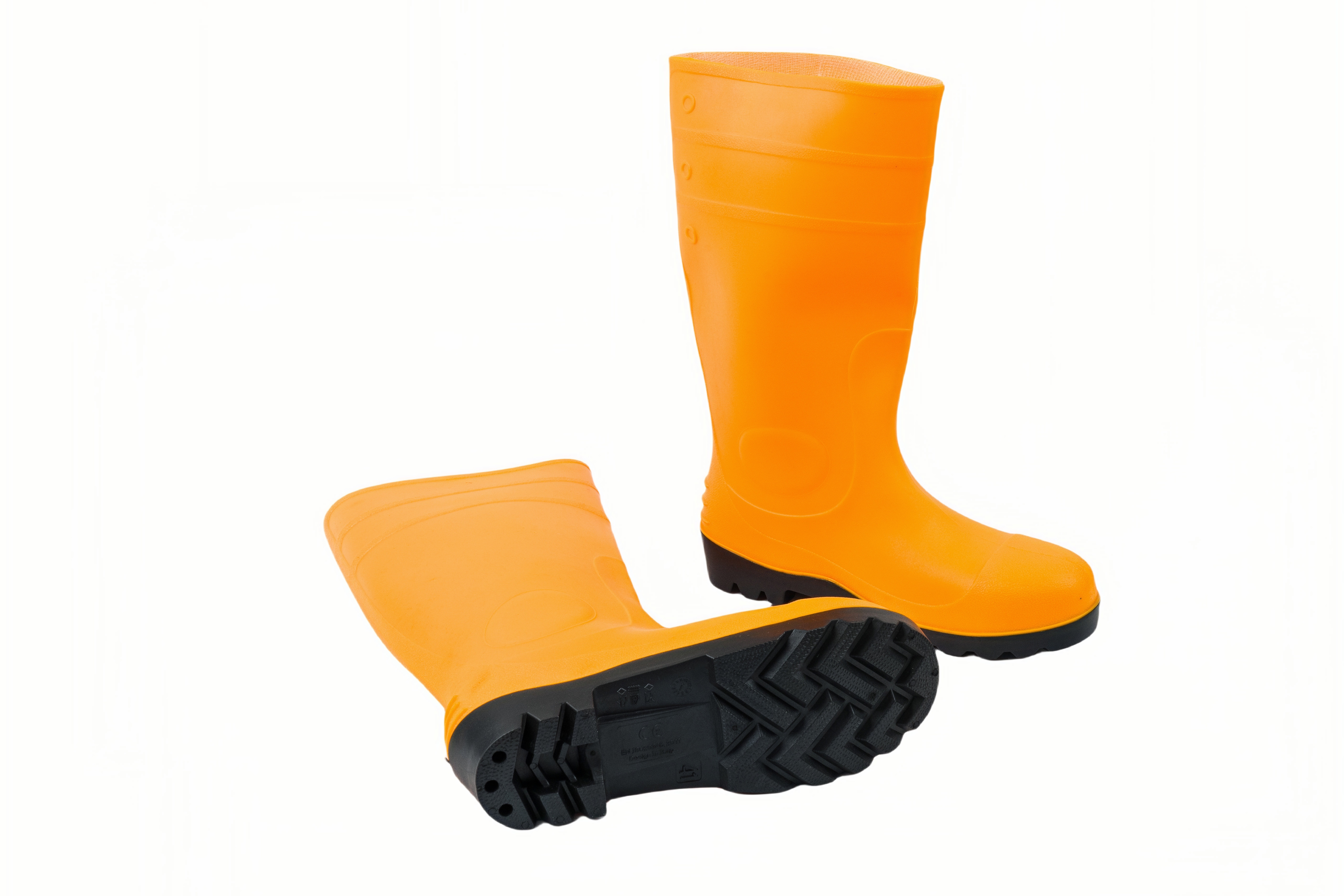
For a night-time lane closure, the helmet is the smallest part of the visible package. The cones carry the reflective banding, the solar warning lights keep flashing without a power cable, and the boots keep the crew dry while they set the layout. Choosing the cone height and the light source together with the helmet class avoids the common outcome where a crew has excellent head protection and barely visible lane markers.
If you are weighing shell materials for a mixed fleet, our note on the practical benefits of HDPE helmets in industrial settings is a useful companion read: HDPE safety helmets in industrial settings. It covers weight, impact behavior and the maintenance habits that keep a shell serviceable between replacements.
Consumables deserve a mention too. Liners and sweatbands wear out faster than shells, and a helmet taken out of service for a missing liner is a helmet not protecting anyone. Building a restock line for consumables into the annual order, rather than replacing whole helmets, keeps costs sensible and compliance visible.
Not in the current standards. ANSI/ISEA Z89.1 uses Class G, Class E and Class C, and CSA Z94.1 follows the same pattern. The phrase survives from older catalog language and informal site usage, and it almost always refers to a Class E helmet rated to 20,000 volts. If a supplier confirms "class 3" without naming a class letter or a voltage, ask again.
Class E replaced it in practical terms. The electrical class in the modern standard is the direct descendant of what older references called class 3, and it remains the highest electrical rating available in a general-purpose helmet. Older Class B shells meet a similar intent but were tested to earlier editions of the standard, so their paperwork will look different.
Rarely, and never assume it. Ventilation openings work against the dielectric performance the class is testing for, so vented shells are usually positioned as Class C or as general-purpose helmets without an electrical claim. If the job includes electrical exposure, choose an unvented shell and manage heat through the suspension and sweatband instead.
Follow the manufacturer's instruction and the site rule, which usually lands between two and five years for the shell depending on UV and heat exposure. Replace immediately after a significant impact, even if no crack is visible, and replace any shell with a faded, chalky or brittle surface. Liners and sweatbands should be replaced far more often than shells.
It can, if the ink or the process attacks the shell. Pad printing with a compatible ink is routine, and most manufacturers will state which method they use. The risk grows with solvent-heavy processes and with any operation that scratches or heat-softens the shell surface, so confirm the method rather than the artwork.
Only with accessories designed for that shell and those slots. Non-metallic attachments from the same system are the safe route. Metal brackets, or adapters forced into undersized slots, are the sort of detail that turns a rated helmet into an unrated one without anyone noticing.
Class E is general-purpose head protection with a dielectric test, aimed at accidental contact. Insulating helmets for planned work on or near live parts follow a separate regime, such as EN 50365 for systems up to 1,000 V AC, and are used as part of a controlled procedure. Class E is not a substitute for that regime.
Sorting out a class 3 hard hat request takes one round of questions and saves a shipment. Confirm that the buyer means Class E, check whether the site needs Type I or Type II, decide whether a vented shell is acceptable given the actual electrical exposure, and put the standard, the class, the material and the documents into the order. Everything after that is production and logistics, which are far easier to manage than an argument about what a label meant.
For buyers matching helmets with cones, warning lights and safety footwear across a full site kit, working with a single manufacturer shortens the chain. We mold in Ningbo, ship from a port city, and hold the documentation that customs and auditors ask for.
Send the specification and get a straight answer
Share the class, the type, the quantity, the colour reference and the destination port, and we will confirm which models fit, what documentation travels with the shipment and how the order can be scheduled.
It is focused on the overall solution of dry bulk material port transfer system,
research and development,
manufacturing, and service
Contact Us
Contact UsMiss. Jenny
+86 136 5588 7720
sales8@hoyoungsafety.com
sales1@hoyoungsafety.com