 English
 Español
 عربى
عربى

Industry News
Home / News / Industry News / Class E Hard Hat Buying Guide: Dielectric Protection and Bulk Sourcing
Content
A foreman at a substation hands out two hard hats that look identical: same shell shape, same six-point suspension, same colour. One carries a Class E marking. The other does not. Nothing about the way they sit on a head tells you which is which, and the difference only becomes obvious on the day a worker's helmet brushes an energized conductor, when there is no second chance to read the label.
Here is the short version before the detail: a class e hard hat is head protection that has passed a dielectric withstand test at 20,000 volts, and that marking on the shell is a tested promise rather than a description of the plastic it is moulded from. It belongs on utility crews, telecom tower climbers, rail catenary workers, solar and battery storage technicians, and anyone else whose head can come within reach of live electrical equipment. It does not replace rubber insulating headgear for live-line work, and it is not automatically the right choice for a warehouse or a general construction site where a Class G helmet does the same job for less money.
The rest of this article covers what the test actually measures, how HDPE and ABS shells behave differently under it, why the suspension and the accessories decide whether the rating survives a full season, and what to put into a purchase order when you need several thousand units delivered on schedule. If you buy for a distributor, a rental fleet, or a utility contractor, these are the details that turn into returns, audit findings, or incident reports when they are handled carelessly.
If the job involves accidental contact with energized conductors, the class marking on the shell matters more than the price, the colour, or the logo printed on the front.
Buyers often open a conversation with "we need electrical helmets." That phrase is too loose to quote from, because electrical protection in head protection is defined by a class, and a class is defined by a test performed on the finished helmet rather than by a material data sheet. Two shells moulded from the same resin can end up in different classes if the hardware, the wall thickness, or the surface finishing differs.
Under ANSI/ISEA Z89.1, helmets carry two independent ratings. Type covers impact: Type I protects the top of the head, and Type II adds lateral impact protection. Class covers electrical performance: Class G is tested at 2,200 volts, Class E is tested at 20,000 volts, and Class C is deliberately conductive, designed to drain static electricity rather than resist voltage. That last one catches people out, because Class C is used in some explosive-atmosphere environments where a static discharge is the bigger hazard, and it is exactly the wrong helmet to hand to an electrician.
The electrical test itself tells you more than the headline number. Samples are conditioned before testing, and the electrical procedure generally involves moisture, with the helmet wetted or immersed, because a bone-dry shell says very little about how the same helmet behaves on a rainy Tuesday in a switchyard. Voltage is then applied between the outside of the shell and the head form, and whatever current leaks through the assembly has to stay under a strict limit for the duration of the test. In practical terms, the shell, the suspension, the sweatband, any rivets, the accessory clips, and the surface finish are all part of that circuit. A single metal part in the wrong place ends the whole conversation.
Europe uses different labels for related but not identical promises, and mixing them up is one of the most common specification errors we see. EN 397 contains an optional electrical property tested at 440 volts AC, which is a long way below 20,000 volts. EN 50365 covers insulating helmets intended for live working at up to 1,000 V AC and 1,500 V DC. A helmet can hold EN 397 and still not be Class E. A helmet can be Class E under ANSI/ISEA Z89.1 and still not hold EN 50365. If your site standard cites one of these documents, quote that exact document, its edition, and the Type and Class combination you need, and put all of it in writing.
| Class | Dielectric test voltage | Metal parts in the electrical path | Typical use | Practical note |
|---|---|---|---|---|
| Class G | 2,200 V AC | Not permitted | General manufacturing, warehousing, light construction | The sensible default when live conductors are not within reach |
| Class E | 20,000 V AC | Not permitted | Utilities, substations, telecom towers, rail, solar and battery sites, EV plants | The class written into most electrical utility specifications |
| Class C | No dielectric rating, conductive by design | Intentionally conductive | Certain static-sensitive or explosive-atmosphere settings | Never a substitute for Class E around energized equipment |
Before you approve a sample, ask for four things in writing: the standard and edition, the Type and Class combination, the batch or report reference for the electrical test, and the date that test was performed. Suppliers who manufacture in house can usually answer on the spot. Traders who buy from three different moulding shops often cannot.
Class E is a tested dielectric rating on the assembled helmet, not a claim about the plastic, so always ask for the test reference behind the marking.
Almost every Class E helmet on the market is built around a thermoplastic shell, and in our own moulding shop the split comes down to two families: HDPE and ABS. Both can pass the electrical test, but they get there in different ways, and the differences show up in weight, surface finish, heat behaviour, and how easily a brand identity can be printed onto the shell.
High-density polyethylene has a very high volume resistivity, extremely low moisture absorption, and a dielectric strength measured in the tens of kilovolts per millimetre in the raw material. It does not need metallic fillers to be stiff enough for a helmet shell, it tolerates low temperatures without becoming brittle, and it resists a long list of industrial chemicals. It is also comparatively inexpensive and forgiving to mould, which makes uniform wall thickness easier to hold across a production run. That combination is why HDPE dominates electrical and utility head protection, and why our own penetration-resistant models are built on it.
HDPE has two limitations worth knowing. It softens at a relatively modest temperature compared with engineering plastics, so a helmet left on a dashboard in direct summer sun is being asked to do something it was never designed for. It also has a softer surface than ABS, which means deep scratches from rough handling are more likely over a long service life, and any deep scratch should be treated as a rejection criterion during inspection.
ABS shells feel stiffer and hold a higher-gloss finish, which is why they appear so often in premium-looking ranges and in helmets where a large printed logo is part of the design. The stiffness allows a thinner shell, which saves weight. The trade-offs are higher moisture uptake than HDPE and greater sensitivity to the additive package. Some grades and masterbatches include fillers, flame retardants, or anti-static agents that shift dielectric behaviour, and moisture absorption matters because the electrical test is carried out after wet conditioning. ABS can absolutely be Class E, but the approval has to be earned on the finished helmet, not assumed from the resin name.
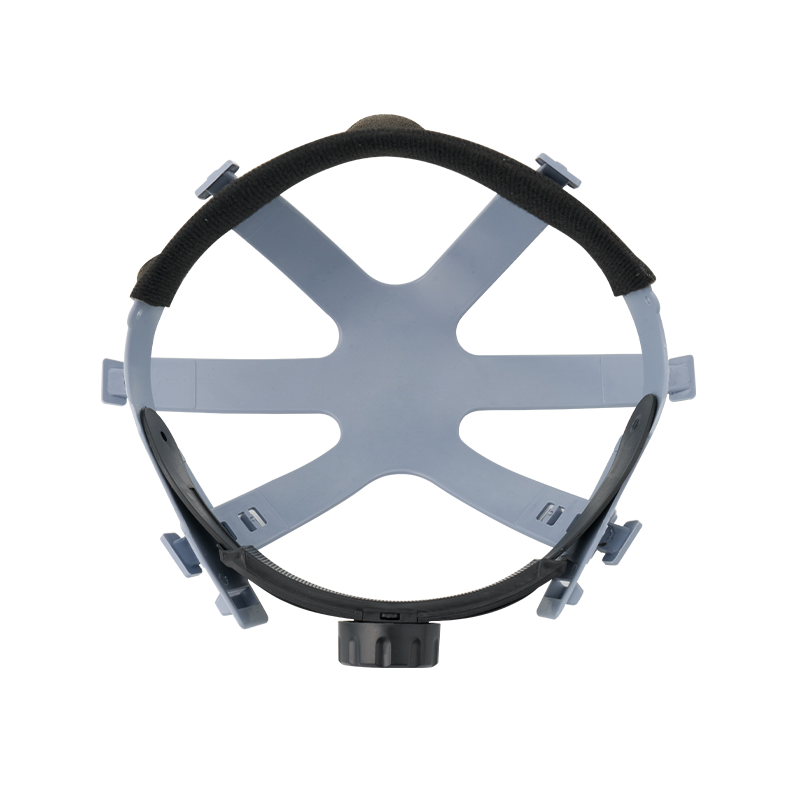 SH100 Penetration Resistant Safety Helmets1. Reliable quality,we always consider quality control as our top task, we are producing safety products to protect wearers, so this head protection helmet is heavy-du...View Product →
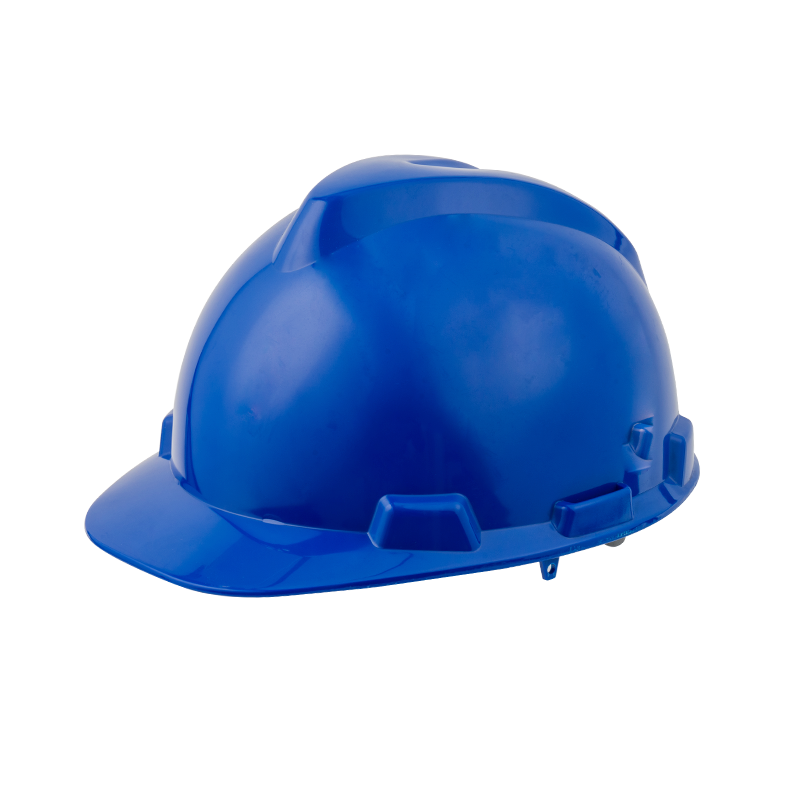
For crews who work around exposed conductors and also face dropped tools or sharp edges, a shell that combines penetration resistance with a clean dielectric construction is the practical answer. That is the reasoning behind models such as our SH100, which is moulded in HDPE without metal hardware and finished in non-metallic colours.
The resin family sets the ceiling, but pigment choice, regrind ratio and wall consistency decide whether a Class E shell actually passes batch after batch.
The shell gets all the attention, yet the suspension is where most field failures of electrically rated helmets begin. The suspension is the plastic or textile cradle that holds the shell a set distance above the crown of the head. That clearance is what allows the shell to deflect under impact. It is also part of the electrical path, which is why every component in the cradle has to be non-conductive, and why a metal ratchet or a metal buckle is not a small detail but a disqualifying one.
A four-point suspension is lighter and cheaper. A six-point suspension spreads the load across a wider area of the head, resists rocking, and keeps the shell steadier when a worker tilts their head back to look up at a panel, a busbar, or a transformer bushing. In utility and telecom work, that steadiness is not a comfort feature, it is a safety feature: a helmet that shifts can expose the forehead or the temple at exactly the moment the wearer is looking at live equipment. Six-point suspensions also tend to keep the shell centred during long shifts, which reduces the temptation to push the helmet back on the head.
Nylon and polyester webbing absorbs moisture, and since the electrical test is carried out after wet conditioning, a suspension that holds water is being asked to do more work than one that drains. Moisture-wicking sweatbands and quick-drying headbands are not luxury items on an electrical site, they are part of keeping the assembly dry enough to behave the way it did in the laboratory. Replaceable sweatbands also solve the hygiene problem that pushes workers to swap helmets between shifts, which is how fleet inventories drift out of compliance.
Ear muffs, face shields, and headlamps are routine on electrical and road work sites, and every one of them has to be attached without drilling a hole in the shell. Drilling is the single most common way a compliant Class E helmet becomes an unrated one, because the hole interrupts the shell surface and can introduce a conductive fastener. The correct method is a moulded accessory slot or a clip designed for that specific helmet. Metal lamp brackets are another frequent offender, particularly on older helmets that have been through several generations of lamps.
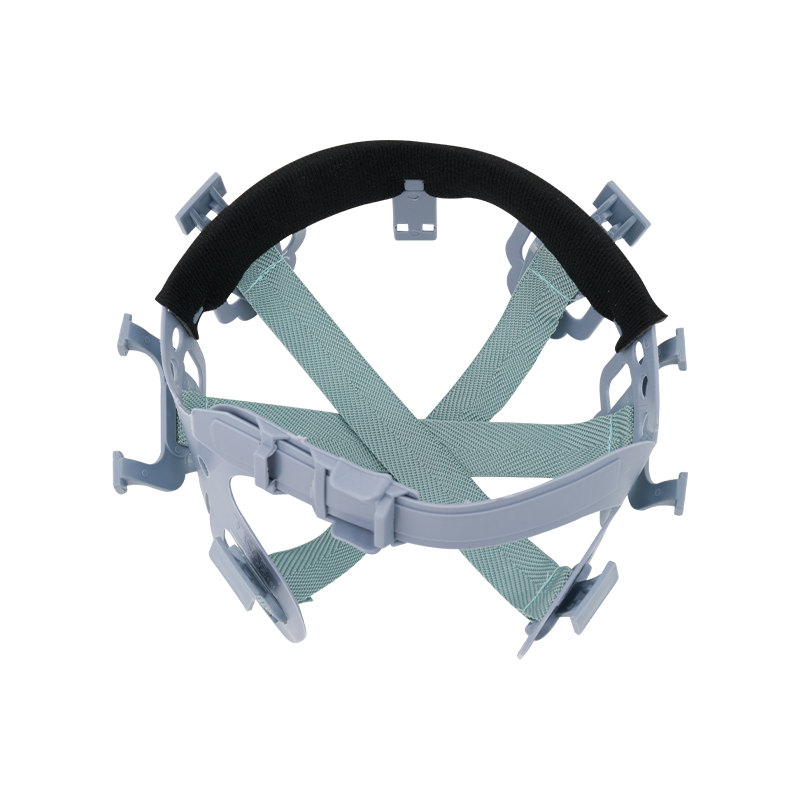 SH102 6 Point Suspension Breathable Safety HelmetsThis model is CE EN397 approved and which is designed with 6 ventilated holes, so it’s a good choice for summer or hot areas. The ventilation helmet has three channel ...View Product →
For long shifts in warm switch rooms or under summer sun, a breathable six-point suspension is the combination that keeps compliance practical. Helmets like the SH102 pair a ventilated HDPE shell with a six-point cradle and a moisture-managing headband, which is the configuration most crews ask for once they have worn both styles for a week.
A Class E helmet is only as good as its cradle and clips, so anything drilled, screwed or bolted onto the shell should be treated as a rating removal.
Voltage numbers are easy to read past each other in a specification table, and the gap between a general industrial helmet and an electrically rated one is much wider than most buyers expect. The chart below places the common ratings on one scale so the difference is visible at a glance; the bars are scaled by the square root of the test voltage, which keeps the smaller ratings readable rather than flattening them into invisible slivers.
Dielectric withstand test voltage by helmet standard or class
Bar length scaled by the square root of test voltage for readability. Values shown are the standard test voltages, not a ranking of field performance.
The first thing this chart shows is that Class E is not a small step above a general industrial helmet; it is roughly nine times the Class G test voltage, and more than forty times the optional electrical property in EN 397. That gap is the reason we keep HDPE and ABS moulding lines separated by end use rather than by colour, because the same machine can produce a shell destined for a warehouse and a shell destined for a substation, and only the tested configuration should carry the higher marking.
The second thing worth noticing is that a well-controlled moulding process can reach the Class E level without exotic materials. The challenge is not the resin, it is consistency: holding wall thickness, keeping metal out of the bill of materials, and repeating the same result in every batch rather than in the golden sample sent to the laboratory. This is where an in-house manufacturer with its own moulds and its own test records is easier to audit than a supplier who buys finished helmets from several workshops and rebadges them.
For buyers, the practical reading of the chart is a matching exercise. Class G covers general industry where energized conductors are not within reach. Class E covers utility, telecom, rail, solar, battery and EV environments where accidental contact is a realistic scenario. EN 50365 covers the narrower live-working case at low voltage, and none of the three should be substituted for the others on a purchase order. When you build a range for a wholesaler or a rental fleet, carrying all three and labelling them clearly prevents the mix-ups that happen when one helmet is pulled from a communal rack and handed to whoever is closest.
Match the class to the task instead of standardising on one helmet: over-specifying wastes budget and under-specifying removes protection exactly where it is needed.
Once the class is settled, the purchase order becomes a list of decisions that affect the unit price, the lead time, and how well the helmet survives its first year. Most of the friction we see between buyers and suppliers comes from specifications that were never written down, so below is the checklist we use when a distributor or a utility contractor asks for a quotation.
Electrical head protection is a manufactured claim, so the questions worth asking are manufacturing questions. How many injection moulding machines does the supplier run, and are the moulds owned in house? Is the wall thickness checked during production or only on the first article? Who performs the electrical test, and how often? Can the supplier show you the machine floor rather than a render? In our own case, the answers are straightforward: 5,000 square metres of workshop space, sixteen injection moulding machines, an automated workshop established in 2023 that runs with minimal manual intervention, and a separate sales company set up in 2024 so that order handling and production planning are not competing for the same attention.
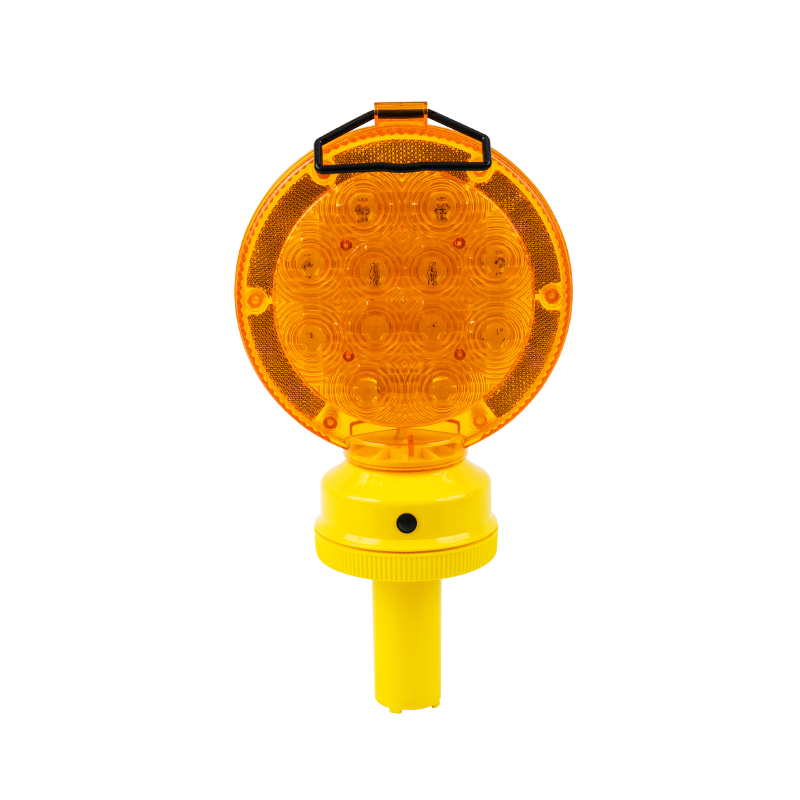
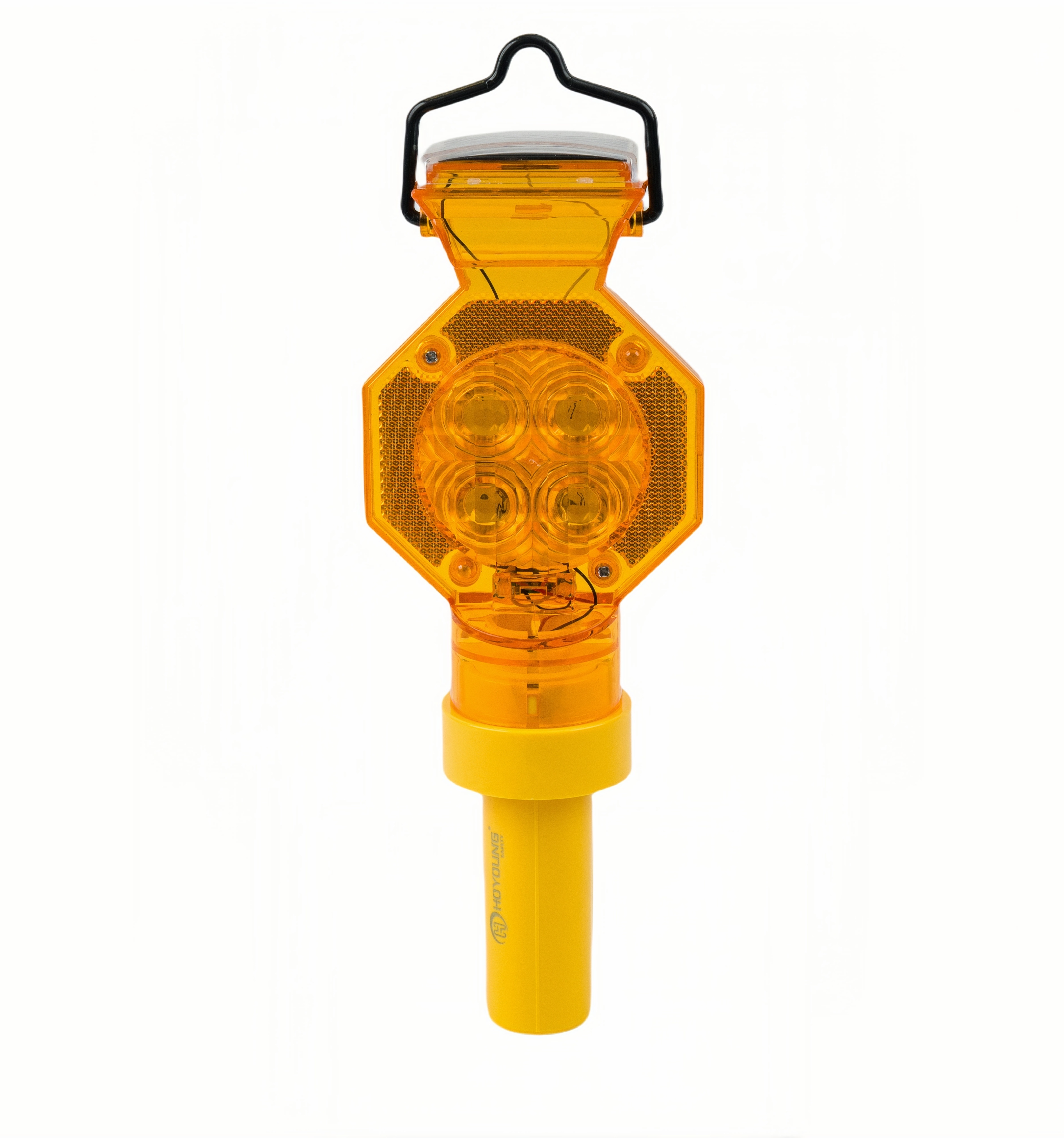
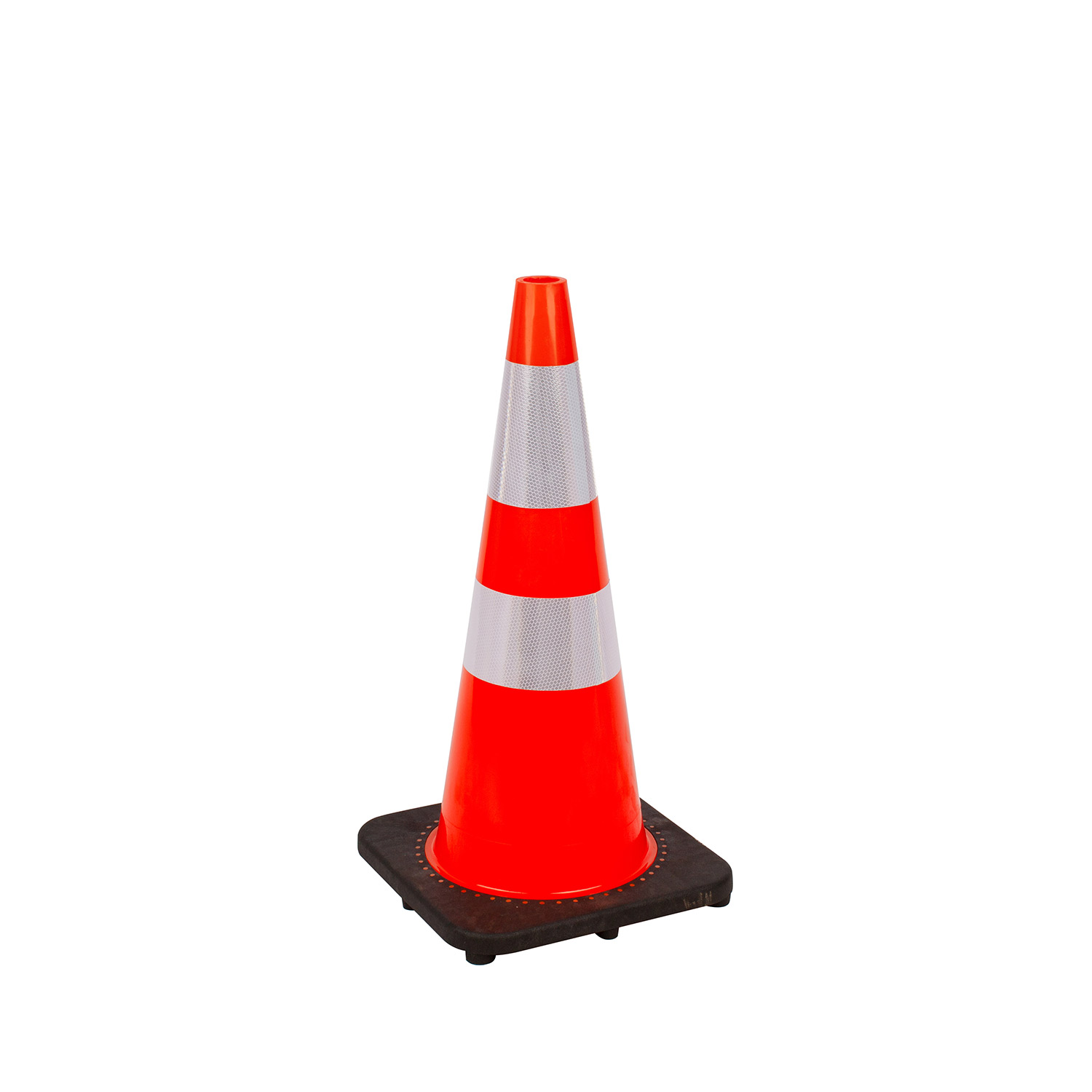
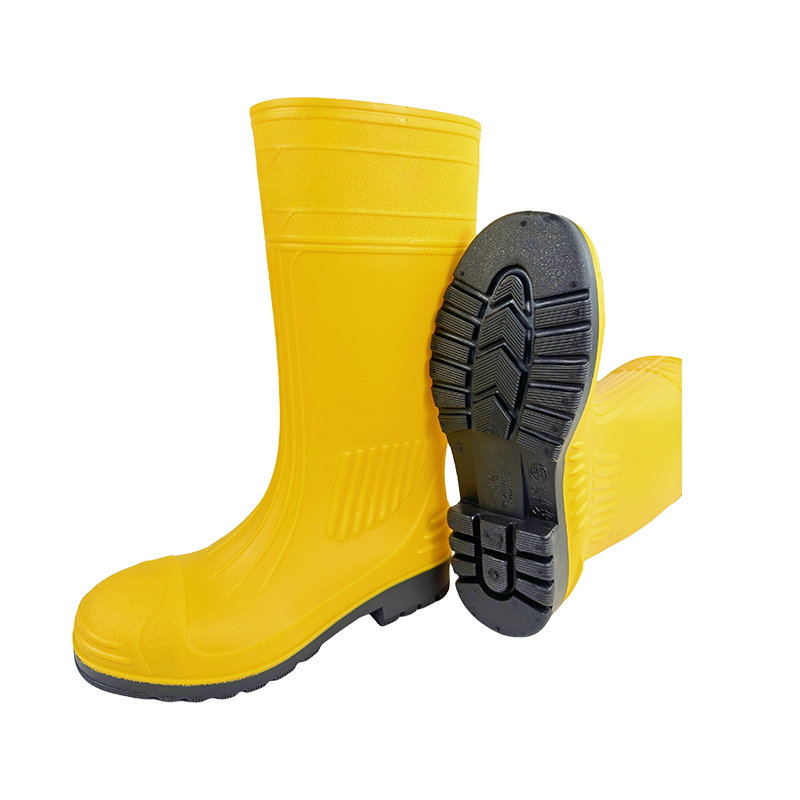
Volume buyers should also think about the wider kit. A road works or utility package usually includes more than helmets: traffic cones for lane closure, warning lights for the evening shift, and often footwear for wet ground. Ordering head protection and road safety products from one manufacturer reduces freight consolidation work, keeps colour and branding consistent across the range, and removes the finger-pointing that happens when two suppliers blame each other for a late container.
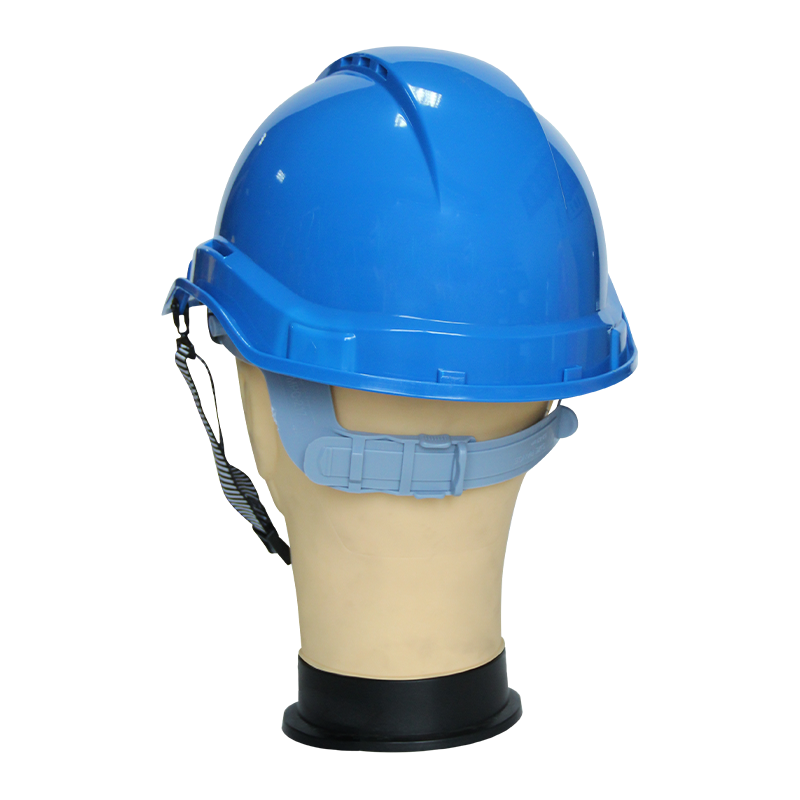 SH120 V-guard Safety helmet with crimping gutterThe V Gard hard hat is designed with a popular V-shape that features enhanced ventilation on top, making it more breathable and cooler in hot weather conditions. This ...View Product →
One design detail that matters more than it sounds is rain handling. A shell with a moulded gutter around the rim, such as the SH120 V-guard with its crimping gutter, keeps water from running down the wearer's neck and off the face during wet-weather electrical work, which is precisely the weather in which the dielectric rating is doing its job.
Write the standard, class, material, suspension and documentation into the order before price discussions begin, because those five items are what an audit will ask you to prove.
The clearest way to decide between Class G and Class E is to look at where the helmet will be worn and what is within arm's reach. Utility distribution crews, substation technicians, and metering staff work near energized equipment every day, which is why Class E is written into most utility specifications as a baseline rather than an upgrade. Telecom tower climbers share the same environment from a different angle: antenna structures are frequently mounted on or near power infrastructure, and climbers spend long periods with their heads close to conductors and conductive hardware.
Rail catenary work, solar farms, battery energy storage sites, and electric vehicle assembly lines all combine energized systems with overhead activity, and each of them tends to have a written head protection clause that names an electrical class. Wind turbine technicians, crane operators working under power lines, arborists clearing trees near overhead cables, and emergency responders attending downed conductor incidents round out the list. In each case the reasoning is the same: the helmet is expected to resist accidental contact, not to make contact safe by itself.
Live-line work is the boundary. Insulating headgear for deliberate contact with energized conductors follows a different standard and a different construction logic, and an electrically rated industrial helmet is not a substitute for it. Class E protection is there for the unintended moment, the slip, the dropped tool that swings a conductor, the ladder that shifts. Buyers who understand that distinction write better specifications, and crews who understand it wear the right helmet on the right job.
Distributors often find it useful to read up on how HDPE shells behave in industrial settings, since the material discussion is what most procurement teams raise first. A short technical summary of the benefits of HDPE safety helmets in industrial settings is a good starting point for that conversation, especially when a specification committee includes people who are not familiar with thermoplastic shells.
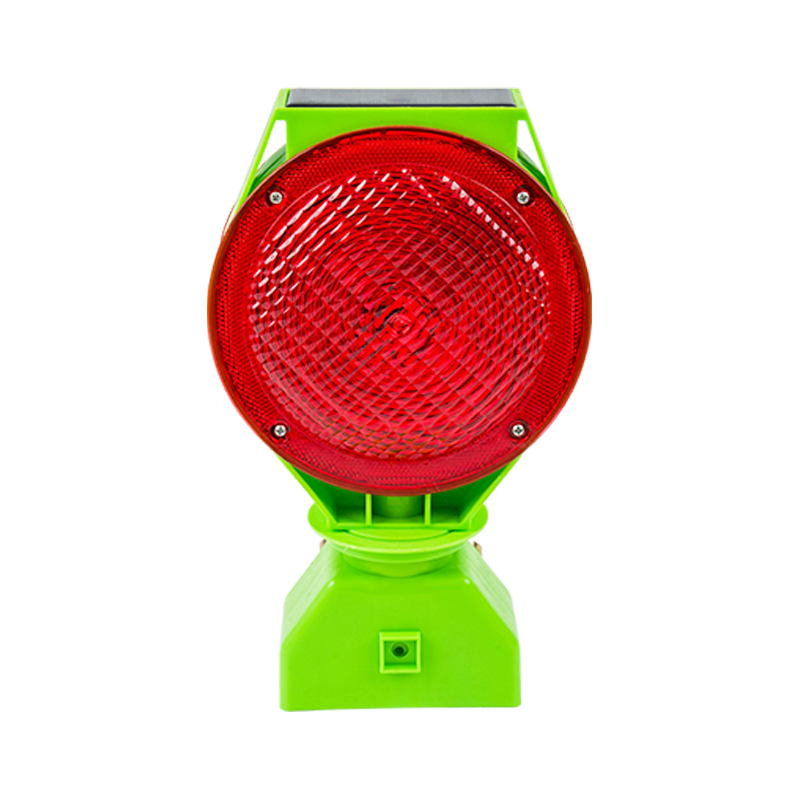
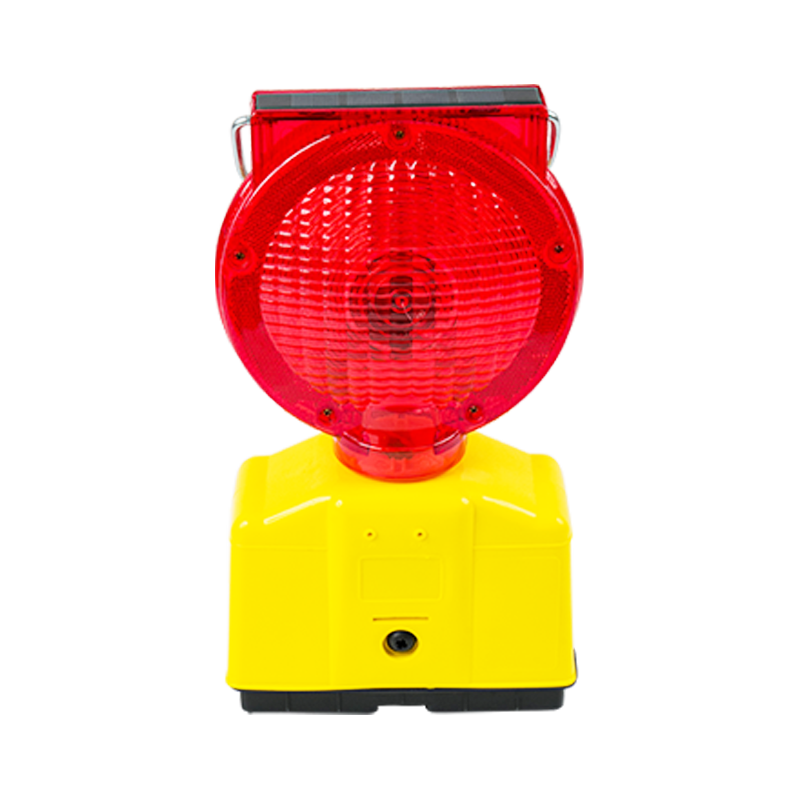
It also helps to think of the whole work zone rather than the helmet alone. A lane closure on a highway at dusk needs cones that stay upright in wind, reflective surfaces that read clearly in headlights, and warning lights that keep flashing after the sun goes down. Site managers who source helmets, cones, and warning lights from one supplier end up with a consistent colour scheme, one set of documentation, and one point of contact when a delivery has to be expedited.
Class E is designed for accidental contact, so it belongs wherever energized equipment is within reach, and it never replaces insulating headgear for deliberate live-line work.
Most failures we see in the field are not caused by bad helmets. They are caused by reasonable decisions made by people who did not know that a small change removed the rating. The list below covers the ones that come up most often in fleet audits and return inspections.
A two-minute check at the start of each shift catches most problems. Look for cracks, dents, deep scratches, and chalky or faded surfaces that suggest UV degradation. Flex the suspension gently and check for cracked straps, frayed webbing, missing clips, and a stretched headband that no longer holds adjustment. Confirm the class marking is legible and that no unauthorised accessory has been attached. If a helmet has taken a heavy impact, even one that left no visible crack, replace it, because the shell may have absorbed energy in a way that is not visible from the outside.
Ratings are lost through modification, storage and wear far more often than through manufacturing defects, so inspection discipline protects your investment as much as your people.
Class E means the finished helmet has passed a dielectric withstand test at 20,000 volts under the relevant edition of ANSI/ISEA Z89.1, with leakage current kept below the limit set by the standard. It is a rating on the complete assembly, including the shell, suspension, sweatband and clips, rather than a property of the plastic alone.
No. Class G is tested at 2,200 volts and Class E at 20,000 volts, which is roughly nine times the test voltage. Both are non-conductive designs intended for everyday industrial use, but only Class E is written into most utility specifications where accidental contact with energized conductors is a realistic risk.
No. Class E head protection is designed for accidental contact, not deliberate contact. Live-line work calls for insulating headgear tested to a live-working standard such as EN 50365, which is a different product with a different test regime. Treat Class E as supplementary protection for the unexpected moment.
Yes, as long as the specific vented design has passed the electrical test. The standard tests the helmet you submit, so a vented shell can carry the rating if the design keeps enough insulating surface and the test results support it. If your site rules are conservative, an unvented model removes the question entirely.
Yes, provided the printing method and ink are non-metallic and the printer is experienced with rated shells. Pad printing and heat-transfer labels are common choices. Metallic foils, metal-flake inks and metallised badges should be avoided, and printing should never cover the class marking or the certification text.
There is no single answer that applies everywhere, because UV exposure, chemical contact, heat and handling all age a shell at different rates. Many operators work to a three to five year cycle for thermoplastic helmets, supplemented by a shift-level inspection routine that removes any helmet showing cracks, chalky surfaces, deep scratches or a damaged suspension before the cycle date arrives.
Any helmet that has taken a significant impact should be replaced, even if the surface still looks intact. Thermoplastic shells absorb energy by deforming, and that deformation is not always visible. If a falling object has struck the shell, retire the helmet and inspect the suspension of the others in the same batch for signs of the same incident.
Ask for the test report reference, the standard edition, the batch it applies to, and the date of testing. Then ask who performed the test, and whether the supplier moulds the shells themselves. A manufacturer that owns its moulds, runs its own injection moulding equipment and keeps ISO 9001 documentation in order is far easier to verify than a trading company assembling stock from several anonymous workshops.
Type covers impact rather than electricity. Type I protects the top of the head, which is the common configuration for electrical helmets that must stay lightweight. Type II adds lateral impact protection for the sides of the head. Type and Class combine freely, so you can specify Type I Class E or Type II Class E depending on the site hazards.
Yes, and that is the normal way utility and rental fleets buy them. Expect to confirm the shell colour and masterbatch family, the suspension configuration, the size range, the branding artwork, the packaging format, and the documentation set. A manufacturer with in-house moulding can usually handle custom colours and multi-language labels within a single production run, while still supplying the electrical test documentation for the batch.
The strongest protection against a compliance problem is documentation plus inspection: a test report for the batch and a two-minute check at the start of every shift.
Whether you are specifying head protection for a single substation crew or building a private-label range for a wholesale catalogue, the useful next step is a conversation with the people who mould the shells. Bring your standard reference, your Type and Class requirement, your expected annual volume and your branding artwork, and ask for a sample with the matching test documentation.
If it would help to walk through a specification or arrange a factory visit, you can contact the factory directly and a member of the team will go through the details with you.
It is focused on the overall solution of dry bulk material port transfer system,
research and development,
manufacturing, and service
Contact Us
Contact UsMiss. Jenny
+86 136 5588 7720
sales8@hoyoungsafety.com
sales1@hoyoungsafety.com