 English
 Español
 عربى
عربى

Industry News
Home / News / Industry News / Bump Cap vs Hard Hat: Choosing the Right Head Protection for Every Job
Content
A maintenance technician in a bottling plant stands up under a stainless steel conveyor frame and cracks the top of her head. Ten metres away, a scaffolder's helmet takes a brick that a colleague knocked off a ledge. Both people are at work, both are wearing head protection, and the two incidents belong to completely different risk families. That is the whole bump cap vs hard hat debate in one image: one product protects you from your own movement, the other protects you from energy that arrives from somewhere else.
Here is the short version before the detail. A bump cap is a soft cap with a stiff insert sewn into the crown. It softens the sting when your head meets a fixed object such as a low beam, a shelf edge or a machine housing. A hard hat, which many buyers also call a safety helmet, is an engineered shell riding on a suspension harness. It absorbs energy from falling or swinging objects and keeps the shell shell away from your skull so the impact is spread over time and distance rather than delivered straight to bone. Using one for the other job is not a style preference, it is a change in the level of protection you promise your workforce.
This guide covers construction, standards, the physics behind the difference, real workplace scenarios, purchasing criteria and the questions buyers ask most often, so you can make the call quickly and then defend it in a meeting.
Rule of thumb: if the hazard travels to the head, you need a hard hat; if the head travels to the hazard, a bump cap may be enough.
A bump cap and a hard hat are not two grades of the same product. They sit in different standards, different price bands and different risk categories. A bump cap is closer to protective clothing, while a hard hat is a piece of personal protective equipment with a defined impact and penetration performance that can be verified in a laboratory.
The table below is meant to be the first filter in your decision. Run your risk assessment against the middle column, then the right column, and stop at whichever one covers the hazard you actually have.
| Decision point | Bump cap | Hard hat / safety helmet |
|---|---|---|
| Primary hazard addressed | Head strikes against fixed objects caused by the wearer's own movement | Falling objects, swinging loads, flying debris, lateral impact |
| Typical construction | Fabric or mesh cap with a moulded PE or HDPE insert in the crown | Rigid shell (HDPE or ABS) plus 4-point or 6-point suspension harness |
| Head-to-shell clearance | Minimal; the insert sits close to the scalp | Engineered air gap, commonly 25 to 50 mm, to absorb and distribute energy |
| Standards commonly referenced | EN 812 for industrial bump caps | EN 397, EN 14052 or ANSI/ISEA Z89.1 depending on the market |
| Typical weight | 150 to 300 g | 300 to 480 g depending on shell, suspension and accessories |
| Electrical protection | None claimed | Class G, Class E or equivalent insulation options available |
| Ventilation and comfort | High, often worn like a normal cap for a full shift | Moderate; vented models exist but may be restricted near live conductors |
| Chin strap | Rare, usually a simple strap or none | Common, and often required for work at height or in wind |
| Indicative unit price band | Lower | Higher, roughly two to four times the cost of a basic bump cap |
| Common workplaces | Warehousing, food processing, assembly, maintenance, logistics visitors | Construction, scaffolding, mining, utilities, heavy fabrication, tree work |
Read the table from the bottom up when you are writing a specification. The workplace row tells you what your peers in that sector normally buy, the standards row tells you what an auditor will ask for, and the electrical row is the one that quietly removes bump caps from the conversation in many plants.
If the risk assessment mentions falling objects, swinging loads or live electrical contact, the correct answer is a certified hard hat, never a bump cap.
Walk through a distribution centre and you will see them everywhere: navy caps with a subtle domed profile, often mistaken for ordinary workwear. The difference is inside. A bump cap carries a moulded insert, usually polyethylene or high-density polyethylene, stitched into the crown and sometimes extended down the front panel.
Most bump caps on the market share the same architecture. A textile outer shell, cotton or polyester, holds a semi-rigid insert of two to three millimetres thickness. The insert is shaped to follow the curve of the skull so it stays in place when the wearer bends, kneels or climbs a ladder. Weight usually lands between 150 and 300 grams, which is why people forget they are wearing one.
Because the insert sits close to the head, there is no suspension harness and no air gap. That is a comfort advantage and a protection limitation at the same time. Nothing needs to be adjusted, nothing needs to be replaced every few months, and the cap can be machine washed once the insert is removed, which matters in food processing and pharmaceutical environments where hygiene rules are strict.
The protection is real, but it is narrow. A bump cap reduces the energy of a low-speed collision between a head and a stationary object. Picture a technician rising from under a conveyor, a picker turning into the corner of a steel rack, a mechanic straightening up under a vehicle lift, or a worker crossing a low pipe bridge in a plant room. Walking speed, limited travel distance, no external acceleration, no falling mass.
A bump cap is not a lighter version of a hard hat. It is not tested for the impact energy a hard hat is tested for, it offers no meaningful protection against a hammer dropped from a mezzanine, and it provides no electrical insulation. It also gives very little lateral crush protection, which matters in confined spaces where a head can be squeezed between two surfaces. If a site requires ANSI/ISEA Z89.1 or EN 397 head protection, a bump cap does not satisfy that requirement no matter how well it is made.
Buyers should also watch for a specific trap: the phrase "safety bump cap" in a product listing does not mean the item is a certified safety helmet. Ask for the test report, not the wording on the catalogue page.
A bump cap is a comfort-first product that reduces the severity of minor head strikes; it is not a substitute for certified head protection.
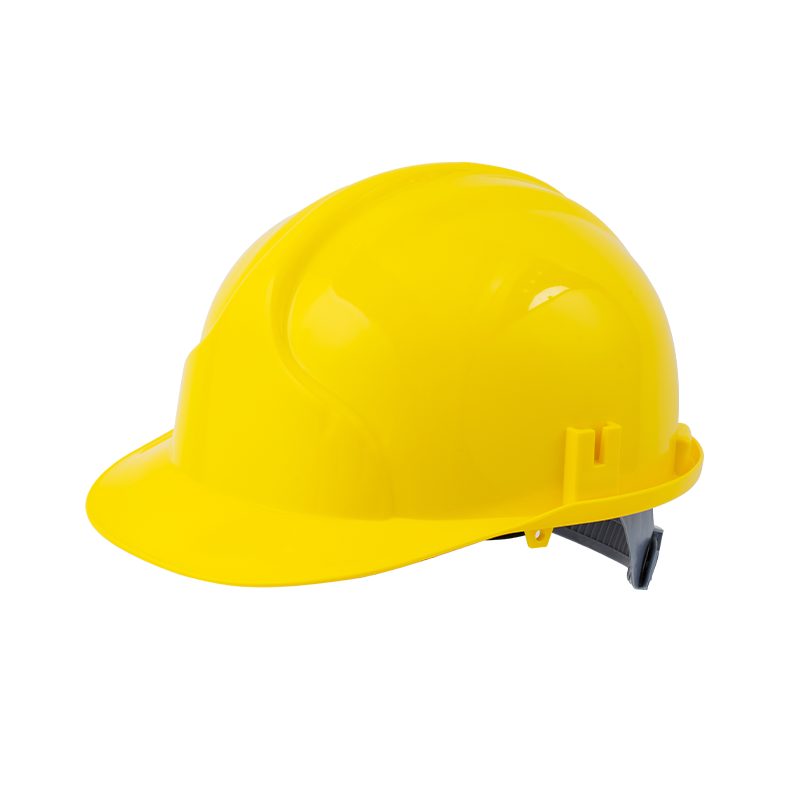
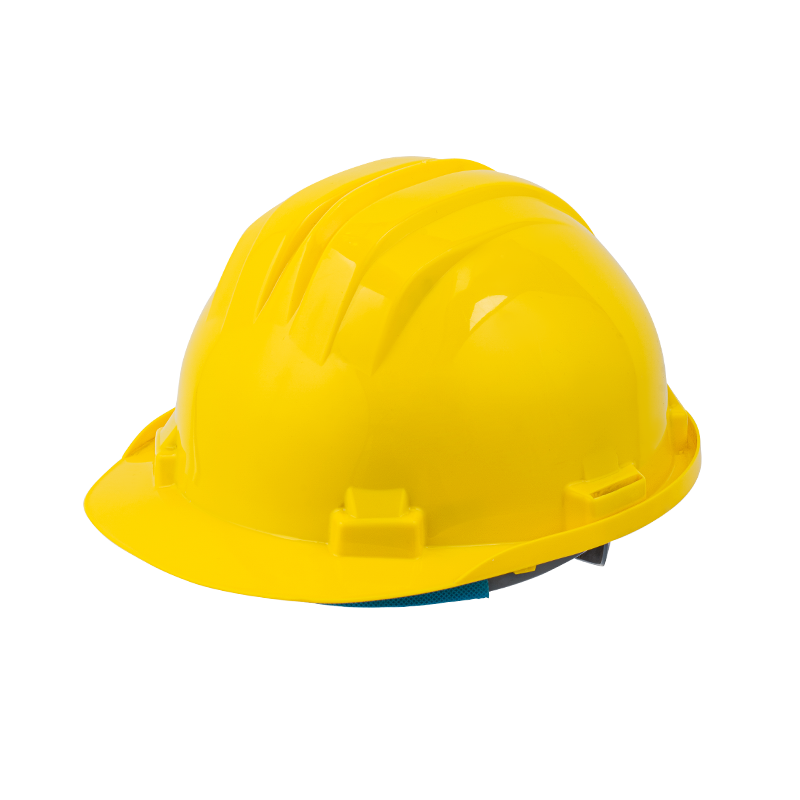
A hard hat is a system, not a shell. The shell resists penetration and spreads a point load across a wider area. The suspension harness holds the shell away from the skull and stretches under impact, which converts a short, sharp blow into a longer, gentler deceleration. Remove either part and the product stops working.
Shell material matters more than most buyers expect. HDPE shells are tough, flexible and cheap to mould, which is why they dominate volume orders. ABS shells are stiffer and hold a gloss finish better, which suits premium ranges and branded corporate lines. Between the shell and the head there is an air gap, commonly 25 to 50 millimetres, plus a sweatband and a headband that can be adjusted by pin-lock or ratchet. Six-point suspension spreads pressure more evenly than four-point, which shows up in comfort over a twelve-hour shift rather than in a laboratory number.
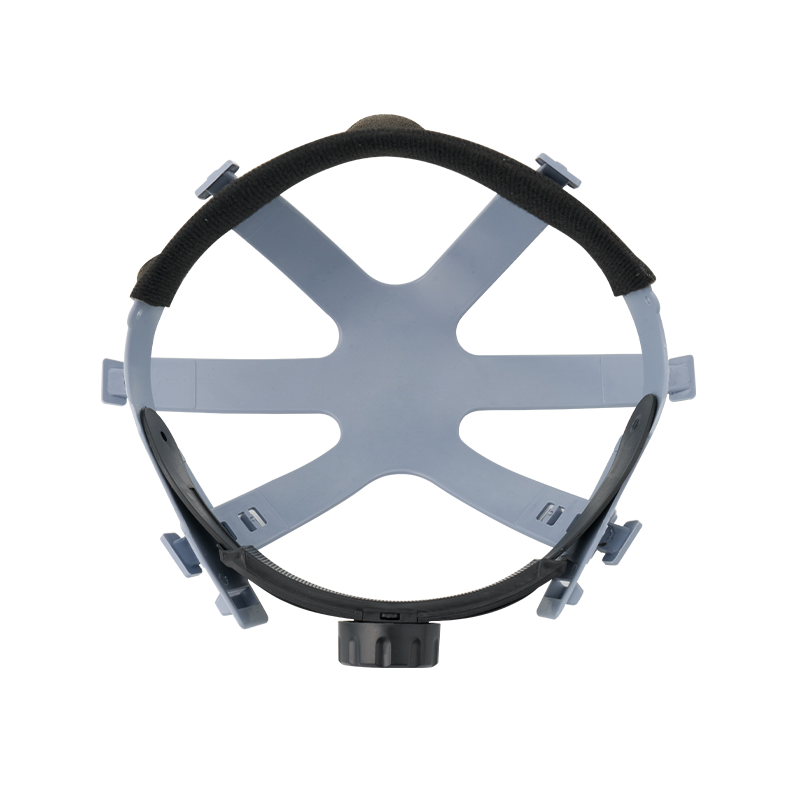 SH100 Penetration Resistant Safety Helmets1. Reliable quality,we always consider quality control as our top task, we are producing safety products to protect wearers, so this head protection helmet is heavy-du...View Product →
Two tests define the category. In an impact test a striker of defined mass is dropped onto the shell and the force transmitted to the headform must stay below a limit. In a penetration test a pointed striker is dropped and must not make contact with the headform. Both tests are conducted after conditioning, which may include high temperature, low temperature, water immersion or ageing, because a helmet that only works at 20 degrees Celsius in a laboratory is not much use on a winter roof.
Penetration resistance is where models such as the SH100 penetration resistant safety helmet are built for industrial environments where a sharp edge, a rebar end or a dropped tool is a realistic scenario. If your site has any of those hazards, this is the class of product to specify rather than a lighter comfort model.
Under ANSI/ISEA Z89.1, Type I helmets address top impact and Type II helmets address top and lateral impact, which is why Type II shells are increasingly specified in construction and energy work. Classes describe electrical performance: Class G is typically rated around 2,200 volts, Class E around 20,000 volts, and Class C offers no electrical protection at all because the shell is conductive by design. EN 397 helmets follow a similar logic with optional requirements for very low temperature use, molten metal splash, electrical insulation at 440 volts AC and lateral deformation. Those optional marks appear on the inside of the shell, so always read the label rather than trusting the colour.
For background on how HDPE performs in industrial settings, our overview of HDPE safety helmets in industrial settings covers material behaviour in more depth.
A hard hat earns its certification through the interaction of shell, suspension and air gap, so replacing a suspension with a random spare part voids the protection you paid for.
The difference between the two products comes down to how much energy a blow carries and how long the head has to absorb it. A bump cap shortens the impact time and barely increases the stopping distance, while a hard hat deliberately adds distance so the deceleration is gentler.
The chart below is an orientation tool rather than a test result. It compares how the two categories typically perform against the risk types that appear most often in warehouse, plant and construction risk assessments.
Illustrative protection coverage by risk type, orientation only
Scores are an indicative orientation built from typical field experience, not a laboratory result. Always verify performance against the certificate and the standard your site requires.
The pattern explains why so many plants end up buying both products instead of choosing one. In the first four rows, where energy arrives from outside the wearer, the hard hat is the only sensible answer, and no amount of comfort can compensate for that gap. In the last two rows, where the hazard is self-generated and the shift is long, a bump cap often produces better compliance because workers actually keep it on.
Comfort is not a soft benefit when you are running a safety programme. A helmet that sits heavily, traps heat or presses on the forehead gets pushed back, hung on a hook or left in a locker, and an unworn helmet offers exactly zero protection. That is why ventilation details such as a six-point suspension breathable safety helmet matter in hot workshops, where the choice is often between a breathable helmet and no helmet at all.
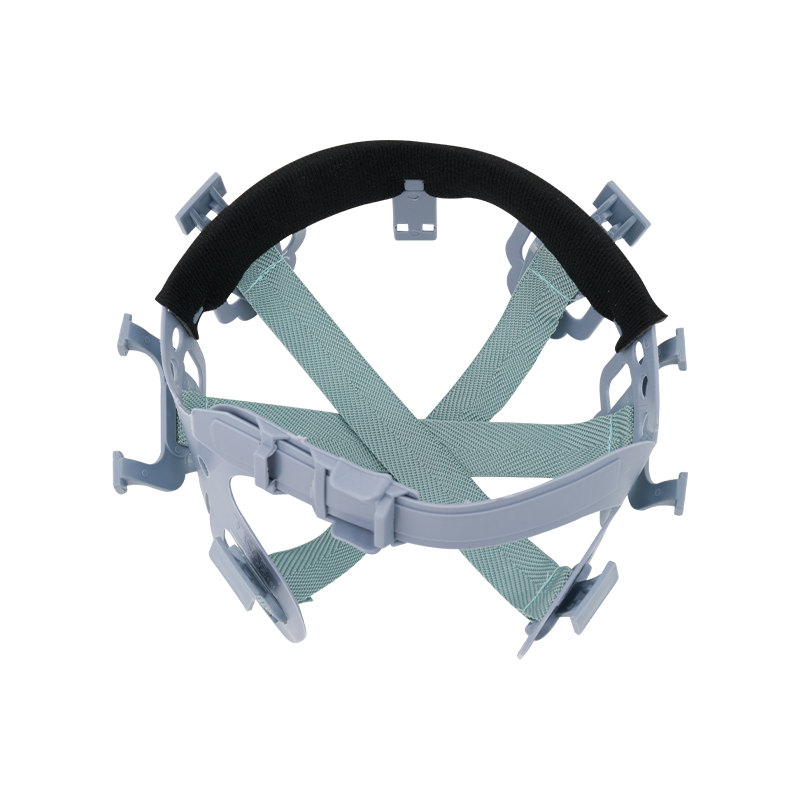 SH102 6 Point Suspension Breathable Safety HelmetsThis model is CE EN397 approved and which is designed with 6 ventilated holes, so it’s a good choice for summer or hot areas. The ventilation helmet has three channel ...View Product →
Protection and compliance are different problems: the hard hat solves the energy problem, while ventilation and weight solve the compliance problem.
When a buyer compares a bump cap and a hard hat, the fastest way to avoid a mistake is to read the inside of the product rather than the marketing copy. Standards tell you exactly which hazard the manufacturer has tested against, and which ones they have not.
Two practical details matter more than most buyers expect. First, every helmet carries a date of manufacture, and many specifications cap service life at two to five years from that date depending on exposure to ultraviolet light, chemicals and temperature swings. Second, the marking is on the shell, not on the packaging, so a supplier who cannot show you the inside of a production unit is a supplier you cannot fully audit.
For a purchasing file, ask for the certificate of conformity, the current test report, the materials declaration and a sample from the production line you will actually be buying from. A wholesale supplier who can provide all four is usually a manufacturer with a real quality system behind it rather than a trading desk.
Buy on the standard and the test report, not on the shape of the product or the wording of the catalogue.
Most arguments about bump cap vs hard hat disappear once the work is described out loud. The lists below reflect the way safety teams normally draw the line in practice.
The grey zone is the mixed site: a distribution centre with a small construction project inside it, or a plant where contractors work above the production line. In these cases the simplest and most defensible rule is to specify the higher protection for everyone inside the boundary for the duration of the higher-risk task, then step down afterwards. Splitting a workforce into two helmet types inside one zone creates confusion, borrowing and, eventually, an incident report that is difficult to explain.
One more consideration is visitor management. Many sites keep a basket of bump caps at reception because they are cheap, stackable and easy to clean. That works when the visitor route avoids active work areas. The moment a visitor tour passes under any elevation, the basket at reception should contain certified helmets instead.
On a mixed site, protect everyone to the standard of the highest-risk task inside the boundary, then relax the rule when that task ends.
Roadside work deserves its own paragraph because it combines two hazard families in one shift. A traffic management crew works beside moving vehicles, which is a falling and lateral impact environment, and at the same time handles cones, sign frames and barrier feet at ground level, which is a bending, twisting, self-generated impact environment.
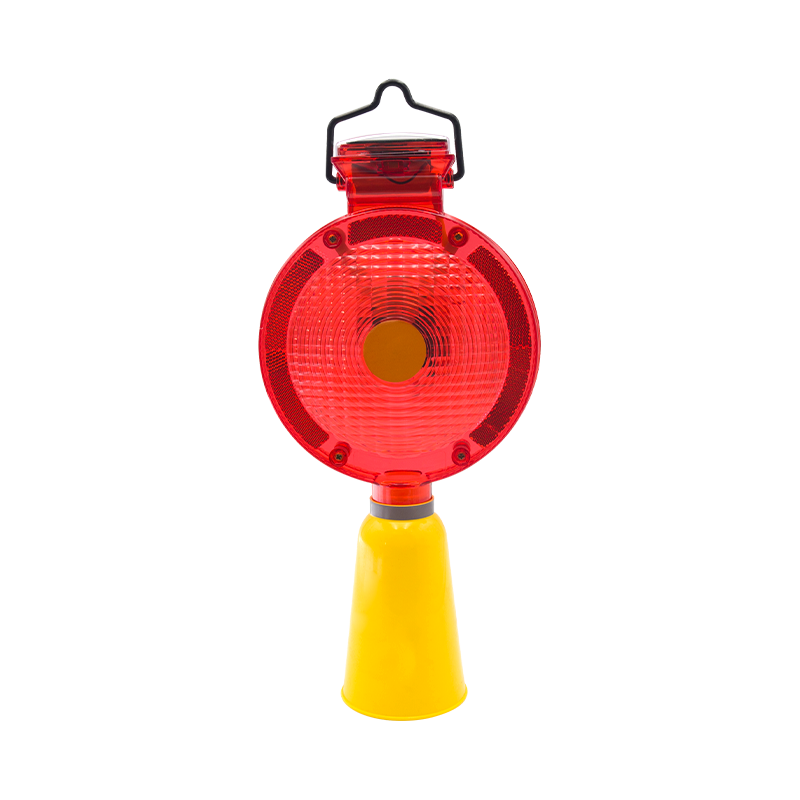
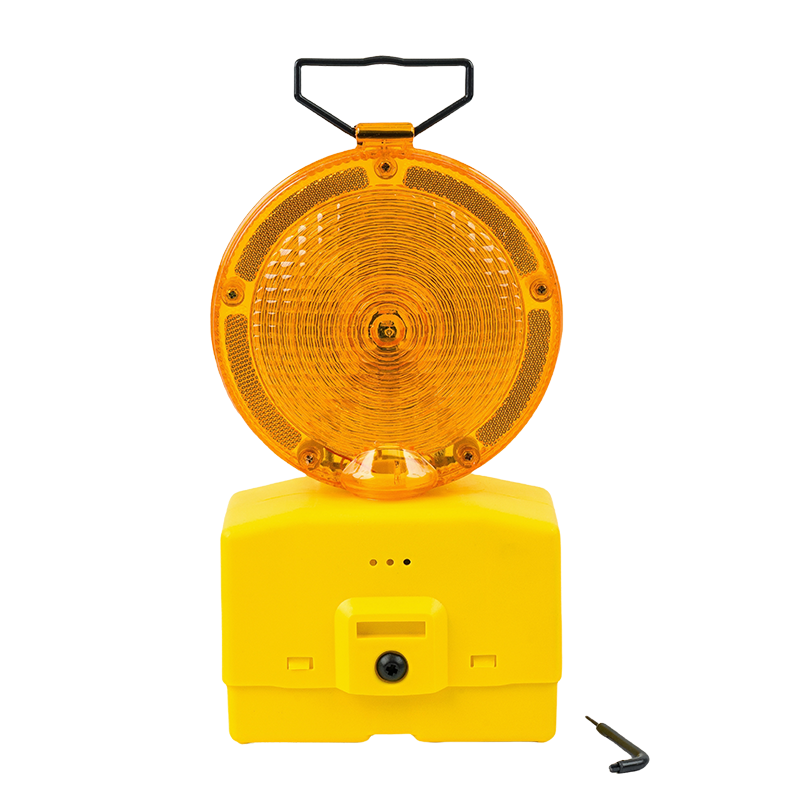
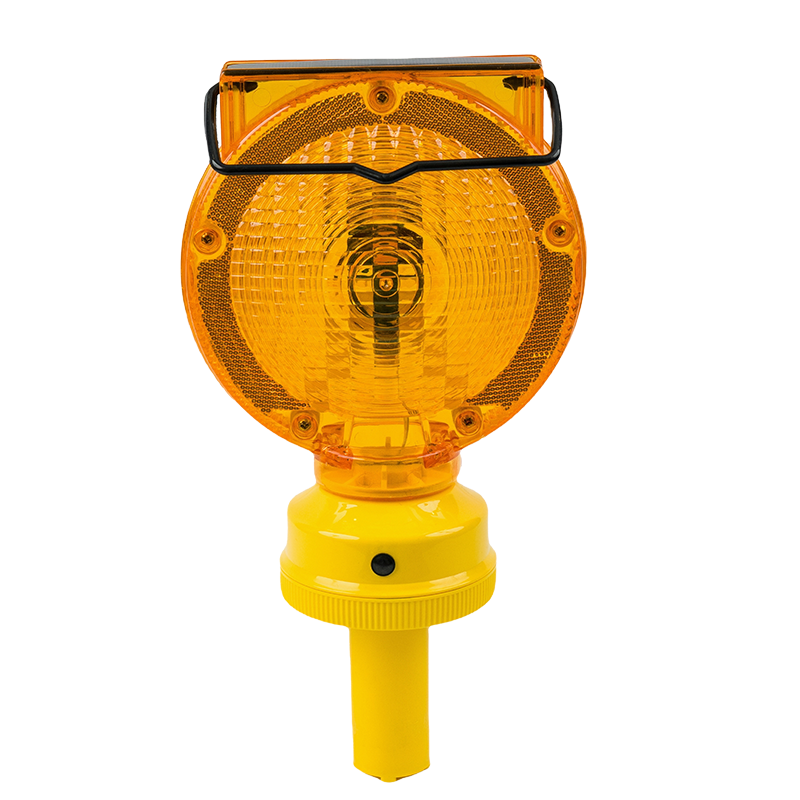
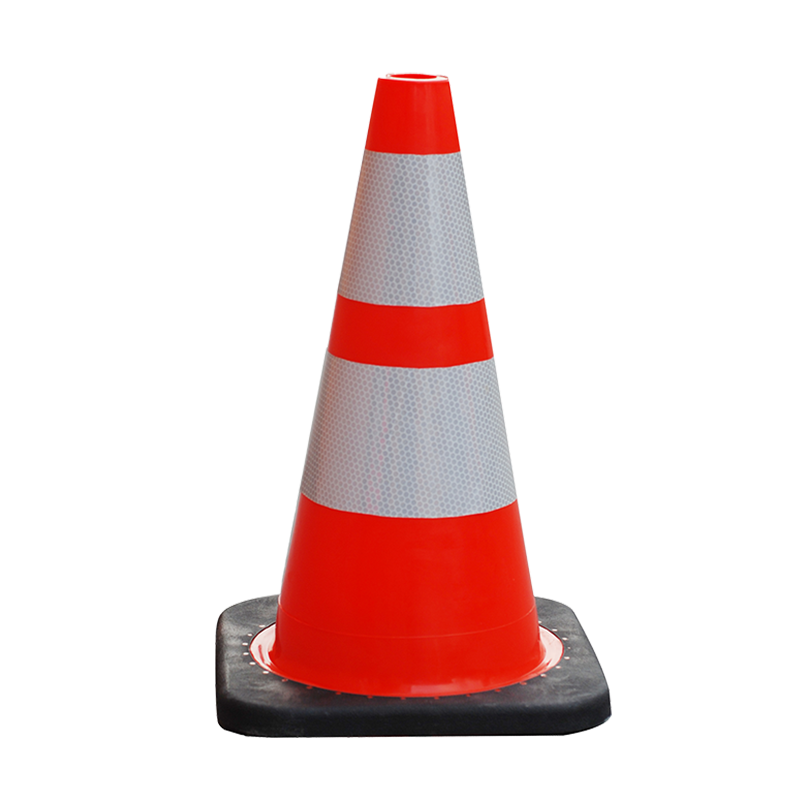
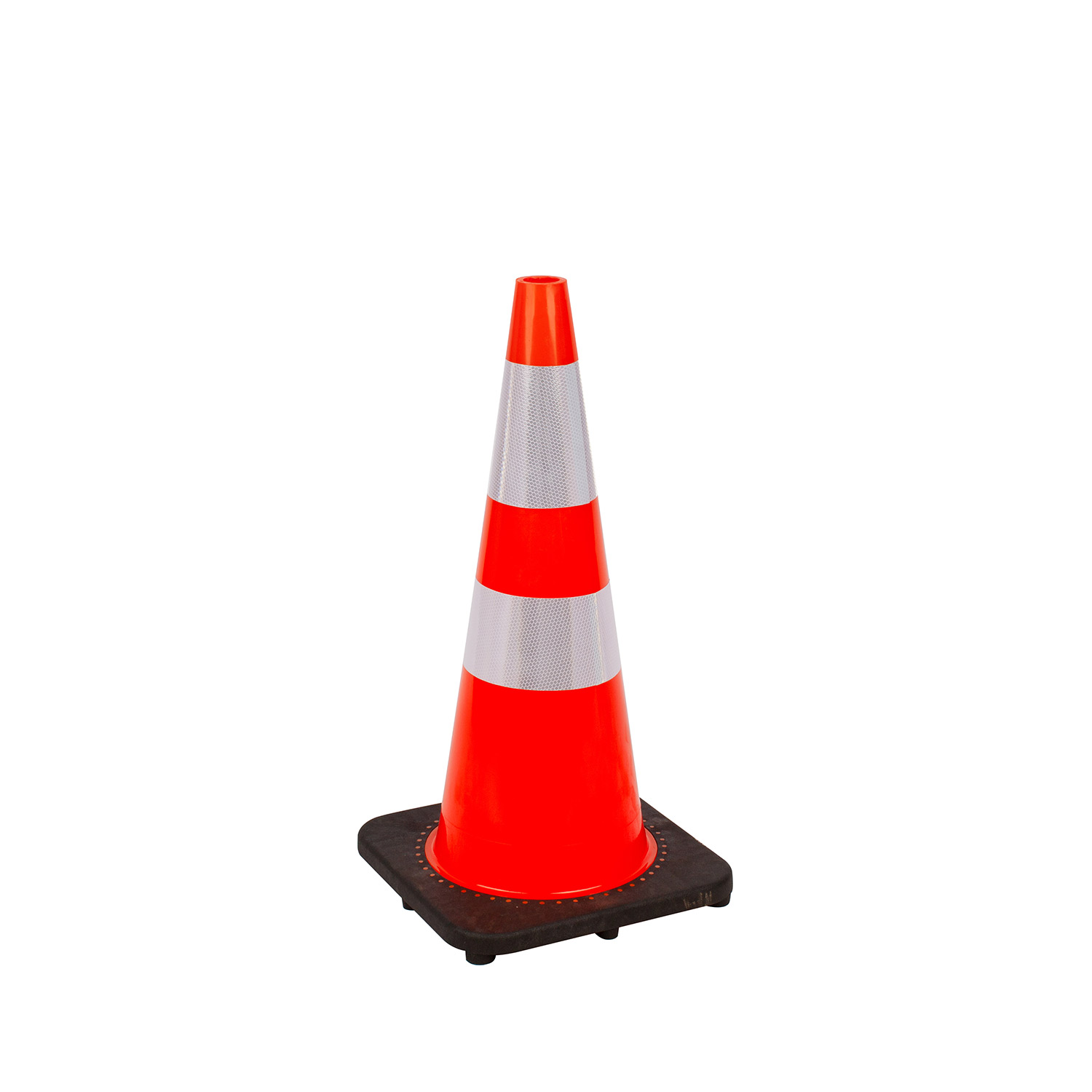
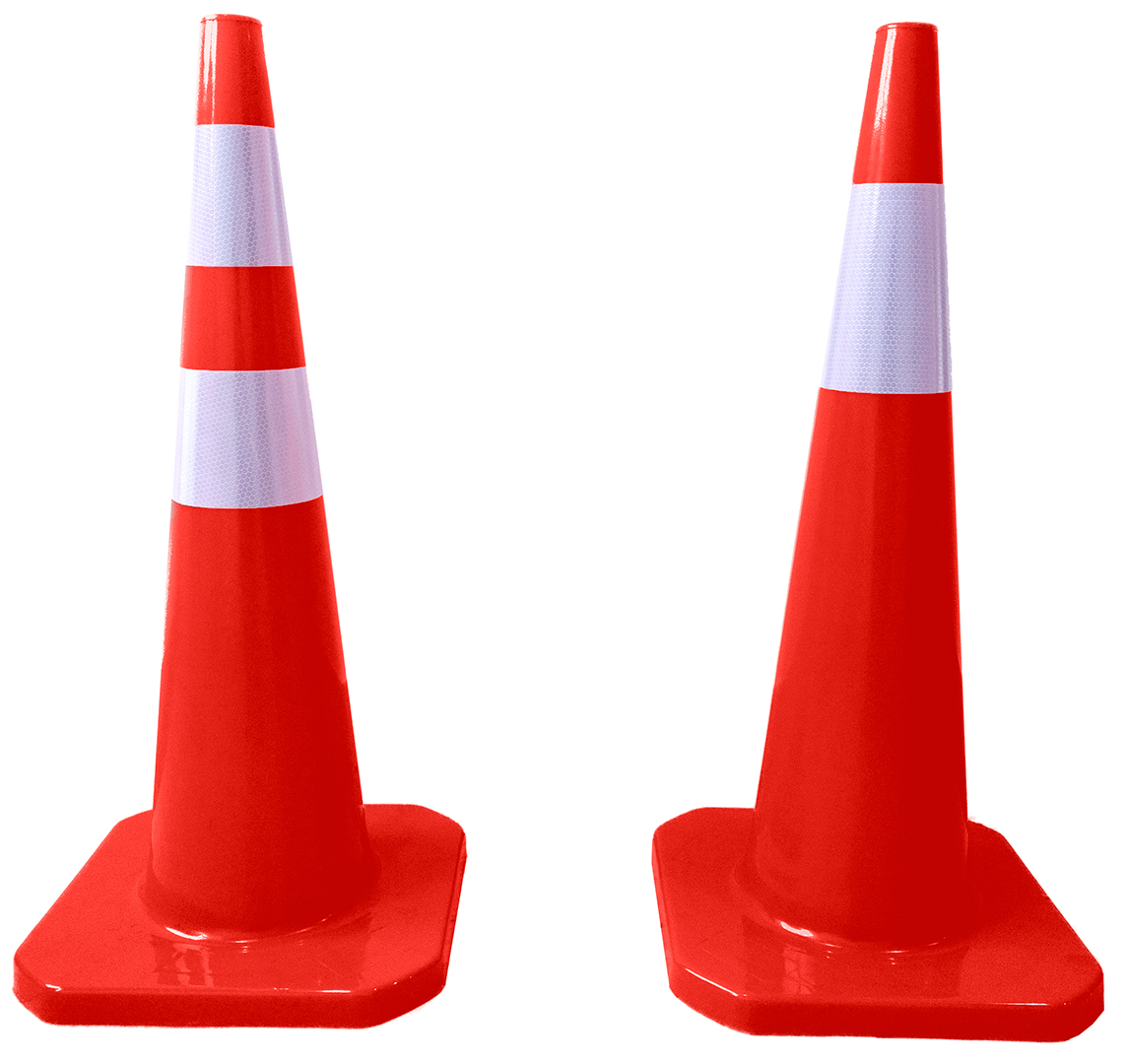
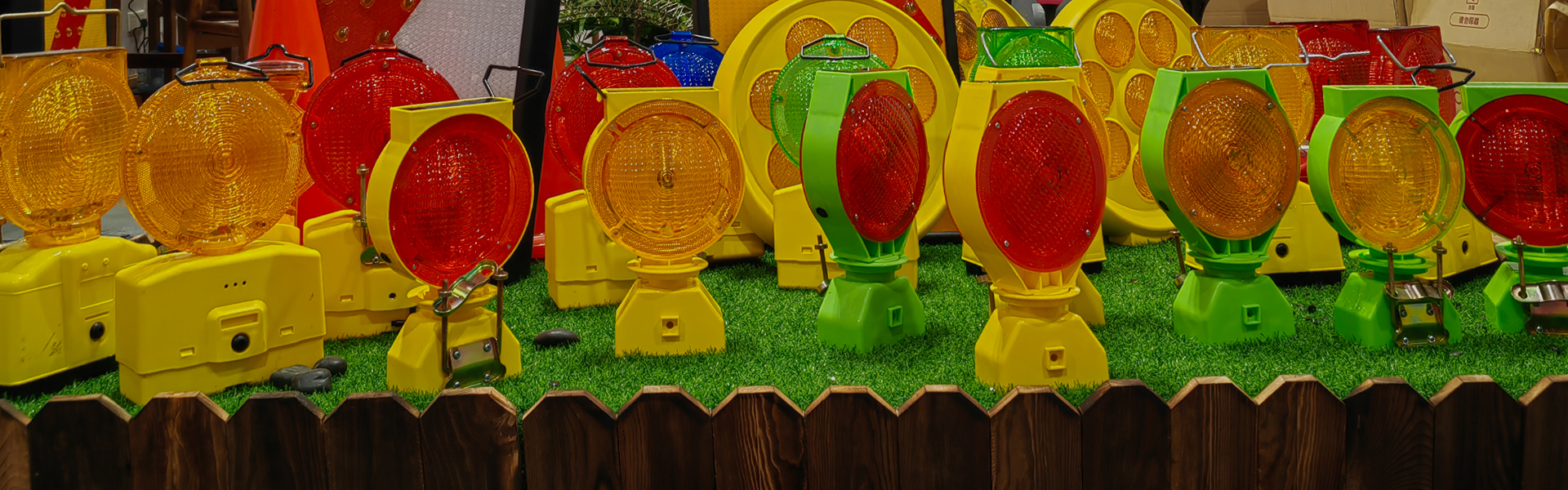
The protection hierarchy on a live carriageway is straightforward. Anyone working within the traffic envelope wears a certified hard hat with a chin strap, because a helmet that shifts during a sudden movement stops being protection. High-visibility clothing and reflective traffic cones with weighted rubber bases handle vehicle guidance, while solar warning lights or battery-powered emergency beacons keep the taper visible when daylight fades.
Chin straps and stability become the deciding purchase criteria in this setting. A helmet that rides up when the wearer looks down is a helmet that will be worn incorrectly within a week. Models built with six points of suspension stability, such as the SH118 6-points suspension safety helmet, reduce that movement because the load is spread over more contact points and the harness holds its shape when the head tilts.
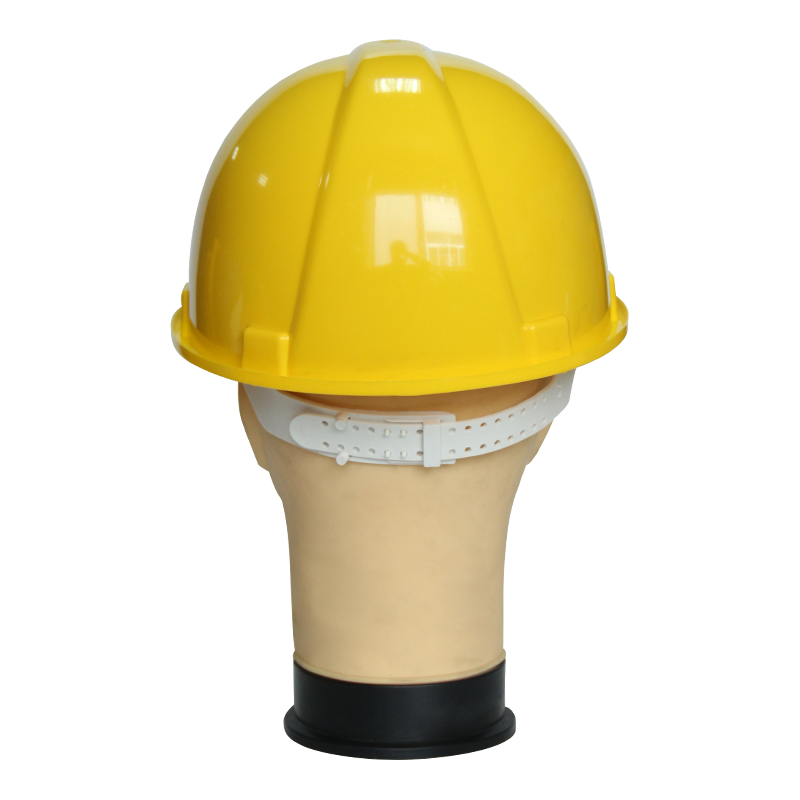 SH118 6 Points of Suspension Safety HelmetsLightweight and economical safety helmet with a high-density polyethylene (HDPE) shell. Equipped with a six-point suspension system to ensure a comfortable fit. Each b...View Product →
For crews who move between the roadside and a compound, a simple rule works well: helmets stay on whenever the worker is outside the compound fence. Inside the compound, where the only real hazard is a barrier frame or a sign post at head height, a bump cap is often enough and much more comfortable across a ten-hour shift. Writing that boundary into the method statement removes the daily judgement call.
On live roads the helmet must stay on the head, so chin strap fit and suspension stability are safety features, not accessories.
Once you have decided which category you need, the purchase itself is a sequence of checks. Work through them in order and you will avoid both over-specification and under-specification.
The purchase price is the smallest part of the calculation. A basic bump cap might cost a fraction of a certified helmet, but if it is replaced twice a year across a large workforce the annual difference shrinks. A certified helmet costs more up front and typically serves two to three years of normal use with suspension replacement in between. Buyers who only compare unit prices usually end up paying more per protected worker-hour.
Suspension harnesses stretch with use and are normally replaced more often than shells. Keeping a stock of matching suspensions is cheaper than replacing complete helmets and keeps the certified configuration intact. Substituting an unmatched harness is one of the most common audit findings in plants that buy from several suppliers at once.
Compare cost per protected worker per year, not cost per unit, and treat the suspension as a consumable that must match the shell.
Most head protection failures are not caused by bad products. They come from small decisions made quickly, often under delivery pressure.
The visible-crack point is worth repeating because it catches experienced people. Modern shells are designed to deform and recover, so a helmet can absorb a serious impact and still look intact from the outside. The protective capacity is spent even when the appearance is unchanged, and only an internal inspection or a straight replacement policy will catch it.
Replace any helmet that has taken a significant impact, regardless of how undamaged it looks on the outside.
When volumes grow beyond a few dozen units a year, the buying conversation changes. Instead of picking from a distributor's catalogue, you are specifying a product with a manufacturer, and the questions shift to moulds, materials, certification and delivery reliability.
A capable manufacturer should be able to explain the production process rather than just quote a price. Injection moulding capacity determines how quickly a large order can be produced and how consistent the shells will be between batches. Ningbo Hoyoung Safety Products Co., Ltd. operates a 5,000 square metre workshop with 16 injection moulding machines and a largely automated production line, and states ISO 9001 based quality management with CE certified products exported to Europe, North America, South America and Southeast Asia. That combination, moulding capability plus a documented quality system, is what volume buyers should look for.
Useful questions to put to any head protection supplier, whether they are a manufacturer, a wholesaler or an OEM partner, include the following.
Lead time deserves a specific mention because head protection orders often arrive late and under pressure. A supplier located near a major port has a logistics advantage for export orders, and a buyer who places a repeat order two months before the busy season rarely has to pay for air freight. Sample evaluation before a bulk order is standard practice and is the cheapest risk control available: wear the helmet for a full shift, check sweatband wear, inspect the suspension rivets and read the markings before committing to a container.
Finally, think about the full range rather than the single item. A plant that buys helmets, safety shoes, traffic cones and warning lights from one source reduces its supplier management workload and gets more consistent documentation. That matters during audits, when a purchasing manager may need to produce certificates for four product families at short notice.
Choose a supplier who can show you the moulding floor, the certificate file and the spare parts list, because all three affect what arrives in your warehouse.
No. A bump cap is more comfortable and better suited to low-energy collisions with fixed objects, but it offers far less protection against falling or swinging objects and no electrical insulation. The two products are not ranked versions of each other.
Generally no. Construction sites normally involve work above head level, which creates a falling-object hazard that a bump cap is not designed or tested for. A certified helmet is the standard requirement in that environment.
Only marginally. It may reduce the sting of a small item falling a short distance, but it has no suspension system to absorb the energy of a real impact and provides no penetration resistance at the level required for head protection standards.
In most markets the terms are used interchangeably for the same certified product. Some regions use "safety helmet" for a broader category that includes high performance models such as EN 14052, so always confirm which standard the item actually holds.
EN 812 is the European standard for industrial bump caps. If a product claims bump cap performance but shows no standard mark on the inside, treat the claim as unverified and ask for documentation.
Shells are commonly replaced every two to five years depending on manufacturer guidance and exposure conditions, with suspensions replaced more often. Any helmet that has absorbed a significant impact should be taken out of service immediately.
Usually not. Ventilation openings can reduce electrical insulation performance, so vented shells are typically restricted to environments without live conductor exposure. Check the class marking before issuing a vented model to electrical staff.
Type I helmets are tested for top impact only, while Type II helmets are tested for both top and lateral impact. Type II models are often specified in construction, energy and heavy industry where sideways blows are plausible.
Yes, most manufacturers offer printing, embroidery or moulded branding. Confirm that the branding method does not alter the shell and that the certification remains valid for the finished product.
It depends on colour, size and branding, and it is usually higher for custom colours or dedicated moulds than for standard stock items. Ask for MOQ per model and per colour before you finalise a specification.
Most bump caps do not include one because they are worn in low-energy environments. If the wearer leans, bends or works at height, a properly fitted helmet with a chin strap is the more suitable choice.
The safest answer to any bump cap vs hard hat question is the one that matches the hazard, not the one that matches the budget or the weather.
Head protection decisions become simple once the direction of the energy is clear. When something moves towards the wearer, whether that is a dropped tool, a swinging load or a live conductor, the only defensible answer is a certified hard hat with the correct type, class and fit. When the wearer moves towards a fixed object in a low-energy environment, a bump cap reduces the severity of the everyday knocks that fill accident books in warehouses and processing plants.
Buyers who treat the two products as interchangeable usually end up with one of two problems: a workforce that is under-protected in a genuine impact zone, or a workforce that refuses to wear an over-specified helmet for a full shift. Matching the product to the hazard, testing a sample on a real shift, and keeping documentation current solves both.
Specify by hazard and standard first, then optimise for comfort, because protection only works when the product is actually worn.
Explore the full head protection range or dig deeper into material and performance topics before you place your next order.
It is focused on the overall solution of dry bulk material port transfer system,
research and development,
manufacturing, and service
Contact Us
Contact UsMiss. Jenny
+86 136 5588 7720
sales8@hoyoungsafety.com
sales1@hoyoungsafety.com