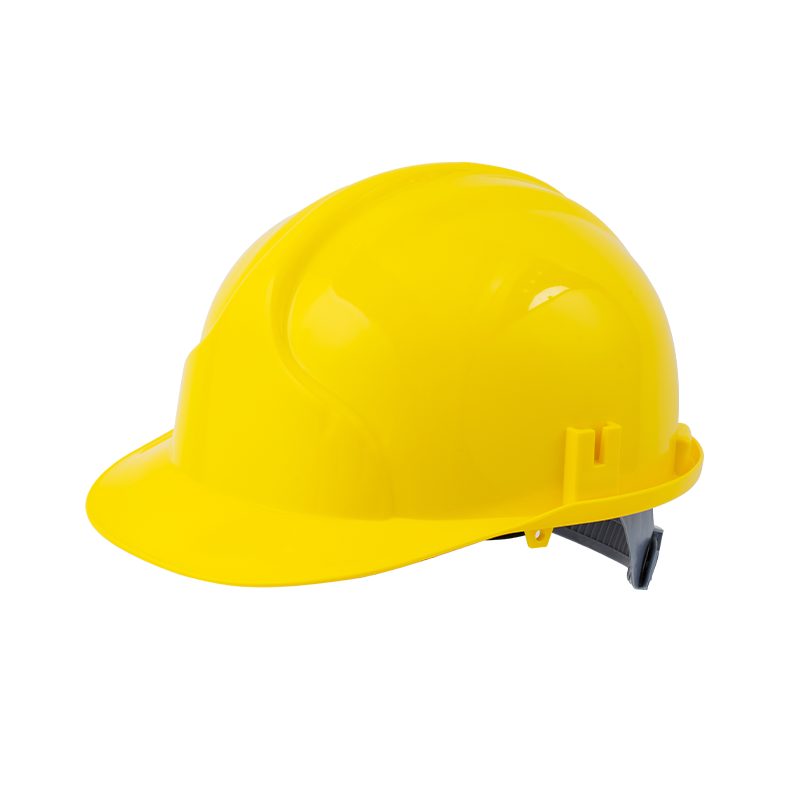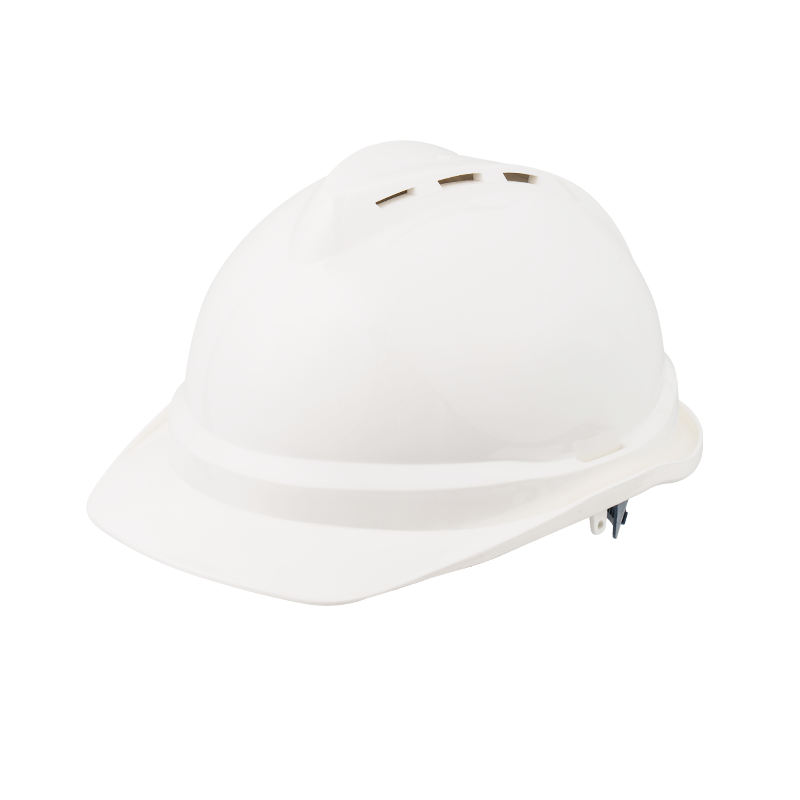
A construction safety helmet is one of the most basic but most important pieces of personal protective equipment on any jobsite. Whether you work in building construction, road projects, factories, or maintenance areas, wearing the right helmet can prevent serious head injuries and even save lives. Let’s take a closer look at why safety helmets matter and how to choose the right one.
A construction safety helmet, also known as a hard hat, is designed to protect the head from falling objects, impacts, and electrical hazards. It usually consists of a strong outer shell and an inner suspension system that absorbs shock and spreads impact force.
Modern helmets are lightweight, comfortable, and designed for long working hours without causing discomfort.
The outer shell blocks and deflects direct impacts, while the inner suspension creates space between the head and the shell. This structure reduces the force transferred to the skull during accidents.
Some helmets also include additional protection features such as chin straps, ventilation holes, and sweat-absorbing liners for better comfort and safety.
Construction sites are full of potential hazards. Tools, materials, and debris can fall from height at any time. A safety helmet provides a critical layer of protection against unexpected accidents.
Many safety regulations require helmets because they significantly reduce the risk of head injuries and workplace fatalities.
High-quality helmets offer better impact resistance, longer service life, and improved comfort. Adjustable headbands allow a better fit for different users. Some models also provide UV resistance and heat protection for outdoor work.
Better comfort means workers are more likely to wear helmets correctly throughout the day.
Important factors include safety certification standards, material strength, weight, ventilation design, and compatibility with other protective equipment such as face shields and earmuffs.
It is also important to choose the right helmet type based on working environment, such as electrical protection or high-impact zones.
Always inspect helmets for cracks or damage before use. Replace helmets after strong impacts or long-term exposure to sunlight. Clean them regularly to maintain hygiene and performance.
With proper use and maintenance, a construction safety helmet remains a reliable shield that protects workers every day on the job.
It is focused on the overall solution of dry bulk material port transfer system,
research and development,
manufacturing, and service
Contact Us
Contact UsMiss. Jenny
+86 136 5588 7720
sales8@hoyoungsafety.com
sales1@hoyoungsafety.com