 English
 Español
 عربى
عربى

Industry News
Home / News / Industry News / How to wear a construction safety helmet correctly to ensure maximum safety?

Construction sites are high-risk environments where workers are frequently exposed to hazards such as falling objects, impacts from heavy objects, and electrical hazards. To ensure worker safety, construction safety helmets are essential personal protective equipment. Wearing a construction safety helmet correctly not only effectively protects the head from injury but also improves safety and comfort during work. However, many workers and managers often neglect how to wear safety helmets correctly, and incorrect wearing may even reduce their protective effect.
1. Choosing the Right Construction Helmet
The first step in correctly wearing a safety helmet is choosing the right one. Construction helmets can be categorized into several types based on their design, materials, and intended use.
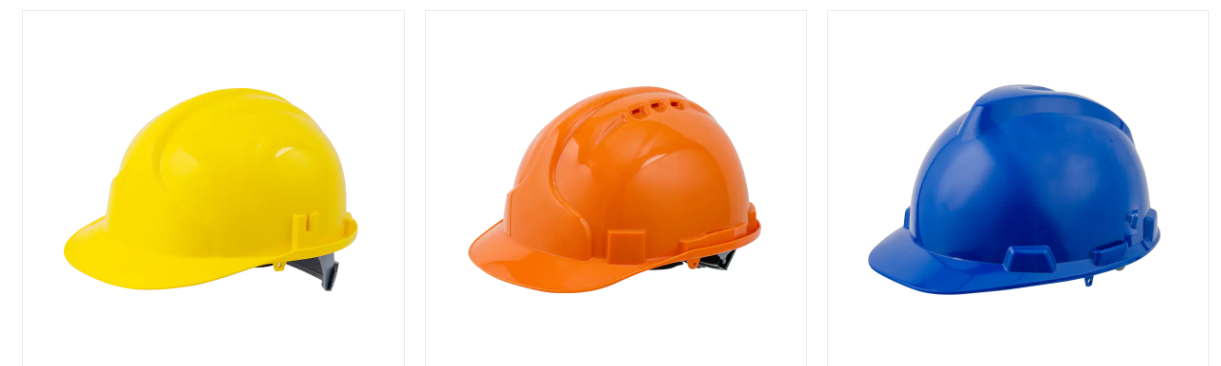
Common construction helmets include:
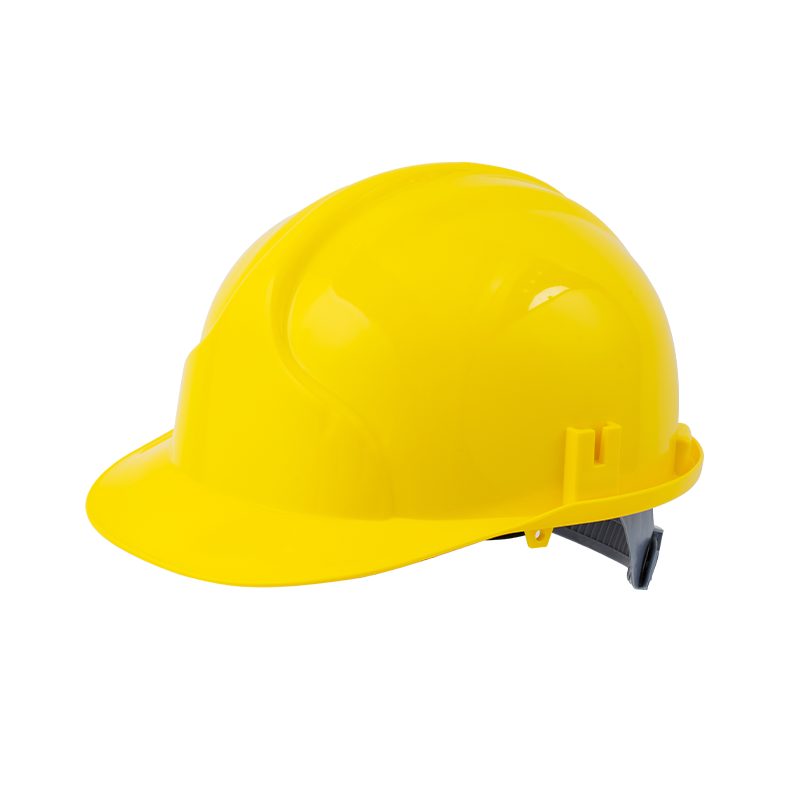
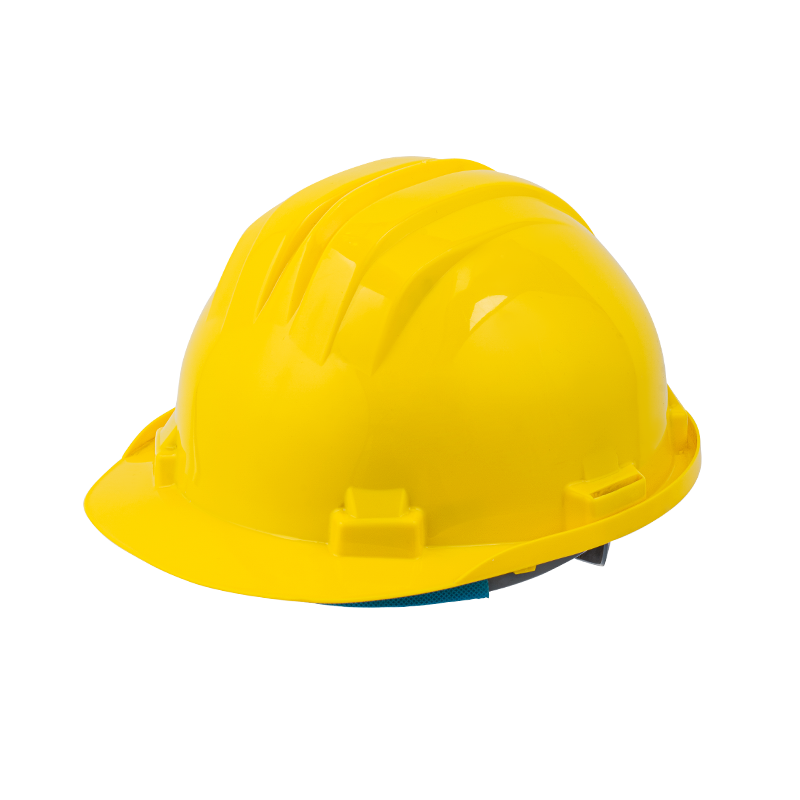
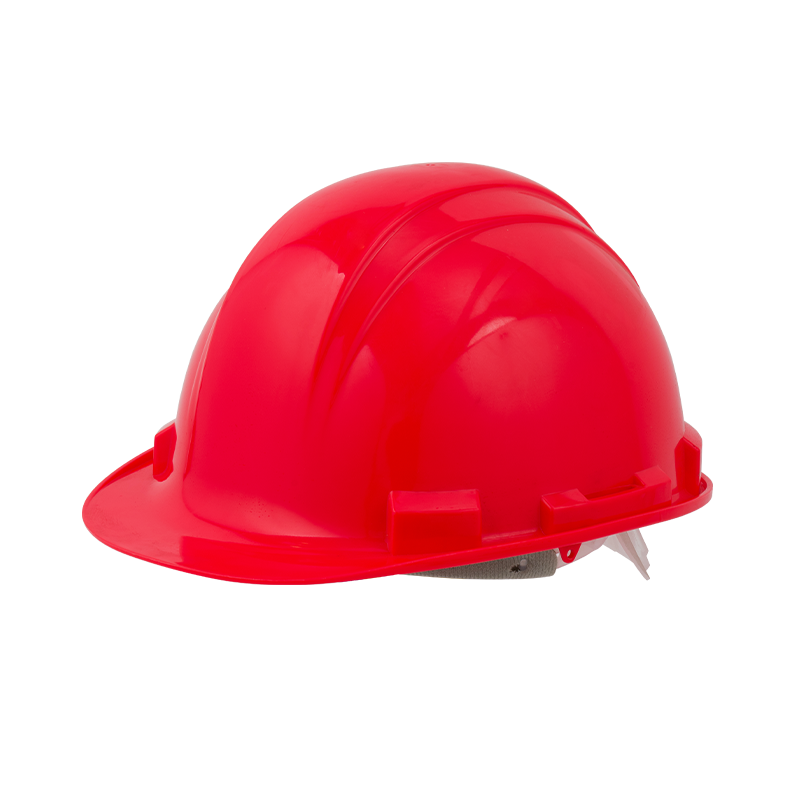
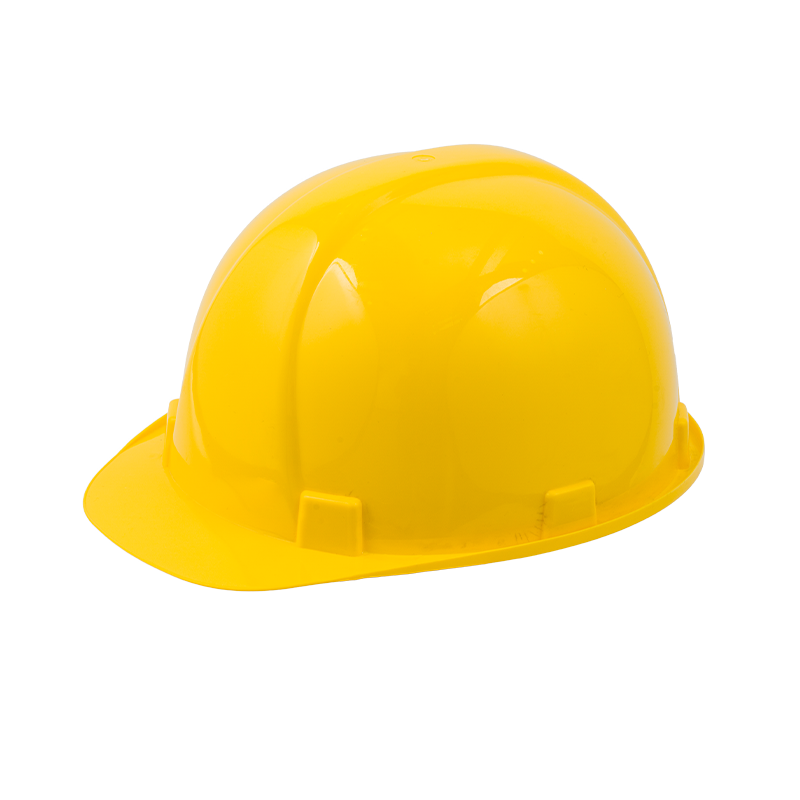
Traditional Helmets: These helmets are typically made of hard plastic or polycarbonate and offer good impact resistance.
Helmets with Face Shields: Suitable for work environments requiring facial protection, such as high-temperature environments like welding and cutting.
Helmets with Earmuffs: Used in noisy environments to protect hearing from damage.
When choosing a helmet, it's essential to consider the specific requirements of the work environment to ensure it provides sufficient protection. For example, strong impact resistance, anti-static properties, and protection against electric shock are important considerations when selecting a helmet.
2. Ensure the Helmet Fits Properly
The size of the helmet is crucial for ensuring optimal protection. If the helmet is too large, it may be unstable, slipping or shifting, thus failing to effectively protect the head. Conversely, if the helmet is too small, it may cause pressure, discomfort, and even headaches after prolonged wear.
How to Measure the Correct Helmet Size?
Measure Head Circumference: Use a soft measuring tape to measure the circumference of your head at its widest point, typically between the forehead and the back of the head. Choose the appropriate helmet size based on the measurement.
Adjust the Lining: Most construction helmets have an adjustable liner system that allows you to adjust the tightness to fit your head shape. When adjusting, ensure the helmet is securely fixed to your head and does not wobble.
The correct size ensures a snug fit, providing optimal protection and increasing comfort.
3. Check the Helmet's Condition Before Wearing
Before wearing a helmet, always check it to ensure it is in good working order. Here are some key inspection steps:
Check the shell integrity: Ensure the helmet shell is free of cracks, dents, or damage. If damaged, replace the helmet immediately.
Check the liner and buckles: The liner should be clean and free of wear or detachment. Ensure the buckles are secure and that the adjustment strap can be adjusted smoothly without coming loose.
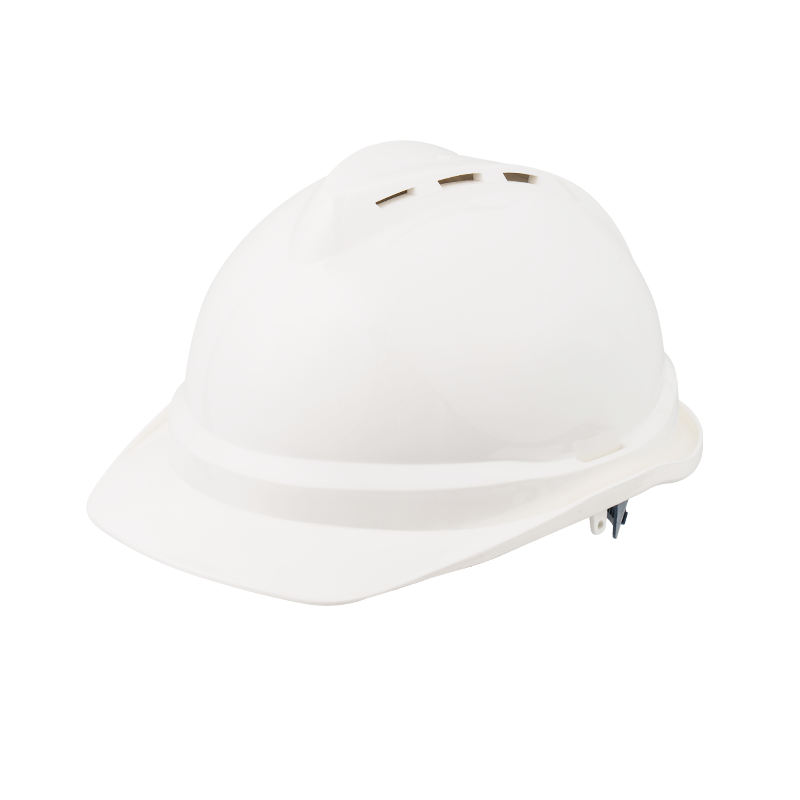
Check the ventilation holes: Some helmets have ventilation holes to increase comfort. Ensure these holes are not blocked and maintain good ventilation.
If any problems are found during the inspection, replace the helmet immediately. Avoid using damaged helmets.
4. Correct Wearing of Construction Helmets
The proper way to wear a construction helmet is crucial. Correct wearing ensures maximum protection. Follow these steps:
Wearing Steps:
Put the helmet on from the front: Ensure the front of the helmet is facing forward, the brim is down, and it fits snugly against your forehead. Do not wear the helmet backwards, as this will not provide adequate protection.
Adjust the liner and buckle: Adjust the liner and adjusting strap to ensure the helmet fits snugly against your head, but not too tightly to avoid discomfort or impaired blood circulation. The liner should be evenly distributed to avoid localized pressure.
Ensure the helmet is secure: Shake your head after putting it on to ensure the helmet is stable. If the helmet feels loose, readjust the liner or buckle.
Wear the chin strap: If the helmet has a chin strap (especially in windy conditions or when working at heights), be sure to wear it. The chin strap further enhances the helmet's stability and prevents it from slipping off.
Precautions:
Avoid wearing the helmet too low or too high. Wearing it too low may obstruct vision and impair judgment during work; wearing it too high may cause instability.
Do not arbitrarily remove or adjust the helmet's inner liner system. The liner is designed to provide additional impact absorption and comfort.
5. Avoid Wearing Too Many Items
While some workers may like to wear accessories such as headlamps and tools on their helmets, excessive attachments may affect the helmet's stability and protective effect. When wearing items, ensure that:
Items do not interfere with the helmet's position.
Ensure that attachments do not affect the helmet's normal structure and function.
Especially when working at heights, items should not be too heavy to avoid increasing the burden on the head or creating unnecessary safety hazards.
6. Replace Construction Helmets Regularly
Although construction helmets provide long-term protection, they are not indefinitely durable. Over time, the helmet material will age, wear, or become damaged, at which point a new helmet is necessary. Generally, the lifespan of a safety helmet should be assessed based on the following factors:
Frequency of use: If the safety helmet is frequently used under high intensity, it should be inspected and replaced regularly.
Environmental factors: High temperatures, chemical exposure, or ultraviolet radiation can accelerate material aging, causing the helmet to lose its original protective performance.
Damage: If the safety helmet shows cracks, deformation, or other obvious damage, it should be replaced immediately.
Wearing a construction safety helmet correctly is a crucial step in ensuring worker safety. Choosing the right helmet, ensuring the correct size, wearing it correctly, and regularly inspecting and replacing it are key steps to ensure the helmet provides maximum protection. By following these guidelines, you can ensure your head remains safe during work, effectively reducing construction site accidents and improving overall work safety.
Whether working at heights, handling materials, or participating in other construction activities, a construction safety helmet is an indispensable piece of protective equipment. Make sure to wear a safety helmet as part of your daily work routine to ensure your safety and health.
It is focused on the overall solution of dry bulk material port transfer system,
research and development,
manufacturing, and service
Contact Us
Contact UsMiss. Jenny
+86 136 5588 7720
sales8@hoyoungsafety.com
sales1@hoyoungsafety.com