 English
 Español
 عربى

Industry News
Home / News / Industry News / Hard Hat Types Explained: Classes, Styles, Materials, and Sourcing Guide
Content
If a site manager is replacing a mixed batch of damaged hard hats, the first question is usually not “which brand” but “which hard hat types actually fit the work?” The answer depends on four practical decisions: the direction of impact risk, the electrical environment, the shell and suspension style, and the accessories the wearer needs.
For most general construction sites, a Type I, cap-style, HDPE hard hat with a four-point or six-point suspension is a sensible starting point. Electrical work should push the selection toward Class E protection. Full-brim styles and safety-helmet designs make more sense where sun exposure, lateral impact risk, chin straps, or accessory slots matter. None of these choices is automatically better than another; they simply solve different problems.
Hard hat types are easier to compare when you separate them into layers instead of treating them as one long product list:
For buyers sourcing from a hard hat manufacturer, those layers also become a specification sheet. A distributor may need a low-cost general-purpose shell for a hardware catalog, while a contractor may need a ventilated six-point model for a hot climate. A wholesaler may need stable packaging, spare suspensions, and consistent CE documentation across several shell colors. The type is only the beginning; the order details decide whether the product works in the field.
Type I and Type II are the two broad hard hat types used in North American head-protection discussions. The difference is not cosmetic. It is about where the helmet is expected to absorb and distribute force.
A Type I hard hat is designed primarily for impact from above. It protects the top of the head against falling objects, bumps, and some penetration hazards. Most traditional cap-style construction helmets fall into this category. They are light, familiar, and easy to wear for long shifts, which is why they remain common on general building sites, warehouses, and maintenance work.
In Hoyoung’s HDPE range, the SH100 penetration-resistant safety helmet is an example of a cap-style model aimed at top-impact and penetration protection. Buyers should still confirm the exact ANSI or EN marking required for their market, because the shell shape alone does not prove a classification.
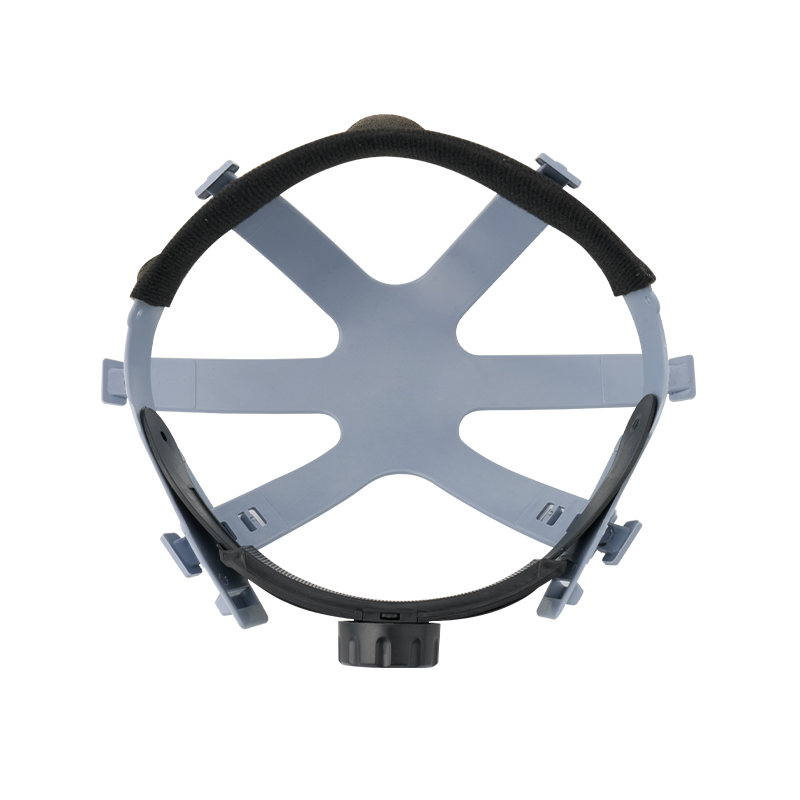 SH100 Penetration Resistant HDPE Safety HelmetHDPE cap-style helmet for top-impact and penetration protection, offered with multiple suspension and sweatband configurations.View Product →
A Type II hard hat adds lateral impact protection. That matters when a worker may strike the side of the head against a beam, pipe, vehicle frame, or low structure, or when the helmet is used in crowded industrial spaces. Type II models often use a full-brim shape, extra padding, or a more enclosed safety-helmet design.
| Feature | Type I | Type II |
|---|---|---|
| Main protection | Top impact and penetration | Top and lateral impact |
| Common shape | Cap-style | Full-brim or safety-helmet style |
| Typical use | General construction, maintenance, warehousing | Heavy industry, utility work, crowded sites, high side-impact risk |
| Weight and ventilation | Often lighter and simpler | Often more structure, padding, or coverage |
| Buyer check | Confirm the required standard and class | Confirm lateral impact marking and accessory compatibility |
The practical lesson is simple: do not buy a Type II shell just because it sounds stronger, and do not default to Type I when the site has real side-impact exposure. Look at the task, the surrounding structures, and the standard that governs the project. A hard hat supplier should be able to show the marking, test documentation, and suspension configuration rather than only a product photo.
Hard hat classes are separate from hard hat types. A helmet can be Type I and Class E, for example, because one term describes impact direction and the other describes electrical performance. This distinction is often missed in purchasing conversations, which can lead to the wrong product arriving on site.
| Class | Electrical meaning | Typical buying note |
|---|---|---|
| Class E | Electrical protection tested for high-voltage exposure, commonly up to 20,000 volts under ANSI Z89.1 | Choose for utility, electrical maintenance, and high-voltage environments |
| Class G | General electrical protection, commonly up to 2,200 volts under ANSI Z89.1 | Used where lower-voltage exposure is possible but full Class E is not specified |
| Class C | Conductive, with no electrical insulation rating | Never use where contact with live electrical circuits is possible |
Class C hard hats are often chosen for ventilation and comfort. That is exactly why the class must be checked before purchase. A vented shell may be comfortable in heat, but ventilation openings and conductive materials can be unacceptable in electrical work. For a contractor, the safest buying process is to state the electrical exposure in the inquiry, not to order a generic “vented hard hat” and hope it fits the task.
For export markets, the class language may differ between ANSI/ISEA Z89.1 and EN 397. A CE-marked industrial helmet is not automatically the same as an ANSI Class E helmet. A responsible hard hat manufacturer should clarify which standard the product is tested to, what marking appears on the shell, and whether the documentation matches the destination market.
Once the impact type and electrical class are clear, the next choice is shape. Shape affects sun protection, rain runoff, accessory mounting, balance, and how the helmet feels during a full shift.
Cap-style hard hats have a short front brim and no full brim around the sides and back. They are common in construction because they are light, easy to store, and compatible with many face shields and earmuffs. They suit workers who move through confined spaces and do not need full sun coverage.
Full-brim hard hats provide a continuous brim around the shell. That extra coverage can help with sun, rain, and debris, and it is often preferred in outdoor utility, road, and heavy construction work. The trade-off is bulk and a different balance point. Some users also find full-brim shells warmer because they block more airflow around the head.
Safety-helmet styles look more like climbing or rescue helmets than traditional hard hats. They often include a chin strap, a more enclosed fit, accessory slots, and sometimes ventilation. They are useful where a helmet must stay in place during climbing, confined-space entry, or work at height. The key is not the look; it is whether the helmet carries the correct industrial standard for the job.
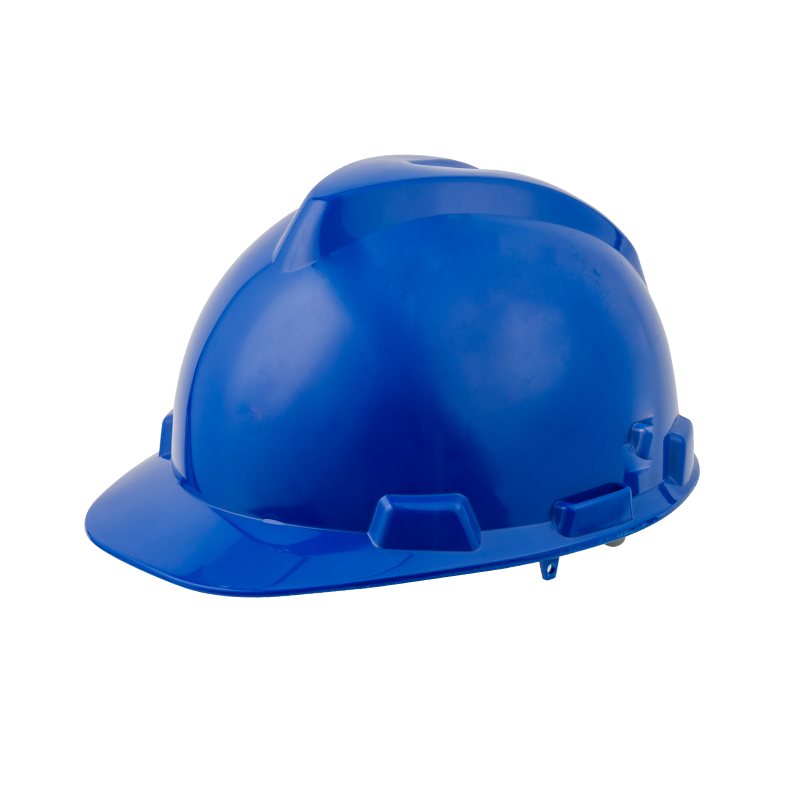
The SH104 V-guard safety helmet is a cap-style HDPE model in Hoyoung’s range, built around a V-shaped shell structure and everyday construction use. It is the kind of model a distributor might stock for general site wear, while keeping Type II or full-brim options for customers with different exposure.
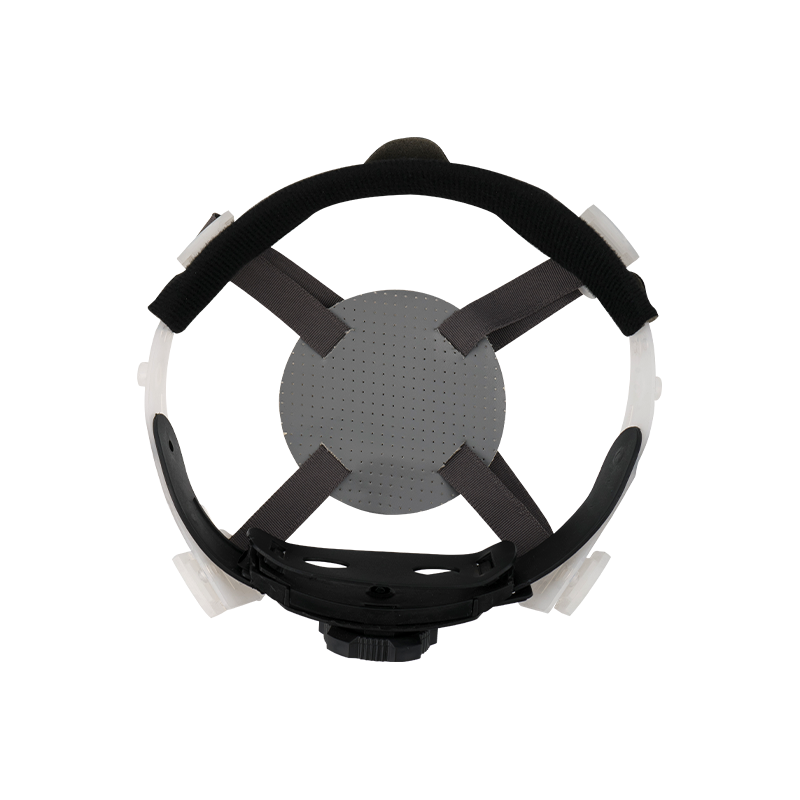 SH104 V-Guard HDPE Safety HelmetCap-style HDPE helmet with V-shaped shell and adjustable suspension, suited to general construction and distributor stock.View Product →
| Style | Practical strength | Watch point |
|---|---|---|
| Cap-style | Light, compact, familiar fit | Limited sun and rain coverage |
| Full-brim | Better face and neck coverage | More bulk; check accessory fit |
| Safety-helmet style | Chin strap, enclosed fit, accessory options | Confirm the standard for industrial use |
For a wholesaler, shape is also a inventory decision. Cap-style shells sell across many general construction accounts, while full-brim and safety-helmet styles tend to serve more specific segments. Offering one shell color in three shapes is rarely enough; the packaging, suspension, and accessory compatibility should match the customer group.
Hard hat types are often described by shape and class, but the shell material changes how the helmet feels, how it ages, and how it is positioned in a product line. HDPE and ABS are both common in industrial head protection, and both can be suitable when the design and certification are correct.
High-density polyethylene is tough, lightweight, and widely used for general-purpose shells. It can offer good impact resistance and a slightly flexible feel. HDPE is often a practical choice for high-volume construction helmets, because it balances cost, weight, and durability. UV stabilization matters for outdoor use, especially in markets with strong sun exposure.
ABS is a stiffer plastic. It can hold a molded shape well, take a cleaner surface finish, and feel more rigid in the hand. Some buyers prefer ABS for a more premium look or for applications where shell stiffness is valued. The trade-off is that material choice alone does not make one helmet safer than another; the finished product must meet the relevant standard.
For a hard hat supplier, the material question should be tied to the market. A low-cost general-purpose line may lean toward HDPE. A product line with a more premium finish or specific stiffness preference may lean toward ABS. In both cases, the buyer should ask for the shell marking, the suspension type, and the test documentation rather than relying on a material label alone.
Hoyoung maintains both HDPE and ABS safety helmet categories because different customers describe their needs differently. Some ask for “a light construction helmet,” others ask for “a rigid ABS shell,” and others ask for “a ventilated six-point model.” A manufacturer that understands those differences can help a distributor build a coherent range instead of a random collection of shells.
The suspension is the part that touches the head and spreads impact load. A good shell with a poor suspension is an uncomfortable helmet, and an uncomfortable helmet is less likely to be worn correctly. This is why experienced buyers ask about suspension before they ask about color.
A four-point suspension connects to the shell at four points. It is simple, light, and common in basic hard hats. A six-point suspension uses six connection points to spread pressure more evenly and improve stability. Workers who wear a helmet for long shifts, climb, or use accessories often notice the difference. Neither system is automatically better for every task, but the six-point design is usually easier to justify when fit and stability are important.
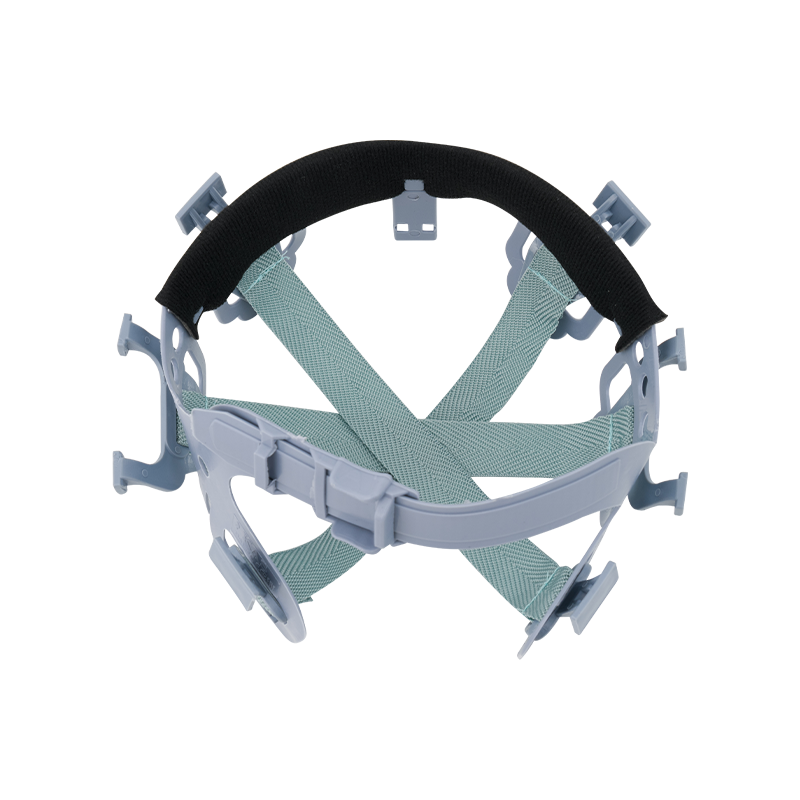 SH102 Six-Point Breathable HDPE Safety HelmetVentilated HDPE helmet with six-point suspension for hot environments, offering more even head pressure and stable fit.View Product →
The SH102 six-point suspension breathable safety helmet is an example of a model aimed at airflow and a more stable head fit. For hot climates, ventilation can improve comfort, but the buyer still needs to confirm whether a vented shell is acceptable for the electrical class required on site.
For bulk orders, spare suspensions and sweatbands are worth discussing. A distributor that can supply replacement parts helps contractors keep helmets in service instead of replacing complete units after minor wear. That is a practical after-sales advantage, especially for rental fleets and large maintenance teams.
A bump cap is not a hard hat. It is designed for minor head bumps in low-clearance areas, such as maintenance, warehousing, or light assembly. It does not provide the same falling-object protection as an industrial hard hat, and it should not be used as a substitute where a hard hat is required. Some bump caps are tested to a separate standard, such as EN 812, but that is not the same as a hard hat standard.
Hard hats sit in the middle of the protection scale. They are built for falling objects, impact, and penetration, with classes and types that describe their performance. Safety helmets can look similar to hard hats, but the term is broad. Some are industrial helmets with chin straps and accessory slots; others are climbing or rescue helmets. The buyer must check the marking, not the shape.
The confusion usually appears in purchasing descriptions. A warehouse manager may ask for “light head protection” when a bump cap is enough. A construction contractor may ask for “a safety helmet” when the site actually requires a Type I or Type II hard hat. A good supplier asks about the hazard before quoting. That single question prevents a costly mismatch between the product and the site rule.
Hard hat types only become useful when they connect to a standard. ANSI/ISEA Z89.1 is common in the United States, while EN 397 is common in Europe and many export markets. CE marking indicates conformity for the applicable European requirements, but it does not replace the need to read the marking and test documentation for the specific model.
OSHA requires employers to provide appropriate head protection where there is a risk of head injury, but the employer still has to select the right type and class for the exposure. That is why a generic product photo is not enough. The buying file should include the standard, the marking, the suspension, and the intended use. A manufacturer with ISO 9001 systems and CE-marked products can support that file, but the buyer should still verify the documents for each model.
For private-label or distributor programs, markings and user instructions should be reviewed before production. A shell that is correct for one market may need different labeling for another. Clarifying that early avoids rework, delays, and customs questions later.
Hard hat colors are usually site-specific. There is no universal global code that makes white mean supervisor, yellow mean general worker, or orange mean visitor. Some projects use color to identify trades, safety roles, or visitors, but those rules come from the employer or site management, not from the helmet itself.
High-visibility colors can improve spotting in low light, traffic zones, and busy yards. White reflects heat better in strong sun, while yellow and orange are easy to see against many backgrounds. For a distributor, offering a color range is useful, but the sales conversation should still focus on the standard and class. Selling a “red supervisor helmet” to a customer who has not defined the site code can create confusion.
If a contractor wants color-coded helmets, the cleanest approach is to document the assignment in the site safety plan. The same applies to reflective strips, logo placement, and name labels. A hard hat manufacturer can produce consistent colors across batches, but the buyer should confirm the color reference and packaging labels so that the warehouse can issue the correct helmet without mixing roles.
A hard hat is a piece of safety equipment, not a permanent fixture. Daily inspection should include the shell, the suspension, the headband, and any accessories. Cracks, deep scratches, chalky surfaces, missing suspension clips, or a stretched headband are reasons to remove the helmet from service.
Replacement intervals vary by manufacturer, material, and exposure. Some programs set a documented service life, while others rely on inspection and manufacturer guidance. UV exposure, heat, chemicals, and rough handling all affect the shell. A hard hat that has been hit by a heavy object should be taken out of service and inspected by a competent person; if there is any doubt, replace it.
For rental fleets and large contractors, a simple helmet register helps. Record the model, batch, issue date, and inspection result. That record makes it easier to replace suspensions, retire damaged shells, and keep the right hard hat types assigned to the right crews.
When hard hat types move from a site discussion into a purchase order, the details multiply. A contractor may need 300 helmets in three colors with ratchet suspensions. A distributor may need a mixed container with spare sweatbands and private-label packaging. A wholesaler may need a stable supplier that can repeat the same shell, marking, and carton specification across multiple orders.
| Buying area | Question to ask | Why it matters |
|---|---|---|
| Standard | Which standard and class does this model carry? | Prevents a mismatch between the product and the site rule |
| Shell material | Is the shell HDPE or ABS, and is UV stabilization confirmed? | Affects weight, feel, aging, and product positioning |
| Suspension | Four-point or six-point; ratchet or pin-lock? | Affects comfort, fit stability, and replacement parts |
| Accessories | Are slots compatible with earmuffs, face shields, or lights? | Prevents after-sale fit problems |
| Branding | Is logo printing, color matching, or private label available? | Supports distributor and wholesaler programs |
| Packaging | What is the carton quantity and label format? | Reduces warehouse handling and mislabeling |
| Lead time | What is the production and shipping schedule? | Helps plan seasonal and tender deliveries |
The chart below is an illustrative way to compare selection priorities for a mixed construction account. It is not a statistical ranking; it is a practical conversation tool for aligning a buyer’s site risks with the hard hat types in a catalog.
Illustrative buyer priorities for a mixed hard hat order
The highest priorities should come from the actual work, not from the widest catalog. If a customer has utility crews, electrical class and top-impact protection deserve early attention. If the same customer also has warehouse staff, a bump cap or a lighter general-purpose helmet may be more appropriate than a full Type II shell. A hard hat supplier can help by separating the account into risk groups instead of quoting one model for every worker.
For a wholesaler, the same chart becomes a stocking guide. A broad color range is useful, but it should not push out the suspensions, sweatbands, and accessory parts that keep the product usable. For a contractor, the chart should be supported by a written site rule that states the required type, class, and replacement process. That is how a product list becomes a workable head-protection program.
Hoyoung’s role in that program is manufacturing rather than site consulting. The company can supply HDPE and ABS helmet ranges, suspension options, and accessory categories, and it can discuss private-label and export requirements. The buyer should still define the hazard and the standard, because the manufacturer cannot see the jobsite.
Ningbo Hoyoung Safety Products Co., Ltd. is a manufacturer based in Ningbo, Zhejiang, with a product focus on personal protective equipment and road safety products. The company describes 20 years of experience in the PPE field, a 5,000-square-meter workshop, 16 injection molding machines, and an automated production environment. Its safety helmet range includes HDPE and ABS categories, along with helmet accessories.
For buyers, those facts matter in different ways. A distributor may care about repeatable shell colors, carton consistency, and a supplier that can handle mixed product orders. A contractor may care about suspension options and replacement parts. An importer may care about CE-marked products, ISO 9001 quality systems, and export experience across Europe, the United States, South America, and Southeast Asia. The company’s location near Ningbo port also supports container planning and export logistics.
That does not mean every inquiry should become a custom project. Many orders are straightforward: choose the shell type, confirm the standard, select the suspension, set the color and logo, and agree on packaging. The advantage of working with a manufacturer is that those details can be aligned before production rather than patched together after the container arrives.
The main hard hat types are Type I and Type II for impact protection. Within those types, buyers also choose electrical classes such as Class E, Class G, or Class C, and shapes such as cap-style, full-brim, or safety-helmet style.
Type I hard hats are designed mainly for top impact and penetration. Type II hard hats add lateral impact protection, which is useful where the side of the head may strike a structure or where the site requires broader coverage.
Class E provides high-voltage electrical protection, Class G provides general electrical protection, and Class C is conductive with no electrical insulation rating. The exact voltage ratings should be confirmed against the standard marked on the helmet.
Neither is universally better. Full-brim styles offer more sun and rain coverage, while cap-style helmets are lighter and more compact. The choice depends on the work environment, accessory use, and the required standard.
Replacement depends on the manufacturer’s guidance, exposure conditions, and inspection results. A helmet should be replaced after a significant impact, if cracks or shell damage appear, or if the suspension is worn or cannot be adjusted safely.
No, not where a hard hat is required. A bump cap is intended for minor bumps in low-clearance areas and does not provide the same falling-object protection as an industrial hard hat.
Check the standard and marking, shell material, suspension type, accessory compatibility, replacement parts, packaging, lead time, and export documentation. A supplier that asks about the hazard before quoting is usually easier to work with than one that only sends a price list.
Both materials can be suitable when the finished helmet meets the required standard. HDPE is often light and tough, while ABS is stiffer and can offer a more rigid feel. The buyer should compare the complete product, not the material label alone.
Hard hat types are not a beauty contest between shells. They are a way to organize risk. Type I and Type II describe impact direction. Class E, G, and C describe electrical performance. Cap-style, full-brim, and safety-helmet shapes describe coverage and fit. HDPE and ABS describe material feel and product positioning. Suspension describes comfort and stability. The right combination is the one that matches the work and carries the correct marking.
For contractors, that means writing the requirement before ordering: the hazard, the standard, the class, the suspension, and the accessory needs. For distributors and wholesalers, it means building a range that covers common site risks without creating a catalog that is too broad to manage. For a manufacturer, it means supplying consistent shells, clear documentation, and replacement parts that keep the helmets usable.
If you are comparing hard hat types for a tender, distributor catalog, or private-label program, prepare the target standard, shell material, suspension type, logo requirement, packaging format, and expected volume. That information lets a manufacturer respond with a useful specification instead of a generic quotation.
Clear input at the inquiry stage reduces sampling delays and helps align the product with the destination market. It also makes it easier to compare quotations on the same basis, especially when several shell styles and suspension options are involved.
It is focused on the overall solution of dry bulk material port transfer system,
research and development,
manufacturing, and service
Contact Us
Contact UsMiss. Jenny
+86 136 5588 7720
sales8@hoyoungsafety.com
sales1@hoyoungsafety.com