Content
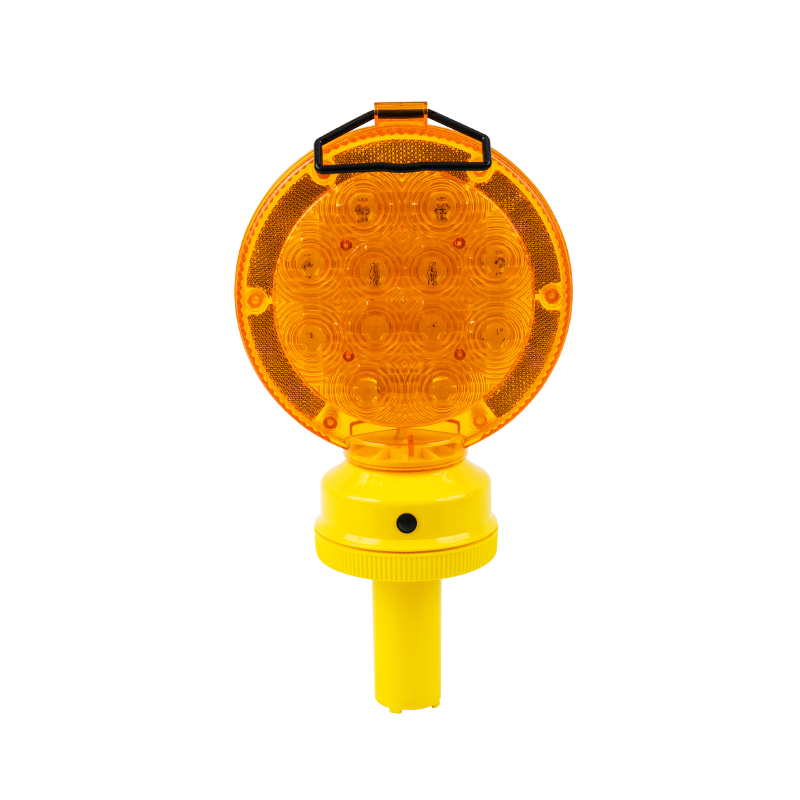
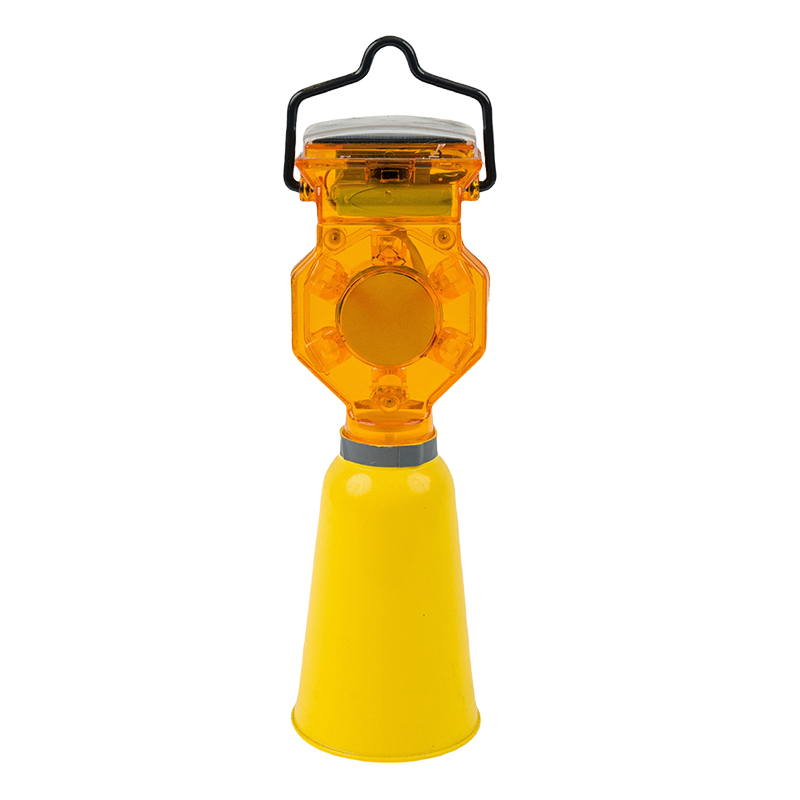
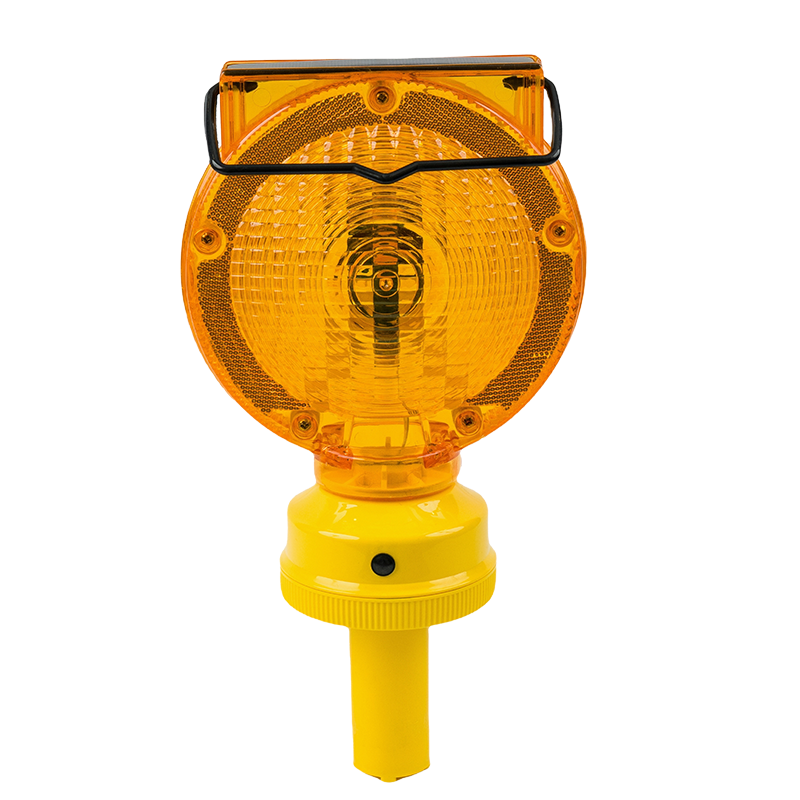
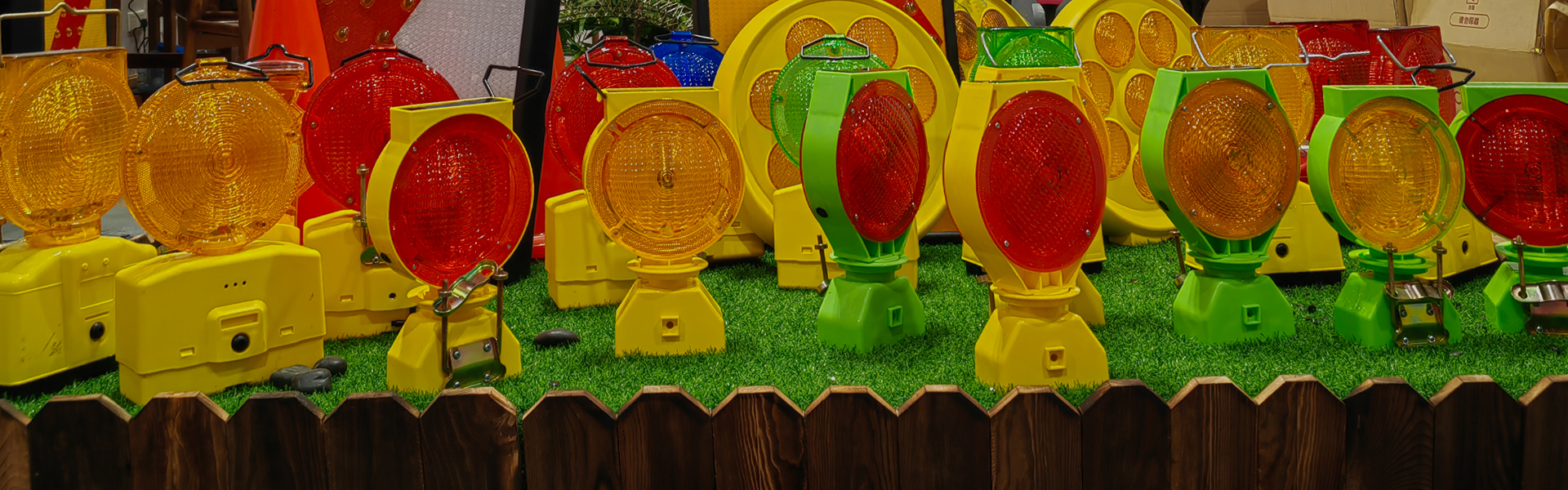
When choosing a warning light, always start with three non-negotiable factors: effective lumens (brightness), legal certifications (SAE/ECE/KC), and vehicle-specific mounting options. Without these, even the most feature-rich light may fail in an emergency or violate road safety regulations. For most commercial vehicles, a Class 1 (SAE) or R65 Class 2 (ECE) certified LED light provides the best balance of legal compliance and visibility.
For example, a typical warning light with 1,200 raw lumens delivers only ~800 effective lumens after optics – sufficient for construction zones but inadequate for highway-speed police interceptors. Always check effective lumens or candela values.
Selecting the wrong warning light can reduce safety and lead to fines. Below are the critical parameters you must analyze, supported by industry data.
A warning light’s effectiveness is measured in effective candela (cd), not just watts. For daytime use, aim for >500 cd; for nighttime, >200 cd is often sufficient. Most quality LED lights offer 20+ flash patterns. For instance, the Whelen Liberty II produces over 1,000 cd and is used by 70% of North American police fleets.
Uncertified lights can get you pulled over. Common standards include:
Choose between permanent, magnetic, or pipe mounting. For outdoor use, an IP67 or IP69K rating is essential – it means the light is dust-tight and can survive temporary immersion or high-pressure washing. A magnetic mount light with 150 lb pull force (e.g., Feniex Fusion) stays secure at highway speeds.
Color determines legal use and visibility distance. According to a University of Michigan study (2022), amber lights are most effective in fog and rain (visible up to 1.8 miles), while red/blue provide the highest contrast in clear weather but are restricted to emergency services in most US states.
Common use cases:
While LED is the modern standard, understanding the differences helps justify the investment. The table below summarizes real-world performance.
| Technology | Avg. Effective Candela | Lifespan (hours) | Power Draw (12V) | Typical Price Range |
|---|---|---|---|---|
| LED | 800 - 2,500 | 50,000+ | 1.5 - 3.5A | $80 - $400 |
| Xenon (Strobe) | 300 - 900 | 2,000 - 5,000 | 4.0 - 8.0A | $50 - $150 |
| Halogen | 150 - 400 | 500 - 1,000 | 6.0 - 10.0A | $20 - $60 |
LEDs last 10x longer and use 50% less power than xenon strobes, making them the clear choice for vehicles with frequent idle periods, like ambulances or service trucks.
Based on real customer inquiries from fleet managers and emergency vehicle operators, these are the top unresolved questions.
Yes, but with restrictions. Interior dash lights must not obstruct the driver’s view (FMVSS 101). They also lose up to 30% of effective candela due to window tinting. For maximum output, use exterior roof or grille mounts.
In most US states, two amber lights (one front, one rear) meeting SAE J595 Class 2 are the minimum. However, for highway towing, four lights with 360° visibility are strongly recommended – this reduces secondary crashes by 44% according to a 2021 ATRI study.
Only if miswired. A typical LED warning light draws 2A at 12V (24 watts). On a standard 100Ah truck battery, this would take 50 hours of continuous use to fully drain. However, always wire through a switched ignition source to prevent accidental drain.
Most regulations specify 60 to 240 flashes per minute (FPM). The SAE standard recommends 120-180 FPM for maximum human detection. Rates above 300 FPM can trigger seizures in photosensitive individuals and are illegal in many jurisdictions.
Following this process reduces the risk of non-compliance by over 90% and improves warning visibility by an average of 200% compared to random selection.
It is focused on the overall solution of dry bulk material port transfer system,
research and development,
manufacturing, and service
Contact Us
Contact UsMiss. Jenny
+86 136 5588 7720
sales8@hoyoungsafety.com
sales1@hoyoungsafety.com