Content
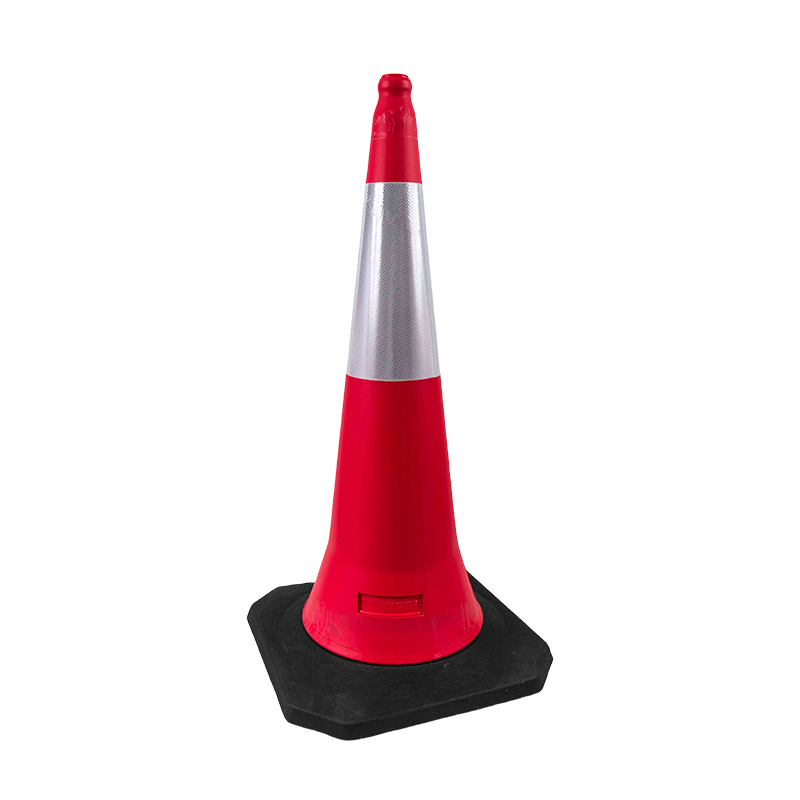
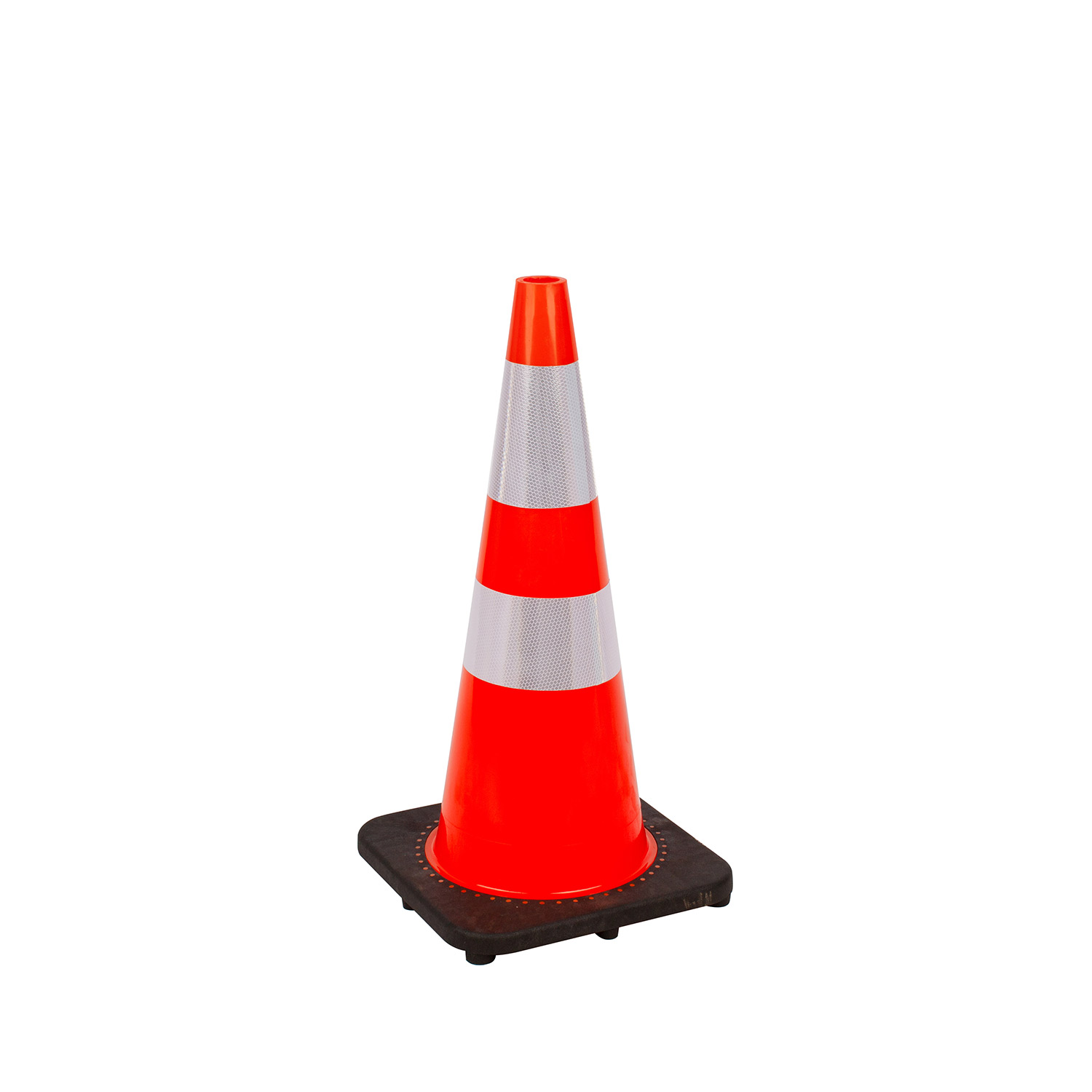
The right traffic cone depends entirely on your use case. For highway work zones, use 28-inch or 36-inch cones with reflective collars and a minimum 10-pound rubber base. For indoor or low-speed areas (under 25 mph), 18-inch or 28-inch lightweight cones (3-5 lbs) are sufficient. Always check that cones meet MUTCD (Manual on Uniform Traffic Control Devices) standards for retroreflection and color when used on public roads.
Selecting a traffic cone is not one-size-fits-all. The three most critical factors are physical dimensions, weight, and base design. Below is a data-driven comparison to guide your purchase.
| Application | Cone Height | Weight Range | Base Type |
|---|---|---|---|
| Parking lots / indoor | 18" - 28" | 2 - 5 lbs | Solid rubber or flat base |
| Residential streets (<25 mph) | 28" | 5 - 7 lbs | Square rubber base |
| Highways / work zones (>45 mph) | 36" or 45" | 10 - 15 lbs | Reinforced rubber with handle holes |
Heavier cones (10+ lbs) reduce tip-over risk by over 70% in high-wind or high-speed conditions. For night work, ensure the cone has two reflective collars – orange cones with white reflective tape are the most visible.
The material dictates longevity and stability. Here is how the three main options compare:
For 90% of professional road work, rubber cones offer the best balance of stability and cost-effectiveness. Data from state DOTs show rubber cones reduce replacement frequency by 60% compared to PVC.
If you use traffic cones on public roads in the US, federal standards apply. The MUTCD 2009 Edition (Section 6F.63) mandates:
Non-compliant cones can result in fines up to $5,000 per incident and liability in case of an accident. Always look for a "MUTCD compliant" label from a reputable brand like Vulcan, TrafficGuard, or Eastern Metal.
The MUTCD recommends a cone spacing of 20 feet on straight roads and 5-10 feet on curves or ramps. That means 5 cones per 100 linear feet for basic channelization. For taper zones (merging traffic), use one cone per 10 feet of taper length.
Yes. Most cones are designed with a tapered shape and hollow base allowing stacking. You can safely stack up to 25 cones (18-inch) or 15 cones (36-inch) without base deformation. Use cone racks or dollies to prevent tipping.
Rubber cones: 3-5 years full sun exposure. PVC cones: 1-2 years. UV degradation causes color fading and brittleness. To extend life, store cones indoors when not in use. Some high-grade polyurethane cones offer 10-year UV warranties.
Yes for outdoor wind speeds above 15 mph. A 7-lb cone without a weighted base will tip at 18-20 mph wind. A 10-lb rubber base cone withstands 30-35 mph gusts. For hurricane-prone regions, use cones with water-fillable bases – each holds up to 25 lbs of water.
Absolutely. For private use (no public roads), you do not need MUTCD compliance. 18-inch or 28-inch lightweight PVC cones ($3-$8 each) are sufficient. Add reflective tape only if event runs after dusk. Many event planners use collapsible cones to save storage space.
Pricing varies by quality and compliance. Use these real-market benchmarks when purchasing:
Trusted suppliers include: Grainger, Uline, Seton, Traffic Safety Store, and Home Depot Pro. For state DOT contracts, buy directly from manufacturers like Dickinson, Pexco, or Plastic Safety Systems. Always request a sample before ordering more than 100 units.
Final pro tip: Invest 20% more upfront in high-density rubber cones with sewn-on reflective collars. They will last 3x longer than glued-on alternatives, saving you money over two years.
It is focused on the overall solution of dry bulk material port transfer system,
research and development,
manufacturing, and service
Contact Us
Contact UsMiss. Jenny
+86 136 5588 7720
sales8@hoyoungsafety.com
sales1@hoyoungsafety.com