1. Visual and Structural Integrity Inspection
This is the most intuitive criterion for judgment; any visible damage can be a potential hazard.
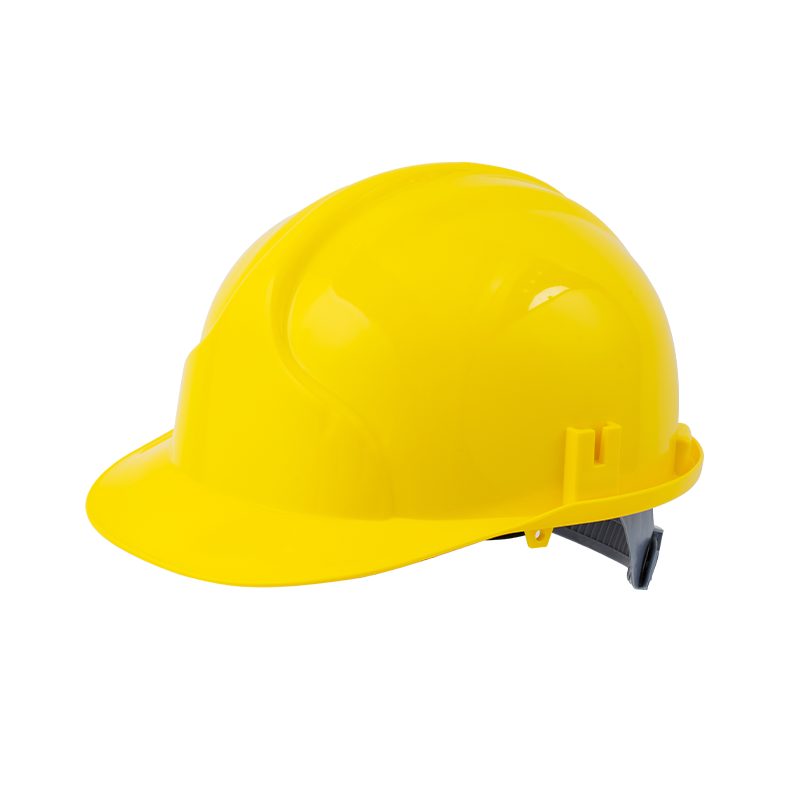
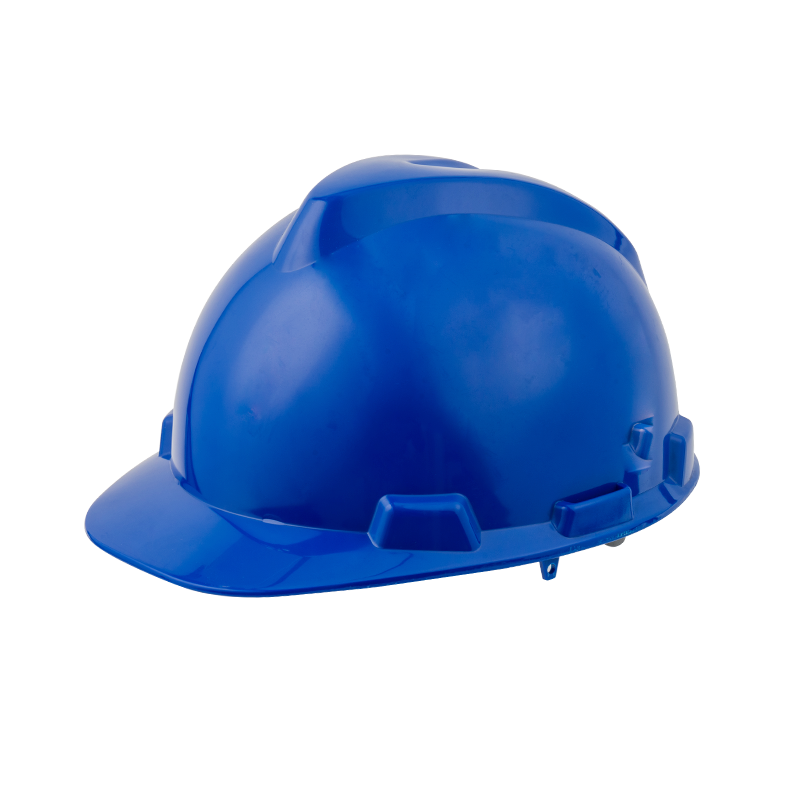
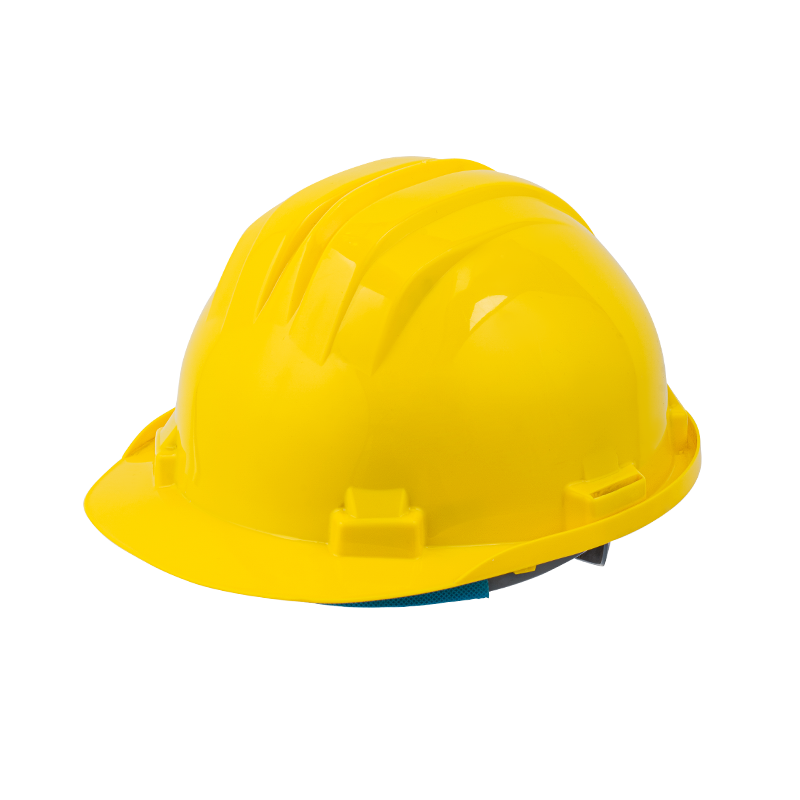
Shell inspection: Check the helmet shell for cracks, fissures, dents, or deformation. Even small cracks can weaken its impact absorption capacity.
Lining and padding: Is the internal padding detached, deformed, or does it have holes? The padding is an important material for cushioning impact; detachment or compression reduces its elasticity.
Chin strap inspection: Is the chin strap aged, cracked, or loose? A loose chin strap cannot secure the helmet in place, leading to it falling off.
2. Impact History and Damage Records
This is the most critical safety threshold judgment, often overlooked.
Hard impact: If the safety helmet has been subjected to heavy impact (such as falling or hitting a hard object) or a fall from a height, it must be replaced even if the appearance is intact.
Internal deformation: Is the inner lining or insulation layer of the helmet compressed? This is often invisible evidence of impact, indicating that the energy-absorbing structure has failed.
Excessive aging: Even without impact, long-term exposure to ultraviolet radiation, chemical corrosion, or temperature changes can cause material embrittlement, requiring premature replacement.
3. Service Life and Manufacturing Information
Ensure the safety helmet is used within its validity period according to standard time thresholds.
Manufacturing date: Check the manufacturing date on the side or bottom of the safety helmet. It is generally recommended to use it for no more than 5 years, but some standards or extreme environments recommend 2-3 years.
Certificates and markings: Confirm that the safety helmet has a certificate of conformity, CE certification, and manufacturer information (such as "Ningbo Haoxiong"). Products without markings or with unclear markings must be scrapped.
Accessory lifespan: Even if the helmet shell is intact, accessories such as padding and chin straps have their own lifespan, usually 3-4 years, and need to be inspected and replaced separately.
It is focused on the overall solution of dry bulk material port transfer system,
research and development,
manufacturing, and service
Contact Us
Contact UsMiss. Jenny
+86 136 5588 7720
sales8@hoyoungsafety.com
sales1@hoyoungsafety.com