Content
To use a traffic cone effectively, always follow three core principles: visibility first (use reflective cones at night), correct spacing (place cones 10-20 feet apart for low-speed areas), and legal compliance (only certified cones for public roads). Below, we break down exactly how to apply these rules in real-world scenarios and answer the most frequently asked questions.
Proper placement is the single most important factor in traffic cone effectiveness. Over 60% of worksite incidents are linked to incorrect cone spacing or taper length, according to OSHA guidelines.
The taper is the merging zone that directs traffic around an obstacle. For roads with speed limits up to 45 mph, use a taper length of at least 100 feet. For highways (55+ mph), extend the taper to 300–500 feet.
Within the closed lane or work zone, space cones every 10 to 20 feet for speeds under 35 mph. On faster roads, reduce spacing to 20–40 feet to maintain driver awareness.
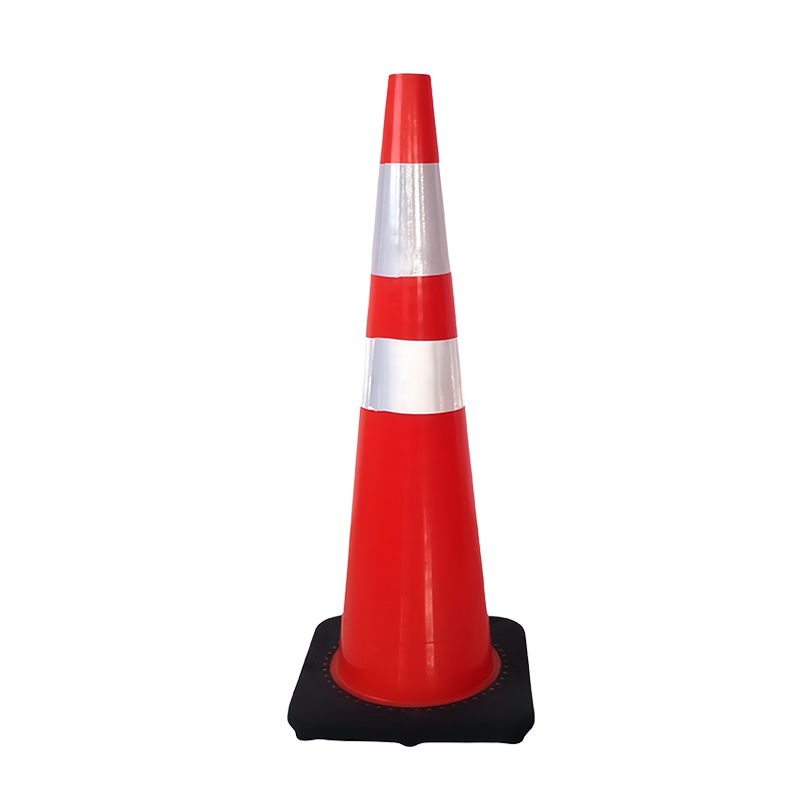
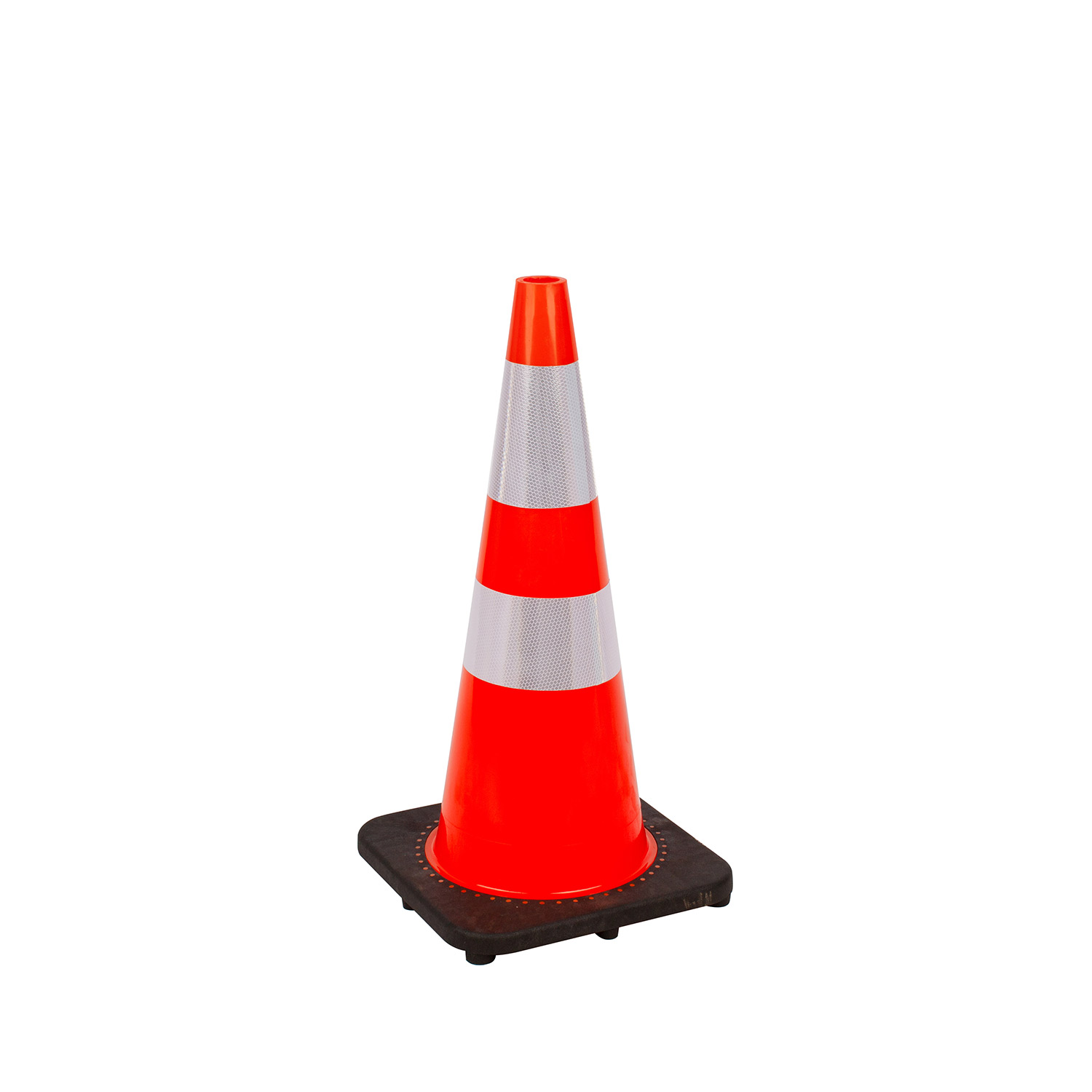
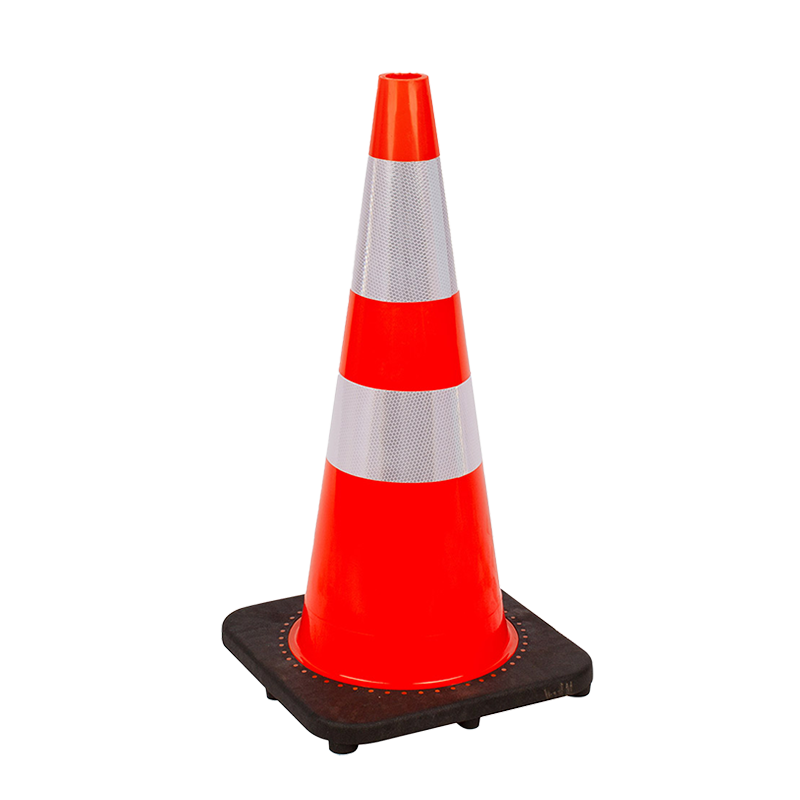
At night or in low light, reflective cones reduce collision risk by up to 75% compared to plain orange cones. Always use cones with at least two reflective bands or attach high-visibility sleeves.
Based on real user queries from construction crews, event managers, and homeowners, these are the most common questions about traffic cone usage.
No. Public roads require cones meeting MUTCD (Manual on Uniform Traffic Control Devices) standards. These cones must be 28 to 36 inches tall and have specific reflective materials. Using non-compliant cones can result in fines of up to $5,000 per day in some jurisdictions.
For outdoor use, choose cones weighing at least 7 pounds (3 kg) or use stackable cones with separate rubber bases. 10 lb (4.5 kg) cones are recommended for highways and windy areas. Lightweight 2-3 lb cones are only suitable for indoor or calm conditions.
Stack cones vertically with a cone rack or wall-mounted holder. Never store them flat or under heavy objects—deformation from improper storage causes 30% of cone failures. Keep away from direct sunlight when not in use to prevent UV degradation.
Use a mix of mild detergent and water with a soft brush. Avoid petroleum-based solvents, which break down the PVC material. For faded cones, a specialized cone restoration spray can restore color, but cones with cracks must be replaced immediately.
Yes, but standard cones become brittle below 20°F (-6°C). Use cold-weather cones made from TPE (thermoplastic elastomer), which remain flexible down to -40°F (-40°C). Add sandbags or ballast bases to prevent snow plows from displacing them.
For a standard two-car driveway (20 feet wide), you need at least 5 cones: one at each corner, one at the midpoint, and two forming a taper if blocking a lane. For a full road lane closure of 500 feet, calculate one cone every 20 feet = 25 cones minimum.
Choosing the wrong cone size is a common mistake. The table below shows recommended cone heights based on traffic speed and visibility distance. Using a 12-inch cone on a 45-mph road reduces driver reaction time by 40% compared to a 28-inch cone.
| Cone Height | Speed Limit | Typical Use Case | Reflective Required? |
|---|---|---|---|
| 12 inches (30 cm) | Parking lots, <15 mph | Indoor, sports, driveway markers | No |
| 18 inches (45 cm) | 25 mph zones | Residential streets, events | Optional |
| 28 inches (71 cm) | 35-45 mph | Local road work, lane shifts | Yes, required |
| 36 inches (91 cm) | 55+ mph highways | Interstate work zones, ramps | Mandatory (2+ bands) |
Even experienced crews make these errors. Avoiding them can reduce liability by up to 60% according to insurance claims data.
A city marathon requires closing a 2-mile stretch of road. Using the principles above, the event team placed 28-inch cones every 15 feet on both sides of the route. They added reflective collars despite daytime running because of tree shadows. Result: zero vehicle incursions and no injuries over 4 years of events. The taper zones at each intersection used 5 cones spaced 10 feet apart merging into the closure. This setup cost $1,200 in cone rental but prevented an estimated $50,000+ in liability from a single incident.
For a smaller application—like blocking off a parking space for a moving truck—the same logic applies: 3 cones (two at the front corners, one in the middle of the open side) with at least one reflective cone if working after 4 PM in winter.
Before deploying any cone, run through this 5-point checklist:
Following these steps ensures compliance with OSHA and MUTCD standards, protects workers and drivers, and extends the life of your traffic cones by 2-3 years.
It is focused on the overall solution of dry bulk material port transfer system,
research and development,
manufacturing, and service
Contact Us
Contact UsMiss. Jenny
+86 136 5588 7720
sales8@hoyoungsafety.com
sales1@hoyoungsafety.com