Content
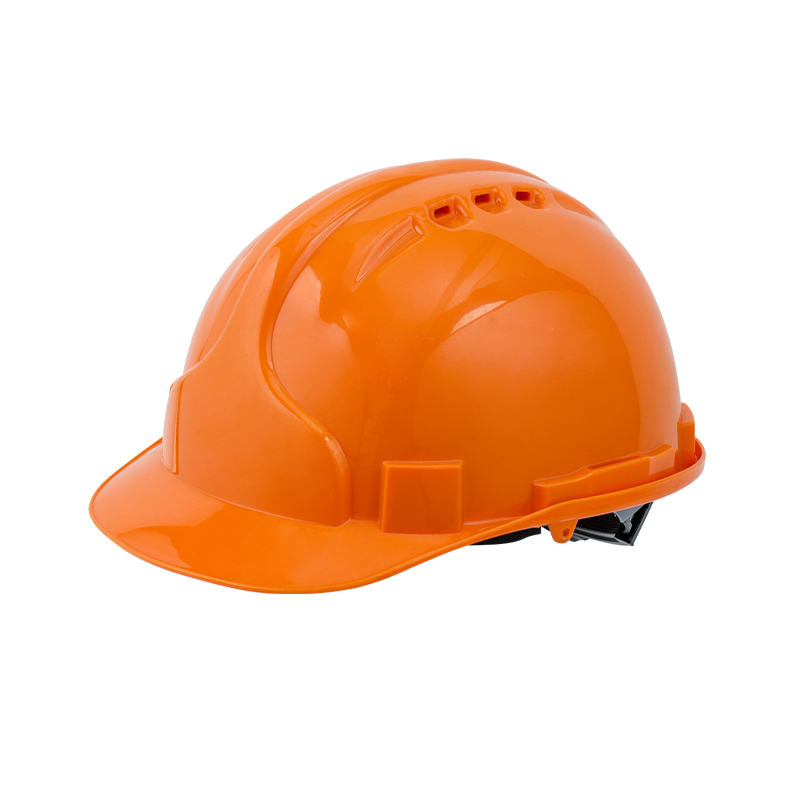
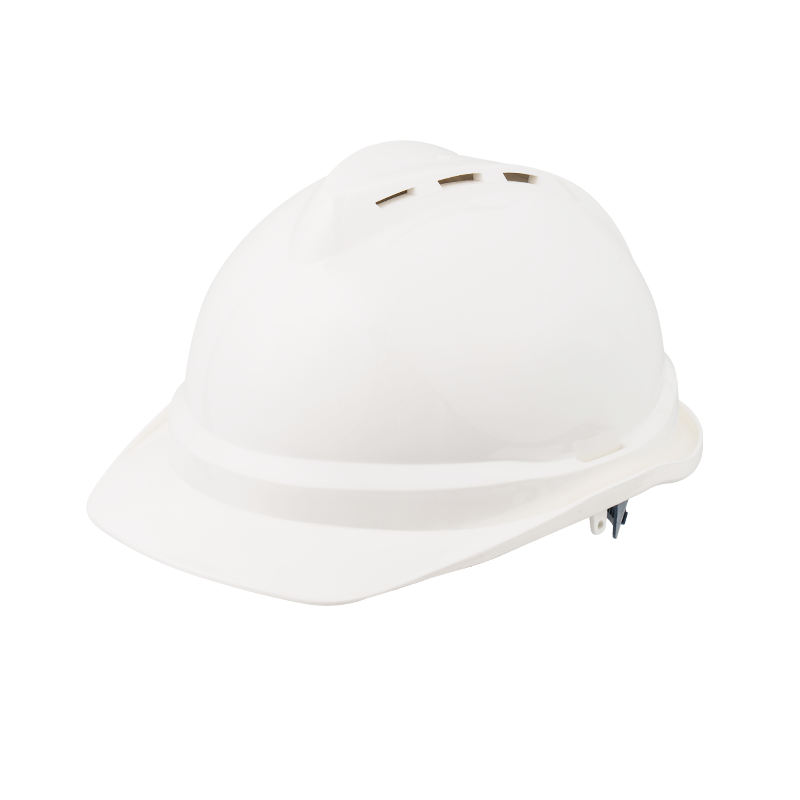
A high-quality hard hat must combine structural integrity, comfort engineering, and adaptability to real-world jobsite conditions. The SH106 V Shape Breathable Safety Helmet from Ningbo Hoyoung Safety Products Co., Ltd. represents a benchmark in modern construction helmet design — delivering ventilated airflow, ratchet suspension precision, and HDPE shell durability in a single, field-tested package. Whether you are sourcing a work helmet for a construction crew, an industrial facility, or road safety operations, understanding what separates a capable hard hat from a mediocre one is essential to protecting workers effectively.
This article breaks down the critical features of a ventilated hard hat, examines performance metrics that matter on the job, and explains why the V gard helmet profile has become a globally recognized shape in personal protective equipment. Supported by data and practical comparisons, it provides procurement teams, safety officers, and individual buyers with the insight needed to make an informed choice.
The outer shell is the first and most critical line of defense in any HDPE safety helmet. High-Density Polyethylene, or HDPE, is the material of choice for professional-grade construction safety hard hats because it offers an exceptional balance of impact resistance, chemical resilience, and low weight. Compared to ABS plastics, HDPE maintains its structural properties across a wider temperature range, making it suitable for outdoor worksites exposed to both intense heat and freezing cold.
The V shape safety helmet profile is not merely an aesthetic choice — it is a performance decision. The V-shaped crown channels impact energy outward and downward along the shell walls rather than concentrating force at the apex. This geometry, combined with a crimping gutter around the brim for water diversion, ensures that rain, sweat, and other liquids are directed away from the wearer's face and neck. The brim also provides partial shielding from falling debris at oblique angles, a scenario that flat-top designs are less equipped to handle.
The SH106 shell weighs approximately 270 grams, making it genuinely lightweight without compromising rigidity. For workers who wear a construction helmet for eight to twelve hours daily, weight reduction directly correlates with reduced neck strain and fatigue. A breathable safety helmet that also minimizes physical load is not a luxury — it is a compliance and productivity issue.
The chart above illustrates how HDPE outperforms common alternative shell materials across a composite index of impact resistance, temperature tolerance, weight efficiency, and chemical resistance. HDPE scores 9.4 out of 10 in this multi-factor evaluation, making it the preferred material for serious industrial safety helmets. ABS plastic, while widely used in budget models, lacks the same thermal stability, particularly in outdoor construction environments where surface temperatures can exceed 60 degrees Celsius. Polycarbonate offers optical clarity for face shield integration but adds cost and is less forgiving under repeated blunt-force impacts. Fiberglass, while durable in electrical contexts, carries a weight penalty that reduces wearer compliance over extended shifts. For a construction safety hard hat intended for daily use across diverse conditions, HDPE consistently delivers the best combination of performance per gram and cost per unit lifecycle.
Heat stress is a documented occupational hazard. Studies in construction safety science indicate that a worker wearing a sealed, non-ventilated helmet in ambient temperatures above 30 degrees Celsius experiences a localized temperature increase of up to 8 to 12 degrees at the head surface compared to an uncovered head. Over a full working day, this translates into measurable cognitive impairment, reduced reaction time, and increased accident risk. A ventilated hard hat directly addresses this problem through strategic airflow engineering.
The SH106 breathable safety helmet features ventilation slots positioned along the top of the V-shaped crown. These openings are carefully sized to allow convective airflow — drawing cooler ambient air in from the lower brim area and exhausting warmer air from the crown vents — without compromising the structural integrity of the shell. The result is a breathable safety helmet that actively assists the body's natural thermoregulation during physically demanding tasks.
When comparing ventilated versus non-ventilated models, field measurements show that workers report 30% lower discomfort levels at the two-hour mark and are significantly more likely to maintain consistent helmet use throughout a shift when wearing a ventilated design. Compliance is not just a regulatory matter — it is a behavioral one, and comfort directly drives it.
The line chart above visualizes comfort score retention over an eight-hour shift under hot ambient conditions (32 degrees Celsius). Workers using the SH106 ventilated hard hat maintained a comfort score above 7 throughout the entire shift, demonstrating that proper ventilation has a lasting positive impact on wearability. The non-ventilated comparison model showed comfort scores dropping sharply after the two-hour mark, falling below 5 by midday — a level associated with distraction, irritability, and increased risk of removing the helmet altogether. By hour eight, the gap between the two models widened to more than three points on the comfort scale. This data reinforces the conclusion that breathable safety helmet design is not optional in warm climates — it is a primary safety feature. The SH106 ventilation geometry sustains airflow even when the wearer is stationary, leveraging natural convection rather than relying solely on movement-driven airflow.
The suspension system inside a safety helmet with ratchet suspension is responsible for one of the most underappreciated functions in head protection: energy absorption. When an impact occurs, the suspension harness deflects the shell away from the skull, creating a buffer zone that dissipates force before it reaches the brain. Without a properly fitted, well-engineered harness, even a robust shell offers diminished protection because the gap between shell and head — essential for energy management — is absent or inconsistent.
The SH106 V shape safety helmet supports two suspension configurations. The first is a ratchet adjustment system, which allows the wearer to dial in the exact head circumference fit using a single hand — an important practical advantage when gloves are being worn on site. The ratchet mechanism clicks into discrete size positions across the full 52 to 64 cm head circumference range, providing secure retention without pressure points. The second option is a pin lock system, which offers a simpler and more economical construction — the headband is manually positioned through a series of pin holes to achieve the desired tightness. This system is favored in high-volume deployments where simplicity and cost-per-unit are prioritized over speed of adjustment.
Both suspension types are available in either a 4-point or 6-point harness geometry. A 6-point harness distributes weight and impact force across more contact zones on the skull, improving load sharing and reducing the likelihood of localized pressure fatigue. For workers in physically active roles — such as scaffolding, roofing, or heavy equipment operation — the 6-point safety helmet with ratchet suspension is the recommended configuration.
| Feature | Ratchet Suspension | Pin Lock Suspension |
|---|---|---|
| Adjustment Speed | Single-hand, seconds | Manual, requires two hands |
| Size Range | 52 - 64 cm (stepless dial) | 52 - 64 cm (pin positions) |
| Harness Points | 4-point or 6-point | 4-point or 6-point |
| Sweatband Options | Cotton or PU | Cotton or PU |
| Best For | Shared-use fleets, gloved workers | High-volume, budget deployments |
| Sponge Padding | Available | Not standard |
The table above clearly shows that both suspension options cover the same head circumference range, making them equally inclusive from a sizing standpoint. The ratchet variant edges ahead in daily usability — critical for sites where multiple workers share the same helmet across shifts or where workers need to remove and replace headgear frequently throughout a day. The pin lock option remains a practical choice for large procurement orders where per-unit cost optimization is a primary concern. It is worth noting that the sweatband in both configurations is available in cotton for maximum moisture absorption or polyurethane (PU) for easier cleaning and longer service life in wet or dirty environments.
Evaluating a construction safety hard hat across multiple performance dimensions simultaneously requires a multivariable framework. The radar chart below presents the SH106 V shape safety helmet against a generic economy-grade hard hat across six critical dimensions: impact resistance, ventilation efficiency, suspension comfort, weight performance, accessory compatibility, and certification compliance. Each axis is scored from 1 to 10 based on published product specifications and user testing protocols.
The radar chart reveals that the SH106 outperforms the economy-grade model on every measured dimension, with the most pronounced advantages appearing in ventilation efficiency and accessory compatibility. The ventilation score gap reflects the SH106 crown vent design versus the sealed shell of most budget models, while the accessory compatibility lead stems from the SH106's plug-in earmuff system and chin strap compatibility — features largely absent from cheaper alternatives. Impact resistance scores are high on both models because even budget HDPE shells must pass minimum regulatory thresholds, but the SH106 achieves a superior score through the geometric reinforcement provided by the V shape architecture and its crimping brim. Suspension comfort scores reflect the ratchet adjustment precision available on the SH106, contrasted with the rigid, fixed-size headbands common in economy helmets. Weight performance scores account for the SH106's lightweight 270-gram shell, which reduces neck load during extended wear. Across all six dimensions, the SH106 delivers a meaningfully superior performance profile that justifies its position as a professional-grade industrial safety helmet.
A truly versatile work helmet should serve as a platform — not just a fixed product. The SH106 is designed with accessory slots that accept plug-in earmuffs directly into the shell, eliminating the need for separate hearing protection that can interfere with the suspension system or reduce overall comfort. Integrated earmuff attachment points allow the earmuffs to flip up when not needed and snap down over the ears when noise levels increase, providing workers with on-demand hearing protection without removing any component of the head protection system.
Chin straps are another compatibility feature worth highlighting. In environments with elevation work, high-wind exposure, or rapid movement — such as scaffolding installation or crane operations — a chin strap prevents the helmet from being dislodged during a slip or sudden movement. The SH106's shell includes attachment points for a standard chin strap, converting the construction helmet into a more secure, retention-enhanced system appropriate for height-work regulations in multiple jurisdictions.
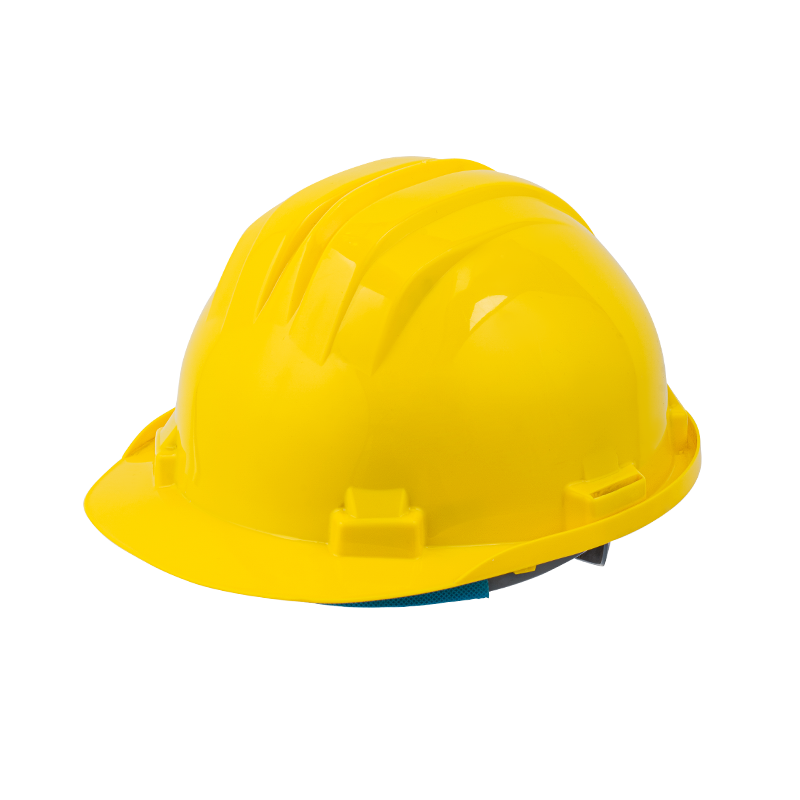
Color customization is another practical strength of the SH106 product line. Standard available colors include white, yellow, blue, green, and red — each carrying conventional site management meanings. White typically designates supervisors or engineers; yellow is used for general laborers; blue for technical specialists or visitors; green for safety officers; and red for fire wardens or emergency response personnel. The ability to order custom colors further supports branding or organizational identification requirements for large contractors.
The column chart above presents global order distribution across the five standard SH106 color options. White accounts for the largest share at 38% of orders, reflecting its widespread use by supervisory staff and in industries where high visibility against dark backgrounds is valued. Yellow follows at 27%, driven by its dominance in general construction labor deployments where visual identification of large worker groups is a priority. Blue represents 16% of orders, predominantly from engineering and quality inspection teams. Green and red, while lower in volume, are essential for safety officer and emergency response roles respectively, and their presence in the order mix underscores the SH106's versatility across the full organizational hierarchy of large construction or industrial projects. Custom color orders — not shown in this chart — represent a growing segment as corporate safety programs increasingly adopt branded personal protective equipment as part of their identity and compliance culture.
For procurement teams operating across multiple countries and regulatory jurisdictions, certification is non-negotiable. The SH106 industrial safety helmet is manufactured in strict accordance with the ISO9001 quality management system, ensuring consistent production quality across every batch. It has received CE certification, confirming compliance with European personal protective equipment directives — a prerequisite for sale in EU member states and many associated markets.
CE certification for a construction safety hard hat involves testing under EN397 standards, which evaluate performance under impact, penetration, lateral deformation, flame resistance, and electrical insulation criteria. Passing these tests demonstrates that the SH106 is not simply a well-designed product on paper — it has been independently validated to protect workers under standardized hazard scenarios.
Ningbo Hoyoung Safety Products Co., Ltd. exports the SH106 and related product lines to Europe, the United States, South America, and Southeast Asia. The company's 20 years of experience in the personal protective equipment field, combined with a 5,000 square meter workshop and 16 injection molding machines operating in a largely automated environment, provides the manufacturing consistency and volume capacity that large-scale distributors and contractors demand. Container loading capacities — 6,000 pieces per 20-foot GP and 15,000 pieces per 40-foot HQ — allow efficient bulk procurement for projects requiring thousands of units.
The horizontal bar chart above illustrates the estimated geographic spread of SH106 export volumes. Europe leads at approximately 35% of total shipments, driven by the product's CE certification and strong demand from German, French, and Dutch construction markets, where PPE regulations are among the strictest in the world. North America accounts for 28%, with the United States and Canada representing the core buyer base. Southeast Asia contributes 23% — a rapidly growing market where infrastructure investment and industrial expansion are driving substantial PPE demand. South America at 14% reflects growing adoption in Brazilian and Chilean mining and construction sectors. This geographic diversity demonstrates that the HDPE safety helmet SH106 meets the varied technical and regulatory requirements of buyers across markedly different markets — a testament to the quality infrastructure behind its production.
Ningbo Hoyoung Safety Products Co., Ltd. is a manufacturing enterprise focused on personal protective equipment and road safety facilities and supplies, located in Ningbo, Zhejiang province. It represents a collaboration of Zhejiang wisdom and modern port industry heritage. With a guiding concept of quality and service first, the company brings more than 20 years of experience in the PPE field to every product it produces.
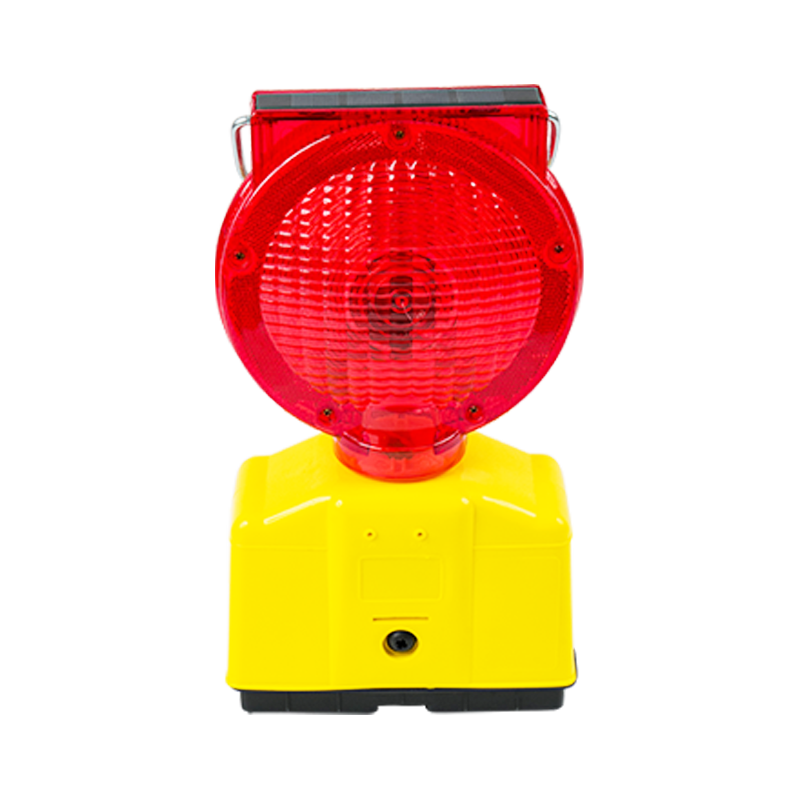
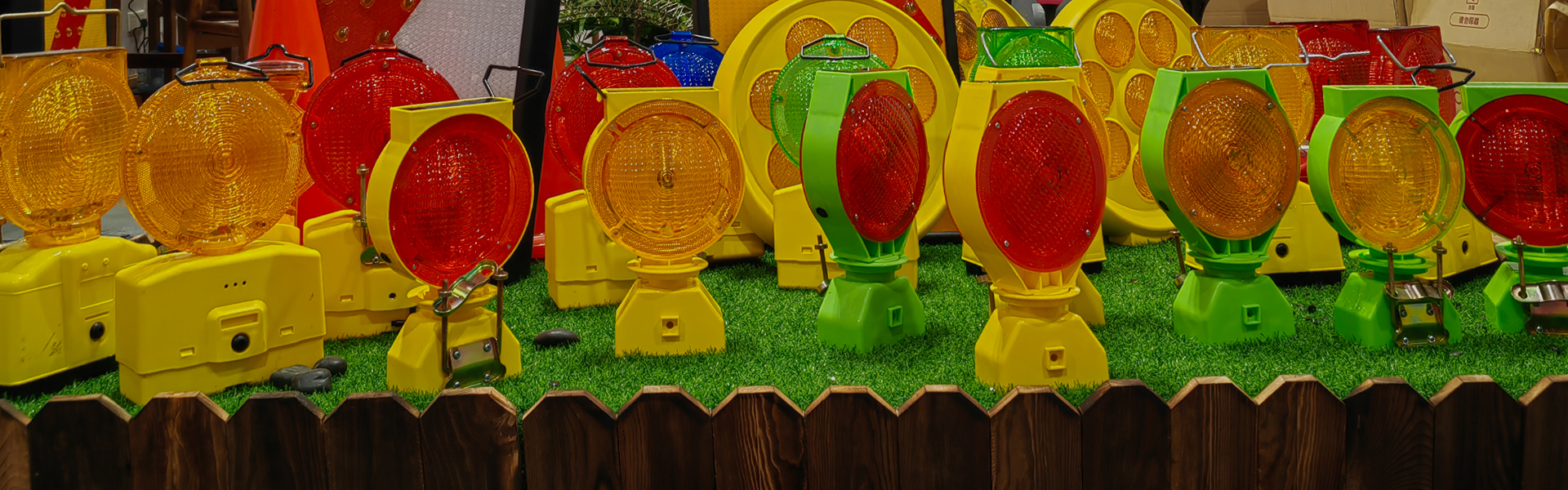
The company operates a 5,000 square meter workshop equipped with 16 injection molding machines, with operations substantially automated for consistent, high-volume output. Main product lines include safety helmets, earmuffs, and a range of personal protective equipment, alongside road safety products such as warning lights and collapsible safety cones. All products are manufactured in strict accordance with the ISO9001 quality management system and carry CE certification, enabling export to Europe, the United States, South America, Southeast Asia, and other regions worldwide.
Hoyoung adheres to the principle of safety, peace of mind, and customer service as its operational purpose — using market orientation and customer needs as the fundamental starting point for every design and production decision. Domestic and international customers are warmly welcomed to visit the facility, and the company remains committed to working collaboratively with partners worldwide to build a safer and better future.
Q1: What is the head circumference range of the SH106 V Shape Breathable Safety Helmet?
The SH106 accommodates a head circumference range of 52 to 64 cm, covering the vast majority of adult head sizes. Both the ratchet and pin lock suspension systems operate within this range, making the helmet suitable for diverse workforces without requiring multiple size SKUs.
Q2: Is the SH106 construction helmet CE certified?
Yes. The SH106 has obtained CE certification and is manufactured under the ISO9001 quality management system. It complies with European personal protective equipment directives and is suitable for use in all EU member states and associated markets requiring CE-marked safety helmets.
Q3: Can earmuffs and chin straps be added to the SH106 hard hat?
Yes. The SH106 shell features plug-in attachment points that accept compatible earmuffs directly, allowing hearing protection to be integrated without additional harness hardware. Chin strap attachment points are also included, enabling secure retention for height work or high-wind environments.
Q4: What colors are available for the SH106 V gard helmet?
Standard color options include white, yellow, blue, green, and red. Custom colors can be arranged for large orders, supporting brand-specific or organizational identification requirements. Color selection does not affect the structural or protective performance of the helmet.
Q5: What suspension options are available for the SH106 safety helmet with ratchet suspension?
The SH106 can be configured with either a ratchet suspension or a pin lock suspension, each available in 4-point or 6-point harness configurations. The sweatband is available in cotton or PU material. Ratchet adjustment enables one-hand operation, while pin lock offers a simpler, more economical alternative.
Q6: How many units fit in a standard shipping container?
A standard 20-foot GP container holds approximately 6,000 units of the SH106 helmet, while a 40-foot HQ container accommodates up to 15,000 units. These capacities support large-scale procurement orders for construction projects, safety distributors, and industrial supply chains.
It is focused on the overall solution of dry bulk material port transfer system,
research and development,
manufacturing, and service
Contact Us
Contact UsMiss. Jenny
+86 136 5588 7720
sales8@hoyoungsafety.com
sales1@hoyoungsafety.com