Content
The SH120 V-Guard safety helmet with crimping gutter is a high-performance industrial hard hat engineered for construction sites, manufacturing facilities, and outdoor work environments. It combines a durable HDPE shell, an innovative V-shape profile, and a built-in crimping gutter brim to deliver reliable head protection with superior comfort. Whether you are a safety manager sourcing wholesale safety helmets or a worker fitting your hard hat for the first time, understanding how to properly wear and adjust this helmet is essential for maximum protection. This guide walks through every step of fitting, adjustment, and feature selection so you can get the most out of your SH120 safety helmet.
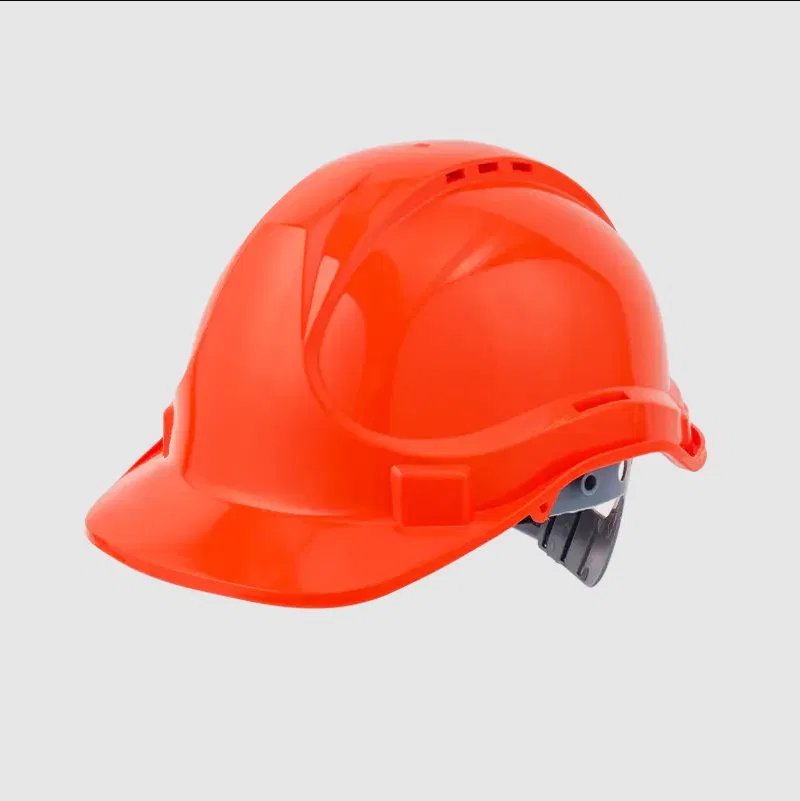
SH120 V-Guard Safety Helmet with crimping gutter — available in multiple colors, HDPE shell, 255g
A construction site safety helmet can only protect you if it fits correctly. Research from occupational health organizations consistently shows that improperly fitted hard hats account for a significant share of preventable head injuries on industrial sites. The SH120 is designed with an adjustable harness system covering a head circumference range of 52 to 64 cm, making it suitable for the vast majority of adult workers. However, simply placing the helmet on your head is not enough — the suspension system, brim angle, and chin strap all need to be set correctly for the helmet to function as a true protective barrier.
The V-Guard design of the SH120 creates a structured gap between the outer HDPE shell and the wearer's head. This internal clearance is the crush zone — the space that absorbs and dissipates impact energy before it reaches the skull. If the harness is too loose, the shell can contact the head directly during an impact, eliminating this protective buffer. If the harness is too tight, it restricts blood flow and causes discomfort that leads workers to remove the helmet entirely. Correct fit keeps both problems in check.
Figure 1: Breakdown of preventable head injury causes on industrial sites — fit and harness issues account for over 60% of incidents.
The chart above illustrates why proper fitting protocol matters so much. Incorrect fit, insufficient suspension clearance, and missing chin straps together represent the majority of preventable incidents. Damaged or expired helmets also contribute, underlining the need for regular inspection. The SH120's adjustable harness system and optional chin strap are direct design responses to these documented failure modes.
Wearing a V-Guard protective helmet correctly involves more than placing it on your head. Follow these six steps every time you put on the SH120 to ensure full protection is in effect.
Before every use, hold the helmet under a light source and inspect the HDPE shell for cracks, dents, deep scratches, or discoloration caused by UV degradation or chemical exposure. Squeeze the shell gently — a healthy HDPE shell flexes slightly and springs back. Check the harness straps for fraying, stiff spots, or broken plastic clips. Inspect the sweatband for tears or excessive wear. If any damage is present, replace the helmet immediately. A high-impact safety helmet that has already absorbed a significant blow may show no external damage but its ability to protect is permanently compromised.
The SH120 offers two harness adjustment types: ratchet band and pin-lock band. For the ratchet variant, hold the helmet in one hand and turn the rear wheel clockwise to tighten or counterclockwise to loosen. The ratchet system is designed for one-handed adjustment, so you can fine-tune the fit even while on a ladder or wearing gloves. For the pin-lock variant, pull the adjustment band and insert the pin into the correct notch. The target fit is snug without pressure — no sideways wobble, no sensation of squeezing. The SH120 accommodates head circumferences from 52 cm to 64 cm.
Place the construction site safety helmet squarely on the crown of your head with the brim pointing forward. The front edge should sit approximately 25 to 30 mm above your eyebrows — roughly two finger-widths. This position ensures the brim provides adequate shade and that the crimping gutter channels water forward and away from your face rather than dripping onto your collar. Never wear the helmet tilted backward or sideways, as this shifts the impact zone and defeats the suspension geometry.
With the helmet centered, press lightly downward on the crown with your palm. You should feel slight resistance from the harness — not your skull touching the shell. The recommended clearance between your head and the inner shell is 25 to 35 mm. If the shell makes contact with your head, loosen the headband by one to two notches. This gap is the most critical safety parameter of any industrial helmet and must never be compromised to achieve a tighter feel.
For work involving elevated heights, high wind exposure, or tasks where the head may be inverted, attach the optional chin strap. Clip it under the chin and adjust the length so the strap rests comfortably without pulling the helmet forward or pinching the skin. A properly secured chin strap prevents the helmet from being dislodged by impacts, wind, or sudden movements — particularly important when working at height.
The SH120 is compatible with plug-in earmuffs that click directly into the side slots of the shell. Align the mounting lugs with the ports and press firmly until you hear a positive click. No tools are needed, and the earmuffs can be rotated out of position when not actively needed. This modular compatibility makes the SH120 a practical choice for environments that alternate between high-noise and normal-noise conditions.
The SH120 V-Guard helmet with crimping gutter is available in three distinct harness configurations, each suited to different working conditions and preferences. Choosing the right harness is as important as selecting the correct shell size.
| Specification | Plastic Harness + Pin Lock | Textile Harness + Ratchet | Plastic Harness + Ratchet |
|---|---|---|---|
| Material | HDPE | Textile + HDPE | HDPE |
| Harness Weight | 70 g | 73 g | 102 g |
| Adjustment Method | Pin notch, two-handed | Ratchet wheel, one-handed | Ratchet wheel, one-handed |
| Sweatband | Cotton or PU | Cotton or PU | Cotton or PU |
| Head Circumference Range | 52–64 cm | 52–64 cm | 52–64 cm |
| Best For | Budget-conscious bulk orders | Comfort + fast daily adjustment | Durability + fast adjustment |
The textile harness with ratchet band is the most popular choice among field workers because the woven straps distribute pressure more evenly across the skull, reducing fatigue during long shifts. The ratchet wheel allows micro-adjustments throughout the day as sweat and temperature cause subtle changes in head size. The plastic harness with pin lock is the lightest option at 70 g and suits operations that prioritize cost-efficiency for large workforce deployments. The plastic harness with ratchet at 102 g offers the highest durability with one-handed convenience, ideal for supervisors and safety officers who frequently remove and refit their helmets.
The defining structural features of the SH120 are its V-shape crown profile and the crimping gutter that runs around the full circumference of the brim. These are not aesthetic choices — both serve specific engineering functions that set this industrial safety helmet SH120 apart from basic flat-shell designs.
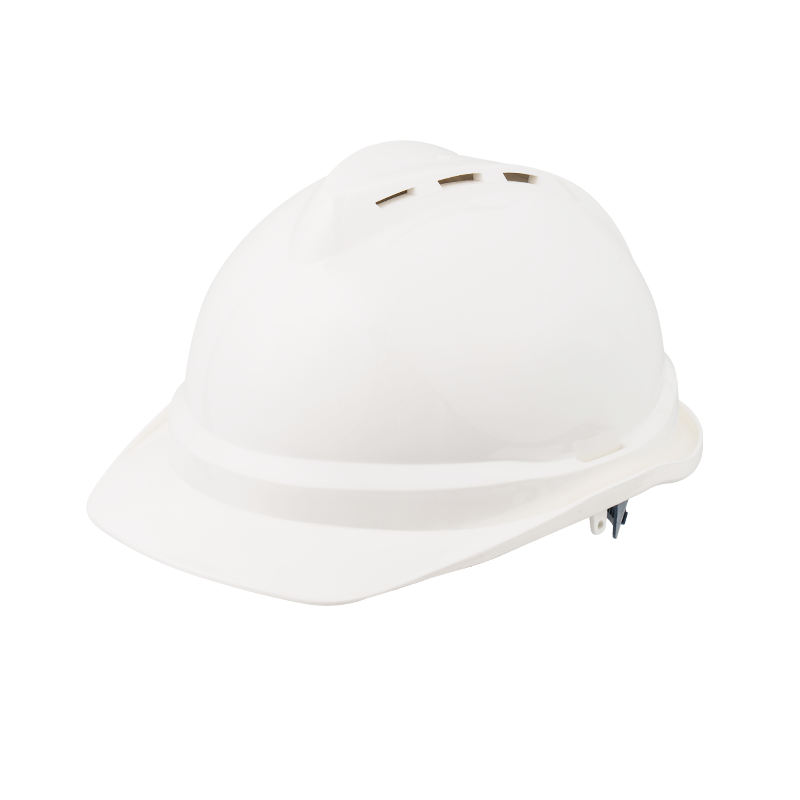
The V-shape crown incorporates ventilation slots positioned at the apex of the shell ridges. Hot air rising from the wearer's scalp escapes through these openings, creating a passive convection effect that keeps the interior measurably cooler than a solid-shell design. On construction sites in tropical or summer climates, where ambient temperatures regularly exceed 35°C, this ventilation reduces core temperature buildup and extends safe working periods without heat-related discomfort.
The crimping gutter is a precision-formed channel pressed into the brim material. When rain strikes the shell, water is funneled into this channel and directed outward and downward away from the wearer's face and shoulders. Without a crimping gutter, water pools at the brim edge and drips directly onto the worker's face, obscuring vision and creating slip hazards below. The gutter design is particularly valuable for outdoor construction, road work, and agricultural applications where workers are routinely exposed to rain.
Figure 2: Isometric annotation diagram of the SH120 V-Guard safety helmet — key structural components labeled.
The diagram above identifies each functional zone of the SH120. The V-Guard ridges run from brim to crown, channeling crush forces laterally across the shell surface rather than concentrating them at a single impact point. The ventilation slots sit at the highest-stress convergence of these ridges, cleverly combining structural reinforcement with airflow management. The crimping gutter at the brim perimeter is visible as a distinct inset channel, and the ratchet mechanism at the rear provides infinite micro-adjustment within the 52–64 cm range. The plug-in slots for earmuffs are positioned symmetrically on both sides of the shell.
The SH120 can be assembled with either a 4-point or 6-point suspension system, and the choice significantly affects how the helmet performs during an impact. This flexibility makes the SH120 one of the more versatile protective helmets for industrial procurement teams that need to serve different risk levels with a single SKU.
Figure 3: Radar comparison of 4-point vs 6-point suspension — 6-point excels in impact absorption and coverage; 4-point offers superior weight efficiency.
A 4-point suspension uses four attachment straps that connect the headband to the shell at the front, back, left, and right positions. This is a lighter, simpler configuration well-suited to general construction and warehousing environments where the primary risk is falling objects striking from above. A 6-point suspension adds two diagonal straps that cross the crown, creating a webbed cradle around more of the skull. This distributes oblique impact forces more broadly and is recommended for environments involving hazardous materials handling, electrical work, and applications where workers may be struck from multiple angles.
The radar chart clearly illustrates that while the 6-point system leads on impact absorption and anatomical coverage, the 4-point configuration has a meaningful advantage in weight efficiency — a consideration for workers who wear their industrial helmet for eight or more hours per day, where cumulative neck fatigue is a real concern. Both configurations are compatible with the same SH120 shell, harness bands, and accessories.
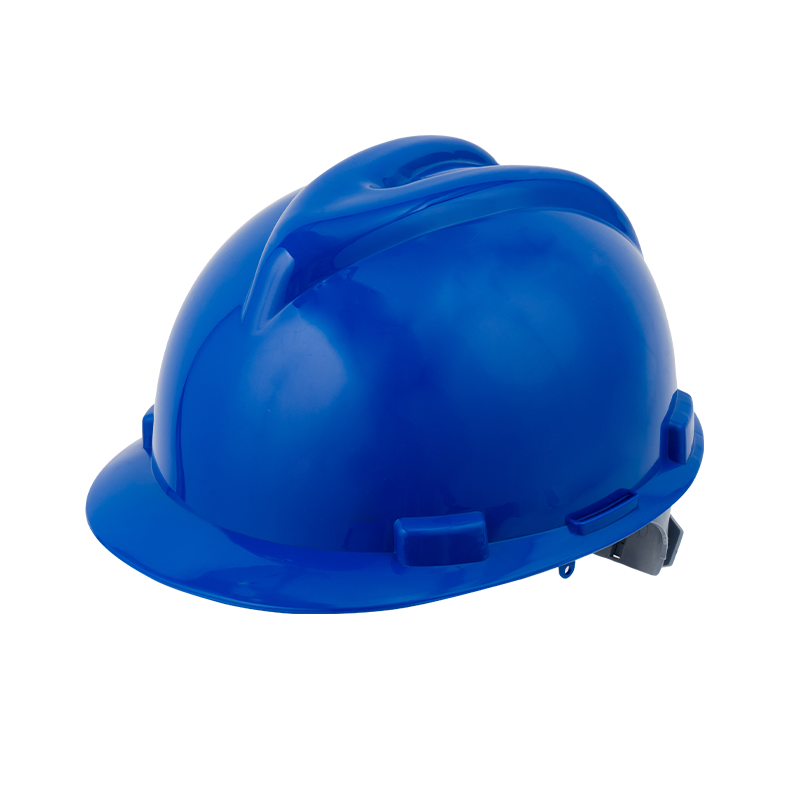
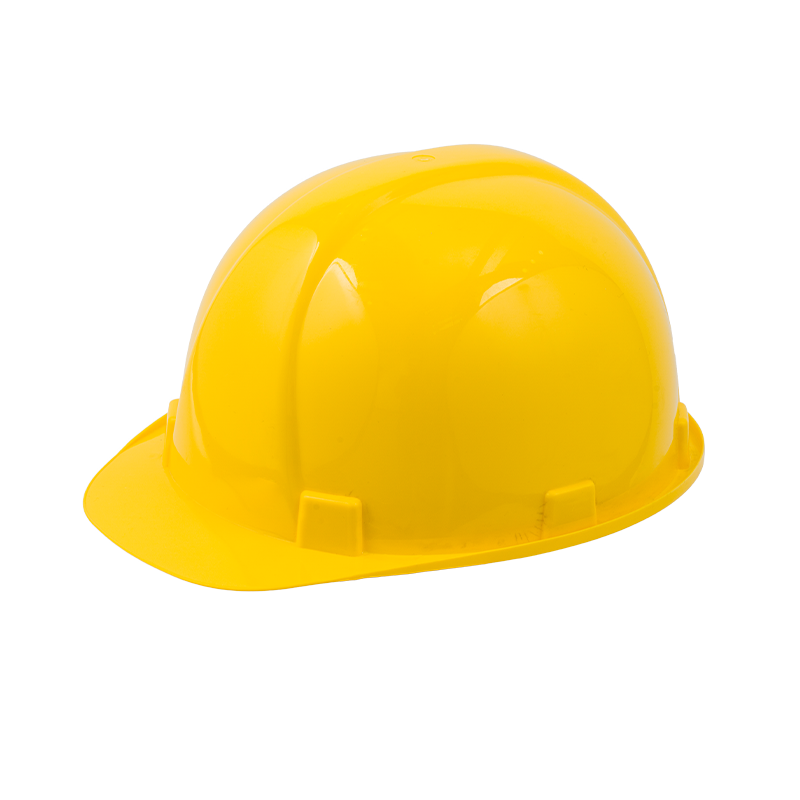
The SH120 is available in five standard colors — red, blue, white, green, and yellow — with custom colors available for large orders. Color coding is an internationally recognized method for role identification on construction and industrial sites, and the correct use of helmet colors can meaningfully reduce miscommunication and unauthorized access to hazard zones.
| Color | Commonly Assigned Role | Typical Application |
|---|---|---|
| Red | Fire safety / emergency response | Fire wardens, HSE inspectors |
| Blue | Technical / contractor workers | Electricians, engineers |
| White | Site management / supervisors | Project managers, architects |
| Green | Safety officers / new workers | HSE officers, apprentices |
| Yellow | General laborers | Ground workers, laborers |
When placing a wholesale safety helmet order for a multi-trade construction site, aligning color selection to your site's color-coding policy from the outset avoids the cost of reordering. The SH120's CE certification applies equally to all color variants — the pigment additives used in HDPE are tested to ensure they do not compromise shell integrity or UV resistance.
A construction helmet is not a permanent piece of equipment. HDPE degrades under UV exposure, sweat, chemical contact, and repeated minor impacts that accumulate over time. Establishing a structured maintenance and replacement schedule is as important as initial fitting.
Figure 4: Indicative HDPE shell strength retention over time. UV-exposed helmets reach the recommended replacement threshold significantly earlier than indoor-only use.
The chart makes clear that outdoor UV exposure dramatically accelerates HDPE degradation. Helmets used in full sun for extended periods should be replaced more frequently than those used in covered industrial facilities. As a general guideline, inspect harnesses every 12 months and replace the entire helmet assembly if the shell shows any signs of surface chalking, brittleness, or color fading beyond cosmetic wear. After any significant impact, replace the helmet immediately regardless of visible damage — the HDPE may have micro-fractured internally without any external indication.
For procurement teams and safety managers sourcing wholesale safety helmets for large projects or ongoing supply contracts, the SH120 offers compelling logistics efficiency. The HDPE shell's lightweight construction at 255 g means that large quantities pack efficiently without excess freight weight. A standard 20-foot general purpose container accommodates 8,000 pieces, while a 40-foot high cube container holds 20,000 pieces — figures that make the SH120 a practical choice for regional distributors and large construction contractors placing bulk seasonal orders.
Figure 5: Container loading capacity for the SH120 — a 40' HQ container holds 2.5x the volume of a 20' GP container, offering better per-unit freight economics at scale.
The 40' HQ loading advantage of 20,000 pieces versus 8,000 in a 20' GP represents a 150% volume increase — significantly better per-unit freight economics for importers and regional distributors. Custom color requests, harness configuration specifications, and sweatband material choices (cotton or PU) can all be specified at the order stage. Lead times and minimum order quantities are available directly through the manufacturer.
Ningbo Hoyoung Safety Products Co., Ltd. is a manufacturing enterprise specialized in personal protective equipment and road safety facilities, located in Ningbo, Zhejiang province — a region known as a hub of precision manufacturing and one of China's most important international ports. The company represents a collaboration of Zhejiang's engineering expertise with modern production infrastructure, and has built over 20 years of experience in the PPE field.
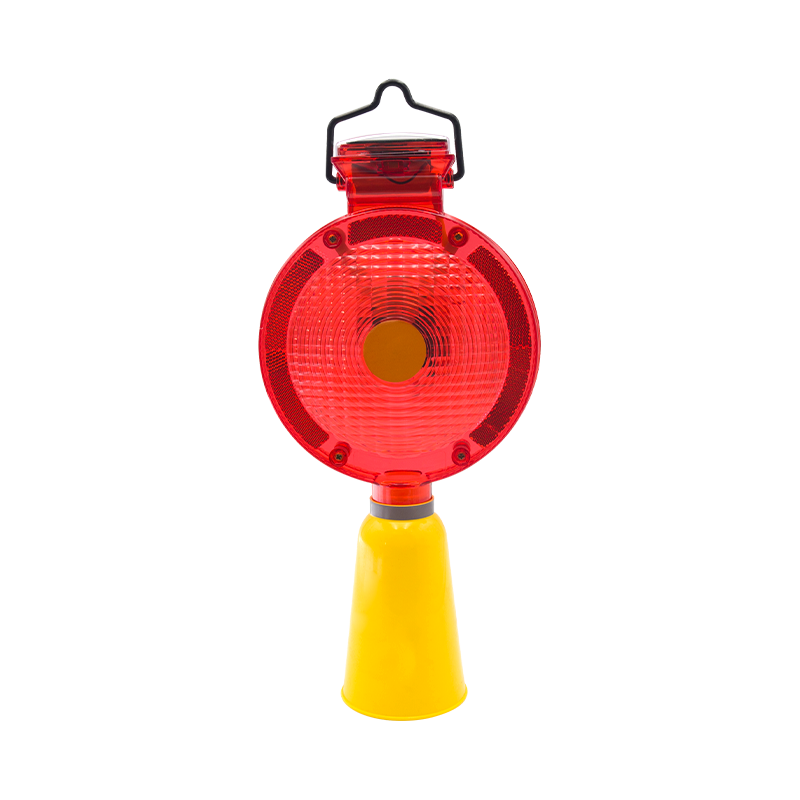
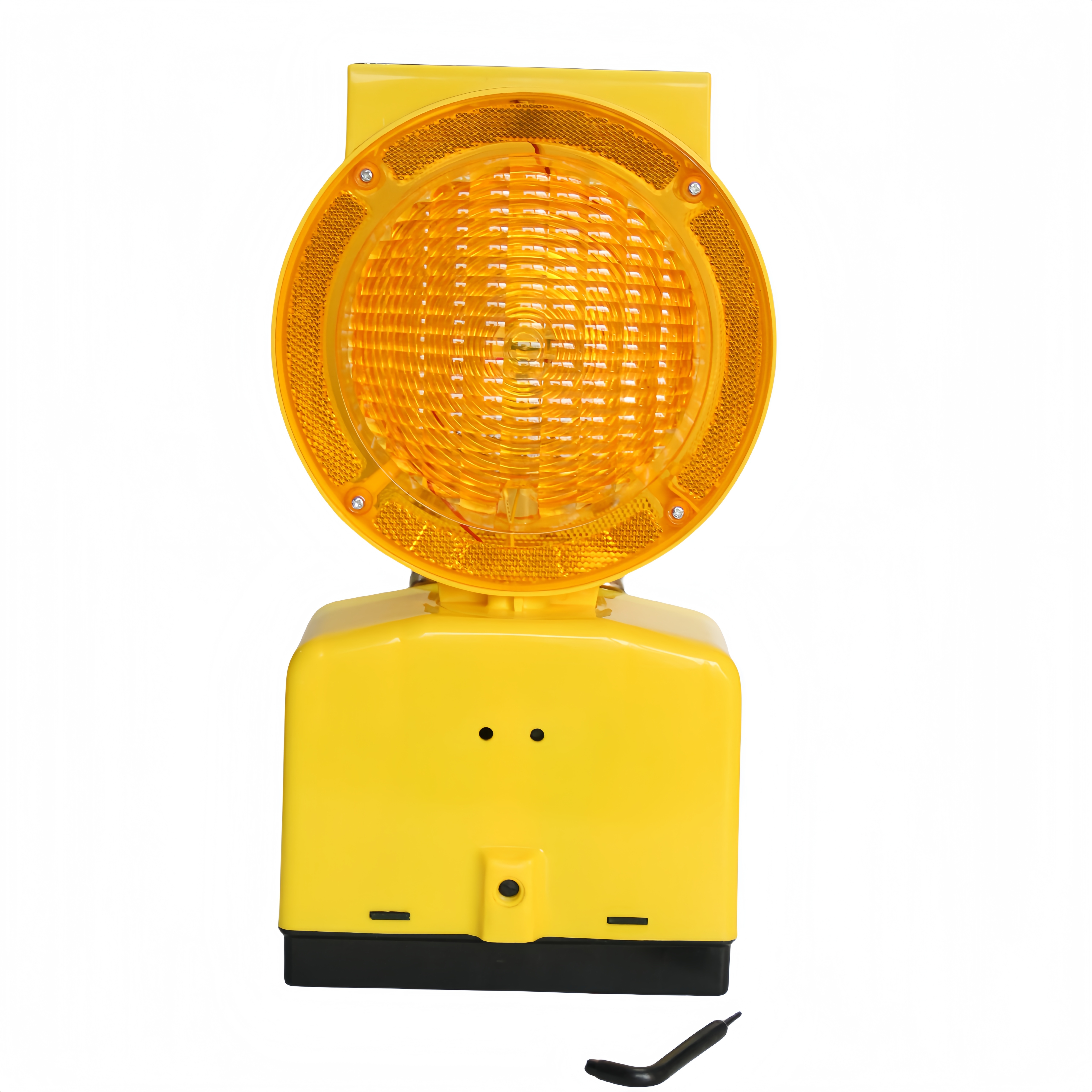
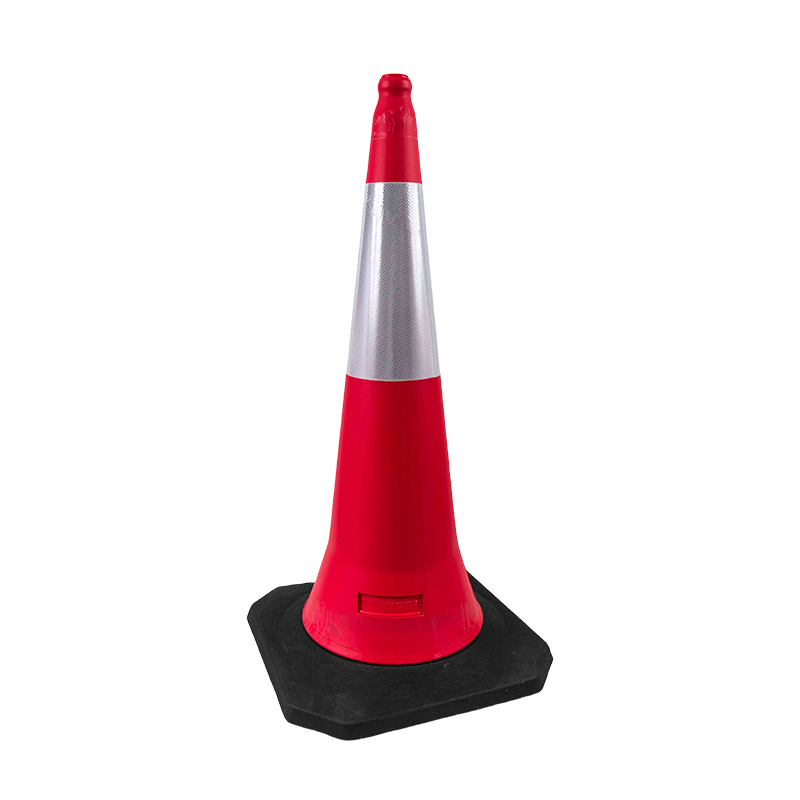
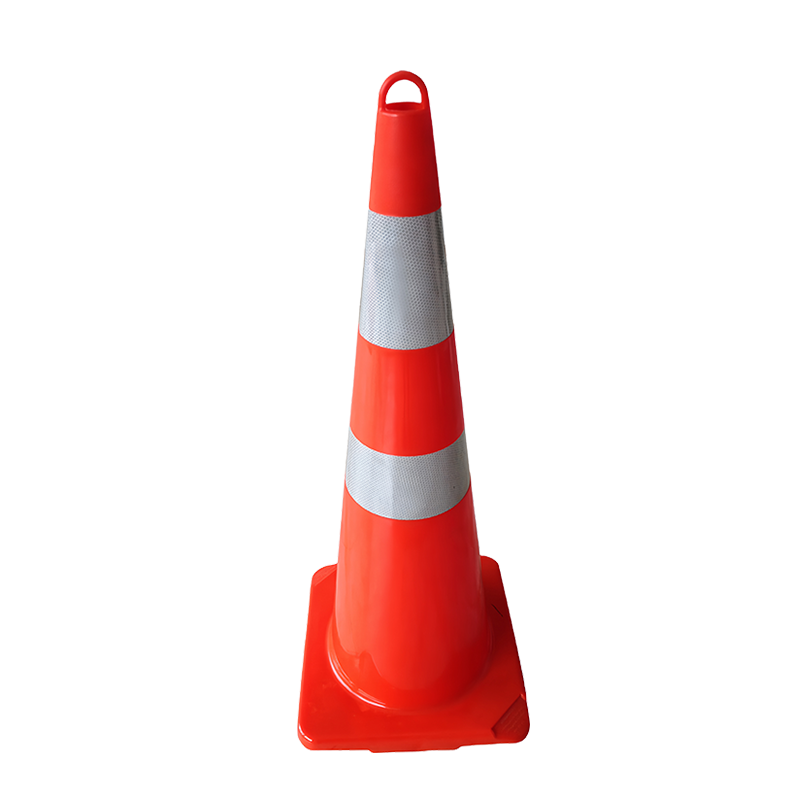
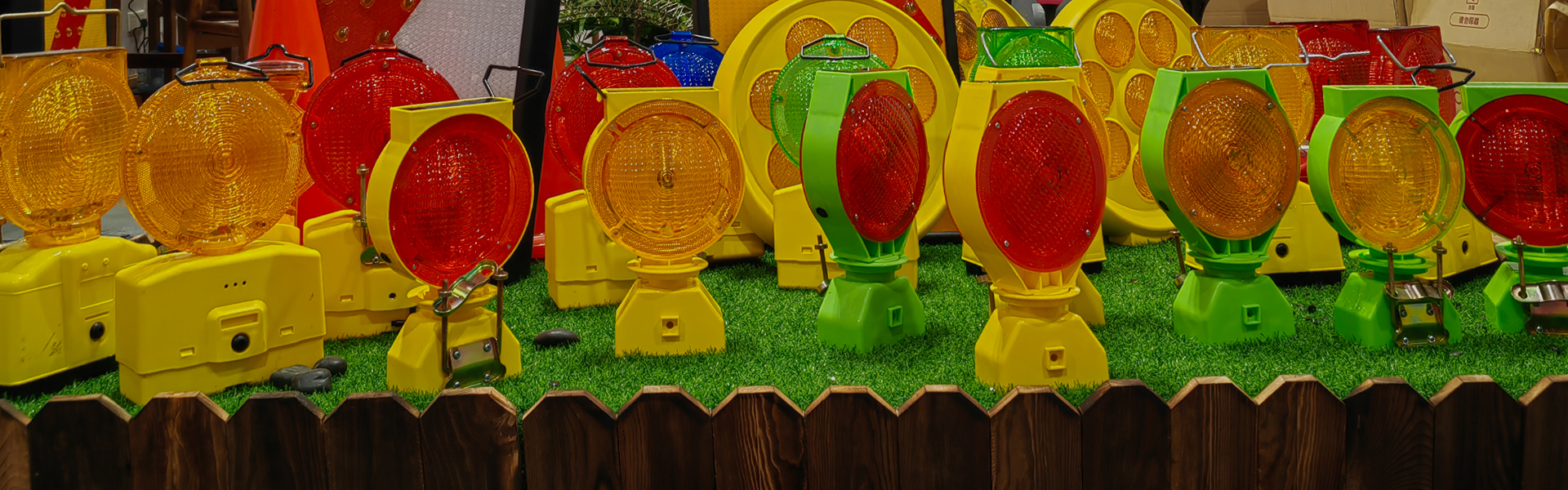
The company operates a 5,000 square meter workshop equipped with 16 injection molding machines. Production lines are largely automated, enabling consistent quality and high throughput without the variability associated with manual assembly. Main products include safety helmets, earmuffs, and other personal protective equipment, as well as road safety products such as warning lights and collapsible safety cones. All products are manufactured in strict accordance with the ISO 9001 quality management system and have received CE certification, enabling export to Europe, the United States, South America, Southeast Asia, and other markets worldwide.
Hoyoung adheres to the principles of safety, peace of mind, and customer service as its guiding purpose. Market orientation and customer needs form the fundamental starting point for every product decision. Domestic and international customers are warmly welcomed to visit the facility for inspections, product demonstrations, and collaborative discussions about customization or bulk sourcing requirements.
It is focused on the overall solution of dry bulk material port transfer system,
research and development,
manufacturing, and service
Contact Us
Contact UsMiss. Jenny
+86 136 5588 7720
sales8@hoyoungsafety.com
sales1@hoyoungsafety.com


 English
 Español
 عربى
عربى