Content
Shoes considered safety shoes are footwear built with reinforced protective components, such as steel or composite toe caps, puncture resistant midsoles, and slip resistant outsoles, that are engineered to meet recognized workplace safety standards. This definition covers a wide range of categories, including steel toe safety shoes, industrial safety shoes, anti slip safety shoes, waterproof safety shoes, and lightweight safety shoes, each suited to a different combination of workplace hazards. In general, a shoe only qualifies as a genuine safety shoe for work when its protective structure has been designed and tested against defined performance criteria, rather than added purely for appearance.
Work environments such as construction sites, warehousing and logistics centers, chemical processing plants, and manufacturing floors each present distinct hazards, which is why protective footwear is generally organized into categories instead of being treated as a single uniform product. Construction safety shoes are typically selected based on the specific risks present in a given setting, including falling objects, sharp debris, chemical exposure, slippery surfaces, and prolonged standing or walking. According to general industry overviews of personal protective equipment, protective performance depends heavily on the combination of toe structure, sole technology, and overall construction quality used in the shoe.
The sections below examine the core protective components used in industrial safety shoes, the main classification categories based on hazard type, sole technology considerations for comfort, relevant performance standards, and general guidance on care and replacement.
The toe area of most safety shoes for work relies on either a steel toe cap or a composite toe cap, and the comparison of steel toe vs composite toe safety shoes often comes down to weight, temperature sensitivity, and metal detection requirements in a given facility. Steel toe caps generally provide strong impact and compression resistance, while composite toe caps use materials such as fiberglass or reinforced plastic composites to reach a comparable level of protection at a lighter weight. Under commonly referenced standards such as EN ISO 20345, toe protection components are typically expected to withstand an impact resistance level of approximately 200 joules and a compression resistance level of approximately 15 kilonewtons.
Beyond the toe area, the outsole plays a major role in how a protective safety shoe performs across different flooring and terrain conditions. Rubber outsoles are widely used in industrial safety shoes because of their wear resistance and slip resistant characteristics on rough or uneven surfaces. PU and TPU outsoles are often selected for roles that involve frequent movement, since these materials tend to be lighter and offer improved shock absorption, while double density outsoles combine a wear resistant outer layer with a softer, shock absorbing inner layer to help balance durability and comfort.
Figure 1: Illustrative Exploded View of Typical Safety Shoe Structural Layers
The diagram above presents a simplified, exploded view of the structural layers commonly found in protective safety shoes, arranged from the outsole at the bottom to the upper material near the top. The outsole layer, shown in a dark tone, generally uses a rubber, PU, or TPU compound designed to support grip and wear resistance depending on the working surface. Above the outsole, a puncture resistant midsole layer is highlighted in orange to represent reinforcement zones, such as Kevlar based inserts, that are used in anti-puncture safety shoes to help resist sharp object penetration. A cushioning insole layer sits above the midsole and is primarily responsible for shock absorption and everyday comfort during long hours of wear. At the top of the stack, the upper and lining material forms the outer shell of the shoe, while a separate toe cap zone at the front indicates where a steel or composite toe cap is typically positioned for impact and compression protection. This type of layered construction is common across many categories of industrial safety shoes, although the specific materials and reinforcement zones used can vary depending on the intended hazard protection and industry application.
Safety shoes are commonly classified according to the specific hazard they are designed to address, and understanding these categories can help buyers match the right protective footwear to a given work environment. Anti-smashing safety shoes use a steel toe cap structure to help resist the impact of heavy objects and are frequently used on construction sites and in warehousing and logistics operations. Anti-puncture safety shoes typically use a Kevlar reinforced midsole to help resist sharp object penetration and are common in glass manufacturing and metal processing settings, while acid and alkali resistant shoes are designed to help withstand chemical exposure in industries such as chemical processing and electroplating.
| Hazard Type | Shoe Category | Key Protective Material | Typical Work Setting |
|---|---|---|---|
| Falling or Rolling Objects | Anti-Smashing Safety Shoes | Steel or Composite Toe Cap | Construction, Warehousing and Logistics |
| Sharp Object Penetration | Anti-Puncture Safety Shoes | Kevlar-Reinforced Midsole | Glass Manufacturing, Metal Processing |
| Chemical Exposure | Acid and Alkali Resistant Shoes | Chemical-Resistant Rubber Compound | Chemical Processing, Electroplating |
| Slippery or Oily Surfaces | Anti Slip Safety Shoes | Specialized Tread Rubber Outsole | Food Processing, Oil and Gas Facilities |
| Wet or Damp Environments | Waterproof Safety Shoes | Sealed Upper and Waterproof Membrane | Outdoor Construction, Utility Work |
Figure 2: Illustrative Hazard Protection Focus by Safety Shoe Category
This radar chart offers a general visual comparison of how three safety shoe categories tend to prioritize different types of protection based on their design characteristics. Anti-smashing safety shoes are built around a steel or composite toe cap, which is why impact protection is shown as the strongest dimension for this category. Anti-puncture safety shoes rely on a Kevlar-reinforced midsole, so puncture protection is emphasized more heavily than the other protective dimensions in this comparison. Acid and alkali resistant shoes are designed primarily to withstand chemical exposure, which is reflected in a stronger chemical resistance dimension relative to impact or puncture protection. Slip resistance is shown as a comparatively balanced factor across all three categories, since most safety shoe designs incorporate some form of outsole tread pattern regardless of their primary hazard focus. As with the other charts in this article, these values are illustrative and intended to support general understanding of design intent rather than precise, certified test measurements.
In addition to hazard specific categories, many buyers also look for anti slip safety shoes for oil industry applications or waterproof safety shoes for industrial use in wet or outdoor conditions, since slip resistance and water resistance are relevant considerations across almost every hazard category described above.
For workers who spend long hours on their feet, sole technology has a direct relationship with comfort and reported fatigue levels, which is why lightweight safety shoes for long hours and the search for the most comfortable safety shoes for workers remain common themes in workplace footwear discussions. Rubber soles remain a dependable option where durability and grip are the primary concern, particularly in multi-terrain environments common to construction and outdoor work.
Figure 3: Illustrative Wear Resistance Rating by Sole Material
The chart above provides an illustrative comparison of relative wear resistance across three common sole material categories used in safety shoes for work. Rubber soles are traditionally associated with strong abrasion resistance and reliable grip, which is why they remain a common choice for industrial safety shoes used on rough or uneven terrain. PU and TPU soles trade some wear resistance for reduced weight and improved shock absorption, making them a frequent choice for lightweight safety shoes intended for long hours of continuous movement. Double density soles combine a firmer outer layer with a softer inner layer, which is reflected in the higher illustrative rating shown here for overall durability alongside comfort. These ratings are general reference points based on typical material characteristics rather than results from a specific laboratory test, and actual performance can vary by manufacturing process and formulation. Selecting the right sole material typically depends on balancing durability needs against comfort requirements for the specific work environment.
PU and TPU soles are often favored in roles that involve frequent walking or standing, since their lighter weight and shock absorbing properties can help reduce strain over an extended shift, while double density sole designs attempt to combine the wear resistance of a firmer outer layer with the comfort of a softer inner layer for workers who need both durability and cushioning.
Compliance with recognized standards such as EN ISO 20345 is one of the primary ways that protective performance is communicated to buyers and safety officers. These standards generally define minimum performance thresholds for toe protection, sole puncture resistance, and other structural characteristics, rather than leaving protective performance to informal assumptions.
| Protective Function | Component Tested | Typical Threshold Value |
|---|---|---|
| Toe Impact Resistance | Steel or Composite Toe Cap | Approximately 200 Joules |
| Toe Compression Resistance | Steel or Composite Toe Cap | Approximately 15 Kilonewtons |
| Sole Puncture Resistance | Midsole or Insert | Approximately 1100 Newtons |
Puncture resistant shoes that meet applicable standards are generally expected to withstand a puncture force of at least 1100 newtons, which is sufficient to prevent common sharp objects such as ordinary nails from penetrating the sole under normal conditions. It is also worth noting that compliance is typically confirmed through a combination of physical certification marks on the product and verification against official standard documentation or manufacturer specifications, rather than through visual appearance alone.
Proper daily use and routine maintenance play a significant role in how long protective components in safety shoes for work continue to perform as intended. The following work safety footwear maintenance tips are commonly recommended for industrial safety shoes and protective safety shoes across a range of work environments.
Figure 4: Illustrative Recommended Service Life Window
The donut chart illustrates the general service life window that is often referenced for safety shoes, spanning from six months at the earlier end to twelve months at the later end. The orange segment represents the earlier portion of this window, during which protective components such as the toe cap and outsole are generally expected to remain in normal working condition under typical use. The darker segment represents the extended portion of the window, where closer and more frequent inspection is recommended before assuming continued protective performance. Actual replacement timing depends heavily on factors such as daily usage intensity, the specific work environment, and visible signs of wear on the toe area or sole tread. Workers and safety officers are encouraged to conduct visual inspections regularly rather than relying solely on a fixed calendar timeframe. This approach helps support consistent protective performance throughout the working life of the shoe.
Figure 5: Illustrative Inspection Attention Guideline Across a Twelve Month Usage Cycle
This line chart presents an illustrative guideline showing how the recommended level of inspection attention can increase as safety shoes progress through a twelve month usage cycle. In the earlier months of use, protective components are generally in good condition, which is why the line begins at a comparatively low level on the vertical scale. As usage time increases, gradual wear on the outsole tread and toe cap surface becomes more likely, which is reflected in the upward trend of the line toward the later months. The steeper increase after month eight is intended to highlight the period where closer, more frequent inspection becomes particularly important for anti-smashing safety shoes, anti-puncture safety shoes, and other protective footwear categories. This chart does not represent a fixed or certified schedule and should be treated as a general reference for building a proactive inspection habit rather than a strict maintenance requirement. Combining this kind of periodic inspection habit with the storage and cleaning practices described above can help support the working condition of industrial safety shoes over time.
Understanding how to choose safety shoes for work often starts with a clear assessment of the hazards present in a specific role, since no single shoe category is optimized for every possible risk. The following considerations are commonly referenced in a safety shoes buying guide for factories and similar industrial settings.
Bringing these factors together, a practical approach for construction workers, factory buyers, and safety officers is to first identify the dominant hazard category for a role, then narrow the selection using sole technology, toe cap type, and applicable standard thresholds as reference points rather than as isolated criteria.
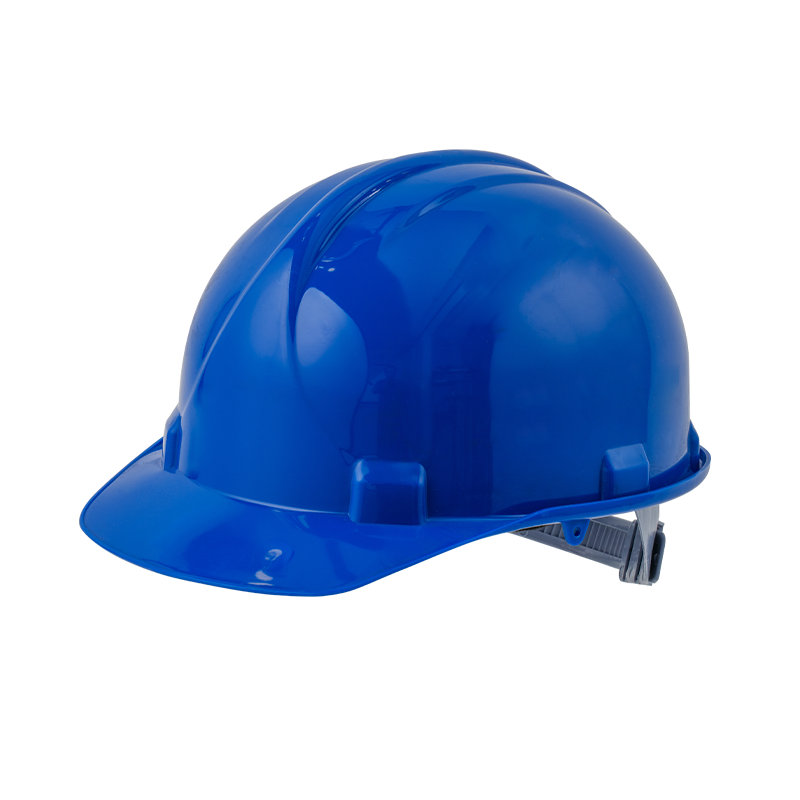
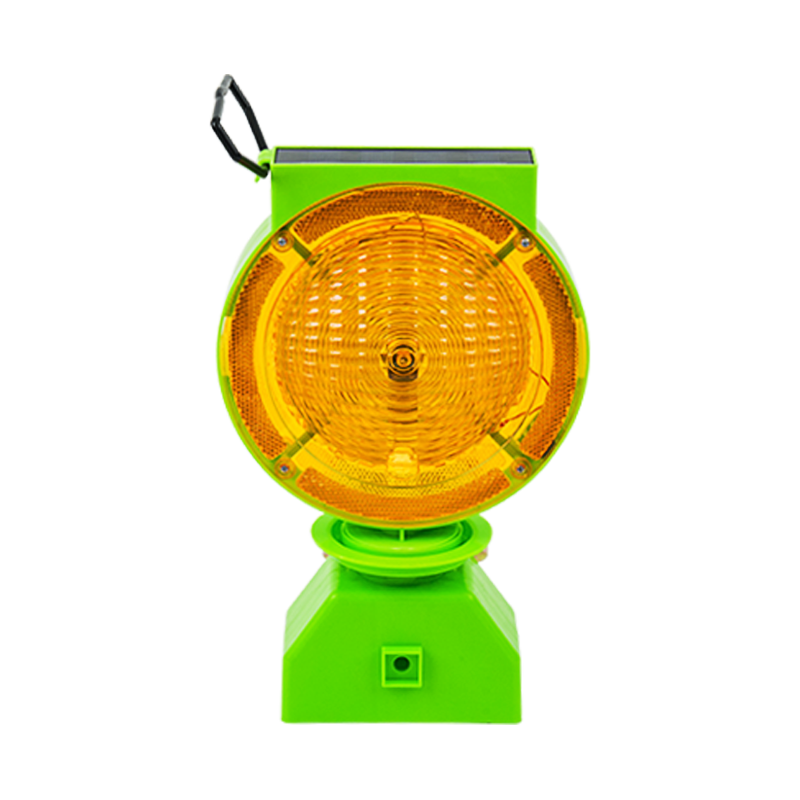
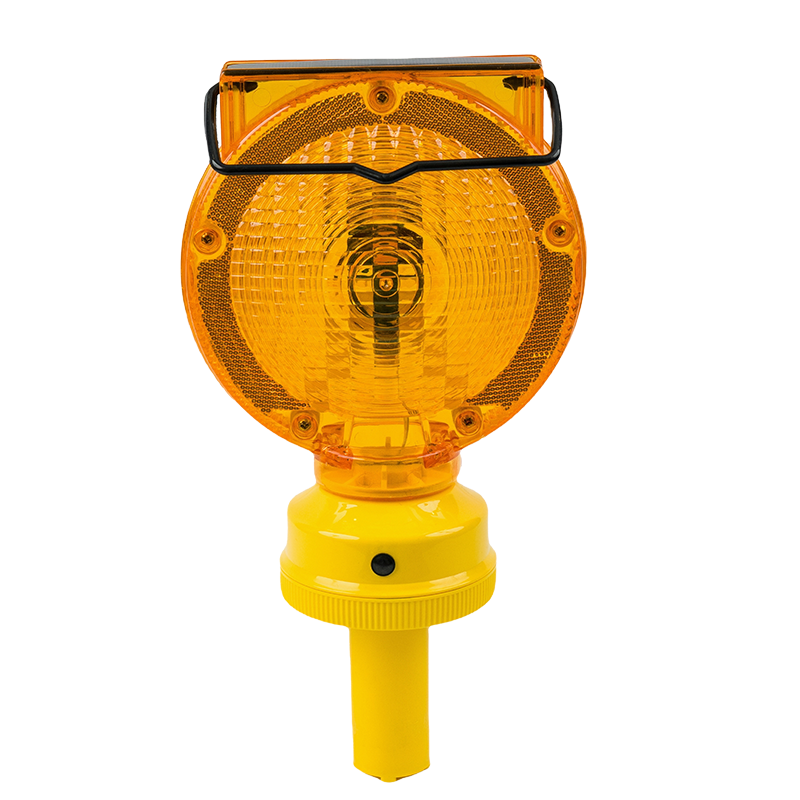
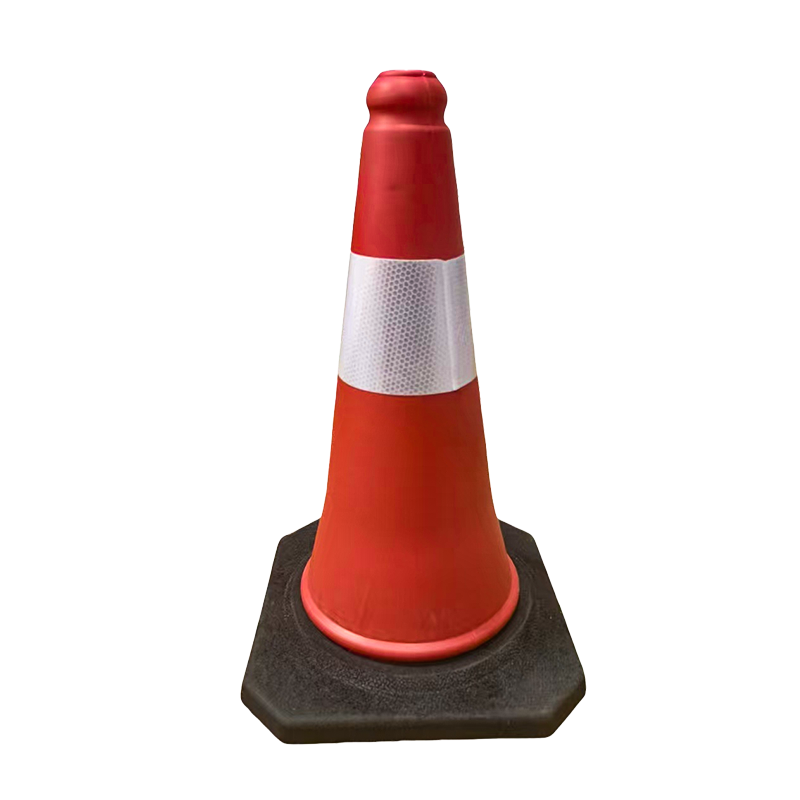
Ningbo Hoyoung Safety Products Co., Ltd. is a manufacturing enterprise focused on personal protective equipment and road safety facilities, located in Ningbo, Zhejiang Province. Operating with more than 20 years of experience in the personal protective equipment field, the company brings together regional manufacturing capability with a service oriented approach to product development. The main product range includes safety helmets, earmuffs, safety shoes, warning lights, and foldable safety cones, supporting both personal protective equipment needs and road safety protection requirements.
Production takes place in a facility spanning approximately 5000 square meters, supported by sixteen injection molding machines and a largely automated workshop setup. Manufacturing is carried out in strict accordance with the ISO9001 quality management system, with quality control applied from raw material procurement through to finished product delivery. Products from Ningbo Hoyoung Safety Products Co., Ltd. have passed CE certification and are exported to customers across Europe, the United States, South America, and Southeast Asia, as well as other regions.
As a safety shoes manufacturer and broader personal protective equipment supplier, the company operates with a market oriented approach centered on customer needs, aiming to provide dependable service to both domestic and international partners. Businesses and buyers interested in industrial safety shoes, custom safety shoes, or OEM safety shoes programs are welcome to reach out to discuss requirements in more detail.
Safety shoes are footwear built with reinforced protective components, such as steel or composite toe caps and puncture resistant midsoles, that are designed to meet recognized workplace safety standards such as EN ISO 20345.
A commonly referenced replacement window is approximately six to twelve months, though the actual timing depends on usage intensity, work environment, and visible signs of wear on the toe cap or outsole.
Puncture resistant shoes that meet applicable standards are generally expected to withstand a puncture force of at least 1100 newtons, which is sufficient to prevent common nails from penetrating the sole under normal conditions.
Safety shoes are generally recommended for work related use rather than daily casual wear, since continuous non-work use can accelerate wear on the sole and reduce the protective service life of the shoe.
Compliance is typically confirmed through a combination of physical certification marks on the product and verification against official standard documentation or manufacturer specifications.
It is focused on the overall solution of dry bulk material port transfer system,
research and development,
manufacturing, and service
Contact Us
Contact UsMiss. Jenny
+86 136 5588 7720
sales8@hoyoungsafety.com
sales1@hoyoungsafety.com