Content
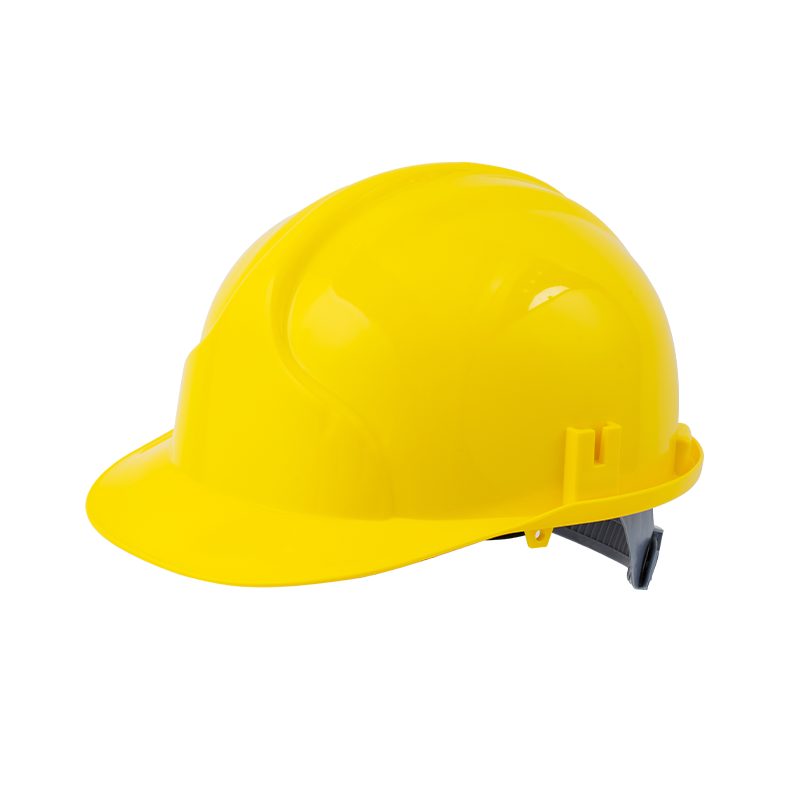
An HDPE safety helmet is a hard hat molded from high-density polyethylene, a lightweight thermoplastic chosen for its strong impact resistance, electrical insulation, and resistance to cracking under repeated stress. Compared with ABS or traditional materials, HDPE construction is typically 20 to 30 percent lighter while still meeting recognized impact standards such as GB 2811 and ANSI Z89.1. This makes the HDPE safety helmet a common choice for construction, electrical, port, and industrial settings where workers wear protective headgear for full shifts. The sections below cover material comparisons, standards, sizing, and selection so buyers can match the right hard hat to the right job site.
A frequent comparison among buyers researching a construction safety helmet is HDPE vs ABS hard hats. HDPE generally performs well in lateral compression and offers good chemical and UV resistance once stabilized, while ABS tends to hold rigid shapes slightly better at very high heat. For most outdoor construction helmet and industrial helmet applications, HDPE remains the more common choice because of its balance between weight, durability, and electrical insulation properties suited to electrical safety helmet use.
As the horizontal bar chart shows, HDPE shells sit in a notably lighter range than ABS or polycarbonate options, typically falling between 320 and 440 grams depending on design. This matters directly for worker comfort during long shifts, since a lighter industrial helmet reduces strain on the neck over an eight to twelve hour workday. The bars also illustrate why an HDPE safety helmet manufacturer often promotes weight reduction as a key selling point for high-altitude or repetitive-motion roles. Buyers comparing a hard hat factory's product lines should weigh this data alongside impact ratings rather than judging weight alone. The chart reflects general industry ranges rather than any single certified test result.
A reliable safety helmet should meet recognized regional standards rather than relying on shell material alone. In the United States, ANSI Z89.1 governs impact and penetration resistance for an ANSI safety helmet, while in Europe the EN397 helmet standard sets requirements for shock absorption, penetration resistance, and flame resistance. Many manufacturers also reference GB 2811, the Chinese national standard, particularly for helmets sold across multiple export markets.
| Standard | Region | Main Focus |
|---|---|---|
| ANSI Z89.1 | United States | Impact, penetration, electrical Class E/G |
| EN 397 | Europe | Shock absorption, penetration, flame resistance |
| GB 2811 | China / export markets | General protective headgear requirements |
An electrical safety helmet should also carry a Type and Class rating where relevant, since Type I covers protection against a blow to the top of the head and Type II adds lateral protection, while Class E and Class G indicate different levels of electrical insulation testing.
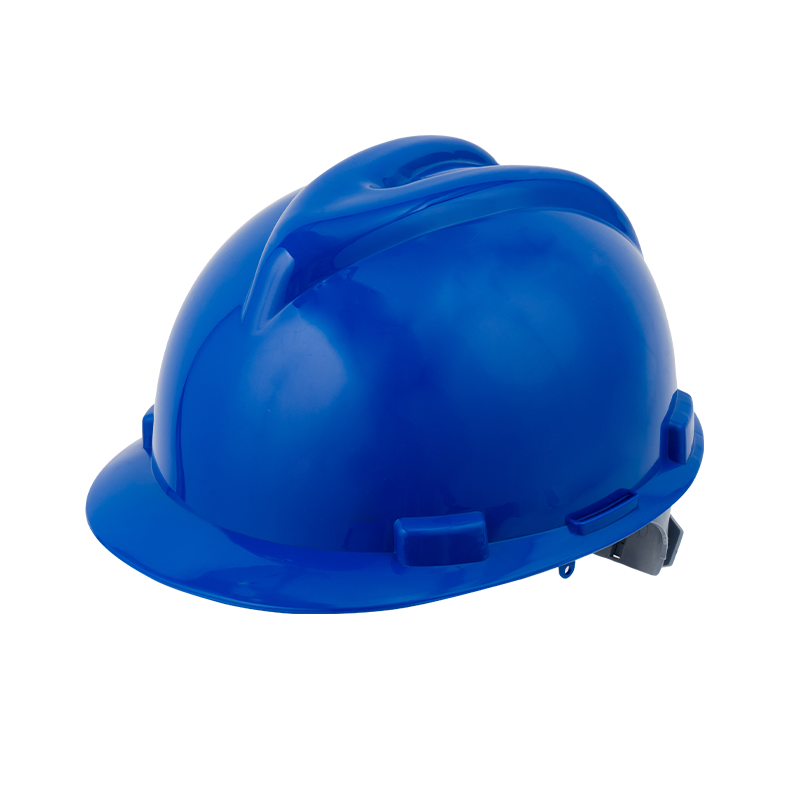
Choosing between a vented safety helmet and a non-vented model depends mainly on the work environment. Vented designs improve airflow and reduce heat buildup, which suits warm climates or physically demanding construction sites. Non-vented helmets are generally preferred for electrical work, since sealed shells better support insulation ratings.
The orange line representing vented helmets scores highest on comfort and airflow but drops on insulation and dust sealing, since open vents allow air exchange but also allow dust or moisture entry. The dark line representing non-vented helmets shows the opposite pattern, scoring strongly on insulation and sealing while trading off some comfort in hot conditions. This trend explains why electrical safety helmet buyers typically choose non-vented shells, while general construction helmet buyers in hot climates often prefer vented styles. Mixed environments sometimes call for two helmet types stocked together rather than a single universal choice. The chart presents general usability tendencies rather than results from a specific lab test.
Different work environments place different demands on protective headgear. The radar chart below compares four common use cases against impact resistance, electrical insulation, heat tolerance, and weight comfort.
The shaded shape represents an HDPE safety helmet configured for electrical and construction work, scoring strongly across impact resistance, insulation, and weight comfort. Heat tolerance trails slightly behind other factors, since extreme high-heat environments may favor specialized helmet linings rather than shell material alone. Durability remains consistently strong because HDPE resists cracking under repeated impacts better than several alternative plastics. This balance is one reason industrial helmet buyers across construction, ports, and machinery manufacturing settings frequently select HDPE as a default material. Each work site still has unique hazards, so site-specific risk assessment should guide final helmet selection alongside this general comparison.
A properly fitted hard hat should accommodate head circumferences generally between 6.5 and 8 inches, with adjustment typically handled through a ratchet or pinlock suspension system. Four-point or six-point suspension structures distribute impact force more evenly across the head than simpler designs. Many HDPE safety helmet designs also include universal slots, often around 30mm wide, that allow attachment of earmuffs, face shields, or headlamps without replacing the helmet itself. This modular approach is common among industrial helmet lines serving construction, port, and electrical work, where workers frequently combine multiple pieces of protective headgear.
Ningbo Hoyoung Safety Products Co., Ltd. is a manufacturing enterprise focused on personal protective equipment and road safety facilities, based in Ningbo, Zhejiang province, combining what the company describes as the advantages of regional manufacturing expertise and modern port logistics. With 20 years of experience in the PPE field, the company operates a 5,000 square meter workshop equipped with 16 injection molding machines, supporting largely automated production.
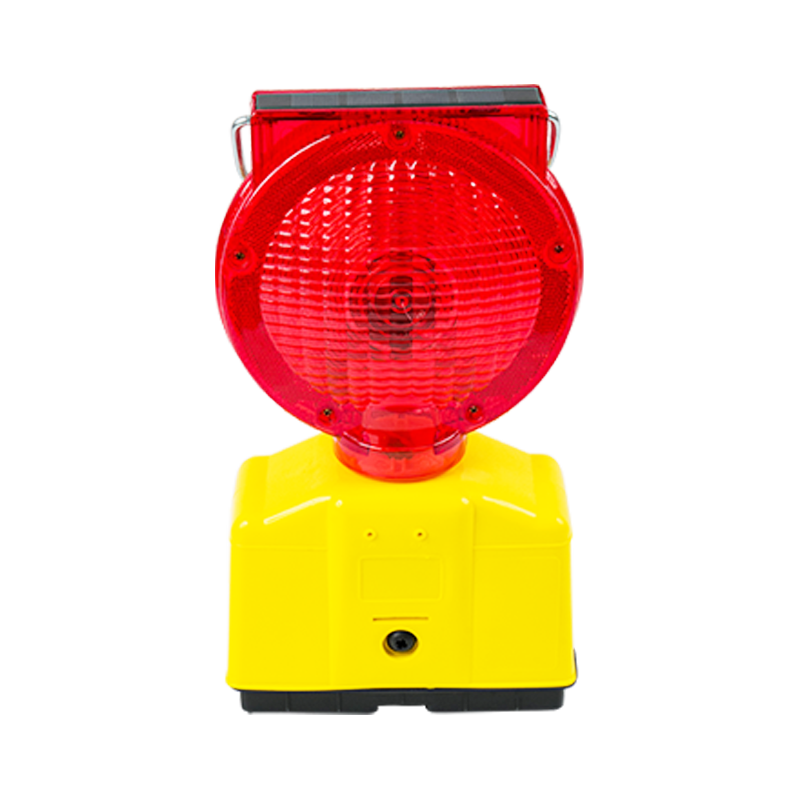
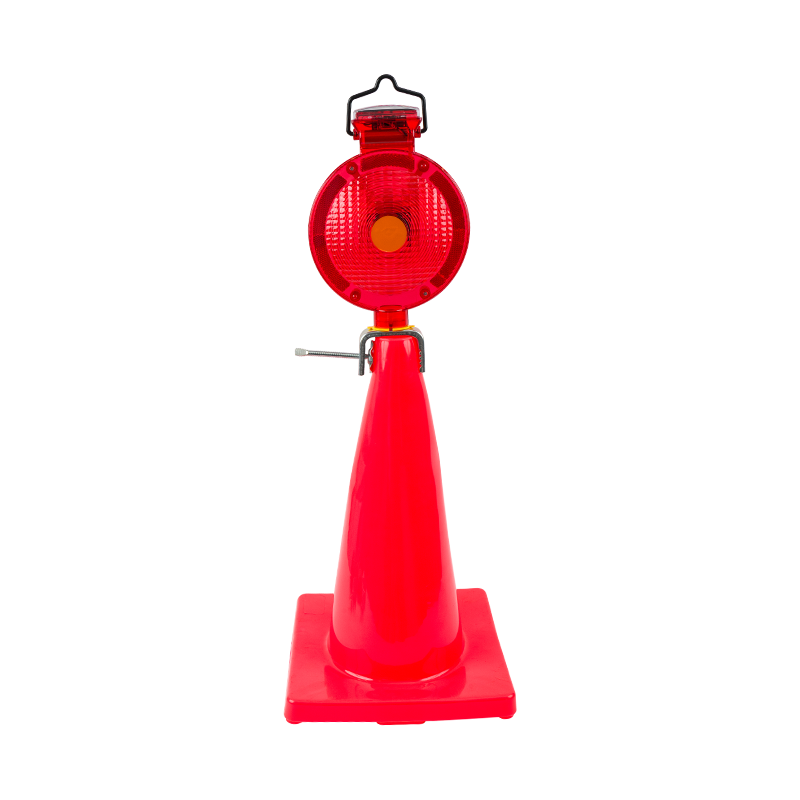
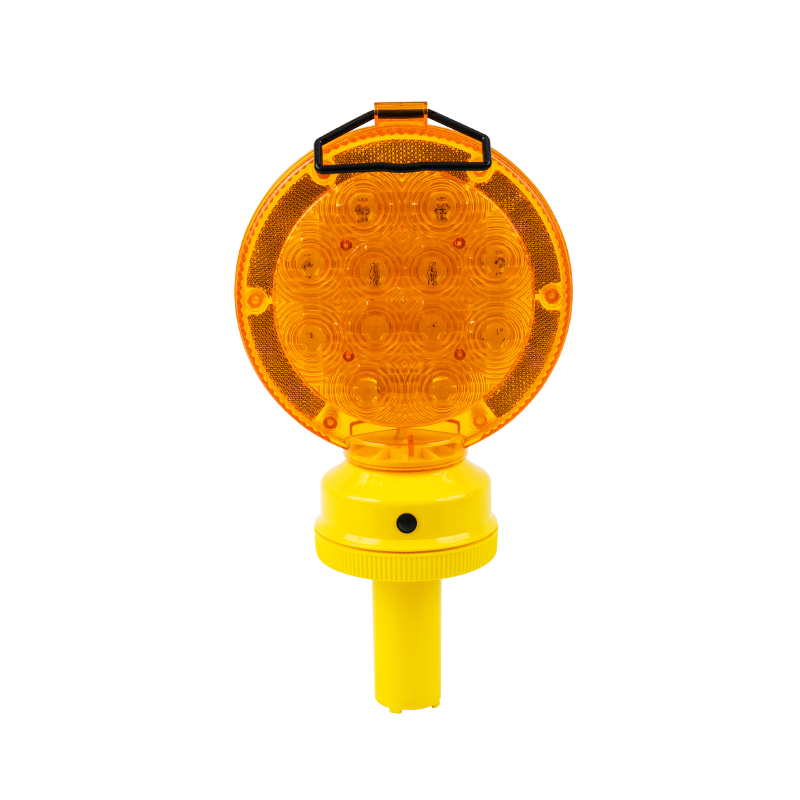
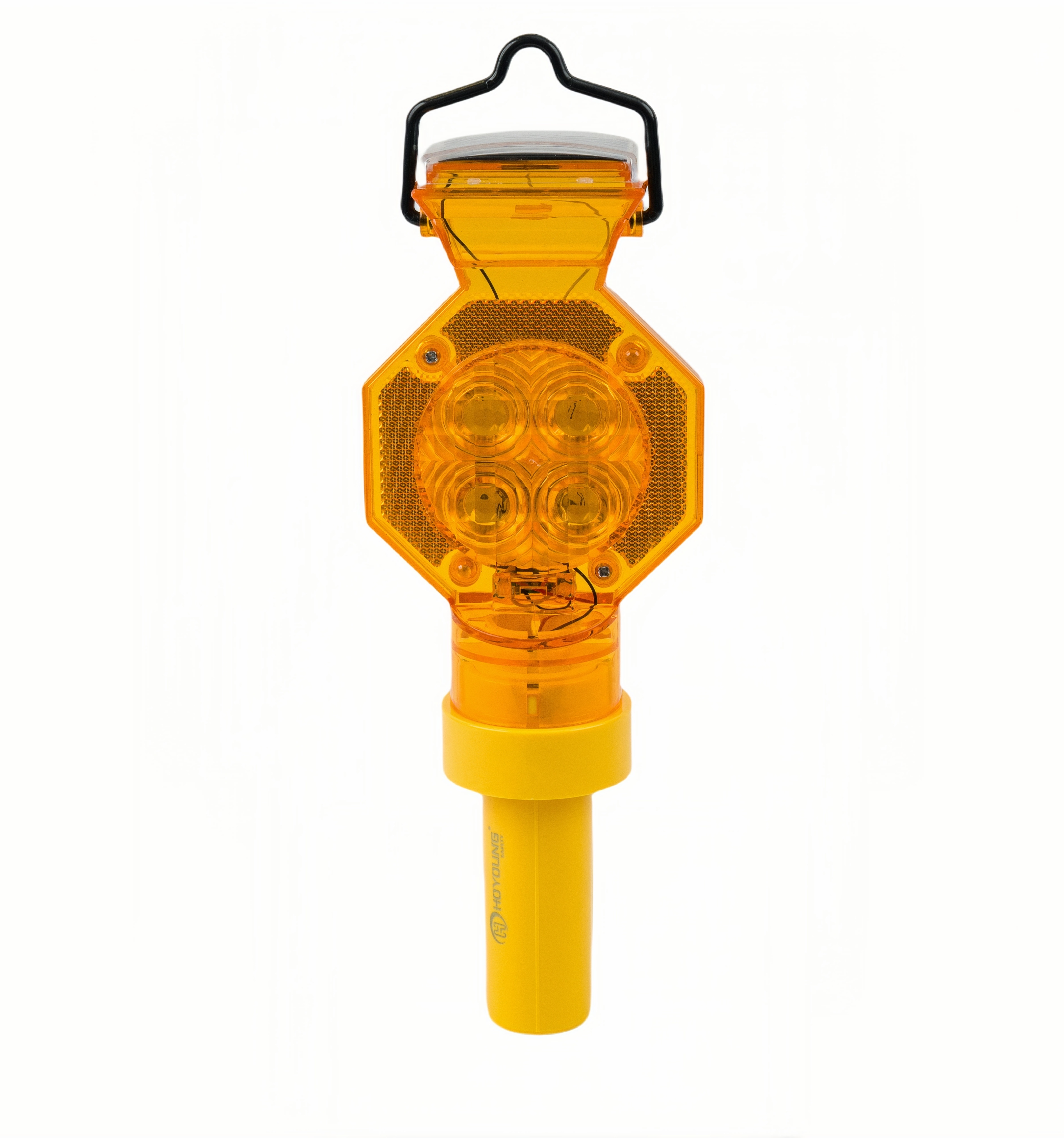
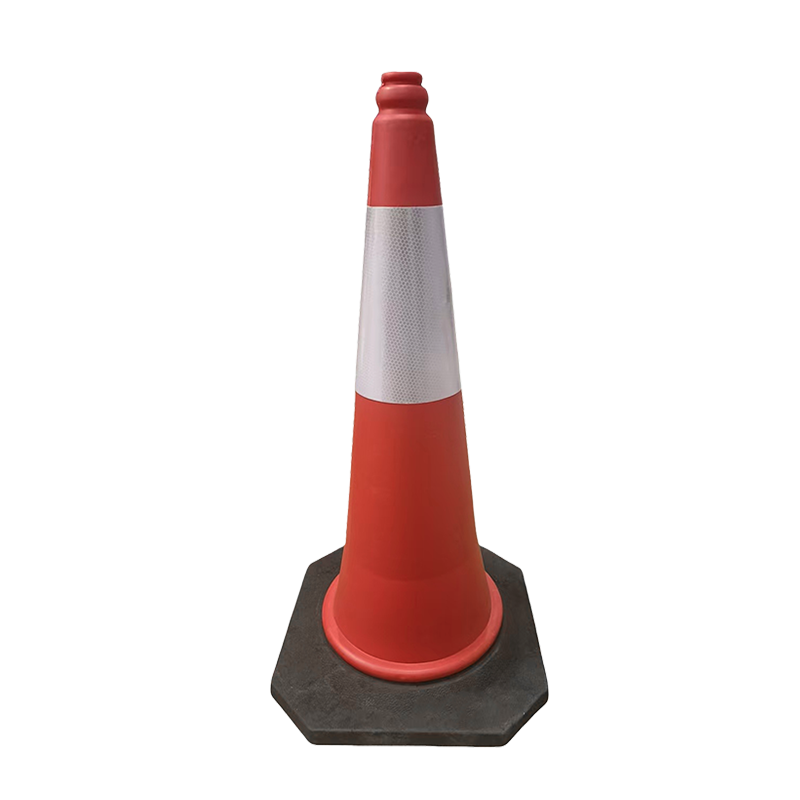
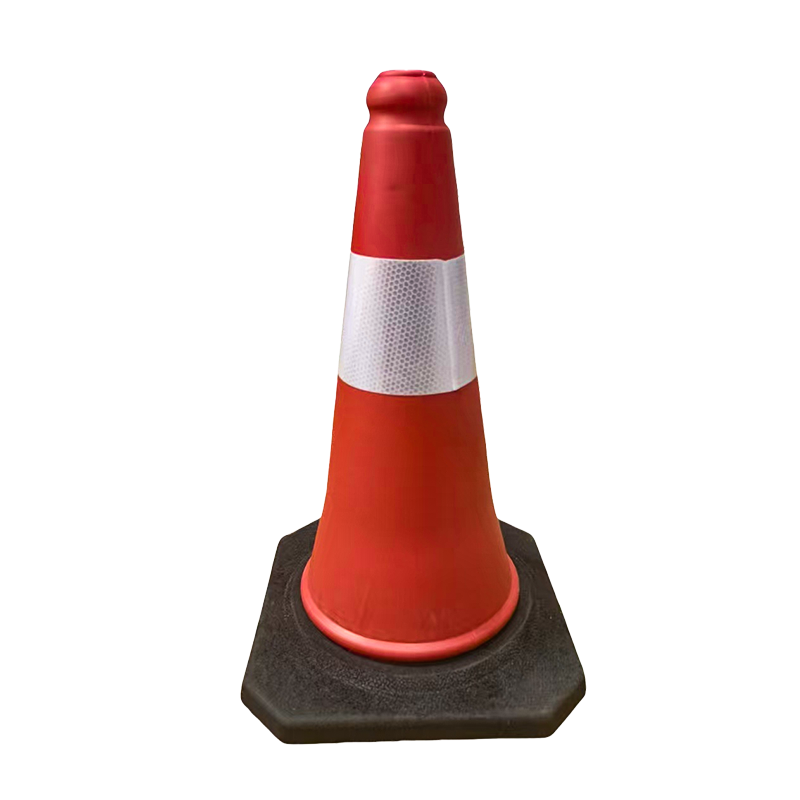
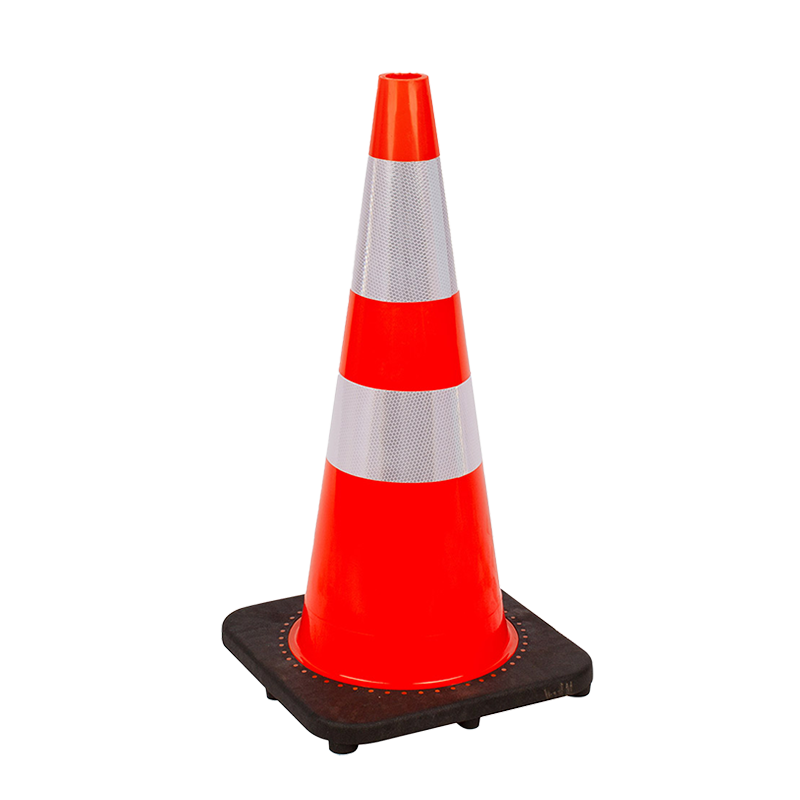
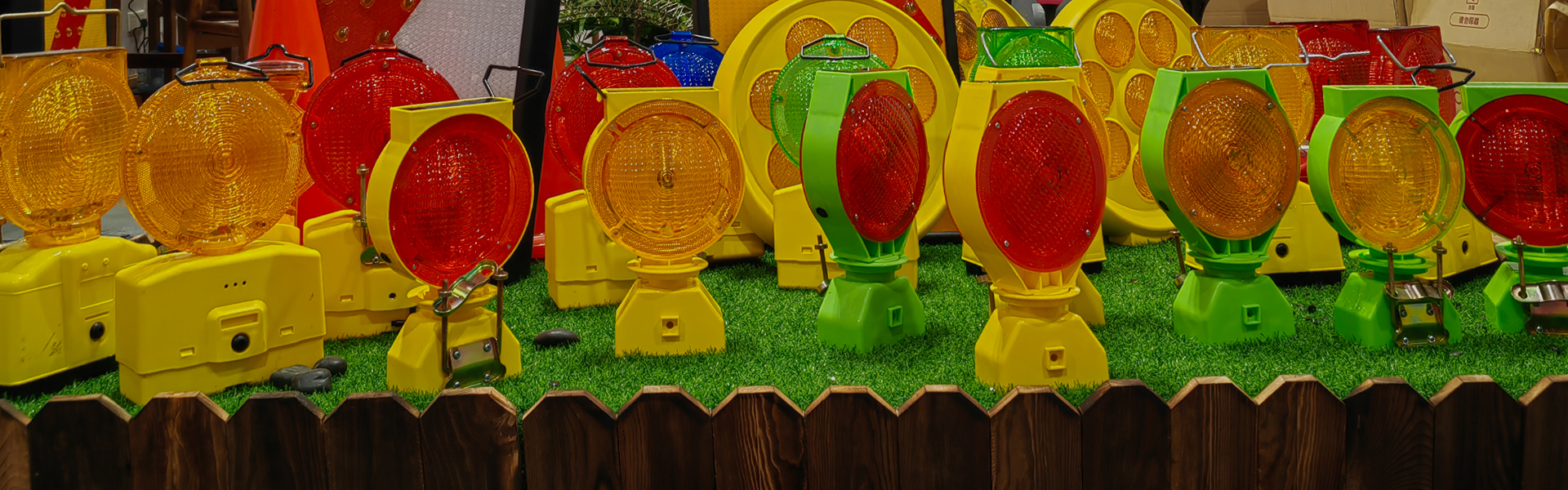
Main products include safety helmets, earmuffs, and other personal protective equipment, together with warning lights, collapsible safety cones, and other road protection equipment, produced under the ISO 9001 quality management system. Products have passed CE certification and are exported to Europe, the United States, South America, and Southeast Asia, with annual production capacity exceeding 3 million caps. As a safety helmet manufacturer and supplier offering OEM and wholesale services, the company supports customization including color, logo printing, and accessory packages, with prototyping typically completed within 48 hours.
Q1: What makes HDPE different from other helmet plastics?
HDPE offers a strong balance of light weight, impact resistance, and electrical insulation compared with heavier shell materials.
Q2: Is an HDPE safety helmet suitable for electrical work?
Yes, when designed with appropriate Class E or Class G insulation ratings and a non-vented shell.
Q3: How often should a hard hat be replaced?
Routine replacement is generally recommended every two to three years, or immediately after any significant impact.
Q4: Can accessories like earmuffs be added to the helmet?
Yes, many designs include universal slots that allow earmuffs, face shields, or headlamps to attach directly.
Q5: Do manufacturers offer OEM helmet customization?
Yes, many safety helmet manufacturers support OEM branding, color options, and wholesale order customization.
It is focused on the overall solution of dry bulk material port transfer system,
research and development,
manufacturing, and service
Contact Us
Contact UsMiss. Jenny
+86 136 5588 7720
sales8@hoyoungsafety.com
sales1@hoyoungsafety.com