 English
 Español
 عربى
عربى

Industry News
Home / News / Industry News / ANSI ISEA Z89.1 Hard Hat Compliance: Types, Classes, and Selection Guide
Content
Imagine receiving a pallet of hard hats on a construction site. The label says "ANSI Z89.1-2014." Does that single line tell you whether the helmet protects against side impacts, electrical contact, or extreme heat? Not really. The ANSI/ISEA Z89.1 standard is the backbone of industrial head protection in the United States, and understanding it is essential for safety managers, procurement teams, and distributors. Without clarity on types and electrical classes, you risk selecting equipment that does not match the actual hazards on site.
The standard defines how industrial helmets are classified, tested, and marked. It is not just a suggestion. OSHA references ANSI/ISEA Z89.1 in its construction and general industry regulations, meaning that a compliant helmet is a direct part of regulatory compliance. When a helmet meets this standard, it has been verified for impact attenuation, penetration resistance, flammability, and electrical insulation—depending on its type and class.
This guide breaks down the standard into practical decisions: Type I or Type II, Class C or Class E, how to read a label, how to inspect a helmet, and how to choose a product that truly fits your risk profile. We will also look at common testing procedures and maintenance recommendations so you can extend the life of your head protection while keeping workers safe.
The American National Standards Institute (ANSI) and the International Safety Equipment Association (ISEA) jointly maintain this voluntary consensus standard. Its full title is "American National Standard for Industrial Head Protection." The current edition is ANSI/ISEA Z89.1-2014, reaffirmed in 2019, which is why you often see the letter R2019 after the publication year. The standard establishes performance requirements for helmets worn in industrial settings such as construction, mining, manufacturing, and utilities.
Before ANSI Z89.1, head protection designs varied widely, and users had no reliable way to compare safety performance. The standard changed that by creating consistent test methods and clear labels. It covers two broad categories—Types and Classes—and specifies minimum performance thresholds for each one. It also mandates that marking be permanent and easy to find on the inside of the shell.
The standard is a consensus document, meaning that manufacturers, safety experts, government agencies, and labor groups all participate in its creation. This broad input makes it practical for the real world. It is also updated periodically to reflect new materials and injury data. Although it is a consensus standard rather than a law, OSHA regulations incorporate it by reference, so compliance is effectively mandatory in most workplaces.
For manufacturers and wholesale buyers, the ANSI/ISEA Z89.1 mark is a key purchasing criterion. If a helmet does not carry this mark, it cannot be legally sold as an industrial hard hat to most US customers. When you source from a reliable supplier, you gain confidence that test documentation and production quality controls back each product.
One of the first decisions you will make is choosing between Type I and Type II helmets. This distinction refers to the direction of impacts the helmet is designed to absorb. Type I helmets protect against impacts to the top of the head—typically falling objects, debris, and head bumps from above. Type II helmets provide protection against top impacts plus lateral impacts to the front, back, left, and right. That broader coverage is important for workers who may strike their heads against stationary objects or suffer long falls.
The difference in test procedures is significant. Type I helmets undergo impact and penetration tests only on the apex—the top center of the shell. Type II helmets are tested at the apex as well as at four off-center points around the crown. They must also meet stricter requirements for chin strap retention and lateral impact energy absorption. This is why Type II helmets tend to feel heavier and are often modeled after climbing or industrial safety helmets rather than traditional hard hats.
Which type should you choose? The answer depends on the specific hazards of your job site. For general construction where falling objects are the primary risk, Type I may be sufficient. For confined space work, maintenance work near steel structures, or operations involving falls from ladders, Type II offers additional protection. Many large contractors now specify Type II as a minimum for all work because it does not limit visibility or increase risk to workers.
| Protection Aspect | Type I | Type II |
|---|---|---|
| Top impact | Yes | Yes |
| Front/back impact | No | Yes |
| Left/right impact | No | Yes |
| Typical use | Construction, general industry | Confined space, utilities, oil and gas |
| Weight | Generally lighter | May be heavier due to extra padding |
When you are comparing products from a helmet manufacturer or supplier, examine the test certificate carefully. Some products are sold with both Type I and Type II ratings, but each type has a separate test field on the label. The product code or data sheet should clearly state which type is covered. In practice, a Type II helmet can always be used as a Type I substitute, so many safety specialists prefer Type II for mixed work environments.
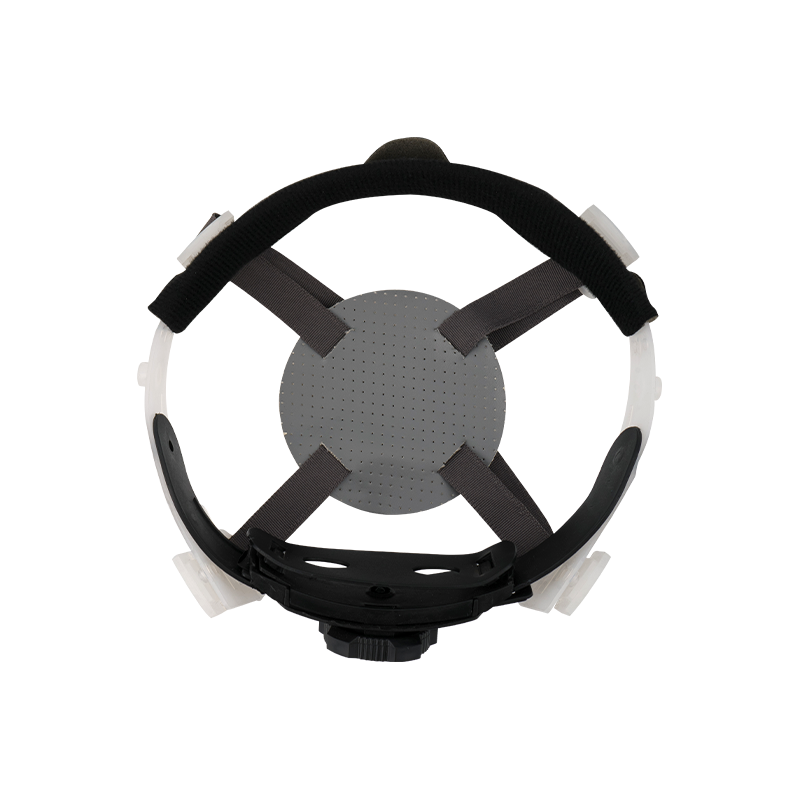 SH104 V-Guard Safety Helmet with Adjustable SuspensionA Type II-rated hard hat available in PE or ABS, offering impact protection and electrical insulation. Its V-shaped shell and 52–64 cm fit make it a practical choice for industrial sites requiring both performance and comfort.View Product →
In addition to impact type, ANSI/ISEA Z89.1 divides helmets into electrical insulation classes. These classes indicate how much voltage a helmet can withstand without letting electricity pass through to the wearer’s head. They are especially important for electricians, utility workers, and anyone working near energized equipment.
It is crucial to match the class to your job’s electrical environment. Wearing a Class G helmet near high-voltage lines would not provide sufficient protection, while a Class E helmet may be overkill for a normal warehouse setting and could feel heavier or offer different accessory compatibility. The class is always marked on the inside of the helmet shell, so a simple visual check is enough to verify compliance.
| Class | Test Voltage | Typical Applications |
|---|---|---|
| C | None (conductive) | No electrical hazard, metal helmet designs |
| E | 20,000 volts RMS | Utility, electrical construction, power stations |
| G | 2,200 volts RMS | Construction, general industrial, mechanical work |
Remember that the electrical insulation properties can be compromised by damage, moisture, dirt, or improper accessories. Holes drilled for mounting earmuffs or visors must be placed only in the shell areas allowed by the manufacturer. If the shell is modified, the electrical class rating becomes void. That is why you should always buy genuine accessories from your helmet supplier rather than customizing a shell in the field.
Understanding test methods helps you trust the label. Every compliant helmet must pass a series of impact and penetration tests using a headform and guided free-fall drop rig. The helmet is conditioned to different temperatures—often hot, cold, and ambient—before testing because performance can change with temperature. Let us look at the core requirements for both types.
The force transmission test measures how much impact energy reaches the headform. A striker is dropped onto the helmet’s crown, and accelerometers record the peak force. The standard sets a maximum force threshold, which applies to all helmets regardless of shell material. Penetration testing uses a pointed striker to verify that the helmet resists piercing and that the impact does not contact the headform.
Flammability testing is required for all types and classes. The shell is exposed to a controlled flame, and the helmet must not burn rapidly or continue burning excessively after the flame is removed. Electrical insulation testing is separate and is performed on the shell and complete helmet assembly to confirm that leakage current stays below the permitted limit at the rated voltage.
The chart below compares the number of impact test zones required for Type I and Type II helmets. This is a direct visual representation of the broader coverage provided by Type II models.
As the chart shows, Type I helmets are tested only on the apex, while Type II helmets receive impacts at the apex plus four lateral locations. This expanded testing means Type II helmets have proven energy absorption on impacts at the lower edge of the shell, which may occur in a fall against a beam. It also explains why many safety teams are moving to Type II as a default for roof work and utility tasks.
Another part of Type II testing involves chin strap retention. A test weight is dropped on the helmet to simulate a chin strap being pulled during a lateral impact. The strap must remain attached and functional. Type I helmets can have chin straps as optional accessories, but Type II helmets often come with them as standard to ensure the helmet stays on during side impacts.
It is also worth noting that testing is performed on complete helmets—shell and suspension together. If you replace a suspension system with a generic part, the helmet’s compliance may no longer be valid. Always use the manufacturer’s original suspension or a component formally approved under the same standard. This is a common pitfall for buyers who purchase cheap replacement suspensions and then wonder why their hard hats fail inspection.
Testing is not a one-time event. Responsible helmet manufacturers perform ongoing quality control testing on production batches to ensure consistency. When you buy from a dedicated safety equipment manufacturer, you receive helmets that represent the same design that passed the ANSI tests, not a copy with unknown properties.
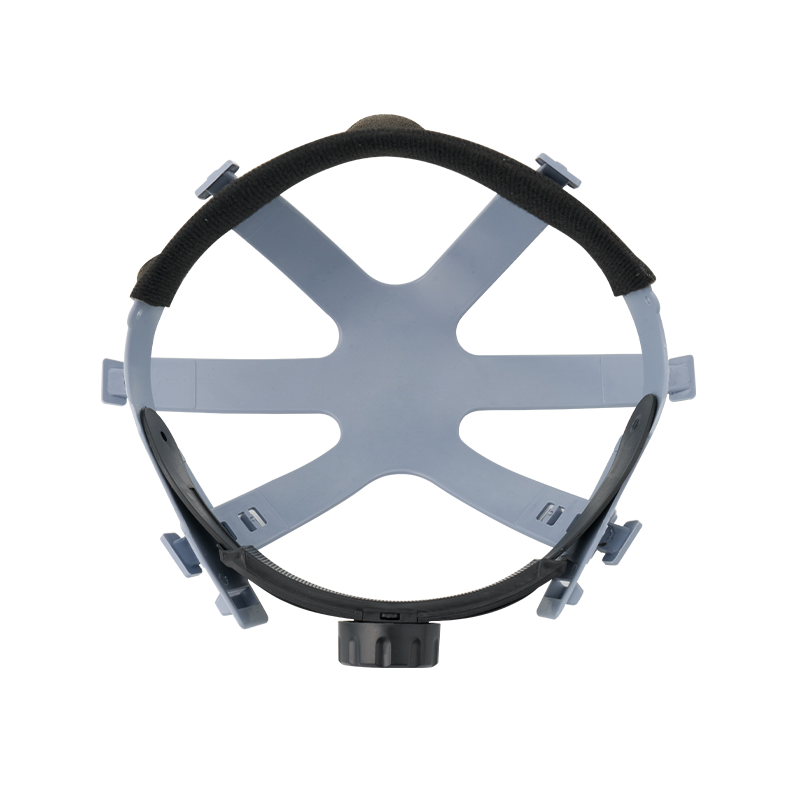 SH100 Penetration Resistant Safety Helmet with Multi-Point SuspensionDesigned to resist penetration with virgin PE or ABS material, this helmet features a multi-point buffer system to disperse impact. It is a relevant option when verifying ANSI label details and ensuring compliant head protection.View Product →
Every compliant industrial helmet must have a permanent label on the inside shell. This label is your first tool for verifying that a product meets your requirements. The standard specifies the minimum information that must appear, but you can still find inconsistencies in placement and readability between brands. Learning what to look for helps you avoid counterfeit or non-compliant products.
The key elements are: the manufacturer’s name or trademark, the standard designation (ANSI Z89.1-2014), the type (I or II), the class (C, E, or G), the head size range, and the date of manufacture. Some manufacturers also include a lot number or a warning to replace the helmet after a significant impact. The label should be printed, embossed, or glued in such a way that it remains legible outdoors.
You may also see "R2019" on labels printed after the reaffirmation date. This simply indicates that the 2014 version was formally reviewed and confirmed in 2019. The requirements did not change. If you find a label that does not mention the standard at all, treat the helmet as non-compliant for US industrial use.
Below is a sample of what the label information might look like in a condensed format:
Do not rely solely on external markings or heat-stamped logos on the shell. While those are useful, the internal label is the legal marker of compliance. If the internal label is missing or worn out, the helmet should be replaced immediately because there is no evidence that it meets any standard.
Now that you understand types and classes, the selection process becomes logical. Start with a job hazard analysis. Look for the presence of falling objects, protruding steel, energized wiring, and the likelihood of slips or falls. If side impacts are possible, choose Type II. If workers will spend long hours outdoors, consider a HDPE or ABS shell with a lightweight design and breathable padding.
Material matters too. High-density polyethylene (HDPE) helmets are lightweight, durable, and resistant to many chemicals. ABS plastic offers higher impact strength and temperature resistance. Some Type II helmets use advanced multi-layer shells, which can reduce neck strain while providing added protection. You should also check for accessories: face shields, visors, earmuffs, and mounting systems must all be compatible with the helmet and should not compromise its classification.
Comfort is not a luxury. A helmet that is too heavy or poorly balanced will be removed by the worker as soon as the supervisor is out of sight. Look for six-point suspension systems, adjustable headbands, and moisture-wicking pads. The helmet should fit snugly but not cause pressure points. This is especially important for workers who wear respiratory protection or communication headsets, since the helmet must combine with those devices.
For procurement, it is important to work with a manufacturer or supplier that can provide clear documentation and consistent quality. You might need to order hundreds of units for a project, so confirm that the supplier offers bulk pricing, stable lead times, and reliable certifications. If you intend to resell the helmets, you also need labels and packaging that meet US regulations. A responsible technical sales team can help you confirm these details before you place a large order.
One useful activity is to compare the HDPE material used in many industrial helmets. You can read more about the key benefits of HDPE safety helmets in industrial settings to see why they are so common. This background helps you explain material options to end users who will wear the helmets every day.
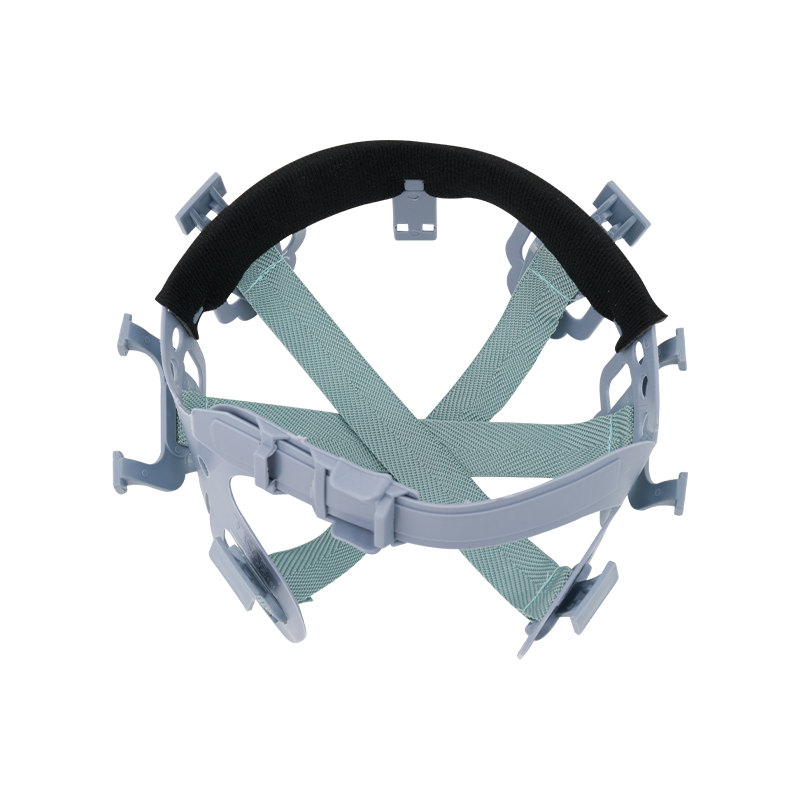 SH102 6-Point Suspension Breathable Safety Helmet with VentilationCE EN397 approved with six ventilated holes for hot environments, reinforced ribs for impact resistance, and a 6-point suspension for comfort. Its breathable design and water-diverting brim suit summer or hot-area work.View Product →
Even the best ANSI-compliant helmet will fail if it is abused or expired. The standard does not define a hard expiration date, but the manufacturer’s recommendations typically range from three to five years from the date of manufacture. The shell can also degrade when exposed to sunlight, chemicals, and extreme heat. A cracked or faded shell is a clear signal to replace the helmet.
Daily inspection should include checking the shell for cracks, dents, punctures, or peeling paint. The suspension system should be examined for loose stitches, torn headbands, or lost key components. If any part is damaged, replace the helmet or the suspension depending on the manufacturer’s instructions. A small impact that leaves no visible crack still reduces the helmet’s protective margin, so many safety programs replace after any significant impact.
Cleaning is straightforward. Use mild soap and warm water, and allow the helmet to air dry. Avoid solvents, petroleum-based cleaners, and strong chemicals because they can attack the plastic shell. Some workers mark their helmets with markers; this is usually safe, but avoid painting or exposing the shell to aerosol adhesive that could weaken the material.
| Inspection Point | What to Look For | Action |
|---|---|---|
| Shell surface | Cracks, abrasions, color fading | Replace shell if damaged |
| Suspension | Loose/broken straps, worn slots | Replace suspension |
| Internal label | Legible and intact | Replace if missing |
| Chin strap | Buckle function, frayed stitching | Repair or replace strap |
| Ventilation holes | Blocked or over-drilled | Ensure no unauthorized holes |
Store helmets in a cool, dry place away from direct sunlight, and avoid hanging them on rear-view mirrors of vehicles or leaving them on a dashboard. High heat can distort the shell, and UV exposure accelerates degradation. Remember that accessories such as winter liners may reduce shock absorption, so use only manufacturer-approved accessories that are tested with the helmet model.
When you buy ANSI/ISEA Z89.1 helmets for a large workforce, you are not just purchasing a product. You are investing in worker safety and legal compliance. Working directly with a manufacturer or wholesale supplier can offer several advantages: you have a single point of contact for quality questions, you can request test certificates, and you can often get bespoke color options or custom logo printing.
For wholesale buyers, it is vital to audit the supplier’s production process. A factory that runs its own injection molding machines with strict quality checks can produce consistent shells that meet the standard batch after batch. Suppliers who only rebrand imported goods may not have full control over the plastic material, suspension components, or labeling. Ask questions about raw material sourcing, in-house testing, and warranty policies. A reliable safety products manufacturer will be happy to share this information.
The cost of helmets is a small fraction of the cost of even one head injury. Choosing a cheap, uncertified helmet can lead to fines, lawsuits, and lost productivity. It is wise to build a relationship with a supplier who understands regulations and can recommend the correct product for your specific application. For example, a penetration-resistant helmet is ideal for work with rebars, while a lightweight ventilated model is better for long shifts in hot weather.
Ningbo Hoyoung Safety Products Co., Ltd. has two decades of experience in producing HDPE safety helmets, ABS models, and other personal protective equipment. Their automated workshop helps ensure consistency, and their export experience to North America, Europe, and South America means they understand how to meet international packaging and documentation requirements. To discuss your large-volume needs, you can contact their sales team through the contact page.
If you export helmets or work outside the United States, you will encounter other head protection standards. Most notably, the European Union uses EN 397 for industrial safety helmets. Both ANSI Z89.1 and EN 397 specify impact absorption and penetration tests, but they differ in details such as test energy, temperature conditioning, and labeling requirements.
EN 397 also defines optional requirements for vertical stability, M1 molten metal tests, or 5 dB hearing protection clips. Meanwhile, ANSI is more explicit about electrical classes. A helmet can carry multiple certifications if it is tested to both standards. For a global supply chain, choosing a helmet that is marked with both ANSI and CE can simplify inventory because the same product works for job sites in the US and Europe.
Other regional standards include CSA Z94.1 in Canada and Type I tests in Japan. The key point is that each standard has unique thresholds, so you cannot assume that a European helmet is automatically compliant in the US. Always verify the actual ANSI label before sending a helmet into an OSHA-regulated environment.
Every safety officer and procurement manager faces the same practical questions. We have collected the most frequent ones here, with concise answers based on the standard and common usage.
1. Is ANSI/ISEA Z89.1 mandatory?OSHA requires employers to provide head protection that meets ANSI/ISEA Z89.1. The standard itself is voluntary, but state and federal safety regulations incorporate it by reference. Practically, you must use a compliant helmet for OSHA-covered work. |
2. What is the difference between Type I and Type II?Type I protects only against impacts to the top of the head. Type II protects against top impacts plus impacts to the front, back, and sides. Type II undergoes more extensive testing, including lateral impacts and chin strap retention. |
3. Can a helmet be both Class E and Class G?No. Each helmet receives one electrical class rating. Class E withstands 20,000 volts, while Class G withstands only 2,200 volts. The higher class E rating automatically exceeds the G test, but a manufacturer must test and label it for E separately. |
4. How often should a hard hat be replaced?There is no fixed date in the standard, but most manufacturers recommend replacing the shell every three to five years from the date of manufacture. You should also replace it after any significant impact or if it shows cracks, fading, or other damage. |
5. What does the R2019 mean?R2019 means the ANSI/ISEA Z89.1-2014 standard was formally reaffirmed in 2019 without technical changes. It is a confirmation that the requirements are still current. A label may show either "ANSI Z89.1-2014" or add "(R2019)" for clarity. |
6. Can a hard hat be used after being dropped?If the drop was minor with no visible damage, many programs allow continued use. If the helmet struck a sharp object or fell more than two meters, replace it immediately. The internal foam or suspension may be compressed even if the plastic looks intact. |
Head injuries are among the most severe and preventable injuries in industrial work. The ANSI/ISEA Z89.1 standard gives you a clear framework to evaluate helmets, but it only works if you use it actively. Start by auditing your current inventory: do you have helmets with the wrong type or class for the tasks? Are labels legible? Have any helmets passed their service life?
Next, train your workers to inspect their own helmets. A five-minute check every morning can catch a hairline crack before it becomes a catastrophic failure. Encourage them to report any accessory compatibility concerns and to avoid impact tests that are not required by the job. A helmet is a personal item that needs to fit well and stay comfortable, so let workers choose from several compliant models that all meet your site requirements.
From a purchasing perspective, document which products you purchase and what certifications they carry. This creates an auditable trail for safety inspectors and provides you with data if a recall occurs. If you work with a trusted supplier, ask about their quality management systems and whether their helmets are independently tested by NVLAP-accredited labs. That extra verification can save you from a costly bad batch.
Finally, remember that ANSI/ISEA Z89.1 is a baseline, not a ceiling. Some employers now choose Type II helmets with enhanced ventilation and integrated communication systems because they increase compliance. The standard will continue to evolve to address new hazards and materials. Stay informed, and do not hesitate to ask your supplier for help interpreting the label—it is a sign of professionalism, not indecision.
It is focused on the overall solution of dry bulk material port transfer system,
research and development,
manufacturing, and service
Contact Us
Contact UsMiss. Jenny
+86 136 5588 7720
sales8@hoyoungsafety.com
sales1@hoyoungsafety.com