Content
A reflective vest improves a wearer's visibility by combining fluorescent background fabric, which stands out in daylight, with retroreflective tape, which bounces vehicle headlights straight back to a driver's eyes at night. Independent closed-course research has found that adding retroreflective material to clothing can roughly double a driver's recognition distance compared with non-reflective clothing, and placing retroreflective strips on the body's major joints can extend that distance up to three times further still. For anyone responsible for outfitting a road crew, warehouse team, or event staff, the practical takeaway is straightforward: the vest's material class, tape placement, and certification to a recognized standard such as ANSI/ISEA 107 or EN ISO 20471 matter far more than color alone. The sections below walk through the science, the data, the classification systems, and the manufacturing details that separate a compliant high visibility vest from one that only looks the part.
A reflective vest, also called a high visibility vest or hi-vis safety vest, is a piece of personal protective equipment built from two functionally different materials layered onto one garment. The first is fluorescent background fabric, typically in lime-yellow, orange, or red, which absorbs UV light and re-emits it as visible light, making the fabric appear brighter than ordinary colored cloth under daylight or dusk conditions. The second is retroreflective tape, a narrow strip embedded with thousands of microscopic glass beads or prisms that catch a light beam, such as a car headlight, and send it back almost directly toward its source rather than scattering it in random directions. This retroreflective effect is what allows a road worker or cyclist to appear as a bright, well-defined outline in a driver's headlights from a considerable distance, even on an unlit road at night.
Manufacturers place retroreflective tape in horizontal bands across the torso, and in higher classes also across the shoulders and down the arms and legs, because the human eye and brain are especially good at recognizing a moving human shape when reflective points align with the body's major joints. This is sometimes referred to as a biomotion configuration. A well-constructed reflective safety vest also pays attention to less visible details: bar-tacked stitching at stress points, colorfast fabric that will not fade after repeated laundering, and tape that remains bonded to the fabric through flexing, abrasion, and exposure to sun and rain. The combination of fluorescent fabric for daytime conspicuity and retroreflective tape for nighttime conspicuity is what defines a garment as genuinely high visibility, rather than simply brightly colored. Buyers sourcing in bulk from a safety vest manufacturer should always ask which class and standard a vest is certified to, since two vests that look nearly identical on a hanger can perform very differently once tested under a headlight beam.
Recognition distance is the point at which an approaching driver first identifies a person, rather than just an indistinct shape, ahead on the road. It is one of the few genuinely measurable ways to compare how well different types of clothing protect pedestrians and roadside workers, and it has been the focus of closed-course driving studies conducted by transportation safety researchers for more than two decades. In one widely cited study, researchers Wood and Tyrrell tested younger and older drivers on a closed road circuit at night under both low-beam and high-beam headlights, recording the exact moment each driver recognized a pedestrian wearing different clothing configurations. Their results, later summarized in transportation safety literature, showed that recognition distance depends heavily on both what a pedestrian is wearing and how that reflective material is arranged on the body, not just whether reflective material is present at all.
Separately, research by Muttart in 2000 examined pedestrian detection on a closed course and found that a retroreflective vest nearly doubled detection distance compared with plain clothing, and that the color of the retroreflective material also made a measurable difference, with red-orange material outperforming white material in that particular test. A later study summarized by vision researchers at the Queensland University of Technology found that positioning retroreflective strips on the ankles, knees, elbows, and shoulders, so the material moves with the body and forms a recognizable human silhouette, extended driver recognition distance to roughly three times what the same amount of retroreflective material achieved when placed on the torso alone. The chart below translates these two independent findings into a single comparative index, using the standard retroreflective vest as the reference point of 100, so the relative scale of each finding is easy to read at a glance.
Before looking at the numbers, it helps to understand exactly what this chart is measuring and why the comparison is structured the way it is. The chart below is not a single laboratory test but a composite index built from two separate, independently published closed-course driving studies, each measuring how far away a driver first recognizes a person on the road at night. Because the two studies used different vehicles, speeds, and test distances, the fairest way to compare them is as relative ratios rather than absolute meters, so the standard retroreflective vest is set as the reference value of 100 in both directions. Reading left to right, the chart shows how much shorter the recognition distance is for a person wearing no reflective material at all, and how much longer it becomes once retroreflective strips are added to the body's moving joints rather than the torso alone. Keep in mind that real-world recognition distance also depends on weather, ambient lighting, vehicle speed, and driver age, so these figures should be read as directional evidence of a strong pattern rather than a precise prediction for every roadway.
The pattern the chart reveals is consistent and stark, and it holds a clear practical lesson for anyone purchasing safety gear for a road crew, delivery fleet, or warehouse floor. A person wearing ordinary dark or non-reflective clothing at night is, on this index, recognized at roughly half the distance of someone wearing a standard retroreflective vest, which in real driving terms can mean the difference between a driver having several extra seconds to react and having almost none. Moving up the scale, a standard vest with retroreflective bands across the chest and back already delivers a substantial safety margin over unprotected clothing, which is exactly why ANSI/ISEA 107 and EN ISO 20471 both mandate minimum retroreflective tape coverage rather than leaving it optional. The largest jump on the chart, however, comes from changing where the material sits on the body rather than how much of it there is. Placing retroreflective strips at the ankles, knees, waist, and shoulders creates a recognizable walking silhouette that the human visual system is unusually good at picking out of a cluttered background, which is why the biomotion configuration reaches roughly three times the recognition distance of a torso-only vest in controlled testing.
For a purchasing manager, this data suggests two practical decisions. The first is to never treat a plain fluorescent shirt or jacket without retroreflective tape as adequate for roadside or low-light work, since the visibility gap compared with a certified vest is large and measurable. The second is that for the highest-risk roles, such as flaggers working close to high-speed traffic, pairing a Class 2 or Class 3 vest with additional reflective ankle or wrist bands can meaningfully extend the margin of safety beyond what the vest alone provides. Recognition distance research consistently shows that reflective material placement, not just total surface area, drives real-world visibility outcomes, which is a detail that is easy to overlook when comparing vests purely by price or by class label.
The two standards that govern most of the world's high visibility clothing market are ANSI/ISEA 107, used primarily in the United States, and EN ISO 20471, used across the European Union and widely referenced elsewhere. Both standards share the same underlying logic: they sort garments into performance classes based on how much fluorescent background material and retroreflective tape the garment carries, with higher classes required for workers who face faster traffic, more complex visual backgrounds, or less separation from moving vehicles. In the United States, ANSI/ISEA 107 is a voluntary industry consensus standard, but it becomes a legal requirement in many roadway settings because it is incorporated by reference into the Manual on Uniform Traffic Control Devices and into federal highway worker visibility regulations under 23 CFR Part 634. Workers in the right-of-way of a federal-aid highway must generally wear a garment meeting at least ANSI/ISEA 107 Type R Class 2, stepping up to Class 3 on roads with posted speeds above fifty miles per hour or during reduced visibility conditions.
EN ISO 20471, first published in 2013 to replace the older EN 471 standard, follows a similar three-class structure but ties each class more directly to a maximum safe traffic speed for the work being performed. According to safety apparel guidance published under the standard, Class 1 garments are intended for environments with traffic speeds up to roughly 30 km/h, Class 2 for speeds up to around 60 km/h, and Class 3 for higher-speed roads and the most hazardous environments, where full sleeve and leg coverage is typically required. Certification under EN ISO 20471 is valid for five years from testing, and garments must display the standard's icon along with the correct class number on a permanent label, which gives buyers and safety officers a quick way to confirm compliance at the point of purchase. A responsible reflective vest manufacturer will test finished garments against whichever standard its export markets require, since a vest built for the North American market and one built for the European market are not automatically interchangeable even if they look similar.
| Class | ANSI/ISEA 107 Typical Use | EN ISO 20471 Typical Use | General Risk Level |
|---|---|---|---|
| Class 1 | Off-road work, ample traffic separation, speeds up to 25 mph | Low-speed roads, up to about 30 km/h | Lowest |
| Class 2 | Moderate-risk roadway work, reduced weather visibility | Moderate-speed roads, up to about 60 km/h | Moderate |
| Class 3 | High-speed roadways above 50 mph, flaggers, emergency responders | High-speed roads above about 60 km/h, complex backgrounds | Highest |
Reading a standards table is useful, but it can still be difficult to picture how the three classes actually differ from one another across every dimension that matters for a purchasing decision. A radar chart is well suited to this kind of comparison because it plots several attributes at once around a shared center point, letting the overall shape of each class become instantly recognizable rather than requiring a reader to cross-reference several rows of a table. The chart below compares Class 1, Class 2, and Class 3 garments across five practical dimensions: the amount of fluorescent background material required, the amount of retroreflective tape required, the traffic speed each class is generally suited for, the visual complexity of environment it is designed to handle, and how much of the body the garment is required to cover. Each dimension is scored on a simple relative scale of one to three, mirroring the class numbers themselves, so a larger shape on the chart directly corresponds to a higher-class, higher-coverage garment. This makes it easy to see at a glance why a Class 3 garment, worn by flaggers and emergency responders, is a meaningfully different piece of equipment from a Class 1 vest worn in a low-traffic yard or warehouse.
Legend:
The shape of each polygon tells a clear story once the chart is read as a whole rather than one axis at a time. Class 1, shown as the smallest inner shape, scores low across every dimension, reflecting its intended use in low-risk, off-road, or well-separated environments such as parking facilities or private yards where workers are not directly exposed to moving traffic. Class 2, the middle shape, expands outward on every axis simultaneously, which mirrors how the standard actually works: moderate risk work does not simply need more of one material, it needs a proportional increase in background fabric, tape coverage, speed suitability, and environmental complexity handling all at once. Class 3, the outermost shape, reaches the maximum score on every dimension, which is consistent with its requirement for full sleeve coverage, the largest area of retroreflective tape, and its designation for the highest-speed roadways and most visually cluttered work sites.
One useful pattern the radar chart makes visible is that the three classes grow in a balanced, proportional way rather than trading strength in one dimension for weakness in another. This matters for buyers because it means a Class 3 garment is not simply a Class 1 garment with more tape sewn on; it is generally a different garment structure altogether, often including sleeves and sometimes trousers to maintain all-around coverage at every angle a driver might approach from. Matching the class to the actual traffic speed and work environment, rather than defaulting to the highest class for every role, keeps a safety program both compliant and cost-efficient, since over-specifying a Class 3 garment for warehouse or yard work adds bulk and heat without a corresponding safety benefit. For procurement teams sourcing from a wholesale reflective vest supplier, requesting garments tested and labeled against the specific class required for each job role, rather than ordering a single class for an entire workforce, is generally the more defensible approach from both a safety and a budget standpoint.
Understanding where the reflective vest fits within the broader high visibility clothing category helps explain why so much manufacturing investment has gone into this specific product over the past decade. According to market research published by Grand View Research, the global high visibility clothing market was valued at approximately 1,814.0 million U.S. dollars in 2024 and is projected to reach roughly 2,695.1 million U.S. dollars by 2030, which implies a compound annual growth rate of about 6.9 percent across that period. Within that broader market, the same research indicates that vests were the single largest product category in 2024, accounting for roughly 37.2 percent of total revenue, ahead of jackets, shirts, trousers, and other garment types combined. The donut chart below visualizes that product split, and the area chart that follows it maps out the market's projected growth path through the end of the decade.
Before examining either chart in detail, it is worth noting why the vest format has held onto such a large share of the category for so long. A vest is worn over existing clothing rather than replacing it, which makes it far easier to issue, size, and rotate across a large or seasonal workforce than a full jacket or coverall would be. It is also lighter and more breathable than a full-sleeve garment, which matters in warmer climates and for indoor or short-duration outdoor tasks where a Class 3 jacket would be unnecessarily heavy. Because a vest can be produced, packed, and shipped more efficiently than bulkier high visibility garments, it also tends to be the first product a new safety apparel buyer standardizes on before expanding into jackets or trousers for higher-risk roles. These practical advantages, combined with steady regulatory demand from the construction, transportation, and logistics sectors, are the main forces reflected in the growth curve shown further below.
Reading the donut chart first, the concentration of revenue in the vest category is more pronounced than many buyers expect, with vests alone outselling every other high visibility garment type combined in several major reporting years. This concentration reflects the practical advantages discussed above: vests are simpler to size, faster to distribute across a large crew, and more comfortable for the many jobs that do not require full-sleeve or full-leg coverage. It also means that competition and manufacturing specialization within the vest category specifically, rather than the high visibility apparel category broadly, has intensified, pushing established manufacturers to differentiate through certification consistency, tape durability, and value-added features like reflective piping or additional pockets rather than through the base garment format itself. For a wholesale buyer, this concentration is a useful signal that vests remain the safest default starting point when building or expanding a workforce safety apparel program.
The area chart tells a complementary growth story. The market's climb from roughly 1,814 million dollars in 2024 toward a projected 2,695 million dollars by 2030 represents sustained, rather than explosive, growth, which is consistent with a market driven primarily by regulatory compliance and infrastructure spending rather than short-term fashion or consumer trends. Grand View Research's regional breakdown further indicates that the Asia Pacific region already accounted for roughly 34.0 percent of global revenue in 2024, reflecting rapid infrastructure and construction growth in countries across the region, while the United States market alone is projected to grow at a slightly faster 7.3 percent CAGR over the same forecast window. This steady, regulation-driven growth pattern is one reason established PPE manufacturers continue to invest in dedicated production capacity for reflective vests rather than treating them as a minor product line. For any business evaluating a long-term supplier relationship, a manufacturer with sustained production volume and export experience across multiple certification regions is generally better positioned to support growing order volumes than one relying on a single domestic certification.
While road construction is the most commonly pictured use case, reflective vests are standard issue across a much wider range of industries, each with slightly different priorities around class, comfort, and durability. Recognizing which category a given workforce falls into makes it easier to choose the right class and features rather than defaulting to a single vest style for every role.
Across all of these sectors, the underlying purchasing question is consistent: what traffic speed, lighting condition, and proximity risk does this specific role actually face, and which class and feature set matches that risk without over- or under-specifying the garment. A construction safety vest built for flaggers on a highway shoulder generally does not need to be identical to a vest issued to warehouse staff working entirely indoors, even though both fall under the general high visibility clothing category.
Beyond the fluorescent fabric and retroreflective tape already discussed, several structural details determine whether a reflective vest holds up to daily use in the field. The diagram below breaks down the six components that most influence a vest's durability, comfort, and compliance, based on a standard open-front, mesh-back safety vest design of the kind widely used across construction and logistics settings.
The photograph below shows three finished reflective vest styles, illustrating how the same core safety principles, fluorescent body fabric and horizontal retroreflective banding, can be produced in different silhouettes to suit different work environments and budgets.
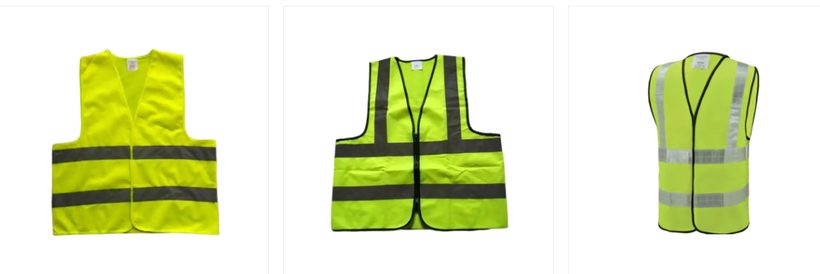
The vest on the left uses a simple two-band layout on solid fluorescent yellow-green fabric, a configuration well suited to Class 2 applications where budget and breathability are priorities. The center vest adds a front zip closure and a slightly heavier weave, which improves durability for crews who put the garment on and take it off multiple times per shift. The vest on the right uses a silver-tone retroreflective tape against a lime body with black trim, a combination frequently chosen for public safety or corporate branding applications where a more neutral, less saturated appearance is preferred alongside full compliance. Across all three styles, the retroreflective tape width and placement, not the base fabric color, is what ultimately determines the class rating a garment can achieve. Buyers evaluating samples from a safety vest supplier should check the tape's certification documentation directly rather than assuming a wider or shinier-looking strip automatically performs better under standardized testing.
Selecting a reflective vest is easiest when approached as a short checklist rather than a single decision. Working through the points below in order generally leads to a specification that matches both the risk level of the job and the day-to-day comfort needs of the people who will wear the garment for an entire shift.
Use the standards table earlier in this article to identify the minimum class required for the posted speed limit and proximity to traffic on each job site, rather than issuing a single class to every worker regardless of role.
A mesh-back vest improves airflow for long outdoor shifts in warm climates, while a vest designed to layer over winter jackets needs a wider adjustable side strap and a larger overall cut.
Zippers offer a cleaner front profile and are quick to close with practice, while hook-and-loop closures are easier to operate with gloves on and tend to be more forgiving across a range of body sizes.
Request the manufacturer's size chart and, where possible, a physical sample before committing to a bulk order, since a vest that fits poorly is often removed or worn improperly, undermining the visibility benefit entirely.
Many organizations add a printed or embroidered company name, role label, or logo to the back panel, which supports both site identification and brand visibility without affecting the garment's certified class, provided the printed area does not reduce the required fluorescent or retroreflective surface below the class minimum.
Because a reflective vest is a safety-critical garment, the manufacturing process behind it matters as much as the finished design. A quality-focused manufacturer typically operates under a documented quality management system such as ISO 9001, which governs everything from incoming fabric inspection to final packing, and maintains CE certification records for garments sold into markets that require them. Consistent tape adhesion is one of the most important quality checkpoints, since retroreflective tape that begins to peel after repeated laundering or flexing will fail to perform even if the garment passed inspection when new. Reputable manufacturers test finished garments for colorfastness, seam strength, and retroreflective performance under simulated wear conditions before goods ship, rather than relying solely on raw material certificates from tape and fabric suppliers.
Production scale and automation also influence consistency across large orders. A factory running dedicated cutting, sewing, and tape-application lines with standardized workstations tends to produce more uniform output across a bulk order than a smaller shop assembling garments in mixed batches. For international buyers, working with a manufacturer that has direct export experience, rather than relying on an intermediary trading company, generally shortens the communication chain around specification changes, sample approval, and certification documentation. When evaluating a wholesale reflective vest supplier or PPE manufacturer, it is reasonable to request recent test reports, a factory audit summary, and references from existing export markets before placing a first bulk order.
Ningbo Hoyoung Safety Products Co., Ltd. is a manufacturing enterprise based in Ningbo, Zhejiang province, focused on personal protective equipment and road safety facilities and supplies, combining regional manufacturing expertise with the logistical advantages of a modern port city. With 20 years of experience in the PPE field, the company operates under a quality-and-service-first approach across its full product range. Production takes place in a 5,000 square meter workshop equipped with 16 injection molding machines, with much of the workshop implemented as unmanned, fully automated operation, supporting consistent output across large orders.
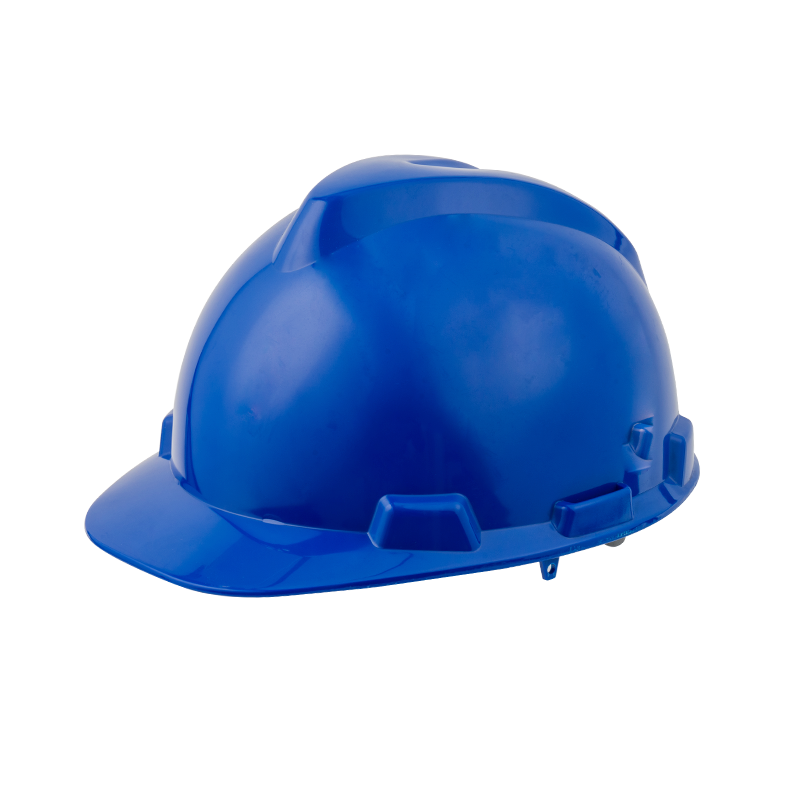
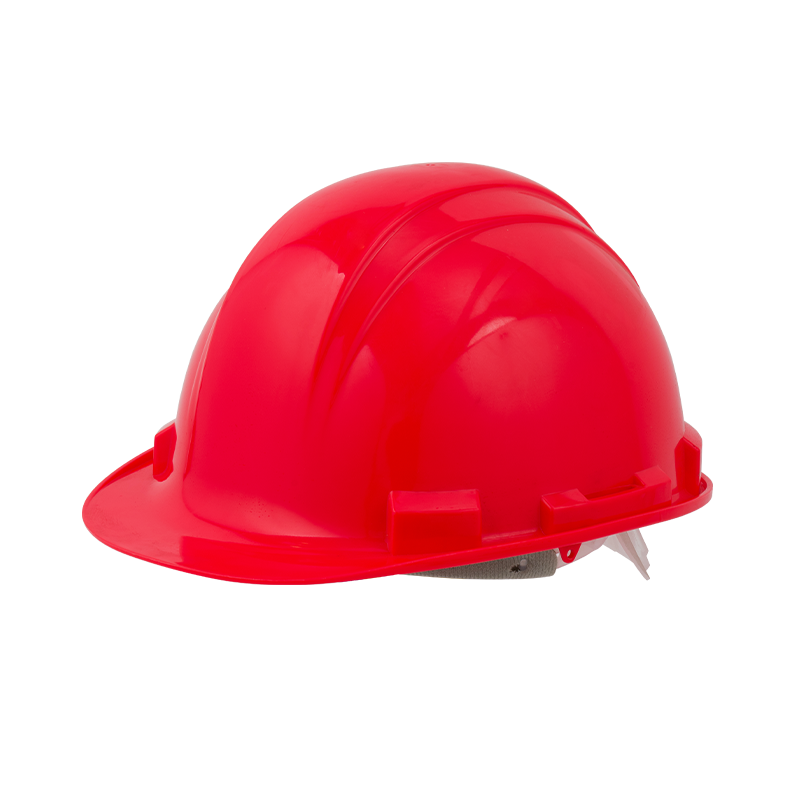
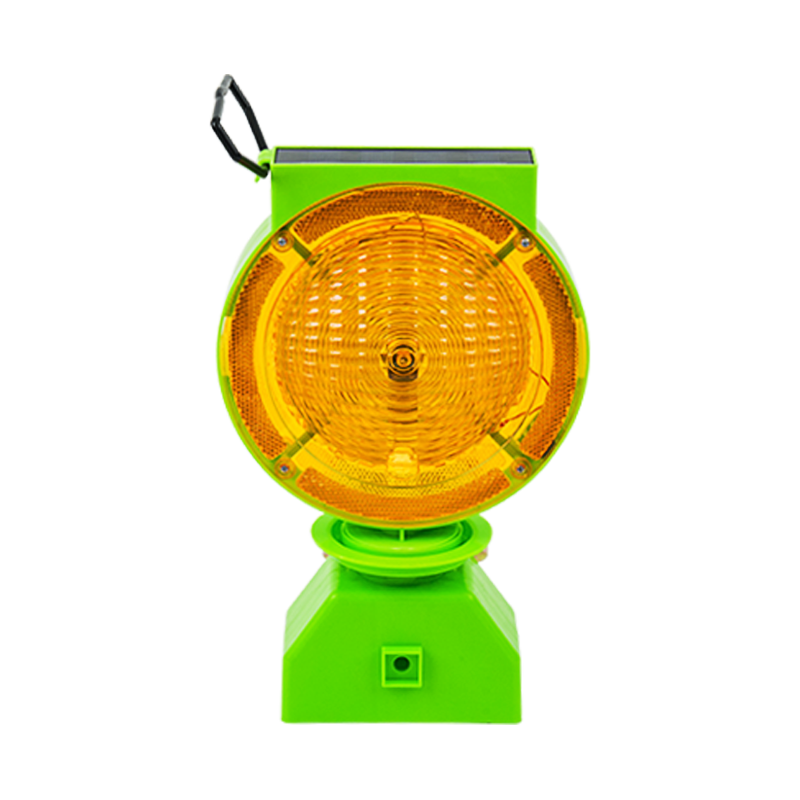
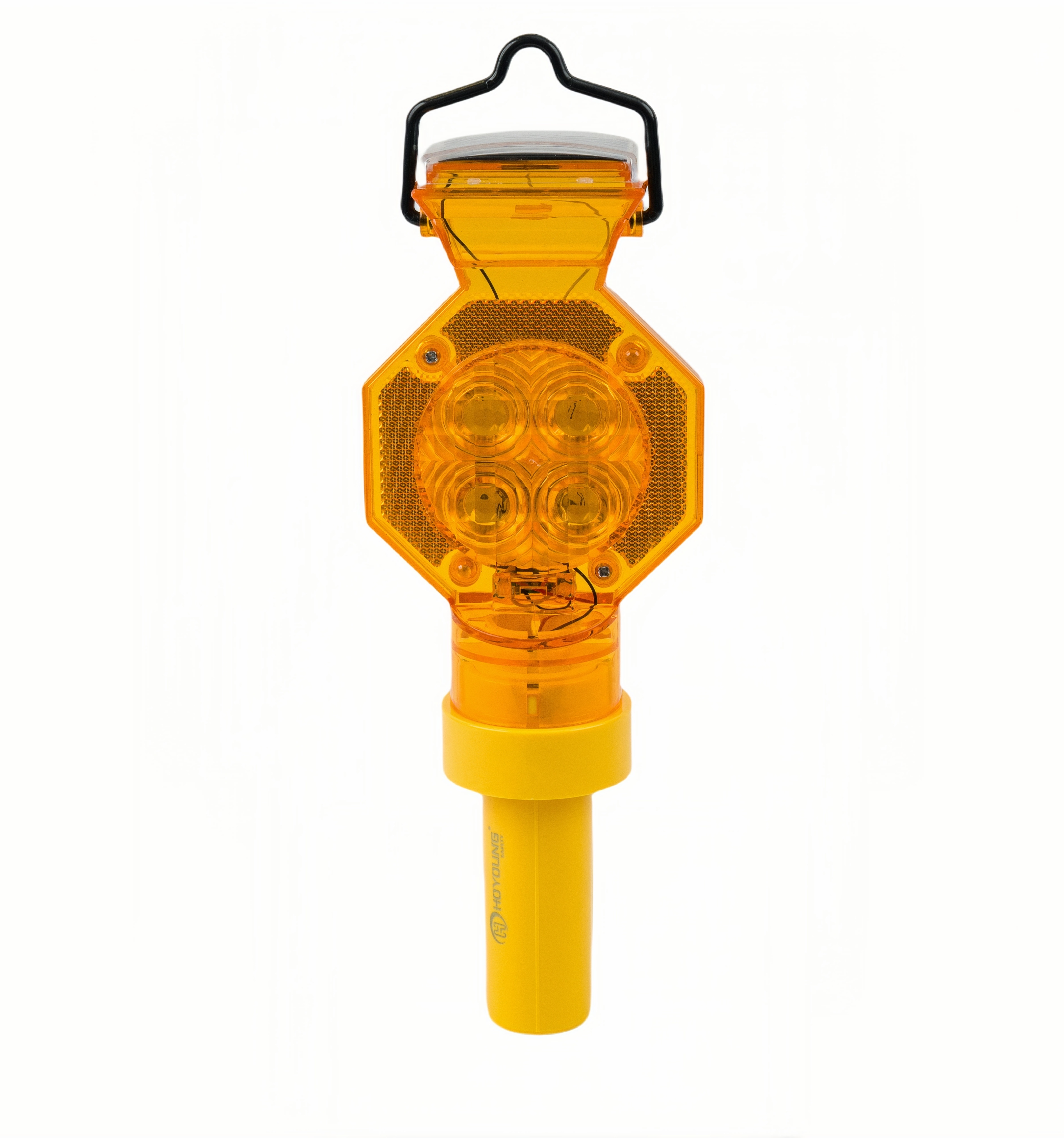
The company's core product range includes safety helmets, earmuffs, and other personal protective equipment, together with warning lights, collapsible safety cones, and other road protective equipment, all produced in strict accordance with the ISO 9001 quality management system. Products are CE certified and are exported to Europe, the United States, South America, Southeast Asia, and other regions worldwide. Ningbo Hoyoung Safety Products Co., Ltd. adheres to a philosophy centered on safety, peace of mind, and customer service, remaining market-oriented and grounded in customer needs, and welcomes domestic and international customers to visit the company and discuss how its manufacturing capabilities can support long-term PPE and road safety supply needs.
Q1: What is the difference between a Class 2 and a Class 3 reflective vest?
A1: Class 2 vests carry a moderate amount of fluorescent and retroreflective material and suit moderate-speed roadway or reduced-visibility work, while Class 3 vests require the largest surface area of both materials, often including sleeves, and are intended for high-speed roadways above roughly 50 mph or 60 km/h and the most visually complex work environments.
Q2: Does a reflective vest need to be a specific color to be effective?
A2: Fluorescent yellow-green, orange, and red are the colors recognized under ANSI/ISEA 107 and EN ISO 20471 because they provide strong daytime contrast against most backgrounds, but the retroreflective tape, not the background color, is what provides the majority of nighttime visibility performance.
Q3: How often should a reflective vest be replaced?
A3: A vest should generally be replaced once the fluorescent fabric has visibly faded, the retroreflective tape has peeled, cracked, or lost brightness, or the garment shows heavy soiling or tearing that reduces the visible surface area below the requirements of its class.
Q4: Can a reflective vest be customized with a company logo?
A4: Yes, most manufacturers can add printed or embroidered logos and role labels to the back or front panel, provided the customization does not reduce the fluorescent or retroreflective surface area below the minimum required for the vest's certified class.
Q5: What is the difference between ANSI/ISEA 107 and EN ISO 20471?
A5: ANSI/ISEA 107 is the standard primarily referenced in the United States and is tied to federal highway worker visibility regulations, while EN ISO 20471 is the equivalent European standard, tying its three classes more directly to specific traffic speed thresholds.
Q6: Are reflective vests suitable for indoor use?
A6: Yes, lighter Class 1 or Class 2 vests are widely used indoors in warehouses and distribution centers to improve visibility around forklifts and other moving equipment, even without direct exposure to public road traffic.
It is focused on the overall solution of dry bulk material port transfer system,
research and development,
manufacturing, and service
Contact Us
Contact UsMiss. Jenny
+86 136 5588 7720
sales8@hoyoungsafety.com
sales1@hoyoungsafety.com


 English
 Español
 عربى
عربى