Content
Breathable Lightweight Safety Bump Caps are protective headwear designed for low-impact environments where a full hard hat is unnecessary but head protection is still required, and the short answer is that they work by combining a rigid inner shell with a soft, ventilated baseball-cap-style outer shell to guard against bumps, scrapes, and minor knocks while remaining light enough for all-day wear. Unlike a traditional hard hat, a bump cap is built for comfort-first environments such as warehouses, workshops, kitchens, tight mechanical spaces, cycling, skating, and scooter use, where the main risk is a low-energy bump rather than a falling object. This article walks through how these caps are engineered, why breathability and weight matter for long shifts, how adjustable sizing works for both men and women, and where bump caps fit compared with other categories of protective headgear including bike helmets for cycling, skating, and scooter riding. Throughout the article we reference recognized industry frameworks such as the EN 812 bump cap standard and general PPE market research to keep the discussion grounded in verifiable information rather than marketing claims. Readers looking for a practical buying guide, technical comparisons, and real usage data will find structured sections below, each supported by a chart and a written explanation.
The single most important distinction between bump caps and industrial hard hats is the type of hazard each one is built to address. A hard hat, tested to standards such as ANSI Z89.1 or EN 397, is engineered primarily to absorb the energy of a falling object and to protect against penetration, which requires a rigid shell, a suspension system, and often a chin strap. A bump cap, tested under a standard such as EN 812, is instead engineered to protect against low-energy impacts caused by a person accidentally striking their head on a fixed object such as a shelf, pipe, doorway, or beam. Because the hazard profile is different, the construction is different: a bump cap typically has a lightweight ABS or high-density polyethylene shell sewn into or inserted under a soft, breathable textile cap rather than a full hard shell with a suspension cradle. This difference in construction is why bump caps are worn for entire shifts in warehouses and light manufacturing settings, whereas a full hard hat is reserved for construction sites and overhead hazard zones.
The table below summarizes the practical differences that most buyers and safety officers care about when deciding which category of headwear is appropriate for a given work environment.
| Criteria | Bump Cap | Hard Hat |
|---|---|---|
| Typical standard | EN 812 | ANSI Z89.1 / EN 397 |
| Hazard addressed | Low-energy bumps | Falling or flying objects |
| Typical weight | Light | Moderate to heavy |
| Ventilation | High, mesh panels common | Limited, vent holes only |
| Common use case | Warehousing, light assembly, food prep, cycling and skating | Construction, overhead work zones |
For buyers sourcing head protection for logistics teams, facilities staff, or recreational users, understanding this distinction avoids over-specifying equipment for a low-energy environment, which in turn supports better compliance because workers are more likely to wear headgear they find comfortable for an entire shift.
Breathability is one of the most frequently requested features from buyers evaluating Breathable Lightweight Safety Bump Caps, and the reason is simple: heat buildup under a cap during a long shift directly affects comfort, focus, and how consistently the cap is actually worn. Below is a horizontal bar chart comparing relative airflow performance across common headwear categories, based on general ventilation design patterns rather than a single proprietary measurement. The chart is meant to give a directional sense of how mesh-panel bump caps compare with fully enclosed shells rather than to represent an exact laboratory figure. Ventilation performance in this category generally correlates with the number and placement of mesh panels, the use of moisture-wicking sweatbands, and whether the shell allows air to circulate around the crown rather than trapping it against the scalp. Products that combine a perforated ABS insert with a mesh textile crown tend to sit at the higher end of the airflow spectrum shown below. This matters practically because workers in warm warehouses, outdoor loading docks, or summer cycling routes are far more likely to remove protective headwear that feels stifling, which defeats the purpose of wearing it in the first place.
Looking at the chart, mesh bump caps and vented bike helmets consistently outperform enclosed hard hats on relative airflow, which reflects their open-panel construction. Standard bump caps without additional mesh panels still perform reasonably well because the textile cap shell already allows more air movement than a rigid polymer dome. Vented hard hats sit in the middle because their vent holes are limited in number and placement to preserve structural integrity. Full shell hard hats sit at the lower end because their impact-absorption requirements leave little room for large openings. For buyers comparing adjustable hard hats for men and women against bump caps, this airflow difference is often the deciding factor when the hazard level in the workplace allows either option. In practice, procurement teams sourcing for warm climates or physically demanding roles frequently prioritize mesh bump caps specifically because reduced heat stress supports longer, more consistent PPE compliance across a shift. Manufacturers can improve on this baseline further by adding moisture-wicking sweatbands, perforated foam padding, and adjustable rear vents that let workers fine-tune airflow to the season and the task at hand.
Weight is the second pillar of comfort alongside ventilation, and it becomes especially important for roles that require continuous headwear use across an eight to twelve hour shift. A lightweight bump cap typically weighs a fraction of a standard hard hat because it uses a thin ABS or polyethylene insert rather than a full structural shell, and this weight reduction directly reduces neck strain and pressure points at the crown of the head. Below is a line chart illustrating a general, illustrative pattern of perceived head and neck fatigue over a typical eight-hour shift, comparing a lightweight breathable bump cap against a heavier full-shell alternative. The pattern reflects widely observed ergonomic principles in PPE design literature rather than a single controlled study, and it is intended to show the general direction of fatigue accumulation rather than precise numeric fatigue units. As the hours progress, the gap between the two lines tends to widen because fatigue from sustained low-level pressure compounds over time rather than staying constant. This is one of the reasons safety officers frequently cite weight reduction as a compliance driver: workers are measurably less likely to remove or loosen headgear improperly when it does not accumulate discomfort throughout the day. The chart also reflects why bump caps are popular for roles that combine walking, bending, and reaching, since a lighter cap moves with the head more naturally and reduces the tendency to adjust or remove it mid-task.
The two lines in this chart both trend upward because some fatigue accumulation is expected with any headwear worn for a full shift, but the slope of the orange line representing the lightweight bump cap is noticeably flatter. This flatter slope indicates that perceived discomfort grows more slowly when the cap sheds unnecessary weight from the shell and relies on a soft, contoured textile crown instead. By the final hours of the shift, the gap between the two lines is largest, which is consistent with feedback commonly reported by facilities and logistics teams that switch from heavier headgear to lightweight bump caps for low-hazard zones. A lighter cap also reduces the load on the neck during repetitive bending and looking-down tasks common in warehousing, picking, and light assembly work. For manufacturers and B2B buyers, this pattern is a useful talking point when comparing product specifications sheets, since gram-for-gram weight reduction on the shell insert tends to have an outsized effect on end-user comfort ratings relative to its effect on protective performance against low-energy bumps. Sourcing teams evaluating adjustable hard hats for men and women alongside bump caps should weigh this fatigue curve against the hazard classification of the work environment before making a final specification decision.
One of the defining features of modern bump caps is that they are built on a baseball cap style safety hat silhouette rather than a rigid dome shape, and this design choice is deliberate. A familiar cap shape encourages higher voluntary wear rates because it does not look or feel like traditional industrial headgear, which can matter in mixed environments such as retail warehouses, food and beverage facilities, or maintenance teams that move between office and shop-floor areas throughout the day. The curved brim also provides incidental sun and glare protection for outdoor tasks such as loading dock work, landscaping-adjacent facility maintenance, and light delivery roles.
Because the outer shell resembles a standard cap, many facilities also find it easier to standardize branding across teams by printing or embroidering a company logo on the front panel, which supports both safety compliance and site identification at the same time. This dual-purpose design is a meaningful reason procurement teams increasingly specify baseball cap style safety hats for roles where a full industrial helmet would be considered excessive for the actual hazard level present.
Fit consistency across different head sizes and shapes is a core requirement for any workforce safety program, and adjustable hard hats for men and women style bump caps typically solve this with a rear dial, snapback closure, or hook-and-loop strap that allows a single product line to fit a wide range of users without needing multiple shell sizes. Below is a radar chart comparing five practical fit and comfort criteria across three headwear categories: a fixed-size traditional hard hat, an adjustable bump cap, and a general adjustable bike helmet. The five criteria are ventilation, weight, adjustability range, all-day comfort, and ease of cleaning, each scored on a relative scale for illustrative comparison purposes. This radar format makes it easy to see at a glance where each product category has strengths and tradeoffs rather than presenting a single overall score that hides those differences. Adjustable bump caps tend to score particularly well on adjustability and comfort because the soft outer shell and rear closure system were designed from the outset to accommodate a broad range of head circumferences, often spanning roughly 54 to 62 centimeters within a single size band. This is a meaningful sourcing advantage for distributors and safety managers who need to outfit mixed teams without carrying multiple SKUs for different head sizes. The radar chart below should be read as a directional comparison intended to support product selection conversations rather than a certified laboratory scorecard.
In the chart, the orange polygon representing the adjustable bump cap extends furthest along the ventilation, adjustability, and comfort axes, which aligns with its lightweight mesh construction and rear adjustment mechanism. The dark polygon representing a fixed-size hard hat is noticeably smaller across most axes except structural weight tolerance, since rigid shells prioritize impact energy absorption over adjustability and breathability. This visualization is particularly useful for teams that supply personal protective equipment to a mixed workforce, since a single adjustable size range reduces inventory complexity while still accommodating different head shapes across men and women. Ease of cleaning also favors the bump cap category because most outer shells use a machine-washable or wipeable textile material rather than the more complex suspension webbing found inside many hard hats. Overall, the radar comparison supports a common purchasing pattern in which teams select adjustable bump caps for low-hazard zones specifically because the fit, comfort, and hygiene profile better matches long-term daily use across diverse body types.
Bump caps are used across a wider range of settings than most people initially expect, spanning industrial facilities, food service kitchens, home workshops, and recreational activities such as cycling, skating, and scooter riding. The donut chart below breaks down a general, illustrative distribution of where lightweight bump-cap-style headwear tends to be used most frequently, based on commonly cited use-case categories in occupational safety guidance rather than a single proprietary survey. Warehousing and light industrial settings make up the largest share because these environments frequently involve low fixed obstacles such as shelving, pipes, and low doorways where a full hard hat would be unnecessary but some head protection is still valuable. Food and beverage processing follows closely because hygiene requirements often favor a washable textile cap over a rigid shell with foam padding that is harder to sanitize. Recreational use, including women's bike helmets for cycling and general use for skating and scooter riding, represents a smaller but steadily growing segment as more casual riders look for lightweight, well-ventilated head protection for everyday commuting rather than competitive sport. Facilities maintenance and mechanical work rounds out the picture, covering roles such as machine servicing and utility work in confined spaces.
Reading the donut chart clockwise from the top, the largest orange segment represents warehousing and light industrial use, followed by the dark segment for food and beverage facilities, then the gray segment for facilities and mechanical maintenance, and finally the smaller light-orange segment for recreational cycling, skating, and scooter use. The relative sizes reinforce a pattern seen across the personal protective equipment industry, where indoor low-hazard commercial environments remain the primary demand driver for bump-cap-style headwear, while the recreational segment is smaller in absolute share but has been expanding as urban cycling and micromobility, including scooters and skateboards, become more common in cities. This growth in casual micromobility use is one reason manufacturers increasingly design bump-cap-adjacent products with the same lightweight, ventilated principles used in dedicated bike helmets, since the comfort expectations of a daily commuter overlap closely with those of a warehouse worker on an eight-hour shift. For B2B buyers and distributors, this diversified demand base is a useful signal that a single well-designed lightweight, breathable, adjustable cap platform can serve multiple customer segments rather than requiring an entirely separate product line for each use case.
To make the internal construction of a typical breathable lightweight bump cap easier to understand, the isometric diagram below labels the main structural layers found in this product category. Since no photographic image was provided for this article, the diagram uses a simplified technical illustration style rather than a photo-realistic rendering, and it should be read as a general schematic rather than an exact reproduction of any single product. The outer layer is the fabric shell, typically a cotton-polyester or polyester blend chosen for durability and breathability. Beneath the fabric shell sits the rigid protective insert, usually made from ABS or high-density polyethylene, which is the component responsible for absorbing and distributing the energy of a low-level bump. Inside the insert, mesh ventilation panels are positioned at the sides and rear to allow continuous airflow across the scalp during movement. A moisture-wicking sweatband lines the inner edge of the cap to manage perspiration during physical activity, and an adjustable rear closure, shown at the back of the diagram, allows the cap to be sized to the individual wearer.
This layered construction is what allows a bump cap to remain lightweight while still meeting the EN 812 low-energy impact requirement, since the rigid insert only needs to cover the crown area rather than the entire head as a full hard hat shell does. The mesh panels positioned on either side, as shown in the diagram, are placed specifically at the areas where airflow is most effective without compromising the structural coverage of the impact insert directly above the crown. Manufacturers producing Breathable Lightweight Safety Bump Caps generally test each layer independently, checking the impact insert against drop-test requirements, the fabric shell for durability and colorfastness, and the sweatband for moisture absorption, before assembling the complete product for final quality inspection. Understanding this construction is useful for B2B buyers auditing supplier specification sheets, since it clarifies which claims relate to protective performance, which relate to comfort, and which relate to durability of the outer materials over repeated washing and daily use.
Demand for lightweight, breathable personal protective equipment has been on a steady upward trajectory as more workplaces prioritize worker comfort alongside compliance. According to general market research published by firms such as Grand View Research and Fortune Business Insights on the global personal protective equipment market, head protection remains one of the fastest-adapting categories as manufacturers shift toward lighter materials and improved ergonomics rather than relying solely on traditional rigid designs. The area chart below illustrates a general upward trend line for demand in the lightweight and adjustable head protection segment over a recent multi-year period, presented as an illustrative growth pattern consistent with broader PPE market commentary rather than an exact reproduction of any single data set. This kind of trend is commonly linked to several converging factors: stricter workplace comfort expectations from employees, growth in warehousing and e-commerce fulfillment centers that require extended-wear headgear, and rising interest in micromobility transportation such as bikes, skateboards, and scooters that has increased consumer demand for lightweight protective headwear outside the workplace as well.
The upward slope in the area chart reflects a pattern widely discussed in PPE industry commentary, where the steepest growth tends to occur in the more recent years as e-commerce logistics expansion and micromobility adoption accelerate simultaneously. Early years in the trend show more gradual growth, consistent with a period when lightweight bump caps were still a smaller niche relative to traditional hard hats. The steeper incline toward the right side of the chart aligns with reporting from research firms tracking the broader PPE market, which have noted that ergonomic and comfort-focused product design is increasingly treated as a purchasing criterion rather than a secondary consideration. For manufacturers and wholesalers, this trend supports continued investment in mesh ventilation technology, adjustable sizing systems, and lightweight impact-resistant materials, since these features align directly with the purchasing behavior driving the segment's growth. Buyers evaluating suppliers for bump caps for safety programs can use this broader trend as context when assessing whether a supplier's product roadmap keeps pace with where the market is heading, particularly around ventilation performance and adjustable, unisex sizing that fits both men and women without requiring multiple shell sizes.
Selecting the right bump cap depends on matching the product's construction to the actual hazard level, work environment, and wearer comfort needs rather than defaulting to the heaviest or most reinforced option available. The following checklist outlines the key factors that facilities managers, safety officers, and individual buyers typically evaluate before ordering bump caps in bulk or for personal use.
Following this checklist helps ensure that a facility does not under-protect workers in genuine falling-object environments while also avoiding unnecessary discomfort in settings where a full hard hat is not required. For distributors and wholesalers sourcing in bulk, requesting sample units to test ventilation, adjustability, and fit consistency across a small pilot group before committing to a full order remains one of the most effective ways to validate a supplier's specification claims in real working conditions.
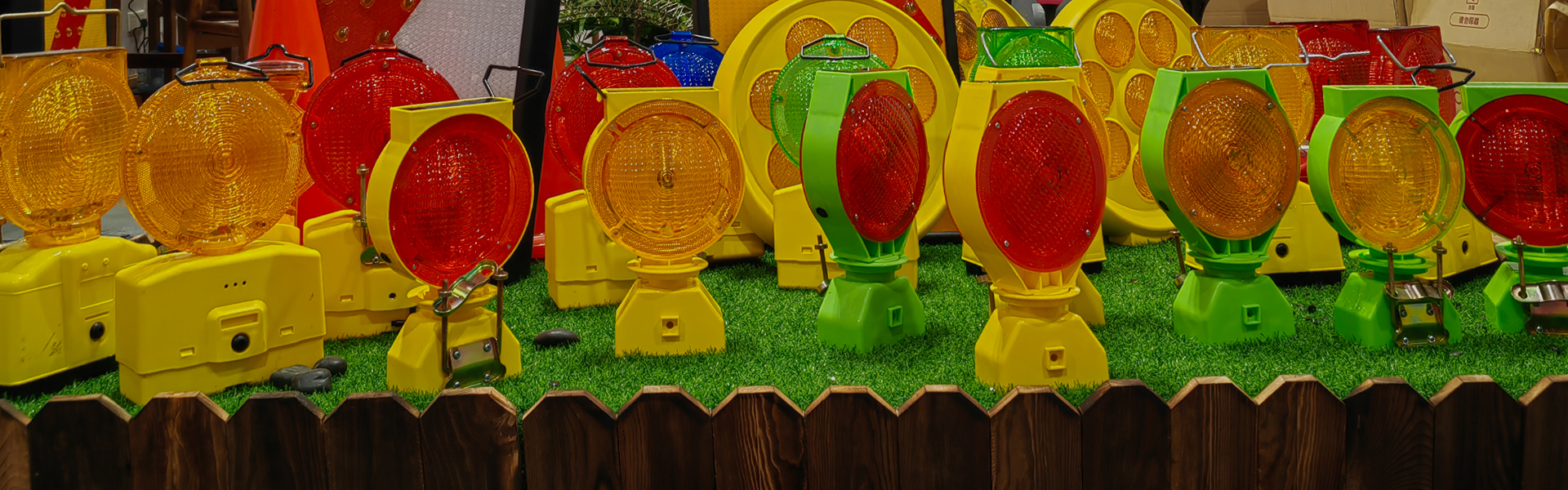
Ningbo Hoyoung Safety Products Co., Ltd. is a manufacturing enterprise focused on personal protective equipment and road safety facilities and supplies, located in Ningbo, Zhejiang province, representing a collaboration of Zhejiang manufacturing expertise and modern port logistics. Built on a concept of quality and service first, the company has 20 years of experience in the personal protective equipment field. The facility includes a 5,000 square meter workshop equipped with 16 injection molding machines, with much of the production process implemented as an unmanned, fully automated operation. The company's main product lines include safety helmets, earmuffs, and other personal protective equipment, alongside warning lights, collapsible safety cones, and other road protection equipment, all produced in strict accordance with the ISO9001 quality management system. Products are CE certified and exported to Europe, the United States, South America, Southeast Asia, and other regions, serving customers around the world. Ningbo Hoyoung Safety Products Co., Ltd. operates under the guiding principles of safety, peace of mind, and customer service, staying market-oriented with customer needs as the starting point for product development. The company welcomes domestic and international customers to visit its facility and looks forward to working together toward a shared and safer future.
Q1: What is the main difference between a bump cap and a hard hat?
A bump cap protects against low-energy bumps such as hitting your head on a shelf or pipe, while a hard hat is designed to protect against falling or flying objects and is tested under different standards such as EN 397 or ANSI Z89.1.
Q2: Are breathable lightweight safety bump caps adjustable for different head sizes?
Yes, most bump caps in this category use a rear dial, snapback, or hook-and-loop closure, which allows a single product to comfortably fit a wide range of head sizes for both men and women.
Q3: Can bump caps be used for cycling, skating, or scooter riding?
Bump caps and bump-cap-style caps share design principles with lightweight bike helmets, such as mesh ventilation and adjustable fit, though dedicated bike helmets built to cycling safety standards remain the appropriate choice for higher-speed cycling, skating, and scooter activities.
Q4: How should a bump cap be cleaned and maintained?
Most fabric outer shells can be spot cleaned or machine washed depending on the manufacturer's care instructions, while the rigid protective insert should be wiped down and inspected periodically for cracks or damage.
Q5: Which industries commonly use baseball cap style safety hats?
Warehousing, light manufacturing, food and beverage processing, facilities maintenance, and delivery or logistics roles commonly use baseball cap style safety hats because they combine comfort with basic bump protection for low-hazard environments.
It is focused on the overall solution of dry bulk material port transfer system,
research and development,
manufacturing, and service
Contact Us
Contact UsMiss. Jenny
+86 136 5588 7720
sales8@hoyoungsafety.com
sales1@hoyoungsafety.com