Content
The right traffic cone for road safety is one whose height, base weight, material, and reflective specification are matched to the actual traffic speed, work duration, and environment of the site where it will be deployed. A cone chosen only by its low profile or by habit, without regard to wind exposure, vehicle speed, or lighting conditions, is far less useful than one selected against these four variables together. In practice, this means a warehouse aisle, a low-speed parking facility, a standard road maintenance zone, and a high-speed highway shoulder each call for a noticeably different traffic cone configuration.
This article works through the full decision process step by step: the common cone types and what distinguishes them, the structural principles that make a cone visible and stable, the safety data that explains why visibility matters so much in active work zones, height and material selection guidance, a detailed side-by-side comparison, maintenance practices that extend service life, and guidance for buyers evaluating a traffic cone manufacturer or traffic cone supplier for a bulk or recurring order. Practical selection tables, comparison charts, and a short FAQ are included throughout to make the guidance easier to apply directly to a purchasing decision or a field deployment plan.
Key takeaway: Traffic cone selection is a matching exercise, not a single "correct" product — height, base design, material, and reflectivity should be chosen together based on speed, duration, and environment.
Most traffic cones sold for road safety and general traffic control fall into a small number of recognizable families, each built around a different balance of weight, flexibility, and cost of ownership. Understanding these categories first makes every later selection decision easier, because it narrows the field before height, color, or reflective sleeve options even come into play. The four categories below cover the large majority of cones used across road, parking, warehouse, and event applications.
A PVC traffic cone is molded from polyvinyl chloride, which gives it a firmer body and a slightly heavier feel than polyethylene alternatives. This added rigidity helps the cone keep its shape after repeated impacts and generally supports a longer visual life in bright, sun-exposed conditions. PVC cones are a common baseline choice for standard road maintenance, lane closures, and general traffic control where a dependable, self-supporting shape is valued.
Low-density polyethylene (LDPE) cones are softer and more elastic, which allows them to flex and spring back into shape after being struck by a vehicle tire or knocked over by wind. This rebound quality makes LDPE a frequent choice in cold climates, where more rigid materials can become brittle, and in high-traffic zones where cones are regularly bumped rather than driven through directly. LDPE cones also tend to weigh less, which affects portability and stacking, discussed later in this article.
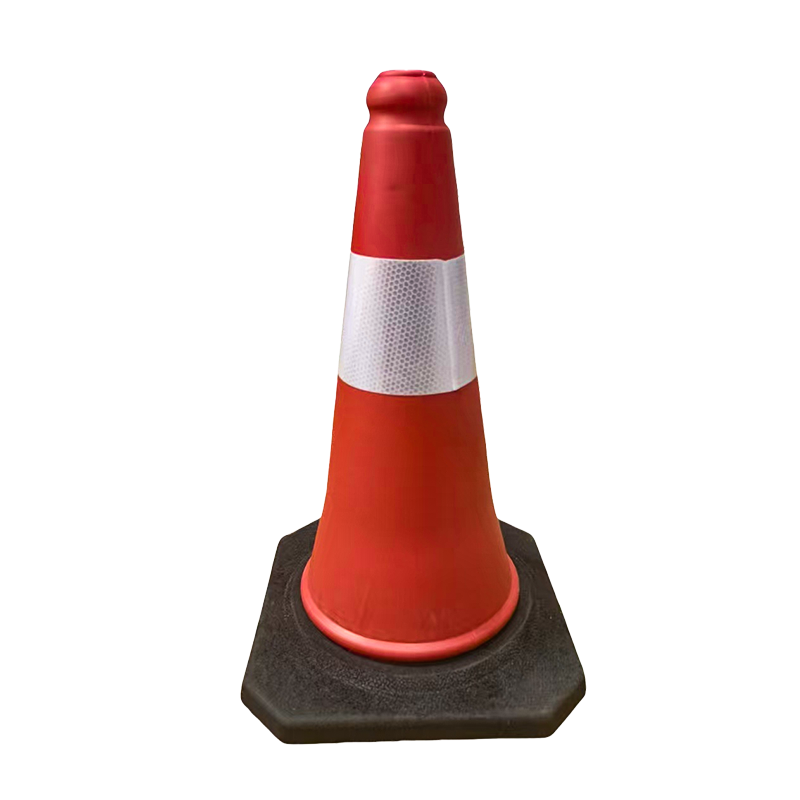
These cones pair a PVC or LDPE body with a separate, heavier base made from recycled rubber compound. The added base mass directly improves resistance to wind gusts and vehicle-generated air turbulence, which is why this configuration is often specified for exposed highway shoulders, bridges, and other locations where wind loading is a known problem. The trade-off is a higher unit weight, which affects how many cones a crew can transport and deploy per trip.
A collapsible traffic cone uses a fabric or coated-nylon shell over an internal spring or wire frame, allowing it to fold nearly flat for transport and storage. This design is popular with mobile crews, event organizers, and inspection teams who need to carry a large number of cones in limited vehicle space and set them up quickly. Because the shell is lighter than molded plastic, collapsible cones generally need a supplemental weighted base or ground stake in windy conditions.
Key takeaway: There is no single best material — PVC, LDPE, rubber-base, and collapsible fabric cones each solve a different combination of durability, weight, and portability needs.
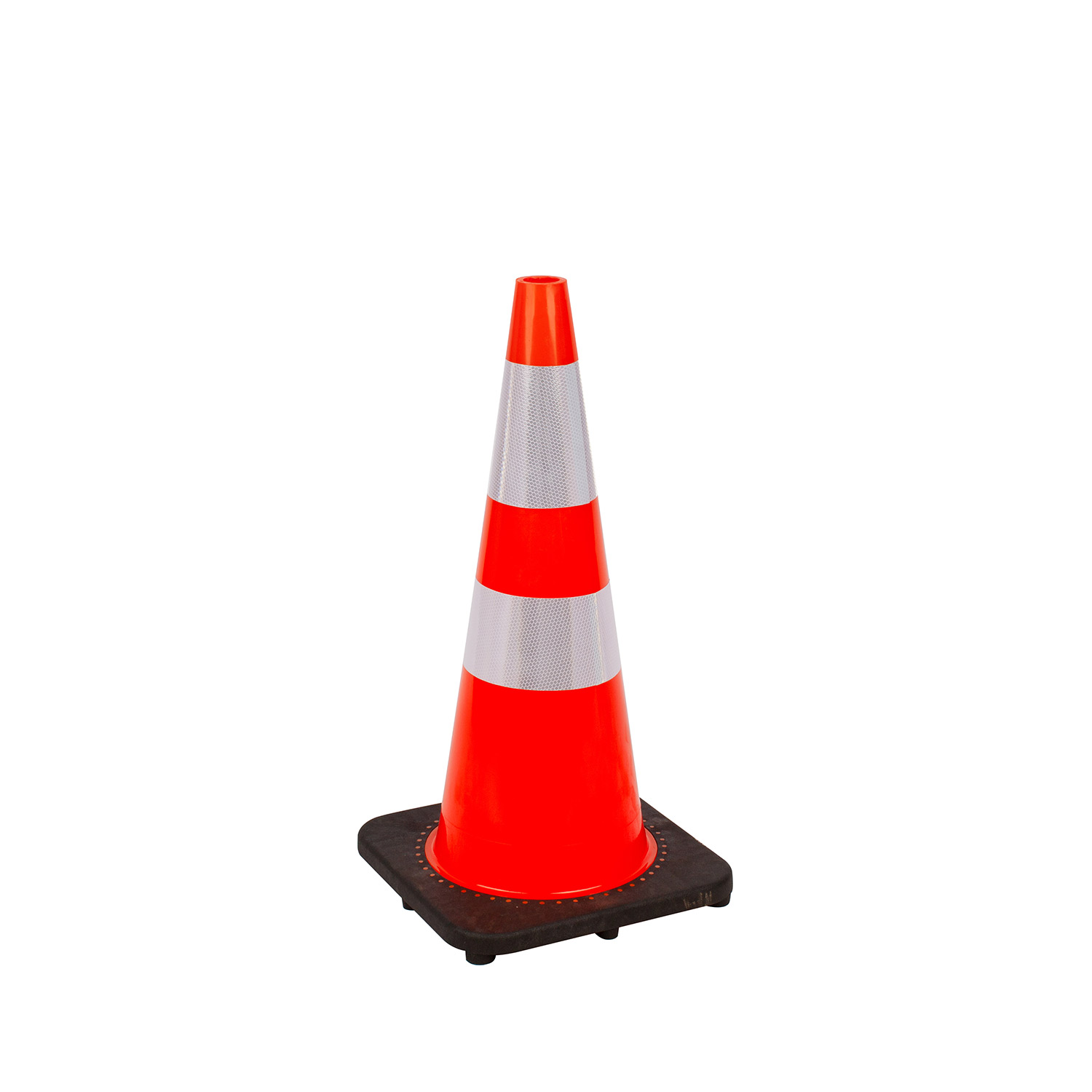
A traffic cone looks simple, but its shape and construction follow a small set of design principles that determine how visible and stable it will be in the field. Four structural elements do most of the work: the tapered body, the reflective collar, the base, and the material itself. The schematic below labels these parts so the terminology used throughout the rest of this article is easy to follow.
Figure 1: Labeled structure of a typical road safety traffic cone.
The tapered body is not just a stylistic choice; the narrowing silhouette creates a large, unbroken visual surface that stands out against a flat road background from a distance, which is the entire point of a warning device that has no lights or motors of its own. The reflective collar, or collars, are strips of retroreflective sheeting wrapped around the cone at a set height so that a driver's headlights strike the surface almost directly and bounce light back toward the vehicle rather than scattering it away. This retroreflective effect is what allows a cone to remain visible at night from a meaningful stopping distance, long before ambient street lighting would otherwise reveal it.
The base serves two separate functions: it lowers the center of gravity so the cone resists tipping when struck at an angle, and its surface area and weight resist being lifted or slid by wind and the turbulence generated by passing vehicles. Ribbed bases add a secondary channel that lets a cone rock and settle back upright after a light impact instead of rolling away completely. Material choice then ties all of this together, since a body that is too rigid can crack on hard impact while one that is too soft can deform permanently under prolonged sun exposure, which is why the type comparisons discussed later in this article matter as much as the shape itself.
Traffic cone selection is not just a procurement detail — it sits directly upstream of how visible and how protected a temporary work area is to passing drivers. Public roadway safety data collected in the United States over the past several years gives a useful, concrete picture of why consistent, well-placed road safety cone setups continue to matter. The chart below tracks total work zone fatalities recorded across five recent years, drawn from Fatality Analysis Reporting System data compiled by the Federal Highway Administration and the National Highway Traffic Safety Administration. Before looking at the numbers, it helps to know that a work zone fatality is any death occurring within the boundaries of, or on the approach to, an active roadway work area. This baseline makes the year-over-year pattern in the chart easier to interpret in context.
Figure 2: U.S. work zone fatalities by year. Source: FHWA/NHTSA Fatality Analysis Reporting System data, as compiled by the Federal Highway Administration and the National Safety Council.
The five-year trend shown here does not move in a straight line, and that is itself an important detail: fatalities rose from 863 in 2020 to a peak of 963 in 2021, eased somewhat over the following two years, and then declined to 850 in 2024, the most recent year with finalized data. Even at the lowest point in this range, the figure never dropped below roughly 850 deaths in a single year, which industry safety groups have translated into a simple, sobering benchmark: on average, at least two people are killed in a U.S. work zone every day of the year. That figure includes both motorists and roadway workers, and it has stayed in a fairly narrow band despite considerable investment in signage, barriers, and channelizing devices over the same period. What this tells buyers and site planners is that visibility equipment, including properly specified traffic cones, is one lever among several, not a single fix, and it needs to be paired with correct placement, adequate spacing, and driver-facing advance warning to have its intended effect. The plateau rather than a steady decline also suggests that simply having cones present is not sufficient on its own; height, reflectivity, and base stability all influence whether a cone actually gets noticed in time for a driver to react. Because construction activity, seasonal weather, and traffic volume all vary year to year, a single year's number should be read as one data point in a longer pattern rather than a verdict on any one practice. Taken together, the data supports treating cone specification as a genuine safety decision, not only a compliance or convenience decision, especially for crews working close to moving traffic.
A second useful way to look at the same 2024 data is to break total fatalities down by the type of person affected, since this shapes which safety measures matter most at a given site. Drivers and passengers inside vehicles make up the large majority of work zone deaths, while pedestrians, including roadway workers on foot, account for a smaller but still significant share. This distinction matters for cone placement strategy because a setup optimized purely for vehicle guidance is not automatically optimized for protecting a worker standing beside the roadway. The donut chart below presents this 2024 split using the same government fatality dataset referenced above. Reviewing it alongside the trend chart gives a fuller picture of where visibility and channelization equipment is doing the most protective work.
Figure 3: Share of 2024 U.S. work zone fatalities by person type. Source: FHWA report based on NHTSA FARS data, as reported by the American Traffic Safety Services Association.
Of the 850 total work zone deaths recorded in 2024, 673 were drivers or vehicle passengers and 177 were pedestrians, a category that includes roadway workers struck while on foot. That works out to roughly four in five fatalities involving someone inside a vehicle and about one in five involving someone outside one, a ratio that has stayed relatively stable across recent reporting years even as the total count has shifted up and down. The dominant driver-and-passenger share reinforces why advance warning devices, including properly spaced cones with visible reflective collars, matter so much: most fatal outcomes trace back to a moving vehicle failing to react to a change in the road ahead. At the same time, the pedestrian and worker share, while smaller, represents the group with the least physical protection in a work zone, since a worker on foot has no vehicle frame to absorb an impact. This is one reason many crews pair cones with additional channelizing devices or barriers in higher-speed corridors rather than relying on cones alone. The chart also indirectly highlights the importance of nighttime reflectivity, since a large share of driver-related work zone crashes involve reduced visibility conditions where a cone's reflective collar is doing most of the work of alerting an approaching vehicle. For a road safety cone to contribute meaningfully to this picture, it has to be tall enough to sit within a driver's normal sightline, positioned with enough advance spacing to allow a full stopping distance, and equipped with reflective material appropriate to the posted speed. None of these choices happen automatically; each is a specification decision made before the cone ever reaches the site. Viewed together, the two charts in this section make a straightforward case: work zone risk has stayed persistently present over the past five years, and equipment specification, cone height and reflectivity in particular, is one of the few variables a site planner or purchasing team can directly control.
A traffic cone for road safety is used across a wider range of settings than the name might suggest, and matching a cone to its actual environment is the first practical step in specification. The table below lines up common deployment settings against the questions worth asking before placing an order, so procurement teams and site supervisors can work through both lists side by side.
Common Application Scenarios
|
Selection Factors to Evaluate
|
A few pairings are worth calling out directly. Indoor warehouse and parking applications rarely face meaningful wind loading, so a lighter cone with a smaller footprint is usually adequate and easier to move repeatedly through a shift. Outdoor road and highway applications, by contrast, combine higher vehicle speeds with open exposure to wind and passing-vehicle turbulence, which pushes the decision toward taller cones, heavier or rubber-composite bases, and stronger reflective specification. Event management sits in between: crowds move at pedestrian speed, but large quantities are often needed quickly, which is where lightweight, stackable, or collapsible traffic cone options tend to be favored for their transport efficiency. Municipal and utility crews frequently need a mixed inventory, since a single crew may move between an indoor facility, a low-speed lot, and an active road shoulder within the same week.
Key takeaway: Match the cone to the environment first — speed, duration, wind exposure, and lighting conditions together point toward the right height, base, and reflective specification.
Cone height is one of the most consequential specification choices, because it directly affects how far away a driver can first see the device and how much reaction time that provides. A cone that is appropriately sized for a slow-moving parking lot will often be too short to register in a driver's sightline on a higher-speed road, where the vehicle is covering ground quickly and the driver's attention is split across multiple cues. Height guidance in general industry practice is typically expressed as a range rather than a single fixed number, since local road geometry, sightlines, and weather all shift the practical requirement somewhat. The chart below summarizes commonly referenced height ranges by general application category, expressed in both inches and centimeters, to make it easier to translate into a specification sheet.
Figure 4: Commonly referenced traffic cone height ranges by general application category.
Reading the bars from top to bottom shows a clear, steady progression: as an environment moves from an enclosed, low-speed indoor space toward an open, high-speed roadway, the appropriate cone height roughly triples, from about 12 inches up to about 36 inches. This progression is not arbitrary; it tracks the increasing distance a driver needs to notice and react to an obstruction as speed rises, along with the greater likelihood of wind and vehicle-generated turbulence in outdoor, high-speed corridors. The smallest category, around 12 inches, is generally reserved for indoor aisles and short-term floor marking where visibility distance is short and there is no vehicle traffic to speak of. The next tier, around 18 inches, fits parking areas and other low-speed environments where vehicles are present but moving slowly enough that a shorter device still provides adequate warning time. Standard roadway work, the third tier at roughly 28 inches, is the height most commonly associated with everyday lane closures, utility work, and general street maintenance, since it balances visibility with ease of handling for a crew moving cones repeatedly through a shift. The tallest tier, around 36 inches, is generally reserved for highway shoulders, high-speed arterial roads, and any location where vehicles are expected to be traveling quickly enough that a shorter cone might not register in time. Choosing a height below what a given speed environment calls for is a common and avoidable specification error, since the cost difference between height tiers is typically minor compared to the value of additional driver reaction time. Conversely, using an oversized cone in a low-speed indoor setting mostly just adds unnecessary bulk and storage burden without a meaningful visibility benefit. Many procurement teams find it practical to standardize on two or three height tiers across their full operation rather than a single height for every job, since this keeps inventory manageable while still matching risk level fairly closely. When in doubt, aligning the height decision with the highest speed a cone might realistically be exposed to during its deployment is the more conservative and generally more defensible approach.
Beyond height, the material and base construction of a cone shape a different set of practical trade-offs that are harder to summarize in a single number. Five characteristics tend to matter most in day-to-day use: how well the cone resists wind and impact without tipping, how it behaves in cold temperatures, how easy it is to carry and store in bulk, how well its color and reflective surface hold up under prolonged sun exposure, and how long it lasts overall before needing replacement. The radar chart below presents a general, illustrative comparison of the four cone types discussed earlier across these five characteristics, rated on a relative one-to-five scale based on typical material properties rather than a single controlled study. It is meant as a directional guide for narrowing choices, not a precise laboratory measurement.
Figure 5: Illustrative relative comparison of four common traffic cone constructions across five practical characteristics.
Each of the four overlapping shapes on this chart represents one construction type, and the further a shape reaches toward the outer edge on a given axis, the stronger that type tends to perform on that particular characteristic relative to the others shown. Rubber-base composite cones extend furthest on the stability axis, which lines up with the earlier discussion of how added base mass resists wind and vehicle turbulence on exposed roads. LDPE cones extend furthest on the cold-flex axis, reflecting the material's tendency to stay pliable and resist cracking in low temperatures better than more rigid alternatives. Collapsible fabric cones dominate the portability axis by a wide margin, since folding flat for transport is the entire premise of that design, while the same design pulls in noticeably on the stability axis because a lightweight fabric shell has less inherent resistance to wind without a supplemental weighted base. PVC cones sit in a fairly balanced middle position across most axes, which is consistent with their role as a general-purpose baseline choice rather than a specialist option for any one condition. Durability, shown on the leftmost axis, favors rubber-base composite and PVC constructions somewhat more than the lighter-weight options, largely because thicker, heavier materials tend to absorb repeated impacts without permanent deformation more effectively over time. UV and color retention shows a similar pattern, with denser plastics generally holding their surface color and reflective backing integrity longer under sustained sun exposure than thinner fabric shells. No single shape on the chart comes close to reaching the outer pentagon on every axis at once, which is the visual way of showing that every construction type involves a genuine trade-off rather than one option quietly outperforming the rest across the board. For a buyer working through a specification decision, this chart is best used as a starting filter: identify which one or two characteristics matter most for a given deployment, such as portability for an event crew or stability for a highway shoulder, and let that narrow the choice before finer details like reflective sleeve type or color are considered. Because these ratings are illustrative and based on general material behavior rather than a single formal test, they should be treated as a reasonable starting point for discussion with a supplier rather than a substitute for reviewing an actual product's specification sheet.
Bringing the height and material discussions together, the table below lays out a detailed side-by-side comparison across the configurations most commonly requested by road crews, facility managers, and bulk buyers working with a traffic cone supplier. It is meant to function as a quick reference when narrowing a shortlist before requesting samples or a formal quotation.
| Configuration | Typical Height | Base Type | Best Suited Environment | Storage Profile |
|---|---|---|---|---|
| Standard PVC cone | 18–28 in | Integral molded base | General roadwork, parking | Stackable, moderate footprint |
| LDPE cone | 18–28 in | Integral molded base | Cold climates, high-impact zones | Stackable, lightweight |
| Rubber-base composite cone | 28–36 in | Recycled rubber weighted base | Highway shoulders, exposed roads | Bulkier, heavier to transport |
| Collapsible fabric cone | 18–28 in (expanded) | Spring frame, optional weighted foot | Events, mobile crews, inspections | Folds flat, minimal footprint |
To make these options easier to browse at a glance, the quick-reference profiles below summarize what each configuration is generally used for. This is intended as a starting shortlist rather than a full specification.
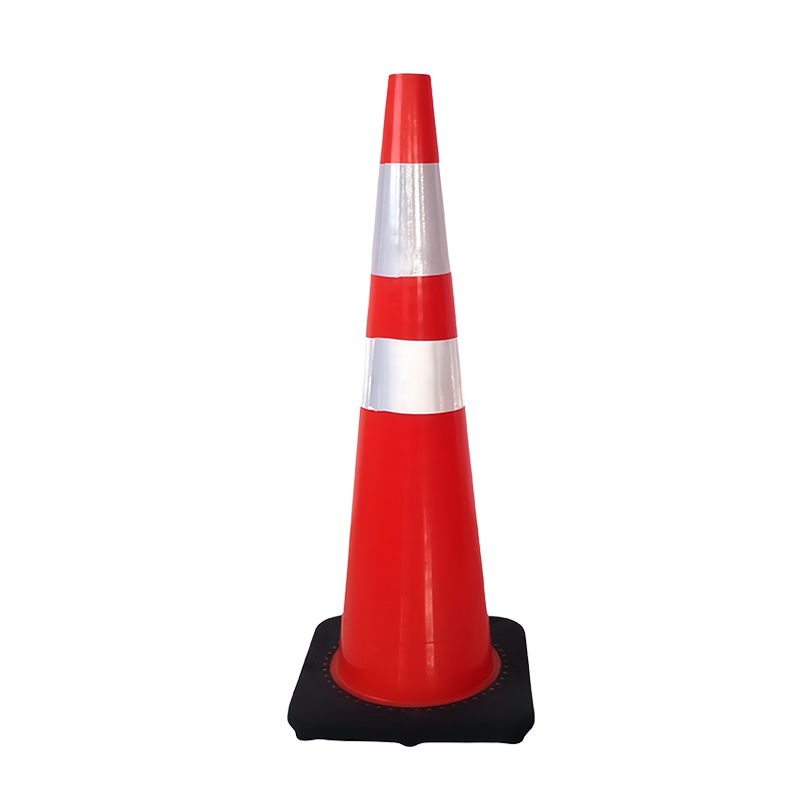
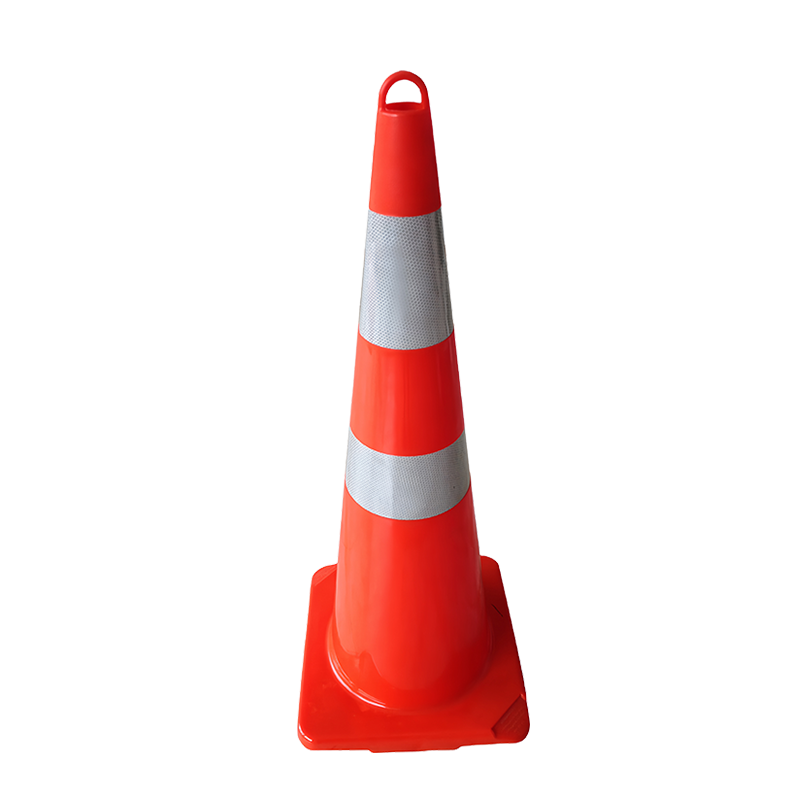
Standard Roadwork Cone PVC body, 28 in, single reflective collar. General-purpose choice for everyday lane closures and street maintenance. Heavy-Duty Rubber-Base Cone Rubber weighted base, 36 in, dual reflective collars. Suited to highway shoulders and wind-exposed corridors. Collapsible Field Cone Fabric shell, spring frame, folds flat. Built for mobile crews and event teams carrying large quantities. Reflective-Enhanced Cone Standard body fitted with extended reflective sleeve for locations with limited ambient lighting at night.
Key takeaway: Storage footprint and base weight tend to move in opposite directions from portability, so the right configuration usually depends on how the cone will be transported as much as where it will be deployed.
A cone's usefulness fades gradually rather than all at once, which makes routine maintenance easy to overlook until reflectivity or shape has degraded enough to matter. The steps below outline a practical maintenance routine that helps a fleet of cones keep performing closer to its original specification for longer.
Seasonal conditions deserve a bit of extra attention as well. In colder climates, more rigid PVC cones can become brittle enough to crack on impact during winter months, which is one reason many cold-weather operations lean toward LDPE cones for outdoor winter use. In consistently hot, high-UV climates, rotating cone stock more frequently and storing spares out of direct sunlight helps offset faster color fading. Keeping a simple log of purchase dates by batch also makes it easier to plan replacement cycles proactively rather than reactively, which tends to be the more cost-effective approach for organizations managing a large standing inventory.
For distributors, contractors, and municipal buyers placing bulk or recurring orders, the choice of traffic cone manufacturer matters just as much as the product specification itself, since consistency across batches, responsiveness to order changes, and production scale all affect whether an order arrives reliably and matches earlier shipments. A few practical questions tend to separate a dependable production partner from one that is not: Does the facility have enough manufacturing capacity to fulfill large or repeat orders without long delays? Is production largely automated, which tends to support more consistent dimensions and wall thickness batch to batch? Does the supplier offer a genuine range of PPE and road safety products, suggesting broader manufacturing experience rather than a single narrow product line? And does the company have export experience shipping to the buyer's region, which affects everything from packaging durability to documentation familiarity?
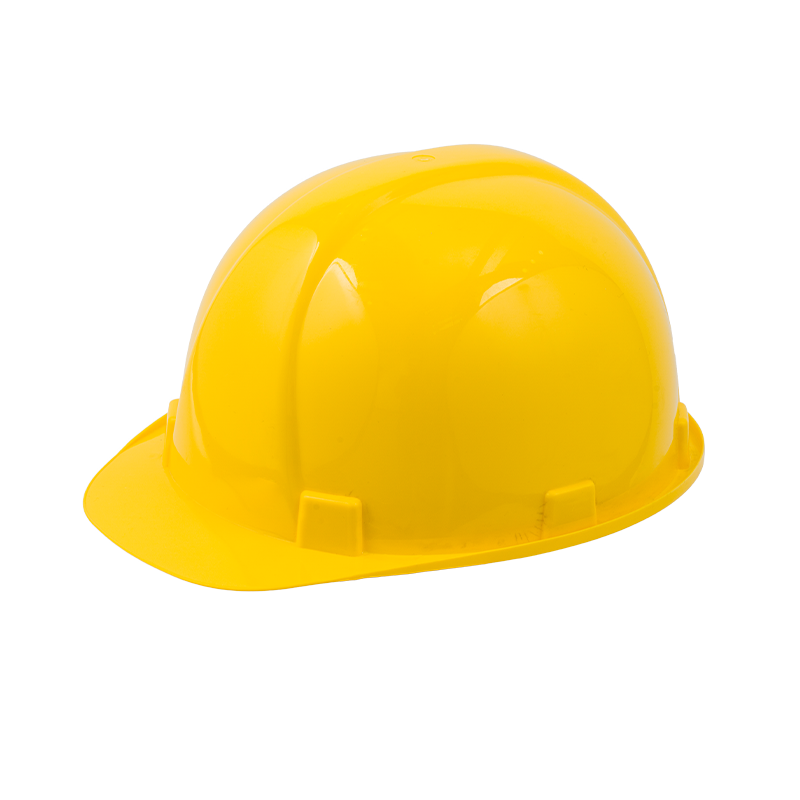
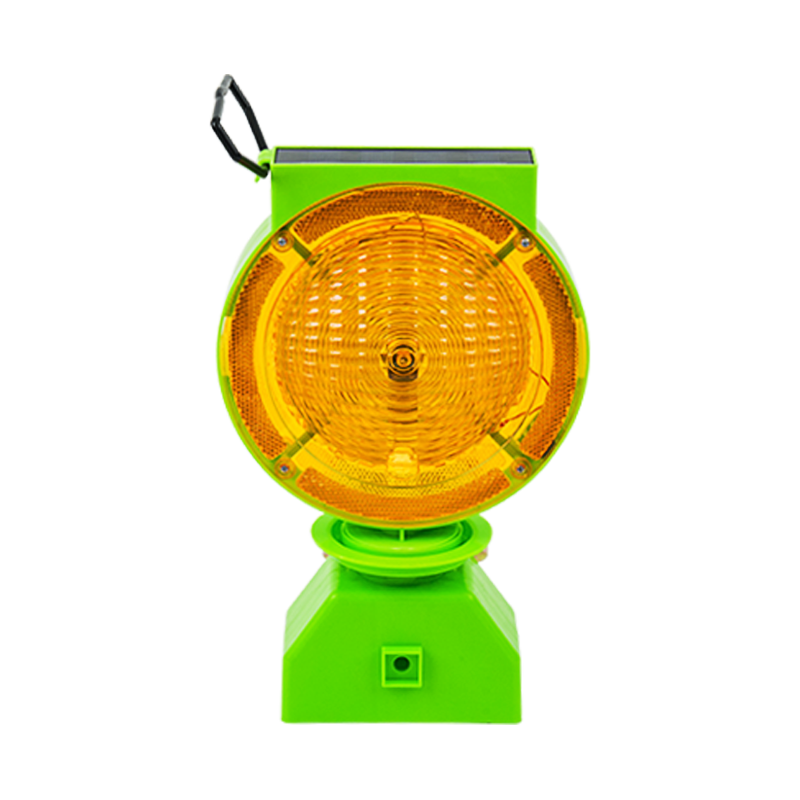
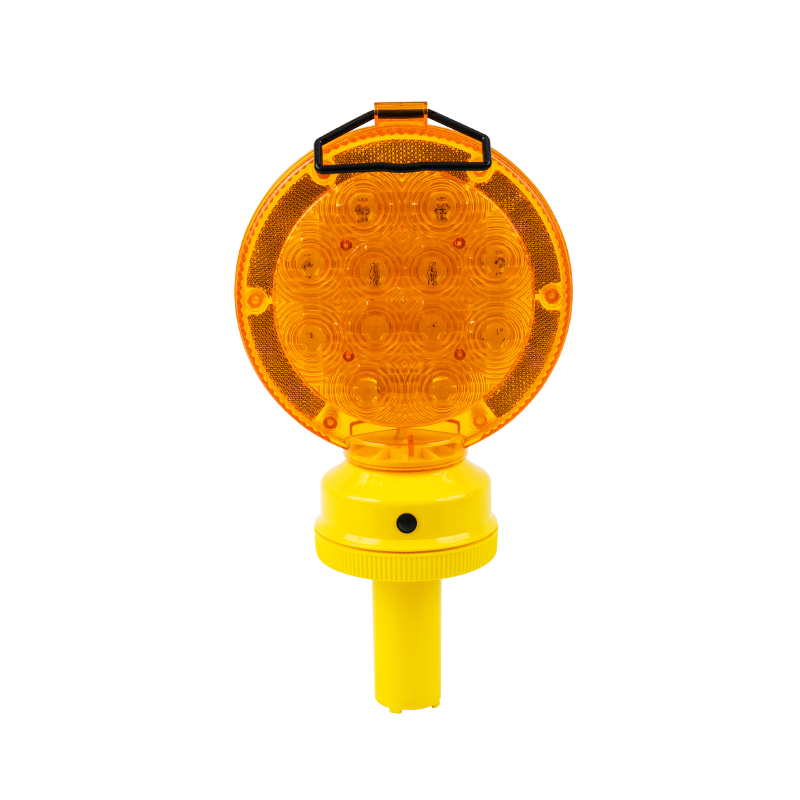
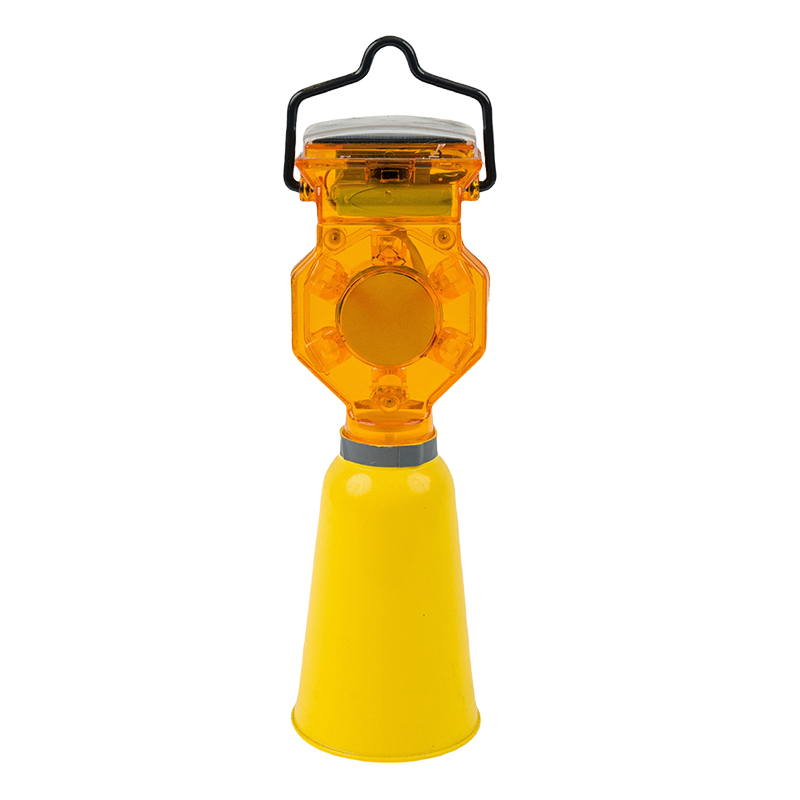
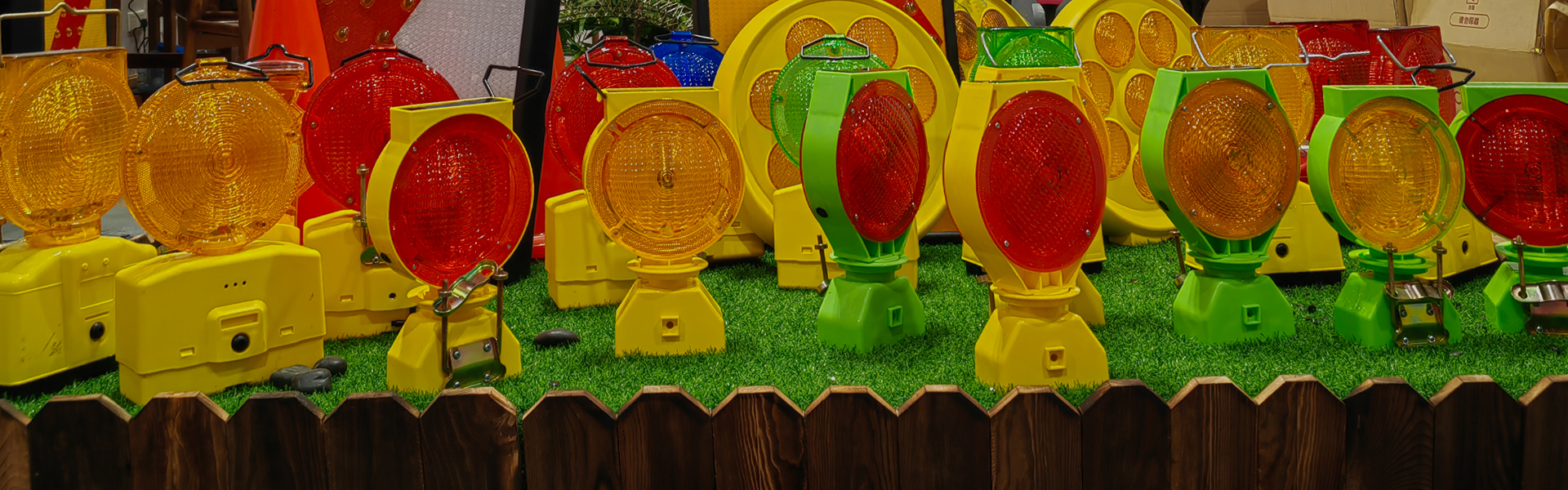
Ningbo Hoyoung Safety Products Co., Ltd. is one example of a manufacturer built around this kind of scale and product breadth. Based in Ningbo, Zhejiang province, the company is a manufacturing enterprise focused on personal protective equipment together with road safety facilities and supplies, with roughly two decades of experience in the PPE field. Production takes place across a 5,000 square meter workshop equipped with sixteen injection molding machines, with much of the workshop operating on a largely automated basis. The product range extends across safety helmets, earmuffs, and other personal protective equipment, alongside warning lights, collapsible safety cones, and other road protective equipment, with shipments reaching customers across Europe, the United States, South America, Southeast Asia, and other regions. For a buyer comparing a wholesale traffic cone supplier against this kind of profile, the combination of dedicated molding capacity, an automated production environment, and a product range spanning both PPE and road safety equipment is a reasonable proxy for the kind of manufacturing depth that supports consistent, large-volume fulfillment.
Beyond production capability, ongoing communication matters for any recurring supply relationship. Buyers evaluating a road safety equipment supplier generally benefit from requesting physical samples before committing to a bulk order, confirming lead times against their own project schedule, and clarifying packaging and labeling requirements early, since these details are far easier to adjust before production begins than after a container has shipped. A supplier that is responsive to these early-stage questions is usually a reasonable indicator of how the relationship will function once a larger order is underway.
Key takeaway: Manufacturing scale, automation, and product range are practical indicators of supply consistency worth checking before placing a bulk traffic cone order.
Q1: What height of traffic cone is appropriate for roadwork?A: For standard roadway work zones, cones around 28 inches are commonly referenced, while highway or high-speed corridors generally call for taller cones around 36 inches to give drivers enough time to notice and react. |
Q2: What is the difference between a PVC traffic cone and an LDPE traffic cone?A: PVC cones are firmer and hold their shape well under sun exposure, while LDPE cones are more flexible and tend to spring back after impact, which is often preferred in colder climates or high-contact areas. |
Q3: How should traffic cones be stored between uses?A: Cones should be nested or stacked in a shaded, temperature-stable area away from prolonged direct sunlight, and heavier rubber-base cones should not be stacked on top of lighter cones to avoid slow deformation. |
Q4: Are collapsible traffic cones suitable for permanent or long-term installations?A: Collapsible fabric cones are generally better suited to mobile, short-term, or event-based use because of their lightweight construction; longer-term or high-wind installations typically call for a molded cone with a heavier base instead. |
Q5: How often should traffic cones be replaced?A: There is no fixed universal timeline, since wear depends on usage frequency, climate, and storage conditions; a cone should generally be retired once its base cracks, its body no longer holds shape, or its reflective collar visibly fades or peels. |
Q6: What should a wholesale buyer look for in a traffic cone manufacturer?A: Buyers generally benefit from checking manufacturing capacity, the degree of production automation, the breadth of the supplier's road safety and PPE product range, and prior export experience shipping to the buyer's region before placing a bulk order. |
It is focused on the overall solution of dry bulk material port transfer system,
research and development,
manufacturing, and service
Contact Us
Contact UsMiss. Jenny
+86 136 5588 7720
sales8@hoyoungsafety.com
sales1@hoyoungsafety.com