Content
The direct answer for most procurement teams sourcing footwear for industrial environments is this: the correct safety shoes are determined primarily by the hazard profile of the workplace, not by a single universal design. Toe protection type, sole resistance rating, and upper material together determine whether a given pair of safety shoes is suitable for a specific work environment, and matching these three variables to actual site conditions is the most reliable path to both worker protection and cost-effective procurement. This article walks through the common types of safety shoes, how they are constructed, how to select the right pair for different work environments, a detailed comparison of key features, maintenance guidance that extends service life, and answers to the questions most frequently raised by safety officers and purchasing managers.
Whether your organization operates in construction, warehousing, manufacturing, or logistics, footwear selection has a direct bearing on incident prevention, compliance with internal safety programs, and equipment durability under daily wear. This guide is written for safety equipment buyers who are comparing a safety shoes manufacturer or safety shoes supplier and want a grounded technical reference rather than general marketing claims.
Safety shoes are generally categorized by the type of toe protection, the sole construction, and the intended work environment. Understanding these categories helps buyers narrow down options quickly before comparing specific models from a given supplier.
Steel toe safety shoes use a steel cap embedded in the front of the shoe to protect against impact and compression hazards. This remains one of the most widely recognized categories of protective footwear across construction and heavy industrial settings, valued for its established impact resistance performance.
Composite toe safety shoes use non-metallic materials such as reinforced plastic, carbon fiber, or fiberglass in the toe cap. These are frequently selected for environments where metal detection is required, such as certain electrical work, airport security areas, or facilities with metal-sensitive processes, and they also tend to be lighter than steel toe alternatives.
Alloy toe safety shoes use lightweight metals such as aluminum or titanium alloys to achieve impact protection with reduced weight compared to standard steel. This category is often chosen by workers who need extended protection during long shifts where foot fatigue from heavier footwear becomes a practical concern.
Slip-resistant safety shoes use specially patterned outsoles designed to maintain traction on wet, oily, or uneven surfaces, commonly specified for food processing, logistics, and warehouse environments. Puncture-resistant safety shoes incorporate a midsole plate, often made of steel or a composite material, to protect against sharp objects on the ground, a feature frequently required on construction sites.
Electrical hazard safety shoes are constructed with non-conductive materials to reduce the risk of electric shock in environments with exposed electrical components. Static dissipative safety shoes serve the opposite function in some contexts, controlling the buildup of static electricity in environments such as electronics assembly where static discharge could damage sensitive components.
| Type | Primary Protection | Typical Setting |
|---|---|---|
| Steel Toe | Impact and compression | Construction, heavy industry |
| Composite Toe | Impact, non-metallic | Electrical zones, security areas |
| Alloy Toe | Impact, lightweight | Long-shift industrial work |
| Slip-Resistant | Traction on wet or oily floors | Food processing, warehousing |
| Electrical Hazard | Reduced conductivity | Electrical maintenance work |
Understanding how safety shoes are constructed helps buyers evaluate technical specifications more effectively when comparing products from different suppliers. A typical pair of industrial safety shoes is built from several functional layers, each contributing to overall protection and comfort.
The toe cap sits at the front of the shoe and is designed to absorb and distribute impact energy away from the foot. Depending on the shoe category, this cap may be steel, composite, or alloy, and it is typically shaped to maintain a reasonable amount of interior toe room while still meeting impact resistance requirements.
The midsole sits between the outsole and the insole, providing cushioning and, in many industrial models, housing a puncture-resistant plate. This plate is often made from steel or a flexible composite material and is intended to prevent sharp objects on the ground from penetrating through to the foot.
The outsole is the ground-contact layer, typically made from rubber, polyurethane, or a combination of both. Tread pattern design plays a significant role in slip resistance performance, with deeper and more varied channel patterns generally improving grip on wet or uneven surfaces compared to flatter tread designs.
The upper is usually constructed from leather, synthetic textile, or a combination of both, chosen based on the balance needed between durability, breathability, and resistance to specific hazards such as heat or chemical splash. Interior lining materials contribute to moisture management and comfort during extended wear.
Slip resistance is one of the most frequently requested comparison points among buyers sourcing safety shoes for warehouse and food processing environments. The chart below presents illustrative slip resistance ranges commonly discussed in industry technical literature for different outsole material categories. These figures are representative rather than fixed guarantees, since actual traction performance depends on floor surface, contamination type, and tread wear over time. Before reviewing the chart, it is useful to know that rubber compounds generally perform differently across dry, wet, and oily surface conditions, and that tread pattern design interacts closely with the base material itself. The purpose of this comparison is to give buyers a starting reference point when discussing outsole options with a safety shoes supplier.
As the chart illustrates, rubber compound outsoles generally sit toward the higher end of the slip resistance range, which is a major reason rubber remains a common choice for safety shoes intended for wet or oily floor environments such as food processing plants. Dual density polyurethane outsoles also perform strongly, combining a firmer base layer for durability with a softer contact layer that helps maintain grip on uneven surfaces. Standard polyurethane outsoles offer a reasonable middle ground, often chosen for their lighter weight and cushioning properties, though they may show more gradual wear on abrasive surfaces compared to rubber. TPU outsoles are frequently selected for their balance of durability and moderate traction, making them a common option in general industrial and logistics settings rather than highly specialized wet-floor environments. EVA base materials tend to sit at the lower end of this comparison for pure slip resistance, though they are valued more for lightweight cushioning in applications where floor conditions are drier and more consistent. It is worth noting that tread pattern depth and channel design can meaningfully shift performance within any given material category, so two shoes using the same base material can still show different real-world traction depending on outsole geometry. Buyers sourcing for specific hazard environments should request outsole material and tread specifications directly from their chosen safety shoes manufacturer rather than relying on material category alone. Regular inspection of tread wear is also important, since even a high-performing outsole material will lose slip resistance as the tread pattern flattens with use. Facilities in food processing, beverage production, and wet warehouse environments generally benefit most from prioritizing rubber or dual density polyurethane options during procurement discussions.
Demand for industrial safety footwear has broadly trended upward in recent years as more employers formalize workplace safety programs and as global supply chains extend protective equipment requirements to a wider range of facilities. The line chart below presents an illustrative demand pattern reflecting the general direction commonly described in occupational safety equipment market commentary. Before reviewing the chart, it helps to understand that growth in this category tends to correlate with expanding manufacturing activity, stricter workplace safety enforcement, and increased awareness of foot injury prevention among employers. The chart is illustrative rather than a precise market statistic and is intended to help readers visualize the general shape of demand growth over time.
The upward trajectory shown in the chart reflects a pattern commonly observed as workplace safety programs expand across manufacturing, logistics, and construction sectors globally. As more employers adopt formal personal protective equipment policies, safety shoes have shifted from an optional recommendation to a standard requirement in a growing number of facility types. The steepening slope toward later years is consistent with the way procurement volume tends to accelerate once large employers establish company-wide footwear replacement programs rather than relying on ad hoc purchases. Growth has also been supported by expanding export manufacturing activity, since facilities producing goods for international buyers increasingly need to demonstrate documented worker safety practices as part of supplier qualification processes. Within this overall growth trend, demand has shifted somewhat toward lighter alloy and composite toe options as employers balance protection requirements against worker comfort during long shifts, a factor that influences repeat purchasing decisions. Slip-resistant and puncture-resistant categories have also seen steady growth alongside expansion in food processing, warehousing, and e-commerce fulfillment operations. For buyers currently planning a footwear procurement program, this trend pattern suggests that working with an established safety shoes manufacturer with consistent production capacity can help avoid extended lead times during periods of high sector-wide demand. It also reinforces the value of selecting a supplier with a demonstrated export track record, since international shipment reliability becomes more important as safety footwear procurement scales across multiple facility locations.
Selecting appropriate safety shoes starts with a clear assessment of the specific hazards present in a given work environment. Impact risk, puncture risk, slip risk, and electrical exposure each point toward a different set of protective features, and most facilities benefit from mapping their hazard profile before requesting quotes from a safety shoes supplier.
Work EnvironmentConstruction and heavy equipment sites Electrical maintenance and utility work Food processing and wet floor operations Warehouse and logistics fulfillment Electronics assembly with static sensitivity |
Recommended Safety Shoes FeaturesSteel or alloy toe with puncture-resistant midsole plate Composite toe with electrical hazard rated outsole Rubber or dual density outsole with slip-resistant tread Lightweight alloy or composite toe with cushioned midsole Static dissipative outsole with composite toe protection |
Beyond matching footwear features to hazard type, buyers should also consider shift length and worker mobility requirements, since heavier steel toe options may be less suitable for roles that involve extensive walking or climbing throughout the day. Fit and sizing consistency across a bulk order is another practical consideration, particularly for organizations sourcing standardized footwear across multiple facility locations, where working with a single reliable safety shoes manufacturer helps maintain consistent sizing and quality across large purchase orders.
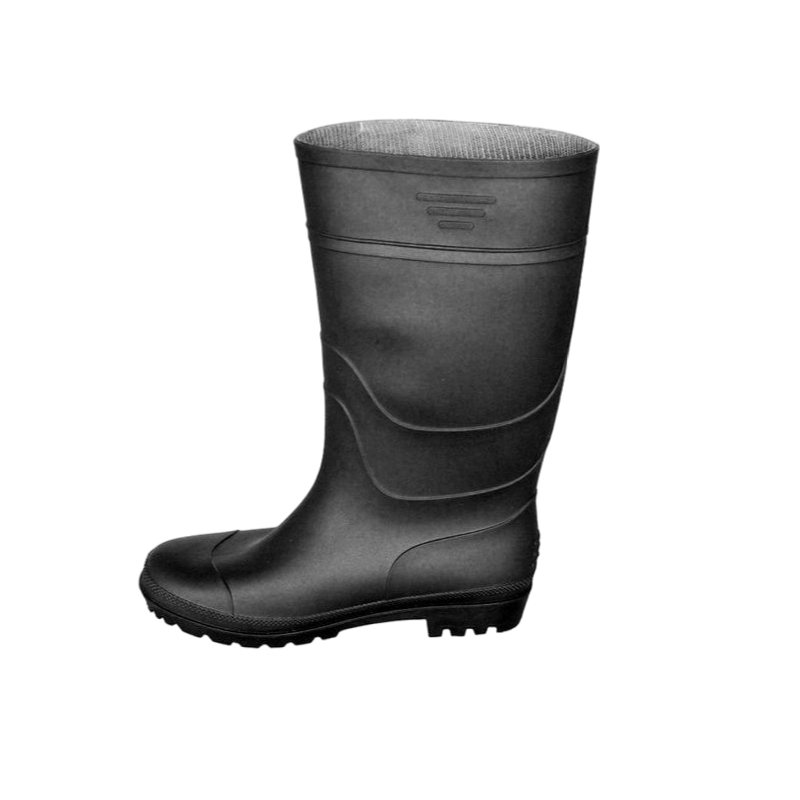
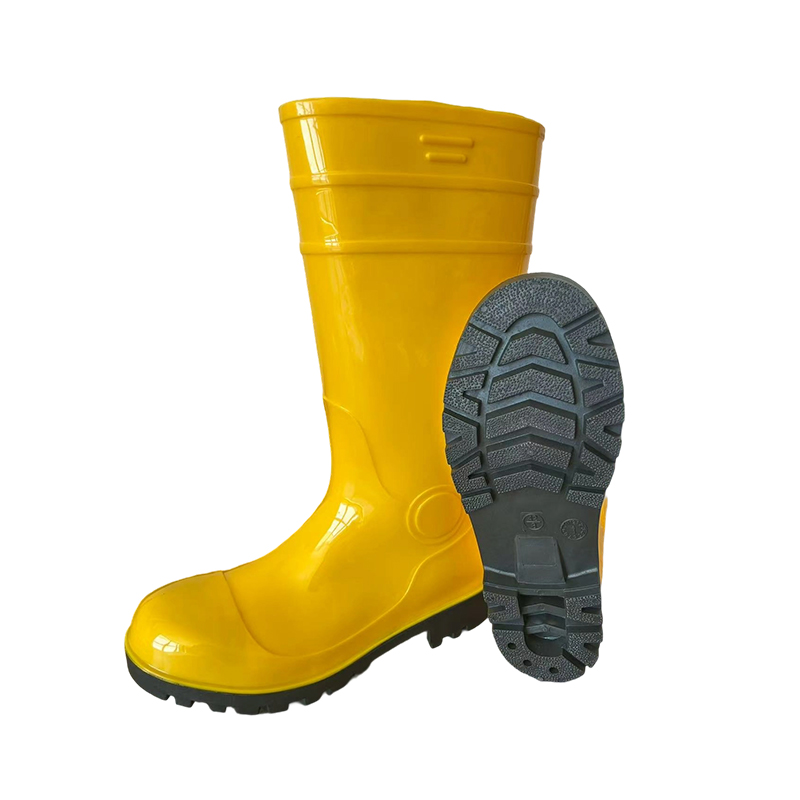
Steel toe with puncture-resistant plate, suited to construction and heavy manufacturing environments.
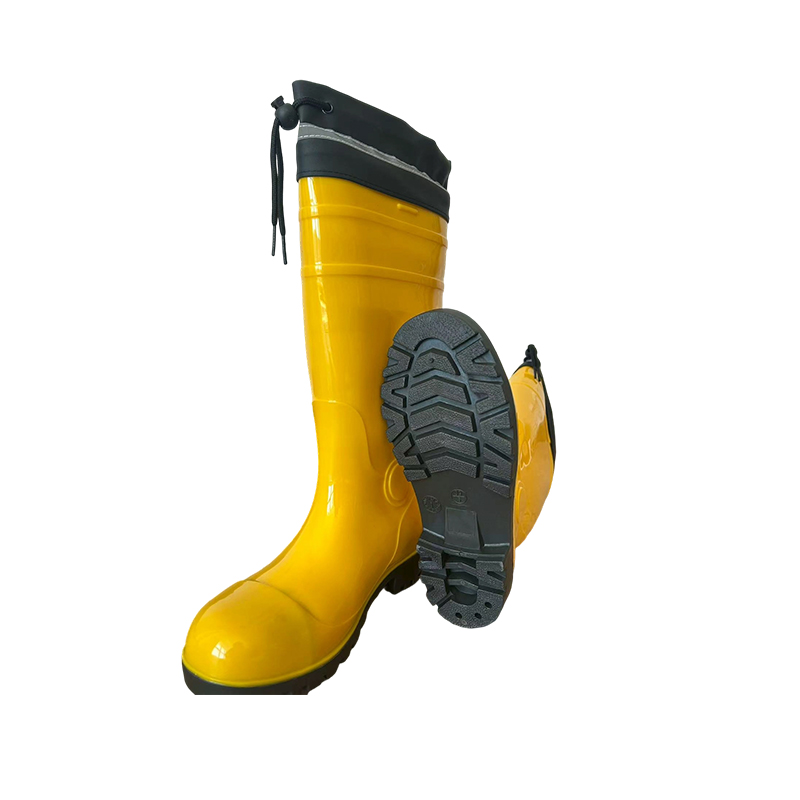
Alloy or composite toe designed for extended wear comfort during long walking shifts.
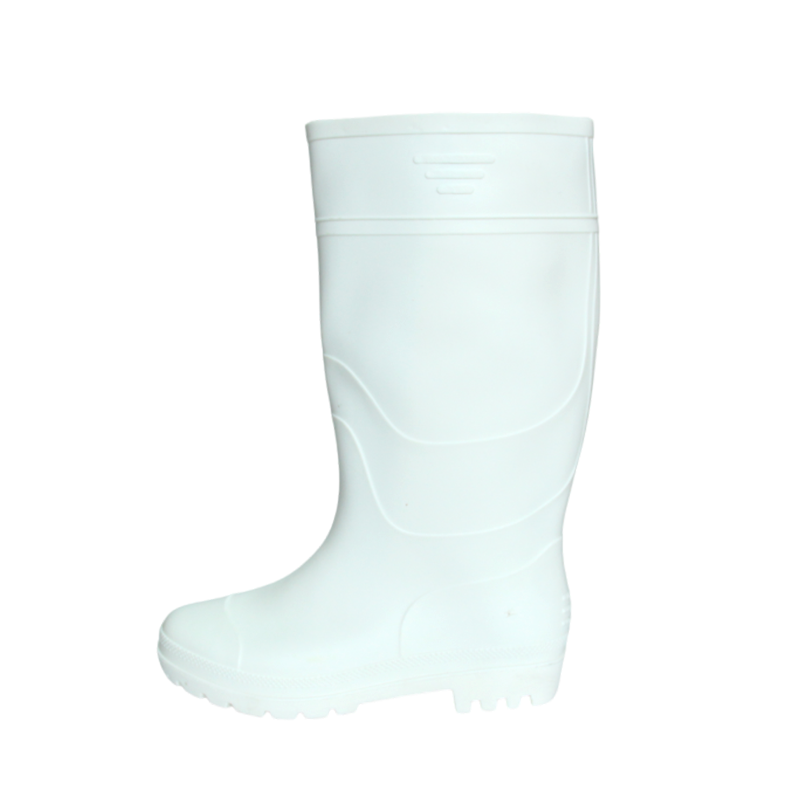
Rubber outsole with enhanced tread pattern for food processing and washdown areas.
A single feature rarely captures the full performance profile of a pair of safety shoes. The radar chart below compares three common categories, steel toe, composite toe, and alloy toe safety shoes, across four practical dimensions: impact protection, weight comfort, electrical safety suitability, and durability. This comparison is intended to help buyers think beyond a single spec sheet line item when narrowing down options. Each axis represents a relative, illustrative scoring based on general characteristics of each toe protection category rather than a specific laboratory test result. Reading across all dimensions together generally provides a more balanced basis for comparison than focusing on impact rating alone.
The radar chart shows that steel toe safety shoes tend to score highest on impact protection and durability, which reflects the long-standing reputation of steel as a dependable material for withstanding heavy compression and impact forces on demanding job sites. However, steel toe options generally score lower on weight comfort and electrical safety suitability, since steel is both heavier than alternative materials and electrically conductive, which limits its use in electrical hazard environments. Composite toe safety shoes show a more balanced profile, scoring well on electrical safety suitability due to their non-metallic construction, while also performing reasonably on weight comfort, making them a common choice for workers who move between different hazard zones during a shift. Alloy toe safety shoes generally sit between the other two categories, offering improved weight comfort over steel while typically maintaining strong impact protection and durability, though they do not match composite toe options for electrical hazard suitability. None of the three categories dominates across every dimension, which reinforces a practical principle in safety shoes selection: the right toe protection material depends on which dimensions matter most for a specific role rather than which material scores highest on impact resistance alone. Facilities with mixed hazard profiles sometimes standardize on composite or alloy toe options specifically because they perform adequately across a broader range of conditions rather than excelling narrowly in one area. Reviewing a comparison like this alongside a facility-specific hazard assessment gives safety officers and procurement teams a more complete basis for a final footwear decision than a single spec line item.
A structured side-by-side comparison is often the most useful reference during vendor evaluation and internal safety policy development. The table below summarizes practical trade-offs across toe protection types and outsole categories that most frequently influence purchasing decisions for safety shoes.
| Feature | Steel Toe | Composite Toe | Alloy Toe |
|---|---|---|---|
| Relative Weight | Heavier | Lighter | Moderate |
| Electrical Conductivity | Conductive | Non-conductive | Conductive |
| Impact Resistance | Strong | Moderate to strong | Strong |
| Typical Use Case | General heavy industry | Electrical and security zones | Long-shift industrial roles |
Beyond the toe protection comparison, outsole selection deserves equal attention during vendor discussions. Rubber outsoles generally offer strong chemical and oil resistance alongside solid traction, making them a frequent choice for facilities handling lubricants or wet processing lines. Polyurethane outsoles tend to offer good cushioning and lighter weight, which can reduce fatigue over long shifts, though they may show faster wear when exposed to certain solvents compared to rubber. Dual density outsole construction, which combines a firmer base layer with a softer contact layer, is often selected when both durability and comfort are priorities, since this design attempts to balance the trade-offs seen in single-density options. When comparing quotes from a safety shoes manufacturer, it is useful to request specific outsole material data sheets alongside toe protection specifications, since outsole performance varies meaningfully by formulation even within the same general material category. Buyers managing large facility networks often find it practical to standardize on two or three core configurations, such as a heavy duty steel toe rubber outsole model and a lighter composite toe polyurethane model, rather than sourcing highly customized footwear for every individual role.
Proper maintenance keeps safety shoes performing at their intended protection level while also extending the practical service life of each pair, which supports better value across a large procurement order. Neglected maintenance is one of the most common reasons protective footwear underperforms or requires premature replacement.
Visible cracking in the outsole, exposed toe cap material, or noticeably reduced traction on previously reliable surfaces are all practical indicators that a pair of safety shoes has reached the end of its effective service life. Facilities that track footwear age alongside shift hours often find it easier to plan proactive replacement schedules rather than waiting for visible failure, which supports more consistent protection levels across a workforce.
Proper fit contributes meaningfully to both comfort and protective performance, since footwear that is too loose or too tight can affect balance and toe cap alignment. Employers managing bulk procurement programs often benefit from offering a range of sizing options and working with a supplier that maintains consistent sizing standards across production batches.
Because safety shoes must be manufactured consistently to maintain reliable protective performance across large orders, working with a manufacturer that has dedicated production capacity and established quality practices is an important part of the sourcing process. Ningbo Hoyoung Safety Products Co., Ltd. is a manufacturing enterprise focused on personal protective equipment and road safety facilities, based in Ningbo, Zhejiang province, drawing on a combination of regional manufacturing expertise and modern port logistics access. The company has built its operations around a quality and service first approach, with 20 years of experience in the personal protective equipment field.
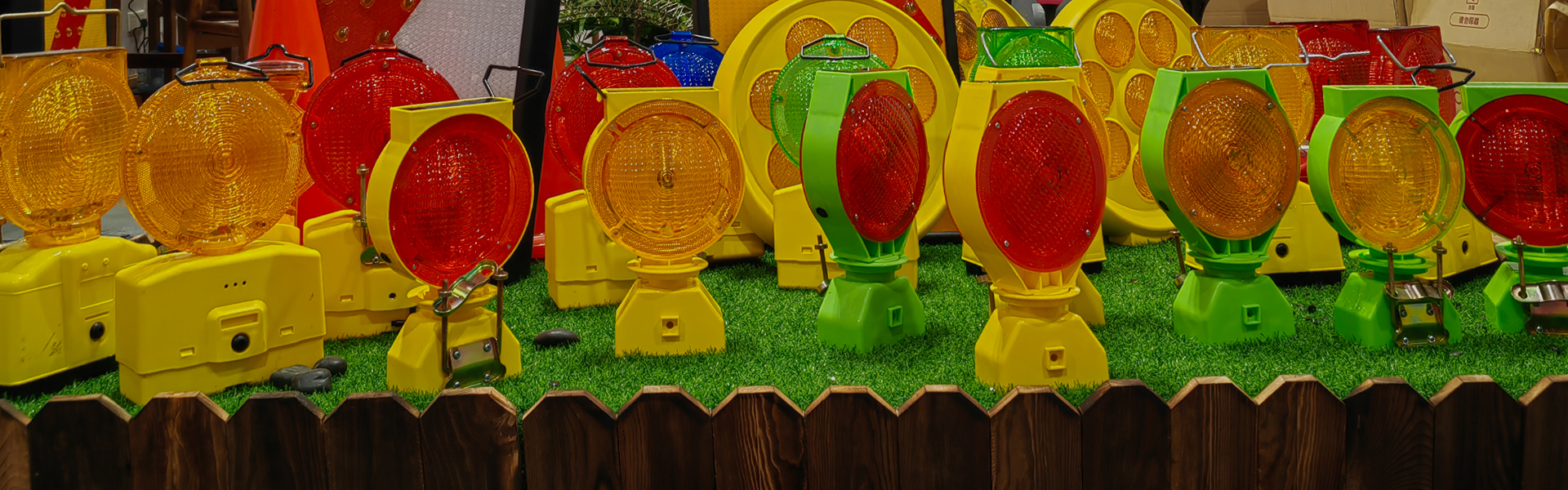
Hoyoung operates a 5,000 square meter workshop equipped with 16 injection molding machines, with much of the facility implemented as an unmanned workshop capable of fully automated operation. In addition to safety shoes, the company's main product lines include safety helmets, earmuffs, and other personal protective equipment, alongside warning lights, collapsible safety cones, and other road protective products. Production is carried out in strict accordance with the ISO9001 quality management system, and products have passed CE certification, with exports reaching Europe, the United States, South America, Southeast Asia, and other regions. For buyers evaluating a safety shoes manufacturer, this combination of automated production capability, established quality management practices, and international export experience are practical indicators of a supplier positioned to support consistent bulk orders across multiple markets.
Q1: How is the right pair of safety shoes chosen for a specific job role?Selection generally starts with identifying the primary hazards present in the role, such as impact, puncture, slip, or electrical exposure, and then matching toe protection type and outsole material accordingly. |
Q2: What is the difference between composite toe and steel toe safety shoes?Composite toe caps use non-metallic materials and are non-conductive, making them suitable for electrical hazard environments, while steel toe caps generally offer strong impact resistance but are electrically conductive. |
Q3: How often should industrial safety shoes be replaced?Replacement timing depends on tread wear, upper condition, and internal cushioning, so facilities should inspect footwear regularly rather than relying on a fixed calendar schedule alone. |
Q4: Are slip-resistant safety shoes necessary for all facilities?Slip-resistant outsoles are particularly important for environments with wet, oily, or uneven floors, such as food processing and washdown areas, while dry, consistent floor environments may prioritize other features. |
Q5: Can safety shoes be customized for bulk B2B orders?Many manufacturers offer configuration options across toe protection type, outsole material, and sizing ranges for bulk orders, so buyers should discuss specific facility requirements directly with their chosen supplier. |
Q6: What maintenance steps help extend the life of safety shoes?Regular tread inspection, proper cleaning after chemical or oil exposure, thorough drying between shifts, and timely insole replacement all help maintain protective performance and extend service life. |
It is focused on the overall solution of dry bulk material port transfer system,
research and development,
manufacturing, and service
Contact Us
Contact UsMiss. Jenny
+86 136 5588 7720
sales8@hoyoungsafety.com
sales1@hoyoungsafety.com