Content
Type C and Type E helmets differ primarily in their electrical insulation class. Type C (Conductive) helmets provide no electrical protection and are designed purely for impact resistance in non-electrical environments. Type E (Electrical) helmets are rated to withstand high-voltage exposure up to 20,000 volts AC, making them mandatory for work near energized lines. For most general construction and industrial applications, a Type E, Class E industrial safety helmet such as the SH123 Stable Safety Helmet is the preferred and safer default choice, as it combines impact resistance with electrical protection without adding significant weight or cost.
Selecting the right construction helmet goes well beyond meeting a minimum standard. The shell material, suspension design, adjustment mechanism, and additional fittings all determine whether a helmet provides reliable head protection across a full shift. This article examines the technical characteristics of the SH123 Stable Safety Helmet from Ningbo Hoyoung Safety Products Co., Ltd., placing it in the broader context of industrial helmet standards, application requirements, and procurement considerations for buyers in the Spanish and South American markets where this model has a strong track record.
The SH123 is a stable HDPE construction helmet engineered as an economical yet fully functional solution for general industrial and construction site applications. The shell is formed from High-Density Polyethylene (HDPE), a thermoplastic resin recognized for its combination of toughness, chemical resistance, and UV stability. HDPE shells maintain their structural integrity across a broad temperature range and resist the surface crazing that can compromise older polycarbonate designs after extended outdoor exposure.
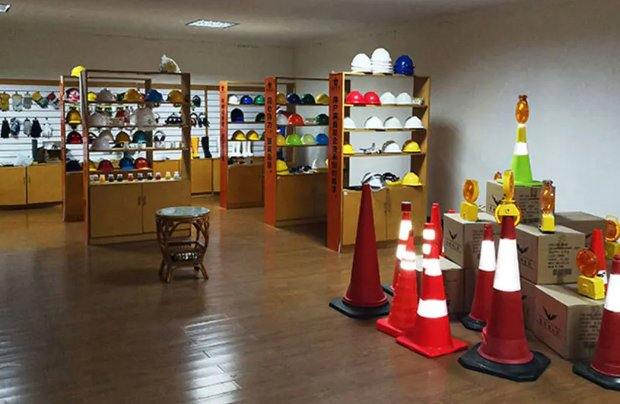
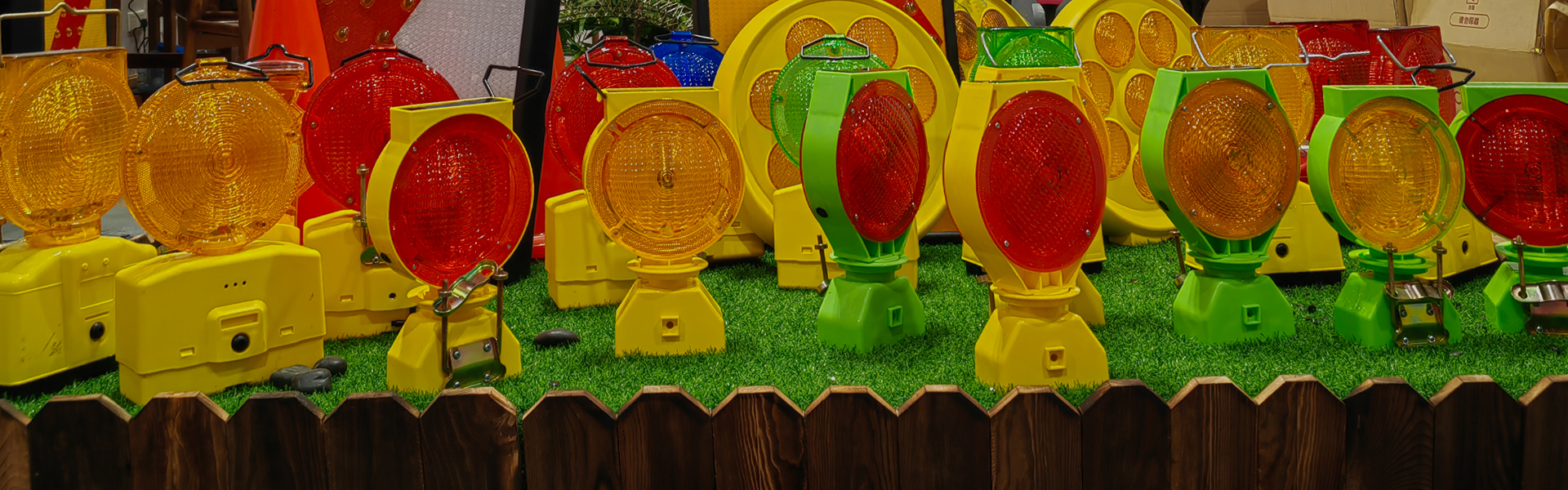
Ningbo Hoyoung Safety Products Co., Ltd. showroom displaying the SH123 and related PPE range including safety helmets in multiple colors and road safety equipment.
| Parameter | Specification | Remarks |
|---|---|---|
| Model | SH123 | Spanish market, South American areas |
| Shell Material | HDPE | High-Density Polyethylene, UV stable |
| Weight | 285 g | Lightweight for all-day wear |
| Head Circumference | 52 - 64 cm | Adjustable via pin-lock suspension |
| Suspension | Plastic pin-lock | Integrated adjustment, no tools required |
| Chinstrap | Optional add-on | Suitable for elevated-risk environments |
| Rain Gutter | Built-in | Channels water away from face |
| 20ft GP Loading | 7,500 pcs | Efficient bulk safety helmet shipment |
| 40ft HQ Loading | 18,000 pcs | High-volume OEM safety helmet orders |
| Certification | CE | EN 397 compliant |
At 285 grams, the SH123 falls within the lightweight range for an HDPE industrial safety helmet. This matters considerably in practice: studies published in the Journal of Occupational and Environmental Hygiene have demonstrated that helmet weight correlates with worker compliance rates over full shifts, with heavier helmets being removed more frequently during rest periods, which is precisely when falling-object incidents often occur. The adjustable fit system covering head circumferences from 52 to 64 cm accommodates the majority of the adult male and female workforce without requiring multiple stock-keeping units.
The diagram below provides an isometric annotated view of the SH123 protective helmet, identifying the key structural components and their functional roles in impact protection and wearer comfort.
Isometric annotated diagram of the SH123 construction helmet. The HDPE dome shell absorbs and disperses impact energy while the full brim provides 360-degree falling-object protection. The built-in rain gutter channels water away from the face during outdoor operations.
The built-in rain gutter is a practical detail that distinguishes the SH123 from minimalist cap-style designs. In outdoor construction and civil engineering environments, precipitation is a constant variable, and a helmet that channels water away from the eyes and face allows workers to maintain visibility without removing their head protection. The optional chinstrap attachment point is similarly pragmatic: it allows the same helmet shell to be upgraded for working at heights or in high-wind environments simply by adding a strap component rather than purchasing a separate model.
Under the ANSI/ISEA Z89.1-2014 standard, industrial safety helmets are classified by type and class. Type I helmets protect only the top of the head, while Type II helmets add lateral impact protection. The electrical class separates C (Conductive, no electrical protection), G (General, rated to 2,200 V), and E (Electrical, rated to 20,000 V AC). European standard EN 397 defines equivalent categories with slightly different voltage thresholds. For the construction and industrial markets where the SH123 is positioned, an impact-resistant helmet that meets EN 397 lateral deformation and penetration resistance requirements provides comprehensive day-to-day head protection.
The table below summarizes the key differences between helmet types and classes to assist procurement teams in specifying the correct work helmet for their applications.
| Category | Protection Scope | Voltage Rating | Typical Applications |
|---|---|---|---|
| Type I, Class C | Top impact only, no electrical | None | Mining, non-electrical sites |
| Type I, Class G | Top impact, low-voltage | 2,200 V AC | General construction |
| Type I, Class E | Top impact, high-voltage | 20,000 V AC | Electrical, utility, construction |
| Type II, Class E | Top and lateral impact, high-voltage | 20,000 V AC | High-risk sites, fall hazards |
| SH123 (EN 397) | Full shell impact + penetration resistance | CE compliant | Construction, industry, engineering sites |
The choice of shell material is one of the most technically significant decisions in helmet design. The SH123 uses an HDPE shell, which competes in the market primarily against ABS (Acrylonitrile Butadiene Styrene) safety helmets. Both materials meet standard impact resistance requirements, but they behave differently under service conditions relevant to outdoor industrial and construction use.
HDPE offers superior UV resistance and chemical inertness, making it better suited to prolonged outdoor exposure in the Spanish and South American markets where solar radiation intensity is high. ABS safety helmets offer higher surface hardness and a glossier finish but can undergo UV-induced embrittlement over 18 to 24 months of continuous outdoor use if not stabilized with UV absorbers. HDPE helmets maintain adequate toughness for longer periods under direct solar exposure, which directly supports compliance with workplace safety helmet replacement schedules.
This horizontal bar chart compares HDPE and ABS safety helmet shell materials across seven performance criteria scored on a scale of 1 to 10. HDPE, as used in the SH123, scores highest in UV resistance, chemical resistance, weight efficiency, long-term durability, and cost efficiency -- precisely the properties that matter most in high-sun outdoor construction environments typical of Spain and South America. ABS achieves higher surface hardness and comparable impact toughness, which may be advantageous in indoor industrial settings where surface scratch resistance is prioritized. The chart illustrates why HDPE has become the dominant shell material for economical, durable construction helmets in export markets. Scores are based on material science literature and industry procurement guidance; individual product performance depends on formulation and processing quality.
The SH123 Stable Safety Helmet occupies the high-volume, specification-compliant segment of the global protective helmet market. This is the segment where procurement decisions are driven by a combination of regulatory compliance, durability across multi-year service contracts, and the logistics of supplying large workforces consistently. The 18,000-piece capacity of a single 40-foot HQ container makes the SH123 viable for national-level construction programs, mining operations, and government-tendered infrastructure projects in South America, where bulk safety helmet supply is frequently required on a project-by-project basis.
Key industrial and construction sectors using the SH123 and similar head protection helmet models include civil engineering and infrastructure (highways, bridges, tunnels), energy sector construction (solar farms, wind turbine installation, oil and gas), manufacturing and warehouse operations, and municipal utilities. In the Spanish market specifically, compliance with EN 397 is a legal requirement for all construction sites under Royal Decree 773/1997 on personal protective equipment, and CE-marked helmets from verified safety helmet manufacturers are the only valid option for site compliance.
This column chart represents the relative demand index for industrial safety helmets across major end-use sectors based on industry research and PPE market reports. The construction sector consistently records the highest volume demand for durable construction helmets, driven by mandatory head protection regulations across virtually all national and regional building codes. Manufacturing and energy sector applications together represent a substantial second tier, with mining and utilities completing the main market segments. The SH123 Stable Safety Helmet from Ningbo Hoyoung is positioned to serve all five sectors, as its combination of HDPE shell durability, adjustable fit, and CE certification meets the baseline requirements for each application. Understanding sector-level demand patterns helps safety helmet suppliers and distributors plan inventory and OEM production volumes effectively.
The SH123 holds CE certification under EN 397, the primary European standard for industrial safety helmets. EN 397 specifies test methods and performance thresholds for shock absorption (a 5 kg striker dropped from 1 meter onto the helmet crown), penetration resistance (a 1 kg conical striker dropped from 1 meter), flame resistance, lateral deformation, and chin strap retention force. Helmets passing EN 397 may also carry optional performance marking for specific additional hazards including very high temperatures (250 degrees Celsius), very low temperatures (minus 20 degrees Celsius), molten metal splash, and electrical insulation at 440 V AC.
For the South American export markets where the SH123 is widely used, many national standards are harmonized with or directly reference ISO 3873 (Industrial helmets) or ANSI/ISEA Z89.1. CE marking remains widely accepted as a recognized quality benchmark even in markets that have not formally adopted EN 397, which contributes to the helmet's broad marketability across Latin American construction and industrial sectors. Buyers sourcing from a CE-certified safety helmet manufacturer such as Ningbo Hoyoung gain a documented compliance record that simplifies import approval and end-user site audits.
All thermoplastic safety helmet shells degrade over time, primarily due to UV radiation, thermal cycling, and chemical exposure. Major standards organizations including EN 397 and ANSI/ISEA Z89.1 recommend replacing safety helmets every 2 to 5 years from the date of first use, or every 10 years from the manufacturing date, whichever comes first. The chart below illustrates how shell impact energy absorption typically declines with age for HDPE and ABS helmets under continuous outdoor industrial conditions.
This line chart models the relative performance retention of HDPE and ABS industrial safety helmet shells under continuous outdoor UV exposure, based on published polymer degradation data referenced in material science literature including studies from the journal Polymer Degradation and Stability. The HDPE curve shows a more gradual performance decline, crossing the indicative minimum standard threshold at approximately 5.5 years, which aligns well with industry-recommended maximum service intervals. The ABS shell declines more steeply under UV loading, approaching the minimum threshold after approximately 4.5 years under high solar radiation conditions typical of Mediterranean and tropical climates. This performance difference has practical procurement implications for construction helmet programs operating in sun-intensive regions, favoring HDPE as the more suitable shell material for extended service cycles. Both materials should be inspected regularly for surface crazing, discoloration, or deformation, which are visual indicators of shell embrittlement prior to reaching the numeric performance threshold.
The radar chart below evaluates the SH123 across six performance dimensions relevant to industrial and construction procurement: impact protection, weight comfort, UV durability, adjustability, CE compliance completeness, and logistics efficiency. These axes reflect the practical criteria that safety managers, procurement officers, and distributors prioritize when selecting a head protection helmet for large-scale deployment.
The radar comparison chart demonstrates that the SH123 Stable Safety Helmet scores consistently at or above 8.5 out of 10 across five of the six evaluation axes. Its strongest differentiators relative to a typical standard market helmet are UV durability and logistics efficiency -- the two factors most relevant to high-volume export procurement programs in South America and southern Europe. The logistics efficiency score reflects the high container loading density of 18,000 pieces per 40-foot HQ container, which reduces per-unit freight cost significantly for large project tenders. CE compliance completeness is rated 9, reflecting the full EN 397 certification and ISO 9001 quality management system under which the SH123 is produced at Ningbo Hoyoung. The only area where the standard market helmet comes within a narrower margin is adjustability, and even there the SH123 pin-lock suspension covering 52 to 64 cm head circumference covers virtually the full adult working population without custom fittings.
Ningbo Hoyoung Safety Products Co., Ltd. operates as a full-service OEM safety helmet manufacturer, offering buyers the flexibility to customize the SH123 platform with their own branding, color selection, logo placement, and optional component configurations. The company's 16 injection molding machines and unmanned production workshop support fully automated, high-volume manufacturing with consistent shot-to-shot quality. This level of automation is particularly important for OEM orders where brand identity depends on dimensional and color consistency across large production batches.
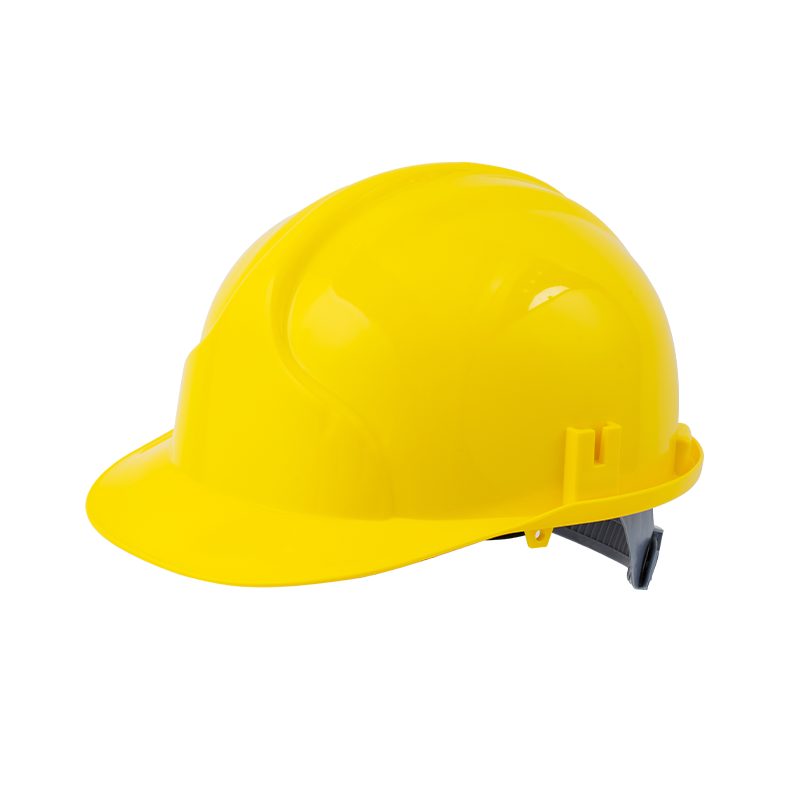
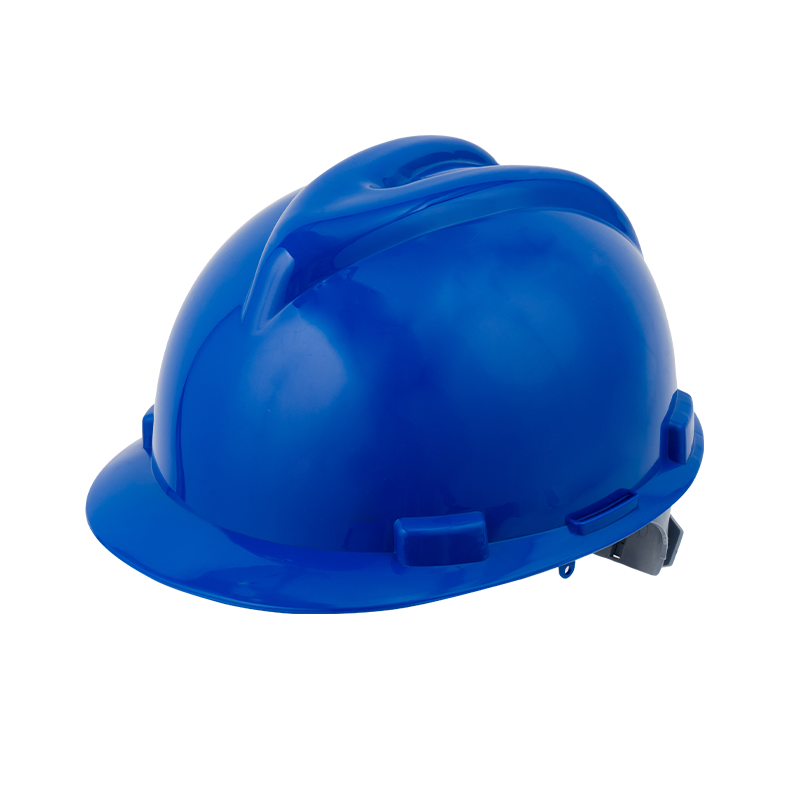
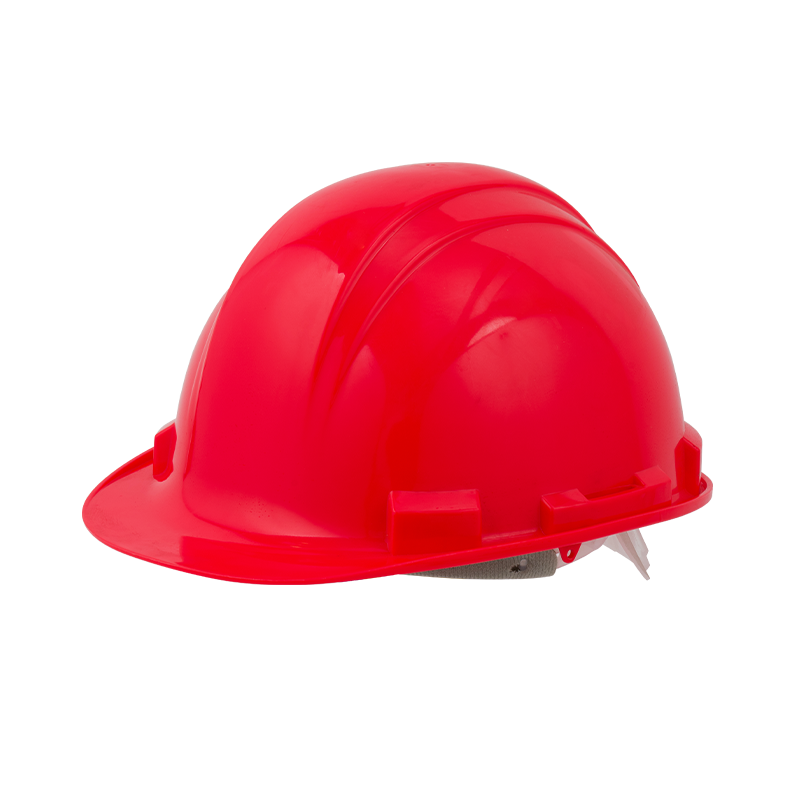
For distributors and project procurement teams seeking bulk safety helmets, the SH123 is available in standard safety yellow, orange, white, red, blue, and green shell colors. Custom RAL color matching is available for OEM orders meeting minimum order quantities. All production is conducted under ISO 9001 quality management certification, with in-process inspection covering shell wall thickness, suspension attachment force, and final assembly dimensional checks. CE certificates and test reports are available for customs clearance and end-user site compliance documentation.
Ningbo Hoyoung Safety Products Co., Ltd. is a manufacturing enterprise focused on personal protective equipment and road safety facilities and supplies, located in Ningbo, Zhejiang province. Described as a collaboration of "Zhejiang wisdom" and "modern ports," the company brings together regional manufacturing excellence with international export logistics capability. With the concept of quality and service first, Ningbo Hoyoung has more than 20 years of experience in the PPE field, serving global customers across Europe, the United States, South America, Southeast Asia, and beyond.
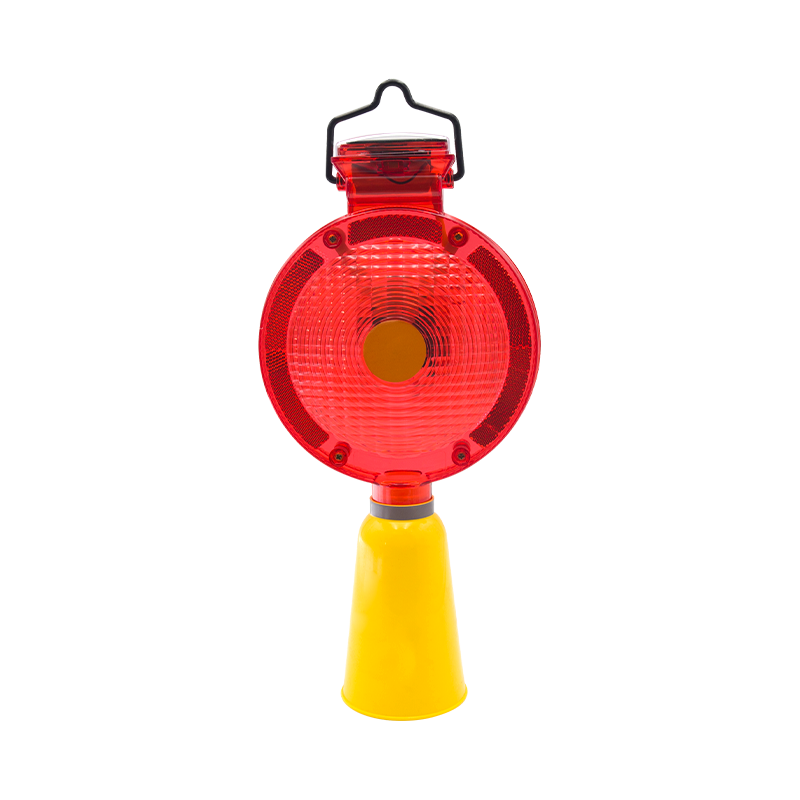
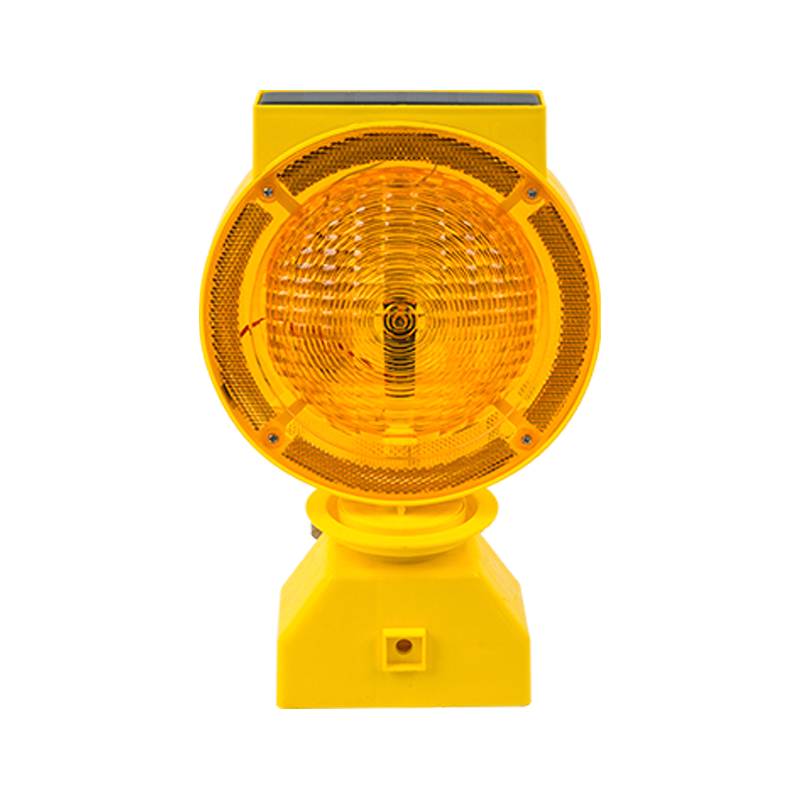
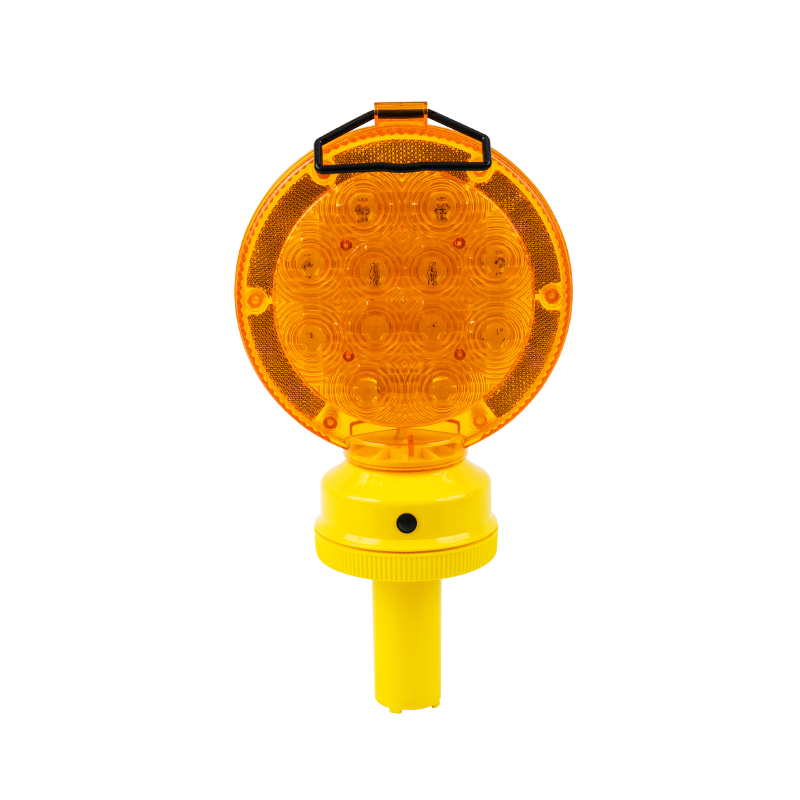
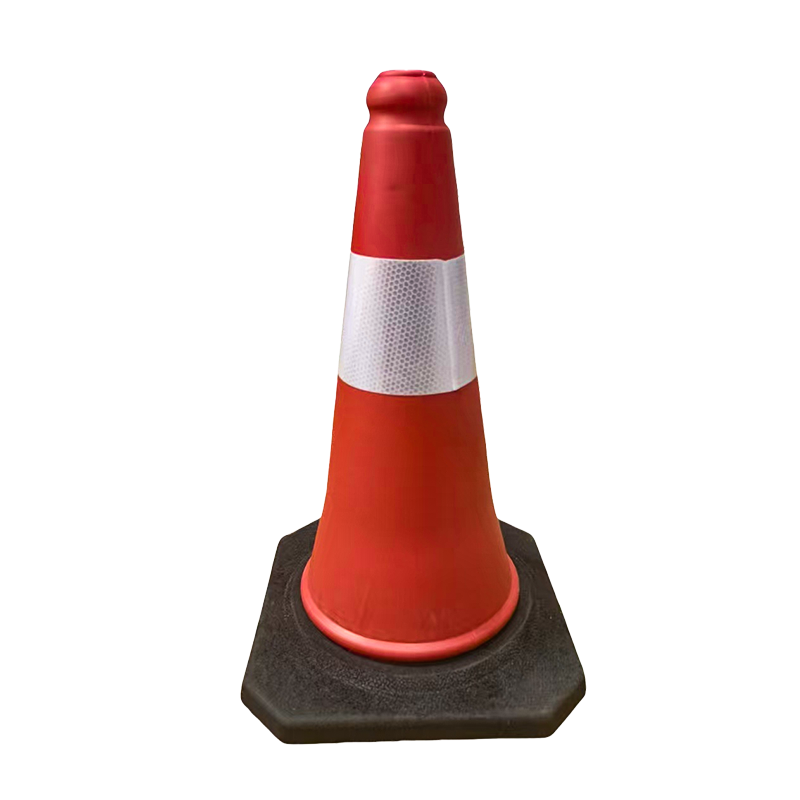
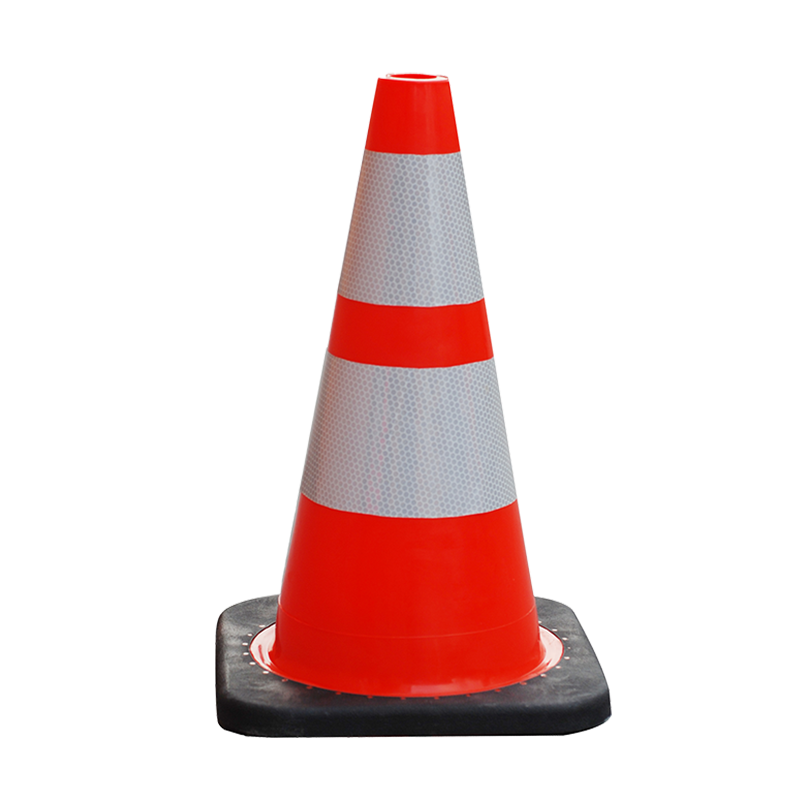
The company operates a 5,000 square meter workshop equipped with 16 injection molding machines, with production processes that have been substantially automated to ensure consistent quality and efficient output. Main products include safety helmets, earmuffs, and other personal protective equipment, alongside warning lights, collapsible safety cones, and road protective equipment. All products are manufactured in strict accordance with the ISO 9001 quality management system and have passed CE certification. Ningbo Hoyoung adheres to the principle of "safety, peace of mind, customer service" and welcomes domestic and international customers to visit and partner with the company.
Q1. What is the SH123 safety helmet made of, and why does it matter?
The SH123 shell is made from HDPE (High-Density Polyethylene). HDPE is preferred for outdoor construction and industrial applications because it resists UV degradation better than ABS, maintaining structural integrity over a longer service life under direct sunlight. It also provides good chemical resistance and is lighter weight than many alternative shell materials, supporting all-day comfort.
Q2. Is the SH123 construction helmet CE certified?
Yes. The SH123 carries CE certification in compliance with EN 397, the European standard for industrial safety helmets. CE marking confirms that the helmet has passed standardized tests for shock absorption, penetration resistance, flame resistance, and lateral deformation. CE test reports and certificates are available from Ningbo Hoyoung upon request for customs clearance and project compliance documentation.
Q3. Can the SH123 helmet be ordered with custom branding for OEM programs?
Yes. Ningbo Hoyoung supports OEM safety helmet programs including custom logo placement, shell color options, and branded packaging. The company's automated injection molding capacity allows consistent color and dimensional quality across large OEM batches. Buyers should confirm minimum order quantities and lead times directly with the sales team to align production scheduling with project requirements.
Q4. How many helmets fit in a standard shipping container?
The SH123 loads at 7,500 pieces per 20-foot GP container and 18,000 pieces per 40-foot HQ container. These high loading densities make the SH123 a cost-effective choice for bulk safety helmet procurement programs where freight cost per unit is a meaningful factor in the total delivered cost equation.
Q5. What head circumference range does the SH123 adjustable safety helmet cover?
The SH123 pin-lock suspension system adjusts to fit head circumferences from 52 to 64 cm, covering the large majority of adult male and female workers without requiring different sizes. This simplifies inventory management for large worksite deployments and reduces the risk of workers wearing incorrectly sized helmets, which can compromise both impact protection and comfort.
Q6. How often should workplace safety helmets be replaced?
EN 397 and major safety organizations recommend replacing industrial safety helmets within 2 to 5 years of first use, or no later than 10 years from the manufacture date stamped inside the helmet. Helmets should be inspected before each use for shell crazing, cracks, discoloration, or suspension damage. In high-UV outdoor environments, erring toward the shorter end of the replacement interval is advisable to maintain reliable head protection.
It is focused on the overall solution of dry bulk material port transfer system,
research and development,
manufacturing, and service
Contact Us
Contact UsMiss. Jenny
+86 136 5588 7720
sales8@hoyoungsafety.com
sales1@hoyoungsafety.com


 English
 Español
 عربى
عربى