Content
The direct answer is this: an effective safety helmet is defined by three factors working together, shell material and impact-absorption design, suspension system fit, and suitability for the specific work environment, and no single feature alone determines whether industrial head protection performs well on site. A construction safety helmet chosen only for its shell hardness but paired with a poor suspension system will still transfer excessive force to the wearer, while a helmet with excellent ventilation but the wrong shell rating may be mismatched to a high-impact environment. Buyers sourcing from a China factory or China manufacturer therefore need to evaluate the full helmet system rather than a single spec sheet number.
This article walks through the common safety helmet types available on the market, the engineering principles behind shell and suspension design, how to match a helmet to a specific application, a detailed side-by-side comparison, maintenance and inspection guidance, and practical notes on sourcing from a professional safety helmet supplier. Several data visualizations are included to make technical comparisons easier to scan, and a FAQ section addresses the questions buyers most often ask when evaluating an OEM or ODM safety helmet program.
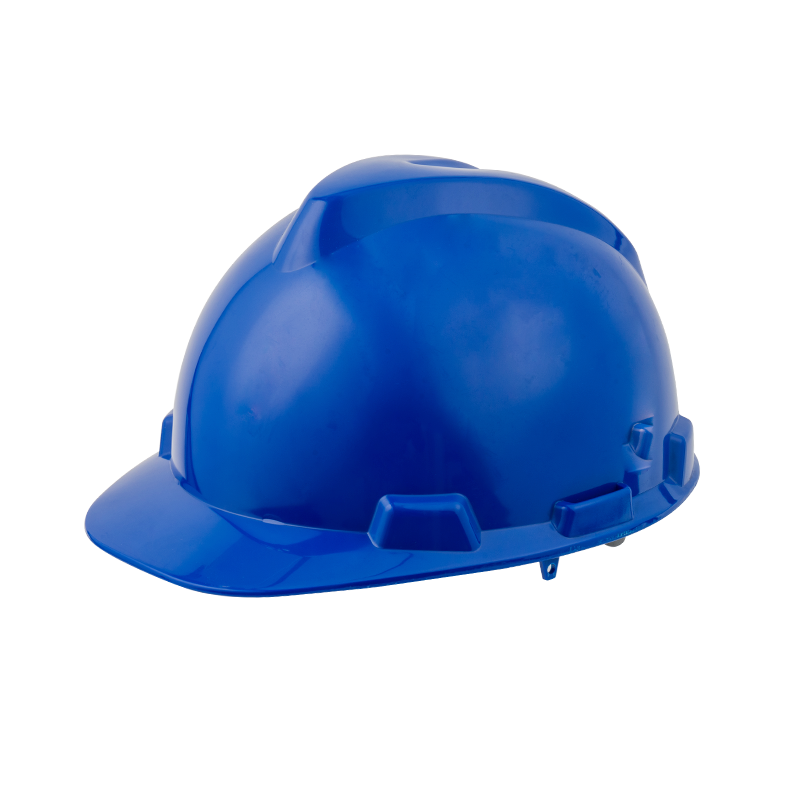
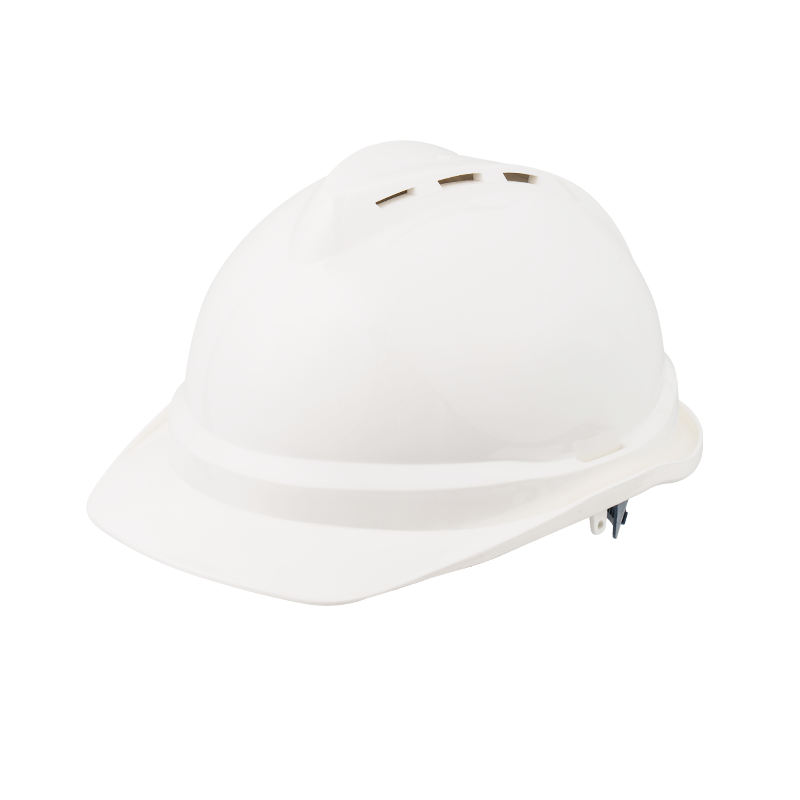
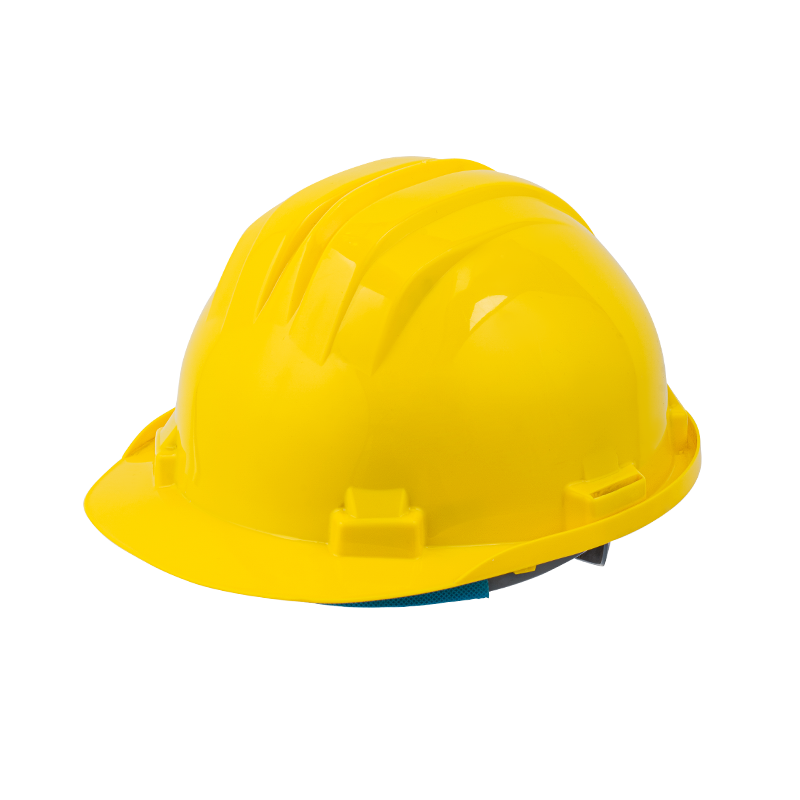
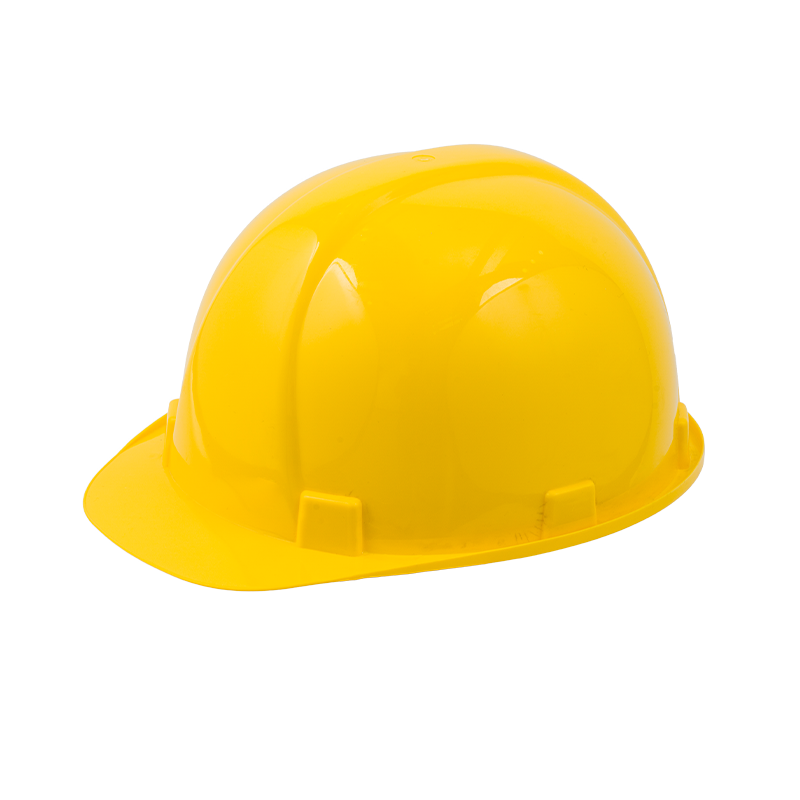
Safety helmets used across construction, industrial, and road-work environments are generally grouped by shell material and by structural class. Each type carries a different balance of weight, impact behavior, and resistance to environmental wear, which is why a professional manufacturer typically offers a full range rather than a single universal design.
Choosing among these types is not about which is universally superior; instead, an experienced supplier will ask about site conditions, climate, and required accessory compatibility before recommending a shell material. A durable, adjustable, multifunction helmet line often blends design features from several categories, and a reliable OEM factory will be transparent about the exact shell composition used in each model.
A safety helmet is not simply a hard outer shell; it is a layered protective system. Understanding this structure helps buyers evaluate whether a factory's production line and design team are capable of consistent, repeatable protective performance across large orders.
The rigid outer shell is engineered to spread the force of an impact across a wider surface area rather than concentrating it at a single point, reducing the load transferred to the skull. Shell thickness, curvature, and material stiffness are all tuned together during mold design, which is why injection molding precision matters as much as raw material choice.
Beneath the shell, a suspension harness (webbing straps, headband, and cradle) creates a gap between the shell and the wearer's head, allowing the structure to flex and absorb residual energy that passes through the shell. A well-engineered suspension system is adjustable, so it maintains this gap consistently across different head sizes rather than only fitting a narrow range.
Chin straps and accessory slots are integrated into the shell design without weakening the impact-distribution structure. A professional China supplier will validate that added mounting points for earmuffs or face shields do not compromise the shell's core protective geometry.
Before comparing shell materials directly, it helps to visualize how each one generally performs on relative impact absorption, since this is one of the specifications buyers ask about most often. The chart below presents a horizontal bar comparison so that relative performance can be scanned quickly from top to bottom. The values reflect typical relative positioning used in helmet product development discussions rather than results from a single laboratory test. Buyers evaluating an OEM or ODM program should treat this as a starting point for a conversation with their manufacturer rather than an exact numeric guarantee. Because the bars are ordered from strongest to more moderate performance, the comparison across five common shell types is easy to read at a glance.
Reading the chart from top to bottom, glass-fiber reinforced shells sit at the highest relative impact-absorption position, which is consistent with their use in demanding industrial settings where repeated or higher-force impacts are more likely. ABS shells and multifunction shells occupy a similar mid-to-high band, reflecting ABS's rigidity and the way multifunction designs are typically engineered to maintain strong core protection even with added accessory mounts. Standard HDPE shells sit in the medium range, which explains why they remain the most common choice for general construction and wholesale programs rather than only the most extreme-impact job sites. Vented industrial helmets are positioned similarly to standard HDPE, since the airflow channels are designed not to significantly compromise the shell's protective geometry, though the exact figure varies by mold design. None of these positions should be read as an absolute performance guarantee, since actual impact behavior also depends on suspension quality, shell thickness, and manufacturing consistency. A well-engineered HDPE helmet can, in practice, perform comparably to a poorly constructed glass-fiber helmet, which is why working with a professional China manufacturer that controls mold precision and material quality matters more than the shell material label alone. For buyers building a product line across multiple job-site categories, this chart is most useful as a guide for assigning shell types to a general-duty, heavy-industrial, and specialty-accessory tier structure. A reliable safety helmet supplier will be able to walk through shell thickness options and suspension upgrades for each tier on request. This comparison is also useful when a buyer is deciding between a standard catalog helmet and a custom-engineered multifunction design, since the trade-off between weight and impact absorption becomes clearer when viewed side by side. Overall, the chart reinforces that shell material sets a general performance band, but final protective quality still depends on the manufacturer's engineering and quality control practices.
Selecting a safety helmet should start from the job-site scenario rather than the material name. The table below outlines how different applications typically map to helmet type and selection priority, which is useful when briefing an OEM factory or ODM factory on a new product line.
| Application | Recommended Helmet Type | Typical Priority |
|---|---|---|
| General construction site | HDPE shell helmet | Lightweight comfort across long shifts |
| Heavy industrial / manufacturing plant | Glass-fiber reinforced helmet | Extended durability under repeated impact |
| Road maintenance / traffic work zones | ABS shell helmet with high-visibility trim | Rigid protection plus visibility |
| Warm-climate outdoor labor | Vented industrial helmet | Heat reduction and airflow |
| Combined noise and impact exposure | Multifunction helmet with earmuff mounts | Single unit covering two protection needs |
Beyond job-site type, buyers should also confirm accessory compatibility, color-coding needs for role identification, and whether the order requires eco friendly or recycled-material shell options, since many wholesale supplier programs now offer a recycled-resin shell as a standard alternative alongside virgin-material helmets.
Adoption of upgraded industrial head protection has not stayed flat across recent years; it has shifted as more construction and manufacturing operations formalize on-site safety programs. Understanding this general trend helps a buyer plan procurement volume and anticipate demand growth for accessory-compatible designs. The line chart below illustrates a general relative adoption curve for two categories, standard helmets and multifunction accessory-ready helmets, over a recent multi-year period. This pattern is a generalized planning reference drawn from broadly reported workplace safety adoption trends rather than a precise forecast for any single market. Viewing it as a line rather than a table makes the diverging trajectories easier to identify at a glance.
The solid line, representing multifunction accessory-ready helmets, climbs steadily across the five-year span, reflecting a broader shift toward equipping workers with a single helmet platform that can accept earmuffs, face shields, or lighting accessories rather than issuing separate standalone items. The dashed line, representing standard helmets without accessory mounts, rises only modestly over the same period, indicating that this category remains a steady baseline rather than the primary growth driver. The gap between the two lines widens noticeably from the middle of the period onward, which suggests that once accessory-ready designs reach a certain adoption level, demand tends to accelerate rather than plateau. For a manufacturer or exporter planning capacity, this divergence signals that production lines and mold tooling for accessory-mount shells deserve growing investment relative to standard shell tooling. Buyers placing bulk orders for multifunction helmets may want to confirm current lead times specifically for accessory-compatible shells, since factory capacity allocation often follows the demand pattern shown here. Conversely, standard helmet orders can generally proceed on established, more predictable production schedules with fewer capacity constraints. This trend is also relevant for wholesale distributors deciding how to structure their catalog, since a growing share of end-user inquiries increasingly reference accessory compatibility rather than shell material alone. A professional wholesale supplier will often highlight multifunction options earlier in a sourcing conversation given this trajectory. For private label or OEM brand owners, this chart is a useful planning tool when deciding how to phase a multi-model launch, since introducing an accessory-ready flagship model alongside a standard baseline model aligns with where the broader market has been moving. Ultimately, the pattern reinforces a simple planning principle: treat multifunction, accessory-ready helmet capacity as a growth area rather than a niche add-on when planning future production allocation.
The table below consolidates the practical specifications a buyer typically needs when comparing safety helmet options side by side, including approximate relative weight, ventilation level, and general suspension recommendation. This is intended as a working reference for briefing a China supplier or reviewing a factory's technical data sheet.
| Shell Type | Relative Weight | Ventilation | Recommended Suspension |
|---|---|---|---|
| HDPE shell | Low | Low-Medium | 4-point adjustable ratchet |
| ABS shell | Medium | Low-Medium | 4 or 6-point ratchet |
| Glass-fiber reinforced shell | Medium-High | Low | 6-point ratchet for heavier shells |
| Vented industrial shell | Low | High | 4-point adjustable ratchet |
| Multifunction shell | Medium | Medium | 6-point ratchet with accessory rails |
A professional OEM supplier or ODM supplier should be able to provide a technical data sheet matching this format for every model, including shell thickness range, suspension adjustment span, and recommended accessory compatibility, since this documentation is what allows a wholesaler or brand owner to write accurate product descriptions for their own customers.
To make weight selection more concrete, it helps to see how relative helmet weight is typically distributed across three common categories: lightweight general-duty, standard industrial, and heavy-duty reinforced. The bar chart below groups representative relative weight positions for each category so buyers can quickly locate where a target product should sit. These figures are general industry reference points used during product development discussions rather than fixed values mandated by any regulation. Reading the chart alongside the comparison table above helps translate a shell material choice into an actual product decision. The vertical layout makes category-to-category jumps in weight easy to compare directly.
The lightweight general-duty category sits noticeably below the standard industrial category, which is why lightweight helmets are almost always positioned for long-shift comfort roles rather than the most demanding impact environments. The standard industrial category occupies the middle position deliberately, since its purpose is to remain reasonably comfortable while still meeting the protective expectations of a typical construction or manufacturing site. The heavy-duty reinforced category is close to three times the relative weight of the lightweight category, and this jump explains why heavy-duty helmets require noticeably more shell material and often a more robust suspension system to manage the added mass comfortably. Buyers developing a new product line often start with the standard industrial category as a baseline model because it has the broadest addressable market, then extend upward and downward once site-specific demand data is available. The gap between standard industrial and heavy-duty reinforced is larger than the gap between lightweight and standard industrial, which signals that heavy-duty products are a more specialized, deliberate purchase for specific high-risk roles rather than a marginal upgrade. This tiering approach also affects packaging and shipping volume, since heavier reinforced shells take up different carton space than lightweight shells and may need adjusted packing specifications from the factory. A wholesale supplier managing multiple weight categories under one factory roof typically needs separate mold tooling and injection settings for each category to keep output consistent, which is worth asking about during a factory visit. For private label brand owners, presenting products using this three-tier structure (lightweight, standard industrial, heavy-duty reinforced) is also a clear, buyer-friendly way to communicate protection level without relying on vague marketing language. Overall, this chart reinforces that helmet weight is a continuous design variable rather than a fixed category, and a flexible, technically capable manufacturer should be able to produce intermediate weight configurations between these three reference points on request.
Impact absorption and weight are only two of the attributes that matter when choosing a safety helmet; ventilation, durability, and comfort all factor into a final decision as well. A radar chart is useful here because it lets several attributes be compared for two helmet types at once on a single shape rather than in separate charts. The comparison below places a standard HDPE helmet against a glass-fiber reinforced helmet across five attributes, since these two types sit at different ends of the lightweight-versus-heavy-duty spectrum. Each axis is scored on a simple relative scale rather than an absolute laboratory measurement. Viewing the two shapes overlaid makes the trade-off between the two helmet types easier to see at a glance than reading five separate percentages.
The glass-fiber reinforced shape extends further on the impact-absorption and durability axes, reflecting its use of a stiffer, thicker shell structure designed to withstand repeated or higher-force contact over an extended service life. The HDPE shape extends further on the lightness and comfort axes, which lines up with the material's lower density and its long history as the standard choice for all-day wear on general construction sites. On the ventilation axis, the two types sit closer together, since airflow performance depends more on specific mold design than on base material alone, though HDPE shells often allow slightly more design flexibility for vent channels. This overlapping radar pattern is a practical illustration of why many product lines position a vented industrial or multifunction helmet as a middle-ground option rather than only offering the two extremes shown here. For a buyer sourcing a single model, the radar chart is a fast way to decide which two or three attributes matter most for their target workforce and then pick the shell type whose shape extends furthest on those specific axes. For example, a heavy manufacturing plant with repeated overhead-impact risk would likely prioritize the axes where glass-fiber reinforced shells perform strongly, while a general contractor managing long outdoor shifts would likely prioritize the axes where HDPE performs strongly. Durability, shown here favoring glass-fiber construction, is particularly relevant for buyers who need a helmet to withstand years of daily use across a large workforce without frequent replacement. Comfort, shown here favoring HDPE, matters most for buyers whose workers wear helmets for extended continuous shifts where fatigue becomes a factor. This kind of multi-attribute view is also useful when briefing a factory on a custom multifunction design, since specifying "closer to the glass-fiber shape on durability but closer to the HDPE shape on comfort" gives a design and engineering team a concrete target rather than a vague brief. Ultimately, no single shell type wins on every axis, which is precisely why professional manufacturers continue to offer a full range of shell options rather than standardizing on one universal design.
Routine inspection significantly extends the reliable service life of any safety helmet, regardless of shell material. Following a few consistent habits helps preserve shell integrity, catch early wear, and reduce the risk of continuing to use a compromised helmet.
For brand owners and wholesalers, the sourcing relationship matters as much as the technical specification itself. A capable China manufacturer should be able to support both OEM manufacturing (producing to a customer's existing design) and ODM manufacturing (co-developing a design from a customer's general requirements), and should be transparent about production capacity, material sourcing, and quality inspection procedures at every stage.
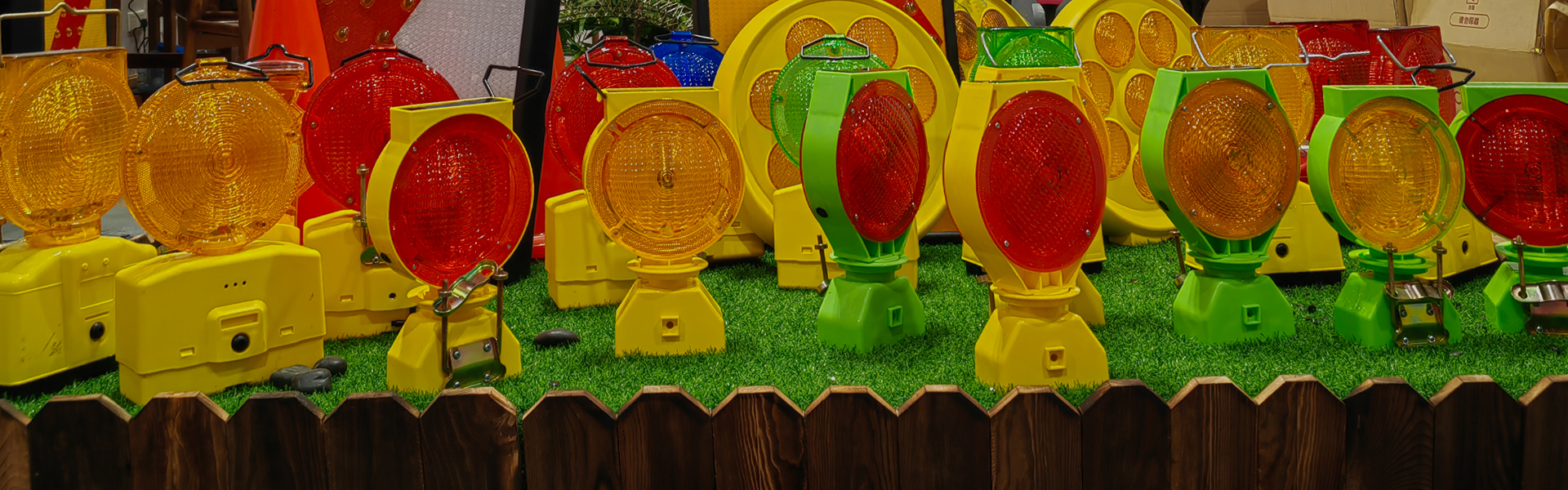
Ningbo Hoyoung Safety Products Co., Ltd. is one example of this kind of manufacturing enterprise in practice. Based in Ningbo, Zhejiang province, the company focuses on personal protective equipment and road safety facilities and supplies, combining regional manufacturing know-how with a modern port location, and brings 20 years of experience in the PPE field to its production programs. Its main product range centers on safety helmets and earmuffs alongside other personal protective equipment, together with warning lights, collapsible safety cones, and other road protective equipment, giving buyers access to a broader safety-product catalog under one roof. The company operates a 5,000 square meter workshop equipped with 16 injection molding machines, with much of the workshop implemented as an unmanned, fully automated operation, which supports consistent shell molding precision across large-volume orders. Products from the company are exported to customers across Europe, the United States, South America, Southeast Asia, and other regions, reflecting an established international supply track record. For wholesale supplier partners and OEM/ODM brand owners, working directly with a vertically capable factory of this kind can simplify communication around shell customization, suspension upgrades, and quality consistency compared with sourcing through multiple disconnected intermediaries.
When evaluating any potential China supplier or China producer for a safety helmet program, buyers generally benefit from asking about mold tooling capability, in-house testing equipment, minimum order flexibility for custom colors or accessory mounts, and whether eco friendly or recycled-material shell options are available alongside standard virgin-resin lines. A transparent factory will walk through each of these points without hesitation, which is itself a useful signal of overall production professionalism.
Q1: Which shell material is generally suited to a general construction safety helmet?HDPE shells are commonly used for general construction work because they balance lightweight comfort with dependable impact distribution, but the right material still depends on specific site conditions. |
Q2: Can a factory produce a safety helmet with custom accessory mounts?Most professional OEM and ODM factories can adjust mold design to add mounts for earmuffs, face shields, or lighting accessories, provided the request is compatible with their existing tooling. |
Q3: How do I know if a safety helmet supplier can support large wholesale volumes?Ask about in-house injection molding capacity, automation level, and how shell consistency is monitored across a production batch, since these details indicate whether a supplier can scale reliably. |
Q4: Are eco friendly safety helmet options available from most manufacturers?Many manufacturers now offer recycled-resin or other eco friendly shell alternatives alongside standard material lines, and it is worth asking specifically since this is not always listed as a default option. |
It is focused on the overall solution of dry bulk material port transfer system,
research and development,
manufacturing, and service
Contact Us
Contact UsMiss. Jenny
+86 136 5588 7720
sales8@hoyoungsafety.com
sales1@hoyoungsafety.com